I remember the first time I wrestled with a stubborn garage door. It felt like I was fighting a beast, and I was convinced the whole mechanism was designed by someone who hated people. This whole ordeal got me thinking about the nitty-gritty of how things actually work, and specifically, whether there are wheels inside hinges. It’s a question that might seem simple, but the answer, and the implications, are more interesting than you’d think.
Most of us just slam doors or roll up garage doors without a second thought. But behind that simple action is some clever engineering. And when things go wrong, figuring out why can be a real headache. So, let’s get down to brass tacks about the humble hinge and its potential rolling components.
The Simple Truth: Do Hinges Have Wheels?
Okay, let’s cut to the chase. When you look at a standard door hinge – the kind on your interior doors, your shed, even most car doors – the answer is a resounding no. There are no literal wheels spinning around inside. It’s a common misconception, likely born from how smooth, well-lubricated hinges can feel. They glide, they pivot, they swing, but they don’t roll on internal bearings in the way a skateboard or a drawer slide does.
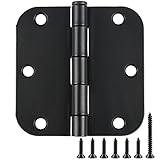
A basic hinge is basically two metal plates (the leaves) connected by a pin. One leaf attaches to the door, the other to the frame. The pin acts as the pivot point. The magic of a smooth-moving hinge comes from the tight tolerance between the pin and the barrel (the part that surrounds the pin), good quality metal, and, importantly, lubrication. Think of it like a well-oiled joint in your body; it moves freely, but there aren’t tiny wheels in your elbow.
I learned this the hard way trying to fix a squeaky bathroom door. I spent a good hour poking around, convinced there was some hidden mechanism I was missing. I’d seen fancy industrial doors with elaborate roller systems, and I figured regular hinges must have some scaled-down version. Turns out, a bit of WD-40 and a bit of elbow grease were all that was needed. Over-enthusiastic internet advice had me convinced I needed to replace the entire hinge because I thought there were internal parts I was overlooking. Waste of my time and money.
The confusion probably stems from other types of sliding or rolling mechanisms. Drawer slides, for instance, often have ball bearings or rollers to make them glide effortlessly. Garage doors, especially older or heavier ones, often have roller mechanisms at the top and bottom to allow them to travel along a track. But these are separate systems, not part of the hinge itself. The hinge’s job is to provide the pivot point, not to help linear movement or rotation along a track.
When Hinges seem to Have Wheels: Roller Systems Explained
Now, before you call me a liar, let’s talk about those instances where you do see wheels involved with doors. This is where the nuance comes in, and it’s why the question ‘are there wheels inside hinges’ pops up so often. We’re not talking about the simple, butt hinges on your interior doors here. We’re talking about specialized applications, most notably, garage doors and sliding gates.
A typical sectional garage door, for example, uses a system of rollers that engage with vertical and horizontal tracks. These rollers are mounted on arms that are attached to the sections of the door. As the door opens, these rollers follow the tracks, guiding the door smoothly up and over. The hinges in this setup are more like connectors between the door sections, and they often have integrated roller stems. So, while the hinge itself isn’t a wheel, it’s the component that holds and guides the wheel in its track. This is a far cry from the pin-and-barrel mechanism of a standard door hinge. (See Also: A Box Without Hinges Key )
Similarly, large sliding gates, the kind you see on driveways, often use a system of rollers mounted on the bottom edge of the gate. These rollers sit in a track or channel, allowing the gate to be pushed or pulled open and closed. Again, the hinge isn’t the wheel, but the gate’s structure that supports the rollers and allows for smooth movement. It’s about enabling linear motion, not just rotation around a fixed point.
I once helped a buddy install a new set of heavy-duty sliding barn doors for his workshop. The hardware kit came with these chunky metal plates that looked like hinges, but they had these beefy rollers attached. The instructions were clear: mount the plates to the door, and the rollers would sit in a metal track. It felt weird at first, mounting what looked like hinges that were meant to roll. But once it was up, that massive door slid open and shut with surprising ease. So, the confusion is understandable; the hardware looks hinge-like but incorporates rollers for a different function.
What to Look for: Hinges vs. Roller Systems
Understanding the difference between a traditional hinge and a roller system is key to not wasting money or time on repairs. Let’s break it down. A standard door hinge, the kind you’ll find on most interior and exterior passage doors, is designed purely for pivot action. Its primary function is to allow a door to swing open and closed around a fixed axis.
You’ll typically see these as three-knuckle or two-knuckle hinges, made of steel or brass, with a removable pin. The quality of the metal and the precision of the manufacturing determine how smoothly they operate and how long they last. When they squeak or bind, it’s usually because the pin is dry, dirty, or slightly bent. A good cleaning, some lubrication (a light oil or specialized hinge lubricant, not that greasy stuff), and sometimes a new pin can bring them back to life. I’ve spent less than $10 fixing a squeaky hinge, a far cry from the cost of replacing a whole roller mechanism.
A roller system, on the other hand, is about helping linear or curved path movement. For garage doors, you’re looking at roller wheels that fit into tracks. These wheels can be made of nylon, rubber, or steel, and they have bearings (often sealed ball bearings) to reduce friction. The hinge-like components in this system are more accurately called roller arms or hinge brackets, and their job is to hold the roller and connect it to the door panel.
When selecting hardware, know what you’re dealing with. If you need a door to swing, you need hinges. If you need a door to slide or travel along a track, you need a roller system. Trying to use one for the other is a recipe for disaster. I’ve seen people try to rig up roller systems on regular doors, thinking it would be ‘smoother’. It just ended up looking clunky and didn’t function as well as a decent set of hinges.
Here’s a little comparison to keep things clear: (See Also: Are Integrated Washing Machine Door Hinges Standard )
| Feature | Standard Hinges | Roller Systems | Verdict |
|---|---|---|---|
| Primary Function | Pivoting/Swinging | Linear/Curved Path Movement | Different jobs entirely. |
| Typical Components | Leaves, Pin, Barrel | Wheels/Rollers, Tracks, Roller Arms/Brackets | Rollers are the key differentiator. |
| Common Applications | Interior/Exterior Doors, Cabinets | Garage Doors, Sliding Gates, Barn Doors | Context is everything. |
| Maintenance Needs | Lubrication, Cleaning, Pin Adjustment | Wheel Bearing Lubrication, Track Cleaning, Wheel Replacement | Rollers require more complex upkeep. |
| DIY Fixes | WD-40, Light Oil, New Pin | New Wheels, Bearing Replacement, Track Alignment | Simple hinge fixes are easier. |
Common Mistakes and What to Avoid
The biggest mistake people make is assuming all door hardware is the same, or that ‘hinge’ is a catch-all term. When someone asks if there are wheels inside hinges, they’re often looking at a problem that isn’t a hinge problem at all. For instance, a garage door that’s difficult to lift might have worn-out rollers, a bent track, or even spring issues, not faulty hinges in the traditional sense. Trying to lubricate the hinge knuckles on a garage door panel is like putting lipstick on a pig – it looks a bit nicer for a second, but it doesn’t fix the real problem.
Another common error is using the wrong type of lubricant. For standard door hinges, a light machine oil or a silicone-based lubricant is usually best. Avoid heavy greases like petroleum jelly or thick motor oil. These can attract dirt and dust, gumming up the works and making the problem worse in the long run. I once saw a set of antique cabinet hinges completely ruined because someone slathered them in Vaseline. They became sticky, attracted every bit of dust in the workshop, and eventually seized up. It took weeks of careful cleaning with mineral spirits to even start restoring them, and they never quite recovered.
For roller systems, the type of lubricant depends on the bearing material. Sealed bearings often require specialized grease or may not need any additional lubrication if they were properly packed at the factory. Unsealed bearings might need a light coating of bearing grease. Always check the manufacturer’s recommendations. Ignoring this can lead to premature wear and failure of the roller assemblies. I learned this lesson the hard way with a set of heavy-duty sliding door rollers I installed in a commercial space. I used a general-purpose grease, and within six months, two of the eight rollers had completely failed. The repair bill was significantly more than the cost of using the correct lubricant from the start.
Finally, there’s the temptation to just force things. If a door is sticking, the instinct is to push or pull harder. This is where damage happens. For standard hinges, this can bend the pin or the knuckles, making the door even harder to operate. For roller systems, it can derail wheels, bend tracks, or strip gears in automated systems. Patience and proper diagnosis are far more effective than brute force. Remember, if a door isn’t moving freely, something is wrong with the mechanism, and forcing it will only make the repair more expensive and complicated.
Real-World Applications and Practical Tips
So, where do you actually see hinges working with wheels, even if not directly inside? Think about heavy-duty industrial applications. Large, rolling industrial doors might use a hinge system that incorporates substantial rollers to handle immense weight and frequent use. These aren’t your typical residential door hinges. They’re engineered systems where the hinge component is designed to interface with a roller and track mechanism.
Another place you might see something similar is in some types of heavy-duty cabinet or appliance doors. Imagine a massive walk-in freezer door. While it has solid hinges, it also often uses a specialized track system with rollers to help manage the weight and make sure a tight seal when closed. The hinge’s role is to provide the pivot, but the roller system is what makes it manageable.
Here are a few practical tips for dealing with door hardware, whether it has wheels or not: (See Also: Are Hinges Wheeels )
- Identify the Mechanism: First, figure out if you have a simple hinge or a roller system. Look at how the door moves. Does it swing, or does it slide along a track? This dictates your troubleshooting approach.
- Lubricate Wisely: For standard hinges, use a light oil or silicone spray. For roller systems, consult the manual or manufacturer for the correct lubricant. Avoid over-lubricating; a little goes a long way.
- Cleanliness is Key: Tracks for roller systems can accumulate dirt, debris, and even rust, impeding smooth operation. Regularly clean them with a brush and a degreaser if necessary. Hinges can also get grimy, affecting pin movement.
- Check for Wear: Inspect rollers for flat spots, cracks, or seized bearings. Check hinge pins for bends or excessive wear. Replacing worn components is often cheaper than dealing with a major failure.
- Don’t Overlook the Obvious: Sometimes, the problem isn’t the hardware itself but something obstructing the door’s path or frame. Check for warped wood, loose screws, or obstructions.
I learned to appreciate the simplicity of a well-made hinge after dealing with a particularly finicky sliding gate. It had these enormous rollers, and the track was constantly getting filled with gravel. Every time it rained, the gravel would wash into the track, and the gate would seize up. I spent ages trying to clean it out, convinced the rollers were the problem. Turns out, a simple brush and a bit of strategic landscaping to divert water away from the track solved 90% of my issues. It was a lesson in looking at the whole system, not just the moving parts.
Faq: Your Burning Hinge Questions Answered
Do Any Door Hinges Have Ball Bearings?
While standard door hinges don’t have ball bearings inside the pin and barrel assembly, some heavy-duty or specialized hinges might incorporate bearings for smoother operation, especially for very large or heavy doors. These are less common in residential settings and are usually found in industrial or commercial applications where extreme smoothness or weight support is required. Most residential hinges rely on metal-on-metal contact with good lubrication.
Why Do My Doors Feel Smooth If There Are No Wheels?
The smooth feel of a well-functioning door hinge comes from a combination of factors: high-quality materials, precise manufacturing that makes sure tight tolerances between the pin and the barrel, and proper lubrication. The metal surfaces are designed to slide against each other with minimal friction when clean and oiled. It’s the absence of resistance, not the presence of wheels, that creates that effortless glide.
Are the Rollers on a Garage Door Considered Part of the Hinge?
No, the rollers on a garage door are typically separate components from the hinges that connect the door sections. While the hinges on garage door panels might have stems that hold the roller, the roller itself is a distinct part designed to engage with a track. The hinge’s primary function remains to connect the panels, while the roller’s function is to guide the door along its path.
What’s the Difference Between a Hinge and a Roller?
A hinge is designed to allow a door to pivot on a fixed axis, enabling it to swing open and shut. It typically consists of two plates connected by a pin. A roller, on the other hand, is designed to allow for linear or curved path movement, usually by rolling along a track. It reduces friction for sliding or rolling doors and is often found in garage doors, gates, and sliding windows.
Can I Add Wheels to Regular Door Hinges?
It’s generally not advisable or practical to add wheels directly to standard door hinges designed for swinging. They are fundamentally different mechanisms. If you need a door to slide, you should install a proper sliding door hardware system, which includes tracks and rollers, rather than trying to modify existing hinges. Attempting to retrofit wheels onto standard hinges will likely result in poor performance, damage, and an unsafe operation.
Final Thoughts
So, to circle back to the burning question: are there wheels inside hinges? For the vast majority of doors you encounter every day, the answer is a clear no. Those smooth, silent swings are the result of good old-fashioned engineering and maintenance, not hidden rollers. But understanding the difference between a hinge and a roller system is important, especially when you’re dealing with things like garage doors or sliding gates.
Don’t get fooled by fancy jargon or overcomplicated advice online. Often, the fix for a squeaky door is simple: clean it, lube it, and maybe replace the pin. If you’ve got a sliding door that’s sticking, investigate the track and the rollers themselves. It’s about diagnosing the actual problem rather than assuming a hidden complexity.
Next time you open a door, take a second to appreciate the mechanism. And if it’s acting up, remember the simple truths about hinges and rollers, and you’ll be well on your way to a smoother operation.