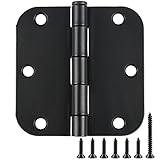
I remember the first time I tried swapping out my Jeep YJ doors for TJ doors. I thought, ‘How hard can it be? They look pretty similar.’ Turns out, pretty damn hard if you don’t know what you’re doing. A lot of folks online will tell you it’s a simple bolt-on job. Spoiler alert: they’re mostly full of it. So, let’s cut through the noise and talk about whether are tj and yj hinges interchangeable. It’s not as straightforward as you’d hope, and that’s coming from someone who’s spent way too much time on this exact issue.
The Visual Deception: Why They Look the Same (but Aren’t)
Alright, first things first. You crack open a YJ manual and a TJ manual, or you just eyeball them side-by-side in the garage. They LOOK like they should just swap, right? Same basic shape, same idea of how a door attaches to a Jeep body.
This is where the deception starts. Jeep engineers, bless their hearts, made some subtle but significant changes between the YJ (1987-1995) and the TJ (1997-2006) generations that affect everything from the hinge pivot point to the mounting holes. I learned this the hard way when I bought a set of used TJ doors for my ’93 YJ, convinced I was getting a killer upgrade. I spent a whole weekend wrestling with them, only to find the alignment was just…
off. Not dangerously so, but enough that the doors wouldn’t close flush, and the seals looked like they were being used as decorative trim rather than functional weatherproofing.
The core issue boils down to two main culprits: the body tub geometry and the hinge design itself. On a YJ, the cowl area where the hinges mount has a slightly different contour compared to a TJ. This means the angle at which the hinges sit, and therefore the door, is altered. Even a millimeter or two of difference here translates into noticeable alignment problems down the line. Then there’s the hinge pin diameter and the width of the hinge arms. While they might appear to be the same size at first glance, the tolerances can be tighter or looser, and the overall spacing might differ, especially where the hinge attaches to the door itself versus the body.
This is why you’ll see tons of forum threads with guys asking if they can just slap TJ doors on a YJ or vice-versa. The answer, in most cases, is a resounding ‘not without modification.’ It’s like trying to put a square peg in a round hole, but the shapes are almost the same.
You might get it in there with a lot of banging and swearing, but it’s not going to function right, and you’ll be left with doors that sag, leak, or don’t seal properly. And don’t even get me started on trying to get the latches to line up perfectly.
It’s a headache I wouldn’t wish on my worst enemy, and I’ve definitely cursed a few product manufacturers for making it seem so easy in their ads.
The Nitty-Gritty: What Makes Them Different?
Let’s get specific about what’s actually different. The YJ hinges are designed to mate with the YJ tub, and the TJ hinges with the TJ tub. Simple on the surface, but the devil is in the details.
The mounting holes on the YJ tub for the hinges are spaced slightly differently than on the TJ. This is the big one. You can’t just drill new holes willy-nilly; the cowl area isn’t designed for that, and you risk compromising structural integrity or ending up with a mess that’s impossible to fix cleanly.
I’ve seen people try to re-drill, and the result is usually doors that sit too high, too low, or at an angle that makes them look like they’re perpetually surprised.
Another factor is the shape and thickness of the hinge plates themselves. The TJ hinges often have a slightly different curve or offset to accommodate the TJ’s body lines. This might seem minor, but when you’re talking about the precise alignment needed for a door to open, close, and seal correctly, every little bit counts. I once bought a set of aftermarket YJ hinges that were advertised as ‘universal fit’ for both. They were absolute junk. The metal was thinner, the pivot points felt sloppy, and after a few months, they were already showing signs of wear and sagging. That was about $180 down the drain for a lesson learned about ‘universal’ parts. (See Also: A Box Without Hinges Key )
Then there’s the hinge pin. While the diameter might be close, the length and the way the pin is secured can vary. This affects how the door hangs and how much play there is. If the pin is too short or too long, or if it doesn’t seat properly, you’ll have issues with the door binding or rattling.
The overall width of the hinge assembly, from the mounting point on the body to the mounting point on the door, can also differ. This impacts the door’s swing arc and its final resting position when closed. So, while they might look interchangeable at a glance, the subtle engineering differences mean that a direct swap is rarely a perfect solution without some serious fabrication or compromise.
Can You Make Them Work? (spoiler: It’s Usually a Pain)
Now, for the big question: can you actually make them work? Yes, technically. But ‘working’ and ‘working well’ are two different things. Most people who claim success have either done some pretty involved fabrication, or they’ve accepted a less-than-perfect fit.
For YJ to TJ door swaps (or vice-versa), you’re often looking at modifying the door itself or the body tub. Modifying the tub is generally a bad idea unless you’re a skilled welder and fabricator. You risk rust, structural weakness, and a headache that will follow you for years.
I’ve seen guys cut and weld new mounting tabs onto TJ doors to make them fit a YJ tub, or grind down the YJ tub’s mounting area to try and match TJ hinges. It’s a ton of work, and the results can be hit or miss.
One common approach for the YJ-to-TJ door swap is using adapter brackets. These are aftermarket pieces designed to bridge the gap between the different mounting hole patterns. They add complexity and another point of potential failure, and they still require careful alignment. I tried a set once, and while they made the doors fit, the alignment was still slightly off. It was better than nothing, but it wasn’t the clean, factory-like fit I was hoping for. Plus, these adapters can add a significant cost to the swap, sometimes negating the savings of buying used doors.
The real issue isn’t just getting the bolts to line up; it’s about achieving proper door-to-body seal, alignment, and operation. A poorly fitting door can lead to wind noise, water leaks, and even make the locks and latches difficult to operate. I’ve heard stories of people driving around with doors that didn’t seal right, and within a year, they were dealing with rust issues around the door jamb because water was constantly getting in. So, while you can force it, you need to be realistic about the outcome. It’s not a simple bolt-on. The common advice that ‘they’re basically the same’ is just flat-out wrong for anyone who wants a proper, functional installation.
Real-World Scenarios and What to Look For
Let’s break down some common scenarios where this question pops up. Most often, it’s someone with a YJ wanting to swap in TJ doors, or vice-versa, usually for aesthetics or to get power windows/locks. The key thing to look for, if you’re attempting this, is the condition of the existing hinges on both the doors you’re buying and the Jeep you’re putting them on.
Are they rusted? Bent?
Are the pivot points loose and sloppy? Even if you could swap them, installing worn-out hinges will give you immediate problems.
For YJ hinges, check the mounting tabs and the pivot pins. For TJ hinges, the same applies, but also pay attention to the integrated door strap mounting point, as this can sometimes be a point of stress and wear. (See Also: Are Integrated Washing Machine Door Hinges Standard )
If you’re buying used doors, inspect the hinges attached to them very carefully. Are they the factory hinges? If they’re aftermarket, what brand are they? Some aftermarket hinges are notoriously poor quality. Look for excessive rust, especially around the pivot points and mounting holes. Wiggle the hinge arms to check for play. If there’s a lot of movement, those hinges are shot. Also, check the door itself. Are the hinge mounting points on the door warped or damaged? This can happen if the doors have been removed carelessly or if there’s been prior accident damage.
When considering a swap, think about the type of use your Jeep gets. If it’s a daily driver that sees rain and highway speeds, a perfect seal is most important. If it’s a weekend warrior that’s mostly used off-road and you don’t mind a little wind noise or the occasional drip, you might be able to get away with a less-than-perfect fit. But even then, doors that don’t align correctly can cause wear on the tub or the door frame over time. My first attempt was on a Jeep that was my daily driver, and the constant wind noise and the way the doors felt ‘loose’ drove me absolutely insane. It made me regret the decision almost immediately.
My Personal Mishaps and the Contrarian View
Okay, confession time. I once spent a solid two days trying to get a set of TJ half-doors to fit on my YJ tub. I bought them cheap, thinking it was a no-brainer. I had the doors, I had the YJ tub.
I assumed the hinges would just be a direct swap. Big mistake. I ended up drilling one new hole on the YJ tub for the TJ hinge to line up.
It seemed minor at the time. That one hole, combined with the slight difference in hinge angle, meant the door wouldn’t close properly. I had to yank on the handle with all my might to get it to latch. And then, to open it, I’d have to practically pry it open.
It was dangerous, and frankly, embarrassing. I eventually gave up and sold the half-doors at a loss, sticking with my original YJ doors. That experience taught me that sometimes, the ‘easy’ upgrade isn’t easy at all, and sticking with what’s designed for your specific model is often the smarter, albeit less exciting, path.
Now, here’s where I go against the grain. Everyone online will tell you it’s all about buying YJ doors for a YJ and TJ doors for a TJ.
And for 99% of people, that’s absolutely the right advice. But for the extreme DIYer, the fabricator, or someone who really wants a specific set of TJ doors for their YJ and has the skills, it can be done.
I’ve seen some incredibly clean custom fabrication jobs where guys have successfully swapped entire door assemblies and made them look factory. It involves cutting, welding, and a deep understanding of body geometry. My contrarian opinion is this: if you have the skills and the tools, and you’re willing to put in the serious fabrication time, a swap is possible.
But for the average Jeep owner who just wants to change their doors, it’s a path fraught with peril and likely disappointment. Don’t attempt it if you’re expecting a simple bolt-on solution. You’ll likely end up frustrated, with a non-functional door, and a lighter wallet.
Practical Tips and Making the Best of It
If you’re determined to swap doors or hinges, here are a few practical tips. First, understand your specific Jeep year. (See Also: Are Hinges Wheeels )
YJ and TJ models have subtle differences, and even within those generations, there can be minor variations. Do your research specific to your exact year.
Second, if buying used doors, inspect the hinges attached to them obsessively. Take photos, ask the seller for details, and if possible, see them in person.
Look for rust, bends, and play in the pivot points. A little surface rust is one thing; deep pitting and a wobbly hinge arm is a hard pass. Third, if you decide to go the adapter route, research the brands thoroughly.
Read reviews from people who have actually used them on your specific Jeep models. Not all adapters are created equal, and some can cause more problems than they solve.
When swapping YJ and TJ hinges, consider these factors:
| Component | YJ (Approximate) | TJ (Approximate) | Verdict |
|---|---|---|---|
| Mounting Hole Spacing | Slightly different from TJ | Slightly different from YJ | Requires modification or adapters |
| Hinge Arm Contour | Designed for YJ cowl | Designed for TJ cowl | Can affect door alignment and seal |
| Hinge Pin Diameter | Similar, but tolerances may differ | Similar, but tolerances may differ | Can affect door fit and play |
| Overall Width | Designed for YJ door/body | Designed for TJ door/body | Impacts door swing and closing |
Finally, be realistic. Unless you’re a seasoned fabricator, attempting a direct hinge swap between a YJ and a TJ is likely to lead to frustration. If you really want TJ doors, consider finding YJ doors that have already been modified to accept them, or bite the bullet and source YJ-specific doors. The vast majority of people asking if are tj and yj hinges interchangeable are looking for a simple solution that doesn’t exist. It’s better to stick with parts designed for your Jeep’s platform to avoid major headaches down the road and make sure a proper, functional fit for your doors.
People Also Ask:
Can You Put Tj Doors on a Yj?
Technically, yes, but it’s not a direct bolt-on. The body tub geometry and hinge mounting points are subtly different between the YJ and TJ models. You’ll likely need to use adapter brackets, modify the hinges, or even cut and weld new mounting tabs onto the body or doors. Expect to spend a lot of time on alignment to get a proper seal and operation.
Are Yj and Tj Doors the Same?
No, YJ and TJ doors are not the same, primarily due to differences in the body tub design and hinge mounting locations. While they look similar, the subtle variations in cowl shape and hinge mounting hole patterns prevent a direct, hassle-free swap without modification.
What Year Jeep Tj Doors Fit a Yj?
No TJ doors from any year will directly fit a YJ without modification. The fundamental differences in the body tub and hinge mounting remain consistent between YJ and TJ generations. If you’re swapping doors, you’re basically swapping TJ doors onto a YJ tub, which requires adaptation regardless of the TJ door’s specific year.
What Are Tj Hinges Used for?
TJ hinges are designed to mount TJ doors to a TJ Jeep Wrangler’s body tub. They are specific to the TJ’s body contours and hinge mounting points. Outside of their intended use on TJ Wranglers, they are sometimes sought after for custom fabrication projects, but direct interchangeability with YJ hinges or doors is problematic.
Final Thoughts
So, to wrap it up, are tj and yj hinges interchangeable? The honest, blunt answer is: not really, not without a significant amount of work, compromise, or specialized fabrication. The visual similarity is a trap that has caught many an eager Jeep owner, myself included. While people have found ways to make it work, it’s often a frustrating journey that leads to less-than-ideal results for the average DIYer.
My advice? If you’re set on swapping doors or hinges, do your homework on specific adapter kits or fabrication methods. But more importantly, consider if the effort and potential headaches are worth the aesthetic or functional gain. Sometimes, sticking with the parts designed for your specific Jeep model is the path to a more enjoyable and functional ownership experience. Don’t be afraid to admit when a simple swap just isn’t in the cards.
Before you buy any doors or hinges for a swap, take a good, long look at your current setup. Are your existing hinges in great shape? If not, tackling a swap might be the perfect excuse to refurbish your original doors and hinges instead. It’s often the most straightforward route to a properly functioning Jeep.