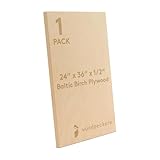
I remember the first time I tried to haul a full sheet of plywood in my old ’98 Explorer. What a disaster. It stuck out so far I felt like I was piloting a small aircraft, and I spent the entire drive home sweating bullets, convinced I was going to lose it or take out a cyclist. So, when a buddy asked if a Chevy Tahoe could handle a 4×8 sheet of plywood for his weekend project, my gut reaction was a mix of ‘probably’ and ‘hell no, not easily’.
It’s a fair question for anyone who’s ever needed to move building materials or big flat items. You see these big SUVs and think, ‘Yeah, that’s what it’s for.’ But the reality of fitting something awkward like plywood isn’t always as straightforward as the marketing suggests.
Let’s cut to the chase: can a Chevy Tahoe hold a 4×8 sheet of plywood? The short answer is yes, but the ‘how’ and ‘how well’ are where things get interesting.
Tahoe vs. Plywood: Interior Dimensions That Matter
Alright, let’s talk turkey about fitting that sheet of plywood into a Chevy Tahoe. The magic number for plywood is 4 feet by 8 feet. That’s a standard size, and it’s a pain in the backside if it doesn’t fit where you need it to. When you’re looking at a Tahoe, you’re generally dealing with a vehicle that has decent interior space, especially the longer wheelbase models like the Suburban, but even the standard Tahoe can surprise you. We’re talking about cubic feet of cargo volume, but that’s not the whole story. What you really need to know is the usable length with the seats folded down.
Most modern Tahoes, especially those from the mid-2000s onwards, offer a pretty good amount of legroom and cargo length when you get rid of the rear seats or fold them flat. For a 4×8 sheet, the important dimension is the length from the back of the front seats to the closed tailgate.
Generally, you’re looking at around 90-100 inches of usable length, sometimes a bit more depending on how far forward you can push the front seats. This is enough to swallow an 8-foot (96-inch) sheet of plywood, but it’s going to be tight.
The width is also a factor – the internal width between the wheel wells is usually less than the full 48 inches of the plywood. This means the plywood will likely rest on the edges of the wheel wells, or you might need to angle it slightly.
Now, here’s a bit of a surprise for some people. While the length is usually sufficient, the width can be a sticking point. If you have a standard 48-inch wide sheet, and the narrowest point between the wheel wells in your Tahoe is, say, 44 inches, you’ve got a problem. This is where angling comes into play. You might have to slide it in nose-first at an angle, resting the rear corners on the folded-down second-row seats (if you have them and they fold flat enough) or the edge of the cargo floor, and then angling the front end up towards the roofline of the front cabin. It’s not ideal, but it’s often how you make it work.
Here’s a quick breakdown of what to expect:
| Vehicle Model Year Range | Approximate Usable Length (Seats Folded) | Approximate Width Between Wheel Wells | Plywood Fit Verdict (4×8 Sheet) |
|---|---|---|---|
| Early 2000s (GMT800 Platform) | ~80-90 inches | ~42-44 inches | Tight fit, may require angling and resting on seat backs. |
| Mid-2000s to Early 2010s (GMT900 Platform) | ~90-100 inches | ~44-46 inches | Generally fits lengthwise, but width can still require careful placement or slight angling. |
| 2015+ (K2XX Platform) | ~95-105 inches | ~45-47 inches | Best chance for a relatively flat fit, but still monitor width and consider cargo area limitations. |
| 2021+ (GMT T1XX Platform) | ~100+ inches | ~46-48 inches | Likely the easiest fit, with more room to maneuver. |
What you’re looking for is maximizing that cargo area. Folding down the second and third rows is almost always necessary for a comfortable fit. The goal is to create as long and flat a surface as possible. I once tried to haul some lumber in an older Tahoe without folding the third row completely flat, and the whole sheet ended up angled precariously, threatening to slide out with every turn. Lesson learned: flat is your friend.
People also ask: ‘Will a 4×8 sheet of plywood fit in a Chevy Tahoe with the second-row seats up?’ The answer to that is generally no, not without significant overhang and risk. The second-row seats drastically reduce the usable length and create an uneven surface. You need that contiguous flat space.
The Art of Loading: Making It Actually Happen
Okay, so you’ve got the space, or at least the potential for it. Now, how do you actually get that 4×8 sheet of plywood into your Chevy Tahoe without scratching up your paint, denting your tailgate, or creating a safety hazard? This is where the ‘hands-on’ part really comes in. It’s not just about the numbers; it’s about the execution.
First, preparation is key. You’ll want to fold down all the rear seats. Make sure they latch securely in their folded position. If your Tahoe has a split-folding rear seat, figure out which configuration gives you the longest, flattest plane. Often, folding the 60% section of a split seat down first, then the 40% section, can give you a bit more usable length or a better angle.
Next, think about how you’re going to maneuver the sheet. A 4×8 sheet of plywood might not weigh a ton, but it’s bulky and awkward. If you’re by yourself, it’s a challenge. With a helper, it’s much easier. You’ll want to slide it in from the back. Start by angling the front edge of the plywood up and over the rear bumper and tailgate opening. Once the front edge is inside, you can begin to slide the entire sheet forward. Be mindful of the interior trim, the roof liner, and especially the back of the front seats. You don’t want to gouge anything. (See Also: Can A Cricut Cut 1 4 Plywood )
Here’s a trick I learned the hard way: use old blankets or moving pads to protect your interior. Lay them down on the floor and the folded seats. This prevents scratches and makes it easier to slide the plywood without snagging. Some people also use cardboard. Whatever you use, make sure it’s smooth and covers the entire contact area.
Now, about the width issue I mentioned. If the sheet is wider than the space between the wheel wells, you’re going to have to angle it. This means the sheet won’t lie perfectly flat. It will likely rest on the top edges of the wheel wells and then angle upwards towards the roof or the back of the front seats. This isn’t ideal for long-term storage or for very heavy materials, as it puts stress on the sheet and can cause it to sag. But for a short trip to the lumber yard, it’s usually manageable. You might need to gently flex the plywood or pivot it carefully to get it in. It’s a bit of a dance.
Here’s a simple step-by-step for loading:
- Clear the rear cargo area.
- Fold down all rear seats to create the longest, flattest surface possible. Make sure they are latched.
- Lay down protective material (blankets, cardboard) on the cargo floor and seats.
- With a helper, carefully lift one end of the 4×8 sheet.
- Angle the front edge of the plywood up and over the rear bumper and into the cargo area.
- Slide the plywood forward, minding interior surfaces. If width is an issue, pivot and angle the sheet as needed.
- Once fully inside, position it so it’s as stable as possible. The front edge should ideally rest against the back of the front seats, which should be pushed forward slightly.
One common mistake people make is trying to force it. If it’s not going in easily, don’t just shove. You’ll likely damage something. Rethink your angle, adjust the seats, or take a break and look at it from a different perspective. I once spent twenty minutes wrestling a sheet into a minivan, only to realize I could have just angled it slightly differently and it would have slid right in. Frustration makes you clumsy.
Securing That Load: Safety First, Always
This is where things go from ‘can it fit?’ to ‘can it get there safely?’ I cannot stress this enough: a loose sheet of plywood in your Tahoe is a projectile waiting to happen. Whether it’s a sudden stop, a sharp turn, or just the vibrations of the road, that big flat sheet can shift, slide, or worse, come forward and become a serious hazard. I’ve seen it happen, and it’s not pretty. A friend’s half-inch plywood sheet slid forward during an emergency stop, cracking the rear window of his SUV. That’s a repair you don’t want to deal with.
So, what’s the best way to secure it? Cargo straps are your best friend here. Look for ratchet straps or cam buckle straps designed for securing loads. You’ll want to find anchor points inside your Tahoe. Most modern Tahoes have several tie-down points in the cargo area, often along the sides or on the floor. If you can, strap the plywood down to these points. You want to secure it in multiple places to prevent it from sliding forward, backward, or sideways.
If the plywood is angled due to width constraints, securing it becomes a bit trickier but even more important. You might need to use straps that go over the top of the sheet and anchor to the floor, or even run straps from the seatbelt anchors (though be careful not to damage the seatbelts themselves). The goal is to immobilize it. It should feel like it’s part of the vehicle, not an independent entity.
Another option is using cargo nets, especially if you have smaller pieces or want to keep things from shifting around the edges of the main sheet. But for a full 4×8 sheet, straps are generally more solid.
What about just using bungee cords? Honestly, I’d steer clear of bungee cords for anything structural like plywood. They stretch too much and can snap unexpectedly, giving you a false sense of security. They’re fine for holding down a tarp, but not for a heavy, bulky sheet of material that could injure you or damage your vehicle.
Some people suggest using the seatbelts themselves, looping them around the plywood. This can work in a pinch, but again, be cautious. Make sure the seatbelt isn’t chaffing against the edge of the plywood, which could damage the belt. And remember, seatbelts are designed for restraint in a crash, not necessarily for holding down cargo in all directions. Dedicated cargo straps are the safest bet. I invested in a set of ratchet straps about $50, and they’ve paid for themselves countless times over in peace of mind and avoiding damage.
If the plywood is sticking out of the back at all (which, ideally, it shouldn’t be if you’re doing this right and fitting it inside), you absolutely MUST use a red flag during the day and proper lighting at night. Most jurisdictions have laws about overhangs. Even if it fits inside, if it’s right up against the back of the seats and you can’t see out the rear window, that’s also a potential issue. So, be mindful of visibility too.
A related question I often hear is: ‘Can a Chevy Tahoe tow a trailer with plywood?’ Absolutely, yes. If fitting it inside is too much of a hassle or you’re concerned about interior space, towing a flatbed trailer is always a safer and easier option for hauling lumber, drywall, or large sheets of material. A Tahoe, depending on the year and configuration, can tow several thousand pounds, easily enough for a modest load of plywood on a trailer.
Common Mistakes and What to Avoid
We’ve all been there: you think you’ve got it figured out, you load it up, and then you realize you’ve made a rookie mistake. Hauling plywood in an SUV like a Tahoe is no different. There are a few pitfalls that can turn a simple lumber run into a headache. Understanding these beforehand can save you time, money, and a lot of frustration. (See Also: Can A 4x8 Plywood Fit In A Honda Pilot )
The first big mistake is simply not folding the seats down properly, or not folding them down at all. As I’ve mentioned, the length is important. Trying to cram an 8-foot sheet into a space designed for shorter items will inevitably lead to it sticking out, being awkwardly balanced, or not fitting at all. I’ve seen people try to jam it in with the third row partially up, only to have the sheet wedge itself so tightly that they couldn’t even close the tailgate. It looked ridiculous and was a logistical nightmare to extract.
Another common error is not protecting the interior. Plywood edges are rough. They can easily scratch your plastic trim, tear your upholstery, or gouge your cargo liner. Even seemingly smooth surfaces can get marred. Investing a few minutes in laying down blankets, old rugs, or cardboard is a small effort that pays big dividends in preserving your vehicle’s resale value and appearance. I once borrowed a buddy’s truck that looked like it had been used as a sandpaper dispenser inside, and it made me appreciate my own careful loading habits even more.
Forgetting to secure the load is arguably the most dangerous mistake. People often think, ‘It’s wedged in there pretty good,’ or ‘It’s just a short trip.’ That’s a recipe for disaster. As I detailed earlier, you need proper cargo straps. Relying on gravity or friction alone is a gamble with your safety and the safety of others on the road. I’ve had unsecured items shift dramatically during a quick stop, and it’s a heart-stopping moment. Don’t let that be you.
Related to securing, some people underestimate the weight and bulk of multiple sheets. While one sheet might be manageable, a stack of 10 or 20 sheets of plywood is significantly heavier and requires more careful handling and securing. You might need more straps, a helper, or even consider if your Tahoe is truly the right vehicle for that kind of load. For really large or heavy jobs, renting a pickup truck or a U-Haul might be a more practical solution.
Finally, there’s the ‘overconfidence’ mistake. Thinking you can just eyeball it and jam it in without thinking through the angles. Especially with newer Tahoes that have sleeker interior designs and less forgiving trim, forcing things can lead to broken plastic clips or scuffed paint around the door frames and pillars. Measure twice, load once, as they say. Or, in this case, think through the angles and your approach before you start wrestling with it.
People Also Ask: What If the Plywood Is Slightly Over 8 Feet Long?
If your plywood is slightly longer than 8 feet (say, 8 feet and a few inches), fitting it inside a Tahoe becomes much more challenging, and often impossible without significant overhang. You’ll need to check your specific Tahoe’s maximum usable cargo length with the front seats adjusted as far forward as possible. Many standard Tahoes will likely not accommodate a sheet much longer than 96 inches inside. For anything over that, you’re probably looking at a trailer or a different vehicle. Overhangs are also a safety hazard and often illegal, so it’s best to avoid them if at all possible.
Real-World Use Cases and Alternatives
So, who actually finds themselves needing to haul plywood in a Chevy Tahoe, and what are the common scenarios? Primarily, it’s DIY homeowners and hobbyists. Think weekend warriors building a deck, a shed, a workbench, or even just moving some materials for a home improvement project. Sometimes it’s for people moving furniture or other large, flat items where plywood might be used as protective sheeting or bracing.
I’ve used my Tahoe for hauling sheets of plywood to build custom shelving units in my garage. The ability to get those long sheets home without having to pay for delivery or rent a truck was a big win. Another time, I needed to transport some large panels for a custom dog kennel I was building. The Tahoe handled it, albeit with a bit of careful maneuvering and strapping. It’s these kinds of projects where the utility of a large SUV really shines.
However, it’s not always the ideal solution, and people often overlook better alternatives. If your primary use for a vehicle is hauling lumber, drywall, or other construction materials, a pickup truck is almost always a more practical choice. The open bed means you don’t have to worry about interior dimensions, angling, or scratching up your cabin. You can simply load it up and go.
Renting a pickup truck for a day is another excellent alternative. Companies like Home Depot or Lowe’s often have trucks or vans you can rent by the hour or day for a reasonable fee. This is often cheaper than buying a trailer and way more practical than trying to force oversized items into an SUV. I’ve done this myself when I needed to haul more than just a couple of sheets, or when I was working on a project that required multiple trips.
For those who frequently need to haul larger items but don’t want a full-size pickup, a truck with a cap or a small utility trailer can be a good compromise. The cap on a truck bed offers some protection from the elements while still providing ample space. A trailer offers immense flexibility, though it does require you to have a vehicle with towing capacity and the skill to tow safely.
Let’s consider the cost. If you only need to haul plywood once or twice a year, using your Tahoe is probably the most cost-effective. You already own the vehicle. But if it becomes a regular occurrence, you might start thinking about the wear and tear on your SUV’s interior, the potential for scratches, and the general hassle. At that point, the cost of a few rental truck trips might be less than the depreciation and minor damage your Tahoe might sustain.
Ultimately, the decision to use your Tahoe depends on the frequency of your hauling needs, the specific dimensions of the materials, and your tolerance for the maneuvering and securing involved. For the occasional haul of a few sheets, it’s absolutely doable. For professional contractors or serious DIYers, other options might be more efficient. (See Also: Can Bondo Be Applied To Plywood )
People Also Ask: How Much Weight Can a Chevy Tahoe Haul Inside?
The interior payload capacity of a Chevy Tahoe varies by model year and configuration, but it generally ranges from around 1,500 to 1,900 pounds. A typical 4×8 sheet of 1/2-inch plywood weighs about 50 pounds, and 3/4-inch plywood weighs around 75 pounds. So, you could theoretically haul quite a few sheets of plywood inside before exceeding the vehicle’s payload capacity. For example, 20 sheets of 1/2-inch plywood would be about 1,000 pounds, well within the limit. However, the practical limitation is usually the interior space and the ability to secure the load, rather than the sheer weight.
Practical Tips for a Smoother Haul
After years of hauling all sorts of things in various vehicles, I’ve picked up a few tricks that make the process of getting awkward items like plywood into an SUV a lot less painful. It’s about working smarter, not harder, and avoiding those “why did I do that?” moments.
First, **measure your interior space before you buy the plywood**. This sounds obvious, but people often skip it. Know the maximum length you can comfortably fit with the seats folded and how wide the narrowest point is (usually between the wheel wells). If your Tahoe’s maximum interior length is 98 inches, don’t buy a 97-inch long piece of lumber if you can avoid it, and certainly don’t buy an 8-foot (96-inch) sheet if you plan on it lying perfectly flat and not touching anything. There’s always a bit of wiggle room, but it’s best to have it.
Second, consider the thickness of the plywood. A 1/4-inch sheet is much easier to handle and angle than a 3/4-inch sheet. Thicker plywood is stiffer and heavier, making it harder to maneuver and more prone to causing damage if not handled carefully. If you’re buying multiple sheets, think about how they’ll stack and if that stack will fit.
Third, use a moving dolly or hand truck if you have one. This is especially helpful if you’re loading multiple sheets or if you’re loading alone. You can get the sheet onto the dolly outside the vehicle and then wheel it right up to the tailgate, making it much easier to get the initial angle and slide it in. This saves your back and reduces the risk of dropping it.
Fourth, pre-plan your tie-down strategy. Before you even start loading, identify where your anchor points are and what straps you’ll use. Having everything ready to go means you can secure the load immediately after placing it, minimizing the time it’s potentially unstable.
Fifth, if the plywood must angle upwards, make sure it’s secure against the front seats. The back of the front seats, especially if they are reclined slightly, can provide a solid backstop. Push the plywood against them and then strap it down. Make sure the front seats are pushed forward enough to accommodate the sheet without straining the seat structure or your dashboard.
Sixth, drive like you’re carrying a Ming vase. This is especially true if the plywood is angled. Take corners slowly, accelerate gently, and brake smoothly. Avoid sudden movements. Listen for any creaking or shifting sounds from the cargo area, and pull over to check if you hear anything unusual.
Seventh, consider the weather. If it’s raining, your plywood can get wet and heavy, and the interior of your Tahoe will get soaked. If you can, wait for a dry day. If not, use plastic sheeting or tarps to protect both the plywood and your vehicle’s interior.
Finally, don’t be afraid to ask for help. Whether it’s a friend, a neighbor, or even a helpful store employee, having an extra pair of hands makes a huge difference in safety and ease. It’s not a sign of weakness; it’s a sign of intelligence.
People Also Ask: Can I Carry a 4×8 Sheet of Plywood on the Roof of My Chevy Tahoe?
While technically possible with the right roof rack system and plenty of straps, carrying a 4×8 sheet of plywood on the roof of a Chevy Tahoe is generally not recommended for safety reasons. The sheet can act like a sail, making the vehicle unstable in windy conditions or at highway speeds. It’s also very difficult to secure properly without specialized equipment, and there’s a high risk of it becoming dislodged. For anything larger than small items, a trailer or the interior cargo space is a far safer option. If you absolutely must use the roof, make sure you have heavy-duty crossbars rated for the load and use multiple, solid tie-down straps, driving extremely cautiously.
Verdict
So, can a Chevy Tahoe hold a 4×8 sheet of plywood? Yes, in most cases, it absolutely can, provided you’re willing to fold down the seats and do a little maneuvering. It’s not always a perfectly flat fit, and you’ll likely need to angle it, especially if your Tahoe is an older model or the plywood is on the thicker side. The biggest hurdle is often the width between the wheel wells, which can force you to improvise.
The key takeaway is preparation and caution. Measure your space, protect your interior, and for the love of all that is holy, secure that load properly. A few ratchet straps and a bit of care can prevent a lot of headaches, damage, and potential accidents. Don’t underestimate the awkwardness of a big sheet of material, and don’t be afraid to ask for help or consider alternatives like renting a truck if it feels too much like a wrestling match.
Ultimately, the Tahoe is a capable vehicle for hauling personal project materials, but it’s not a substitute for a pickup truck if that’s your primary need. For the DIYer tackling a weekend project, though, it’s often just the ticket to get that lumber home without breaking the bank on delivery fees.