I remember the first time I tried to soundproof a room. I bought all the fancy acoustic panels, the thickest carpet I could find, and then I hit a snag: the door. It was a hollow-core nightmare, leaking sound like a sieve. Then I started looking at the hinges. Everyone told me they were just hinges, but I had a nagging feeling they were more.
This is where the rubber meets the road for serious sound control. You can put all the fancy foam on the walls you want, but if your door isn’t sealed right, you’re wasting your time and money. So, the question that often pops up, and one I’ve wrestled with myself, is: can acoustical doors have continuous hinges?
The short answer is yes, and it’s often the better way to go. Let’s break down why.
Why Your Old Hinges Are Probably Screwing You Over
Look, I’m not going to lie. When I first started dabbling in soundproofing my home studio, I assumed the hinges on my existing doors were just… hinges. Standard, boring, functional bits of metal. I spent good money on mass-loaded vinyl (MLV), acoustic caulk, and even a fancy new solid-core door. But the sound still bled through. It was maddening. I’d spend hours trying to seal every tiny gap, only to have the low-end rumble escape right through the door frame.
The issue wasn’t just the door itself, or even the frame. It was the gaps. And where are the biggest potential gaps on any door? The hinge side.
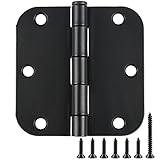
Traditional butt hinges, with their multiple knuckles and pins, create a series of small, inherent gaps. Even with heavy-duty hinges, these aren’t designed for airtight sealing. They’re designed for smooth swing and durability, which is fine for your front door, but not for a room where you’re trying to keep sound in or out. Think about it: each hinge knuckle has clearance, and the pin itself isn’t a perfect seal.
Multiply that by three or four hinges, and you’ve got a sound leak pathway that’s as effective as leaving a window cracked open.
My biggest mistake? Underestimating the hinge side. I saw it as an afterthought, but it’s a important weak point. I wasted about $300 on materials that didn’t solve the fundamental problem because I didn’t address the whole system. The continuous hinge, also known as a piano hinge, changes the game entirely. Instead of discrete points of contact and potential leakage, it provides a continuous, unbroken line of support and, more importantly, potential sealing. It’s a simple concept, but the implications for sound isolation are huge. It’s not just about the door slab; it’s about how it integrates with the frame and the hardware. And when it comes to preventing sound transmission, every millimeter of gap matters.
The Continuous Hinge: A Smarter Seal
So, what exactly is a continuous hinge, and why is it such a big deal for acoustic doors? Unlike standard butt hinges which have separate leaves and pins for each hinge point (typically three or four per door), a continuous hinge is a single, long hinge that runs the entire height of the door. It’s basically one long piano hinge, with its pin and knuckles spanning from top to bottom. This design offers a few key advantages, especially when we’re talking about stopping sound.
First, and most importantly for acoustics, it creates a much more consistent and potentially tighter seal along the hinge side of the door. With butt hinges, you have multiple points where the door meets the frame, and each of those points can have tiny imperfections or clearances. A continuous hinge, by its nature, provides a continuous bearing surface. When properly installed and combined with the right sealing mechanisms, this can significantly reduce the air gaps that sound waves love to travel through. Think of it like a zipper versus a series of snaps. The zipper creates a unified, continuous closure, while the snaps leave small gaps between them.
Another benefit is the load distribution. A continuous hinge spreads the weight of the door evenly along its entire length. This means less stress on any single point of the door or frame, which can be important for heavier, solid-core acoustic doors. Heavier doors require more solid hardware, and a continuous hinge is inherently more solid in its design for distributing weight. This longevity also means less settling or warping over time, which can further compromise a seal. (See Also: A Box Without Hinges Key )
Now, the common advice you’ll hear is that any door can be made acoustic. And to a degree, that’s true if you’re talking about reducing echo within a room. But if you’re trying to block significant sound transmission, like from a loud drum kit or a home theater, you need to think about the entire system.
The door slab is important, yes, but the way it seals against the frame is most important. And that’s where the continuous hinge, when integrated correctly, really shines. It’s not just a fancy hinge; it’s a design element that directly addresses a important weak point in traditional door installations for sound isolation. I’ve seen firsthand how a well-sealed continuous hinge can make a noticeable difference where standard hinges just failed to keep the sound contained.
What to Look for When Buying or Specifying
Alright, so you’re convinced that continuous hinges are the way to go for your acoustic door project. Great. But not all continuous hinges are created equal, and you can’t just slap any old piano hinge on a soundproof door and expect miracles. Here’s what you need to be paying attention to.
Material and Gauge: For acoustic doors, especially heavier ones, you want a hinge made from sturdy material. Steel is common, but look for a decent gauge – meaning how thick the metal is. Thicker gauge means more durability and less flex. A flimsy hinge will bend and warp, negating its benefits. I once picked up a cheap, thin continuous hinge and you could practically bend it with your bare hands. That’s a no-go for anything requiring a solid seal.
Full Mortise vs. Semi-Mortise: For the best seal, you ideally want a full mortise continuous hinge. This means both leaves of the hinge are set into the door and the frame, creating a flush fit. This minimizes any protruding edges that could disrupt the seal. Semi-mortise hinges have one leaf mortised and the other surface-mounted, which can leave a small air gap. For acoustic applications, aim for full mortise whenever possible.
Pre-drilled Holes and Countersinking: Look for hinges that come with pre-drilled screw holes. This makes installation much easier and more precise. Countersunk holes are even better, as they allow the screw heads to sit flush with the hinge surface, contributing to a cleaner, tighter fit. If the holes aren’t pre-drilled, you’ll need to be extremely accurate with your drilling to avoid creating new gaps.
Offset and Clearance: This is where things get a bit more technical, but it’s important. The ‘offset’ of the hinge dictates how the door sits in the frame when closed. For acoustic doors, you want a hinge that allows the door to sit as tightly as possible against the frame and weatherstripping. Some continuous hinges are designed with specific offsets to achieve this. You’re basically trying to minimize the gap between the door edge and the frame on the hinge side. This often involves a specialized continuous hinge designed to work with acoustic door seals. Always check the manufacturer’s specs for how the hinge will affect door-to-frame clearance.
Here’s a quick rundown of what matters most, with my personal take:
| Feature | Importance for Acoustics | My Verdict |
|---|---|---|
| Material Gauge | High – Prevents flex and maintains seal. | Go thick. Don’t skimp here. |
| Full Mortise Installation | Very High – Flush fit is key to minimizing gaps. | Must-have for serious soundproofing. |
| Continuous Length | High – Spreads load and offers a continuous sealing surface. | The whole point of the hinge type. |
| Pre-drilled/Countersunk Holes | Medium – Aids precise installation, reducing user error. | Nice to have, saves headaches. |
| Specialized Acoustic Offset | High – Designed to work with sealing systems. | Check specs carefully; this can be a dealbreaker. |
Installation: The Devil’s in the Details
Even with the perfect continuous hinge, if you install it badly, you’ve just wasted money. This isn’t like hanging a picture frame; precision is key when you’re aiming for sound isolation. I learned this the hard way after my first attempt at installing a heavy acoustic door with a continuous hinge. I thought I was being careful, but the slight misalignment meant the door didn’t close perfectly flush against the gasketing on the frame. The result? A persistent hum from the HVAC system was still audible.
The process for installing a continuous hinge on an acoustic door is more involved than a standard hinge. First, you need to make sure the mortises in both the door and the frame are cut precisely. If you’re replacing existing butt hinges, you’ll likely need to route out new, larger mortises. This requires careful measuring, marking, and routing to make sure both sides of the hinge are seated perfectly flush. Any proud edges or recesses will compromise the seal. (See Also: Are Integrated Washing Machine Door Hinges Standard )
The hinge itself needs to be aligned perfectly straight along the edge of the door and frame. A slight bow or twist in the hinge will create uneven pressure and gaps. When you’re screwing it in, take your time. Start by partially screwing in all screws to get the hinge seated, then gradually tighten them, alternating sides to make sure even pressure. Some installers recommend using longer screws that go into the studs in the wall for the frame side, which adds extra stability and helps prevent the frame from flexing, which can also cause gaps.
After the hinge is installed, and the door is hanging, you then need to install the appropriate gasketing and seals. This is where the continuous hinge really earns its keep. Because the hinge side is so well-sealed by the continuous hinge itself, you can create a truly airtight seal all around the door. This typically involves compressible weatherstripping along the top and sides of the frame, and a solid automatic door bottom that seals against the threshold when the door is closed. The continuous hinge allows the door to pull up incredibly tight against these seals, effectively eliminating those pesky sound leaks that plague standard doors.
Here’s a simplified (but important) step-by-step to get it right:
- Measure twice, route once: Carefully mark the mortise locations on both the door and the frame. Make sure they are perfectly aligned and the correct depth for the hinge leaves to be flush.
- Cut the mortises: Use a router with a template or a very steady hand and sharp chisel to create the mortises. Test fit the hinge leaves multiple times.
- Align the hinge: Position the continuous hinge along the prepared edges of the door and frame. Make sure it runs perfectly straight.
- Secure the hinge: Start screws loosely in all holes, then gradually tighten them evenly across the hinge to avoid binding or warping. Use screws long enough to get a good bite into the framing.
- Install seals: Once the door is hanging perfectly, install your acoustic seals – weatherstripping on the frame and an automatic door bottom. Test the closing action to make sure a tight, consistent seal against all seals.
Common Mistakes and What to Avoid
You’d think that something as seemingly simple as a hinge would be straightforward, but in the world of acoustics, even the smallest oversight can turn your soundproofing dreams into a noisy reality. I’ve seen people throw good money after bad, all because they missed a few key details when it came to their acoustic doors and hinges. Let’s talk about what to steer clear of.
Mistake 1: Using Standard Butt Hinges on a Heavy Acoustic Door. This is probably the most common blunder. Acoustic doors are often solid-core and much heavier than standard interior doors. Standard butt hinges, especially cheaper ones, are not designed to handle that weight for extended periods. They can start to sag, causing the door to bind or create gaps along the edge. I saw a friend’s studio door start to droop after about a year, and the soundproofing performance plummeted. He ended up having to replace the hinges and reinforce the frame.
Mistake 2: Not Considering the Full System. Thinking the hinge is the only thing that matters is a rookie mistake. You can have the best continuous hinge in the world, but if your door slab is hollow, poorly fitted, or you haven’t installed proper gasketing and seals, it’s all for naught. The hinge is part of a system. The door, the frame, the seals, and the hinge must all work in concert. A continuous hinge is great for the hinge side, but you still need to seal the latch side, top, and bottom effectively.
Mistake 3: DIY Mortising Without Precision. While it’s tempting to save money by doing the mortise cuts yourself, if you’re not experienced with routing or chiseling with extreme accuracy, you’re asking for trouble. Even a millimeter off can mean the hinge doesn’t sit flush, creating an air gap. This is where spending a little extra to have a professional cabinet maker or carpenter do the mortising can pay off significantly. I tried it once on a smaller project and the result was… passable. For a important acoustic door? I’d hire it out.
Mistake 4: Forgetting the Offset. Not all continuous hinges are created equal in terms of how they allow the door to sit in the frame. Some hinges are designed to pull the door tight against the stop or gasketing, while others might leave a bit more clearance. If the hinge doesn’t allow the door to close tightly and compress the seals effectively, you’ve got a leak. You need to understand the hinge’s offset and how it will interact with your chosen sealing system. It’s not just about having a long hinge; it’s about how that hinge helps a tight closure.
Real-World Applications and When They Shine
So, where do you actually see continuous hinges being used on acoustic doors, and why are they the preferred choice in these situations? It’s all about performance and reliability. You won’t find these on every standard interior door, and that’s because they’re designed for specific, demanding applications where sound isolation is a top priority.
Recording Studios: This is the classic example. Musicians, producers, and audio engineers need to isolate instruments, vocals, and mixing spaces. A recording studio control room door needs to keep the loud music inside and prevent external noise from interfering. Similarly, a vocal booth door needs to prevent any sound from escaping into the rest of the building. Heavy, solid-core acoustic doors with full-mortise continuous hinges, combined with solid gasketing, are the industry standard here. The continuous hinge makes sure a consistent seal along the entire hinge side, which is often a major weak point in less well-designed doors. (See Also: Are Hinges Wheeels )
Home Theaters and Media Rooms: For those who want to immerse themselves in a movie without disturbing the rest of the household, or vice versa, a well-sealed acoustic door is key. The deep bass frequencies from a subwoofer can travel easily through gaps. A continuous hinge contributes to the overall airtightness needed to contain these low frequencies effectively.
Medical Facilities and Labs: In hospitals, research labs, or even specialized clinics where quiet is most important for patient care or sensitive experiments, acoustic doors are important. Think about MRI rooms or sound-treated audiology booths. These environments demand the highest levels of sound isolation, and the hardware, including hinges, plays a vital role. Continuous hinges help achieve the necessary airtight seals for these demanding applications.
Industrial Settings: In manufacturing plants or workshops where noisy machinery is present, acoustic doors can be used to create quieter areas for offices or control rooms, or to contain noise pollution from escaping the facility. Again, durability and a reliable seal are key, making continuous hinges a practical choice.
Privacy and Security: Beyond just sound, sometimes you need a door that seals tightly for privacy or security reasons. While not strictly acoustic, the principles of creating an airtight seal are similar. A well-sealed door with a continuous hinge can offer a more solid and secure closure than a standard door with multiple points of potential weakness.
According to the Steel Door Institute (SDI), while they don’t specifically mandate continuous hinges for acoustic performance, their standards for door and frame construction emphasize tight tolerances and the importance of proper hardware for achieving intended performance characteristics, including seals. A continuous hinge is a hardware choice that directly supports the goal of achieving tighter tolerances and better sealing along the hinge edge, which is important for acoustic applications.
Faq: Can Acoustical Doors Have Continuous Hinges?
Do Acoustical Doors Need Special Hinges?
Yes, acoustical doors often benefit from specialized hinges, with continuous hinges (piano hinges) being a common and effective choice. These hinges provide a more consistent and potentially tighter seal along the entire height of the door compared to standard butt hinges, which have multiple points of potential sound leakage.
What Is the Advantage of a Continuous Hinge on an Acoustic Door?
The main advantage is the improved sealing capability. A continuous hinge runs the full length of the door, creating an unbroken line that helps minimize air gaps along the hinge side. This is important for preventing sound transmission, as air gaps are prime pathways for sound to travel.
Are All Continuous Hinges Suitable for Acoustic Doors?
Not necessarily. For acoustic doors, you’ll want continuous hinges made from sturdy materials, with a sufficient gauge (thickness) to prevent flexing. The installation method (full mortise is preferred) and the hinge’s specific offset also play a significant role in its effectiveness for sound isolation.
Can I Use a Continuous Hinge on Any Door to Make It Acoustic?
While a continuous hinge is a valuable component for an acoustic door, it’s not a sole solution. Making a door acoustic involves a system: a solid door slab, a well-sealed frame, appropriate gasketing, and an automatic door bottom. The continuous hinge supports the sealing effort on the hinge side, but other elements are equally important for overall sound isolation.
Final Verdict
So, to wrap this up: can acoustical doors have continuous hinges? Absolutely, and often, they should. My own frustrating experiences taught me that the details matter. The hinge side is a notorious weak spot, and a continuous hinge is one of the best ways to address it directly, creating a more uniform seal that standard hinges just can’t match.
Don’t get caught up in thinking you can just slap some foam on the walls and call it a day. If you’re serious about blocking sound, you have to look at the entire door system. The continuous hinge is a smart piece of hardware that, when installed correctly with proper seals, can make a massive difference in the performance of your acoustic door.
My advice? If you’re building or upgrading an acoustic door, budget for a quality continuous hinge and make sure it’s installed by someone who understands precision. It’s an investment that pays off in peace and quiet.