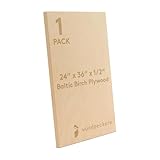
I remember the first time I saw a sheet of what was being peddled as ‘UV-resistant’ plywood. The salesman was practically glowing, talking about its mythical ability to withstand anything the sun could throw at it. Honestly, I was skeptical. Years of tinkering with outdoor projects have taught me that ‘weatherproof’ is a term manufacturers love to throw around, often with more hope than actual science behind it.
So, when the topic of can am uv plywood comes up, my eyebrows tend to raise a little. Is this stuff the real deal, or just another way to charge a premium for something that might barely outlast regular plywood? Let’s cut through the marketing fluff and see what’s what.
What the Heck Is ‘can Am UV Plywood’ Anyway?
Alright, let’s get one thing straight from the jump: there isn’t some magical, specific product called ‘Can Am UV Plywood’ that’s manufactured solely by a company named ‘Can Am’ and exclusively uses some secret UV-proofing formula. This term, as you’re likely encountering it, refers to plywood that has been treated or manufactured with the specific intention of resisting ultraviolet (UV) radiation from the sun. The ‘Can Am’ part is likely a colloquialism, possibly stemming from regional usage or a misunderstanding of branding. Think of it like how people might say ‘Kleenex’ for any facial tissue – ‘Can Am UV Plywood’ is being used as a shorthand for UV-resistant plywood, perhaps implying it’s good enough for the demanding Canadian-American climate, or maybe it’s just a name that stuck from an early prominent supplier.
The core idea is simple: standard plywood, especially the exterior grades, can degrade over time when exposed to sunlight. UV rays break down the wood fibers and, more importantly, the glues holding the layers together. This leads to delamination, swelling, cracking, and general structural failure.
Plywood marketed as ‘UV-resistant’ aims to combat this. How?
Usually, it involves one of a few methods. Some panels are impregnated with specific resins or chemicals during the manufacturing process that absorb or reflect UV radiation. Others might have a special overlay or coating applied to the surface that acts as a barrier.
The goal is to extend the lifespan of the plywood in outdoor applications, preventing that chalky, greyed-out, and structurally compromised look that sun-baked wood eventually gets.
For years, I’ve been building things that sit outside. Arbors, deck skirting, outdoor furniture – you name it. I’ve tried everything from standard exterior grade to those fancy composite panels. The common advice is usually to seal and paint everything religiously, which, let’s be honest, is a pain in the backside if you want it to last. So, the promise of a ‘UV-resistant’ panel that takes some of the guesswork and labor out of the equation is appealing. But before you drop serious coin, you need to know what you’re actually getting. Is it a miracle cure, or just a slightly better-protected piece of wood?
Breaking Down the ‘uv-Resistant’ Claim: How It Works (and Doesn’t)
Let’s talk about the science, or at least what the manufacturers claim is the science. When they say ‘UV-resistant’ plywood, they’re usually talking about a few different technologies. The most common approach involves adding UV inhibitors to the adhesives and resins used in the plywood’s construction. These inhibitors are designed to absorb or scatter the UV rays, preventing them from penetrating deep into the wood layers and degrading the glue bonds.
Think of it like sunscreen for your plywood. Another method is applying a specific overlay or coating to the surface. This could be a resin-impregnated paper or a specialized film that acts as a physical shield against UV radiation. The idea here is that the surface takes the brunt of the sun’s abuse, leaving the core plywood structure relatively intact.
Now, here’s where my honest experience kicks in. I once bought a batch of plywood that was advertised as having a ‘super UV-resistant face veneer.’ Sounded good, right? I used it for some garden planter boxes that got direct sun for about 8 hours a day.
For the first year, they looked fantastic. No fading, no peeling. (See Also: Can A 4x8 Plywood Fit In A Honda Pilot )
But by year two, the edges started to show signs of wear. Not catastrophic failure, mind you, but a distinct chalkiness and a slight softening of the wood.
The ‘UV-resistant’ veneer was doing its job, but the edges, which weren’t as heavily treated or coated, started to succumb. This taught me a valuable lesson: ‘UV-resistant’ is rarely a blanket immunity.
It’s more about slowing down the degradation process.
The common advice you’ll hear is to treat all exterior plywood with a good quality sealant and paint. And yeah, that’s still probably the most reliable way to get decades of life out of your project. But if you’re building something where repeated sealing and painting is a nightmare – like soffits that are a pain to access, or intricate decorative elements – then a truly well-manufactured UV-resistant plywood can make a big difference. The key is understanding that no material is indestructible. ‘UV-resistant’ means it’ll likely last longer and look better for longer than standard exterior plywood under sun exposure. It doesn’t mean you can forget about it entirely.
What to Look for (and What to Avoid) When Buying
So, you’re convinced you need something tougher than the average bear for your sunny outdoor project. Great.
Now, what do you actually grab off the lumberyard shelf? This is where it gets tricky because the term ‘UV-resistant’ can be used pretty loosely.
First, look for clear manufacturing standards or certifications. While ‘Can Am UV Plywood’ isn’t a formal standard, you should be looking for panels that explicitly state they meet certain industry criteria for exterior use and UV resistance. For example, some manufacturers will specify that their product meets APA (Engineered Wood Association) standards for exterior grade plywood, which is a good baseline.
Beyond that, dig into the product details. Does it specify the type of overlay or treatment used? Is it an impregnated resin, a specialized film, or a high-performance coating? The more detail they provide, the more likely they’re backing up their claims.
I’ve found that plywood specifically designed for marine applications or high-exposure architectural siding often has superior UV resistance. It’s typically more expensive, but the construction quality is usually top-notch. This often means using waterproof glues (like Phenolic Resin) that are inherently more resistant to environmental breakdown, and potentially incorporating additional protective layers.
When I’m evaluating a sheet, I pay attention to the surface. Does it feel overly plastic-y?
That might be a good sign for UV resistance, but I’ve also seen those coatings peel or become brittle over time. A good quality resin-impregnated surface often feels more integrated, like part of the wood itself. (See Also: Can Bondo Be Applied To Plywood )
I’ve wasted about $200 on various ‘exterior’ panels that delaminated within two years because the glue wasn’t up to snuff, even though they claimed they were fine for outdoor use. Lesson learned: always check the glue type if it’s specified.
Here’s a comparison table I put together based on my own experiences. It’s not exhaustive, but it gives you a rough idea of what I look for:
| Plywood Type | UV Resistance Claim | Typical Cost (Sheet) | My Verdict |
|---|---|---|---|
| Standard Exterior Grade (CDX) | Basic | $20 – $35 | Okay for sheltered areas, but needs heavy sealing/painting for sun exposure. |
| Marine Grade (WBP Glue) | Good (inherent durability) | $50 – $80 | Excellent structural integrity, good baseline UV resistance, but the surface still needs protection. |
| Specialty UV-Resistant Overlay | High | $60 – $100+ | Promising for specific applications, but verify overlay quality and edge treatment. Might still need top coat for maximum life. |
| Can Am UV Plywood (as a general term for high-performance outdoor panels) | Very High (claimed) | $70 – $120+ | The target for serious outdoor projects. Look for specifics on treatment and glue. Worth the premium if it delivers. |
Common Mistakes and How to Avoid Them
The biggest mistake I see people make with any kind of exterior plywood, including the stuff you’d call ‘Can Am UV Plywood,’ is assuming it’s maintenance-free. It’s not. UV resistance is a feature, not a magic shield that makes the material invincible. You still need to consider how the sun beats down on it, the moisture levels, and general wear and tear. If you’re building a picnic table that gets used daily, even the best UV-resistant plywood will eventually show wear and tear from use, not just the sun. The surface might resist UV degradation, but the physical impact of daily life is another story.
Another common pitfall is neglecting the edges and cut surfaces. When you cut a sheet of plywood, you expose the internal layers and the glue lines.
Unless these cut edges are thoroughly sealed immediately after cutting, they become vulnerable points for moisture and UV penetration. Manufacturers might treat the faces of the plywood, but they can’t treat what you cut. I learned this the hard way on a decorative gable vent I built. I used a nice UV-resistant panel, but I got lazy with sealing the intricate cuts on the edges.
Within a year, those edges started to swell and fray. So, always, always, always seal your cut edges with a high-quality exterior-grade sealant or primer before assembly. It’s a bit of extra work, but it’s the difference between a project that lasts a decade and one that looks tired after three years.
Overpaying for something that’s only marginally better is also a big mistake. Not all ‘UV-resistant’ products are created equal. Some might just have a slightly better exterior glue than standard CDX, while others have advanced resin impregnation or specialized overlays. Do your homework. Ask questions. If a supplier can’t tell you how their plywood achieves UV resistance, be wary. Also, don’t automatically assume the most expensive option is the best. I’ve seen mid-range panels perform just as well, if not better, than some of the pricier options because the manufacturer focused on quality glue and core materials rather than just a fancy surface treatment.
Real-World Applications and My Experiences
I’ve used panels that fit the description of ‘Can Am UV Plywood’ for a few projects now, and the results are… promising. My most extensive use was for the soffits on my garage extension. These are notoriously hard to paint or seal regularly because they’re high up and require a ladder. I opted for a plywood specifically advertised with a heavy-duty, UV-resistant overlay designed for exterior cladding. Installation was straightforward, just like regular plywood. For the first two years, they looked pristine. No chalking, no discoloration, even though that side of the garage gets brutal afternoon sun.
The real test came around year four. There was a slight change in texture on the surface, a very faint chalkiness that you’d only notice if you were touching it. More importantly, where I had a couple of small knots that weren’t perfectly sealed during manufacturing, I noticed a tiny bit of swelling. It wasn’t delamination, but it was a clear indication that the UV rays were slowly winning their battle.
However, compared to standard exterior plywood which would likely be showing significant signs of wear by then – peeling veneer, graying, and potential delamination – it was a night-and-day difference. This experience cemented my opinion that these specialized panels are worth the extra cost for applications where maintenance is difficult.
Another project involved building some custom window boxes for the front of my house. These get direct sun from sunrise to sunset. I used a UV-resistant plywood panel, and again, the initial results were fantastic. The surfaces stayed smooth and retained their color far better than any standard plywood I’d used before. After three years, they’re still looking pretty good, though I did make sure to seal the cut edges meticulously. The wood itself hasn’t warped or split, which is a common issue with regular plywood in such exposed conditions. It proves that for decorative elements or structural components that need to look good and perform well in high-UV environments, investing in better-quality, UV-resistant material is a sound decision. (See Also: Can Cat Plywood Be Used For Exterior Siding )
Practical Tips for Using and Maintaining
Alright, you’ve bought your premium, UV-resistant plywood. Now what? Don’t just slap it up and forget about it. First rule of thumb: read the manufacturer’s instructions. Seriously. Some of these panels have specific guidelines for installation, finishing, and even the types of fasteners to use. If they recommend a specific primer or topcoat, it’s usually for a good reason. While the panel itself has UV resistance, a good quality exterior paint or sealant will add another layer of protection and can help maintain the aesthetic appeal for even longer. Think of it as doubling down on sun defense.
When cutting, use sharp blades. This sounds basic, but with specialized overlays, a dull blade can chip or tear the surface, compromising its protective qualities. I always use a fine-tooth carbide blade when working with these materials. And as I’ve hammered home, seal those cut edges immediately. A good quality exterior primer, followed by a top-quality exterior paint or stain, is your best bet. Don’t skimp on the finish. For fasteners, if the manufacturer suggests stainless steel or coated screws, use them. They’re more resistant to corrosion, which is a major enemy of outdoor projects, especially in humid or coastal environments where UV exposure is often compounded by salt spray.
Regarding maintenance, a simple wash-down once or twice a year can go a long way. Use mild soap and water to remove dirt and grime. If you notice any areas where the finish might be wearing thin, touch it up.
This proactive approach will significantly extend the lifespan and appearance of your project. I’ve found that even a light coat of exterior-grade UV-blocking varnish reapplied every couple of years can make a massive difference on projects where painting isn’t an option or desired. It’s about protecting your investment and making sure your hard work doesn’t fall apart prematurely due to neglect. The ‘Can Am UV Plywood’ isn’t a set-it-and-forget-it solution, but it’s a damn good start for things that live outside.
Can I Use Regular Exterior Plywood for Outdoor Projects?
Yes, you can, but with a significant caveat. Standard exterior plywood (like CDX grade) is designed to withstand some moisture, but it’s not inherently built to endure prolonged, direct UV exposure without degradation. You’ll need to apply a very solid sealing and painting system, and even then, expect it to require more frequent maintenance and a shorter lifespan than a dedicated UV-resistant panel.
Is ‘can Am UV Plywood’ a Specific Brand or Type?
No, ‘Can Am UV Plywood’ isn’t a specific, formally recognized product or brand. It’s more of a colloquial term or descriptor that people use to refer to high-quality, UV-resistant plywood suitable for demanding outdoor environments, possibly implying it’s solid enough for climates found in Canada and the US. You’ll find various manufacturers producing plywood with UV-resistant properties under different product names.
How Long Does UV-Resistant Plywood Typically Last Outdoors?
The lifespan can vary significantly based on the quality of the product, the intensity of the UV exposure, climate conditions, and maintenance. A good quality UV-resistant plywood, properly finished and maintained, can last 10-15 years or even longer in moderate conditions. However, without proper finishing, or in extremely harsh environments, its lifespan will be considerably shorter. It’s always best to check the manufacturer’s specifications for expected performance.
Do I Still Need to Seal and Paint UV-Resistant Plywood?
While UV-resistant plywood offers enhanced protection against UV degradation, it’s generally still recommended to seal and paint or finish it. The overlay or treatment on the plywood primarily protects the core structure and glue lines from UV damage. A good quality exterior finish will further protect the surface from moisture, dirt, and physical abrasion, significantly extending its aesthetic appeal and structural integrity. It acts as a secondary defense system.
Final Verdict
So, is the fuss about ‘Can Am UV Plywood’ justified? In my book, yes, but with reservations. It’s not a magic bullet that lets you ignore the sun, but it’s a significant step up from standard exterior grade for projects that face the full brunt of UV exposure, especially when maintenance is a hassle. The key is to understand what you’re buying – look for specifics on treatments and glues, and always seal your edges.
Don’t expect it to last forever without any attention. It’s about buying yourself time and reducing the frequency of headaches. For those tricky-to-reach soffits or decorative elements that bake in the sun, I’ve found that investing a bit more upfront in a quality UV-resistant panel makes a lot of sense in the long run.
Ultimately, the best piece of advice is to treat it like any other exterior wood product: give it a good finish, seal those vulnerable edges, and check on it now and then. Your projects will thank you.