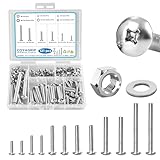
You’re staring at that ARP crank bolt, fresh out of the box, looking like pure muscle. It’s supposed to be the answer to your timing chain woes, the thing that keeps your engine from deciding to spontaneously reassemble itself in a less-than-optimal configuration. But then that nagging thought creeps in: ‘Can ARP crank bolt be drilled and pinned?’ I get it. We all want that extra insurance policy, that ‘belt and suspenders’ approach to keeping important engine parts where they belong.
I’ve been there. Staring at fancy fasteners, wondering if I’m leaving something on the table by just trusting the torque spec. It’s easy to get lost in the forums, a sea of opinions where ‘do it this way’ often means ‘do it my way because it worked for me once.’ But when it comes to something as vital as your crankshaft, cutting corners or following bad advice can turn a weekend project into a costly disaster.
So, let’s cut through the noise. Can you actually drill and pin an ARP crank bolt? The short answer is yes, but it’s not as simple as grabbing your drill press and a random piece of metal.
Why You’re Even Thinking About Drilling and Pinning
Let’s be honest, the stock crank bolt on most engines is about as exciting as watching paint dry. It does its job, usually. But when you step up to performance builds, higher compression, or just want that extra peace of mind, you start looking at beefier components. ARP crank bolts are the go-to for many. They’re forged from high-strength alloys, often black oxide coated, and designed to hold tighter under more stress than your average bolt. They’re built to handle the abuse.
The idea behind drilling and pinning a crank bolt, whether it’s an ARP unit or not, is simple mechanical insurance. The crank bolt threads into the end of the crankshaft. In extreme conditions – think heavy detonation, sudden engine braking, or just a bolt that’s slightly loose due to improper torque or material fatigue – there’s a minuscule chance it could back out. If that happens, your timing goes out the window, your harmonic balancer can fly off, and you’re looking at catastrophic engine failure. It’s not common, but the stakes are incredibly high.
So, drilling and pinning adds a mechanical lock. You drill a small hole through the head of the bolt and into the crankshaft snout, then insert a roll pin or a dowel pin. This pin physically prevents the bolt from rotating counter-clockwise, which is the direction it would try to back out.
I remember a buddy’s Camaro build a few years back. He was running a fairly mild street/strip setup, nothing crazy.
He installed a new ARP crank bolt, torqued it to spec, and went on his merry way. About six months later, on a cool evening cruise, the car just died. Limped it home, and the crank bolt had backed out just enough to throw the timing off completely.
The crank pulley was wobbling like crazy. He was lucky; no major damage, just a few hours of troubleshooting and re-torquing. (See Also: Can I Buy A Full Auto Bolt Carrier )
He ended up drilling and pinning it after that scare. He said the peace of mind was worth the extra hour of work, and honestly, after seeing his situation, I can’t argue.
The ‘can You Do It?’ Vs. ‘should You Do It?’ Debate
Alright, so technically, can ARP crank bolt be drilled and pinned? Yes, you absolutely can. There’s nothing inherent in an ARP bolt’s design that prevents you from drilling it. In fact, some racing applications mandate it. If you’re building a serious drag car, a road racer that sees extreme G-forces, or an engine that’s constantly being pushed to its limits, pinning the crank bolt is a standard safety procedure. Think of it like safety wiring your oil drain plug – it’s overkill for your grocery getter, but for a race car, it’s just part of the game.
However, here’s where my opinion gets blunt: for 95% of street cars, even those with mild performance modifications, drilling and pinning an ARP crank bolt is probably overkill. ARP bolts are manufactured to extremely tight tolerances with high-quality materials. They are designed to stay put when torqued correctly. The torque spec itself, combined with the fine threads and the sheer clamping force, creates a very solid connection.
My contrarian take? Most guys who drill and pin their ARP crank bolts are doing it out of a misplaced sense of security, fueled by internet ‘experts’ who’ve never actually seen a crank bolt back out on a street-driven car, or they’re compensating for other issues. If your engine is properly tuned, your accessories aren’t throwing the balancer off-kilter, and you use a reliable torque wrench with a good quality thread locker (like Loctite 271 or 272, applied correctly), that bolt is going to stay put. The risk of it loosening on its own in a street application is astronomically low.
I’ve done engine builds for over twenty years, worked on everything from rusty pickup trucks to high-strung imports. I’ve personally witnessed maybe two instances of crank bolts backing out – both on older, neglected engines with severely worn components or poor maintenance. Never on a fresh build with quality parts like an ARP bolt, torqued correctly. So, while you can do it, you should seriously consider why you feel the need to.
What to Look for (if You Decide to Go That Route)
If you’ve weighed the pros and cons and decided that the peace of mind is worth the effort, or you’re building a race engine, here’s what you need to pay attention to. First off, the bolt itself. Not all ARP bolts are the same. You want one that has a sufficient shank length and a head that provides enough material to drill through without compromising the structural integrity of the bolt. Some older or cheaper ARP bolts might have a more rounded head, which can be a pain to drill accurately. Newer, higher-end ARP crank bolts often have a slightly more defined shoulder under the hex head, which gives you a better surface to work with.
The crankshaft snout is the other half of the equation. You need to drill into the snout itself, not just the end of the crankshaft where the threads are. The snout is the solid part of the crankshaft that the harmonic balancer slides onto. You’re looking for a spot that’s accessible and where you can get a good depth without hitting anything vital. You’ll typically want to drill about halfway to three-quarters of the way through the diameter of the bolt shank, and then into the crank snout to a similar depth.
The pin itself needs to be the right size and material. A common choice is a hardened steel roll pin or a dowel pin. You’ll need to match the pin diameter to the hole you drill. Too loose and it won’t do much; too tight and you risk cracking the bolt or the crank snout. The pin should fit snugly, but not require excessive force to insert. Make sure the pin material is also hardened steel, to withstand the rotational forces. (See Also: Are Mercruiser 5 7 Engines Four Bolt Mains )
One thing I always do, even if I’m not pinning it, is use a quality thread locker. ARP recommends their own thread locker, but any high-strength, red-colored thread locker (like Loctite 271 or 272) will do the job. Apply it to the threads of the bolt before installation. Clean the threads on both the bolt and the crankshaft snout thoroughly to remove any grease, oil, or old thread locker. This makes sure the thread locker can form a strong bond.
Common Mistakes to Avoid
This is where things go sideways. One of the biggest mistakes is not having the crankshaft bolt perfectly seated and torqued before you start drilling. You do NOT want to drill and pin a bolt that’s not fully engaged or properly tightened. This will throw off your torque, and the pin won’t serve its intended purpose. Always torque the bolt to ARP’s specifications (or your engine builder’s recommendation) first. Many ARP bolts require a specific torque value, and some may even recommend a specific assembly lube or thread locker.
Another pitfall is drilling off-center or at an angle. This is incredibly frustrating. If your pin isn’t straight, it can put uneven stress on the bolt or crank snout. Using a drill press is highly recommended for accuracy. If you’re doing it by hand with a handheld drill, use a center punch to create a divot, and try to keep the drill perfectly perpendicular. A jig can be a lifesaver here, but they aren’t always readily available for every engine configuration.
Overtightening the bolt after drilling and pinning is also a problem. You’ve already torqued it. If you try to tighten it further to ‘seat’ the pin, you’ll likely over-stress the bolt or the crank. The pin is meant to prevent rotation, not to be a point of final torque seating.
Finally, using the wrong size pin or a pin made of soft material. A pin that’s too small will just rattle around and do nothing. A pin that’s too large might split the bolt shank or damage the crank snout when you try to hammer it in. And a soft pin will just deform under load. Measure twice, drill once, and use the correct pin.
The Actual Process: Step-by-Step
If you’re committed to drilling and pinning your ARP crank bolt, here’s a general outline. Keep in mind, specific details can vary depending on your engine and the exact bolt design.
- Preparation: Clean the crankshaft snout and the bolt threads thoroughly. Apply the recommended thread locker (e.g., Loctite 271/272 or ARP’s specified product) to the bolt threads.
- Installation and Torque: Install the ARP crank bolt and torque it to the manufacturer’s specified value. This is important. Make sure it’s seated perfectly. If you are using a torque-to-yield spec, follow that precisely.
- Marking the Location: With the bolt torqued, carefully mark the desired location for the pin. You want to drill through the bolt head and into the crankshaft snout. Use a center punch or a scribe to mark a clear spot. Aim for a location that is roughly in the center of the bolt shank where it meets the crank snout.
- Drilling the Bolt: Using a drill press for accuracy is highly recommended. Select a drill bit that is the correct size for your chosen pin. Drill a hole through the bolt head and into the crankshaft snout. The depth should be about halfway to three-quarters of the way through the bolt’s shank diameter.
- Drilling the Crank Snout (if necessary): If you didn’t drill deep enough into the snout in the previous step, you may need to carefully continue the hole into the snout. Be extremely cautious not to drill too deep.
- Deburring: Lightly deburr the edges of the drilled hole on both the bolt and the crank snout to make sure a clean fit for the pin.
- Pin Installation: Insert the roll pin or dowel pin into the hole. It should be a snug fit. You may need to use a small hammer and a punch to gently tap it into place, making sure it’s fully seated.
- Inspection: Visually inspect the work. Make sure the pin is flush or slightly recessed, and that there are no visible cracks or damage to the bolt or crank snout.
Arp Crank Bolt Torque Specs and Alternatives
ARP crank bolts are engineered for high performance, and their torque specifications are important for their intended function. It’s not just about getting it tight; it’s about getting it precisely tight. For most common V8 applications, ARP crank bolts often call for torque values in the range of 150-200 ft-lbs, but this can vary significantly based on the specific bolt material, thread pitch, and your engine’s application. Always consult the specific instructions that come with your ARP crank bolt kit. They might also specify the use of a particular thread locker or assembly lube. For instance, some ARP bolts might recommend using their own thread locker compound, which is designed to work optimally with their fastener materials.
The reason for these high torque values is to create a massive amount of clamping force. This force, combined with the fine threads of the bolt and the strength of the crankshaft snout, is what normally keeps the bolt securely in place. When you drill and pin, you’re adding a mechanical lock to this system. It’s like wearing a strong belt and suspenders. If you’re unsure about the exact torque spec for your application, a quick call to ARP’s technical support or your engine builder is a worthwhile step. They can provide the most accurate figures. (See Also: Can Am Merverick X3 Max Xrs Wheel Bolt Pattern )
Now, about alternatives. If you’re just starting to think about crank bolt security, and you’re not building a dedicated race car, there are other things to consider before you even think about drilling. One is a high-quality crank pulley retainer system. Some aftermarket companies offer more solid solutions that basically lock the crank pulley to the crank snout, providing an additional layer of security. Another is simply making sure your existing setup is flawless. A properly balanced harmonic balancer, correct installation, and making sure no excessive play in your accessory drives can prevent many of the scenarios that might lead someone to consider pinning.
There’s also the question of whether ARP recommends drilling and pinning their bolts. Generally, ARP doesn’t explicitly advertise or recommend drilling and pinning their standard crank bolts for street applications. Their products are designed to perform to spec when installed correctly. However, they are also a company that supports racing, and in racing, pinning is a common safety practice. So, while they won’t tell you to drill their bolts for your daily driver, they won’t tell you not to if you’re building a race engine and understand the implications.
Here’s a quick comparison table:
| Method | Pros | Cons | Verdict |
|---|---|---|---|
| Torque to Spec (ARP Bolt) | Simple, fast, cost-effective. Sufficient for most street applications. | Relies solely on bolt strength and proper torque. Risk (though low) of backing out in extreme conditions. | Recommended for 95% of street cars. Use high-strength thread locker. |
| Drill and Pin (ARP Bolt) | Maximum security against backing out. Standard practice for race applications. | Requires precise drilling, potential for error. Adds complexity and time. May be overkill for street use. | For dedicated race cars or if extreme peace of mind is most important. Use extreme caution during modification. |
| Crank Pulley Retainer | Adds mechanical lock without modifying the bolt. Can be a good middle ground. | Adds cost and complexity. May require specific balancer designs. | A viable option for performance street builds seeking extra security. |
Can I Drill an Arp Crank Bolt with a Hand Drill?
While technically possible, it’s highly discouraged. Achieving the necessary precision to drill a straight hole through the bolt and into the crankshaft snout without specialized tooling is extremely difficult. A handheld drill can easily go off-center, leading to an improperly seated pin, weakened bolt, or damage to the crankshaft. A drill press or a specialized jig is strongly recommended for this task to make sure accuracy and safety.
What Kind of Pin Should I Use to Pin an Arp Crank Bolt?
For pinning an ARP crank bolt, a hardened steel roll pin or a precision-ground dowel pin is typically recommended. The pin should be made of high-strength material capable of withstanding shear forces. Make sure the pin diameter is precisely matched to the drilled hole for a snug fit without requiring excessive force. Avoid soft metals or standard hardware store pins, as they may deform or fail under load.
How Deep Should I Drill Into the Crankshaft Snout?
The depth of the hole drilled into the crankshaft snout should generally correspond to about half to three-quarters of the diameter of the bolt shank you’ve drilled through. The goal is to have the pin engage securely with the crank snout material for effective mechanical locking. However, it’s important not to drill too deep, as this could compromise the structural integrity of the crankshaft. Always proceed with caution and measure carefully.
Final Thoughts
So, to circle back to the question: can ARP crank bolt be drilled and pinned? Yes, it’s mechanically feasible, and for hardcore racing applications, it’s a smart move. You’re basically adding a mechanical failsafe that prevents the bolt from backing out, no matter what kind of abuse your engine throws at it. But before you grab your drill, take a long, hard look at your build. For the vast majority of street cars, even those with a bit of pep in their step, a properly installed ARP crank bolt torqued to spec with a quality thread locker is more than enough insurance.
I’ve seen more guys waste time and create potential problems by overthinking simple fastener installations than I’ve seen crank bolts back out on street cars. If you’re building something that’s going to see the track regularly, or you just sleep better knowing every single component is pinned, then by all means, proceed with caution and precision. Just make sure you understand the risks of modifying important components.
Ultimately, the decision is yours. But if you’re just looking for a reliable crank bolt for your street machine, focus on correct installation, using the right torque values, and a good thread locker. That’s usually the best bang for your buck and the most practical approach when considering if an ARP crank bolt can be drilled and pinned.