I remember staring at a greasy alternator, thinking, ‘This thing is toast.’ I’d spent a small fortune on fancy degreasers that promised miracles but just made a bigger mess. Then, I grabbed an old paintbrush from my garage, the kind with stiff bristles I used for rust removal. It felt ridiculous, but the idea that can auto parts be cleaned with a paint brush kept nagging at me. Sometimes, the simplest tools are the ones that actually get the job done.
Look, we’ve all been there. You’ve got a pile of dirty engine bay components, carburetors that look like they survived a mud wrestling match, or brake calipers crusted with years of road grime. You want them clean, not just for looks, but because gunk can cause real problems. But do you need a whole arsenal of specialized chemicals and power tools?
The truth is, a paintbrush isn’t going to magically dissolve hardened sludge or strip away baked-on oil. But it can be surprisingly useful, especially when paired with the right cleaner. It’s more about the technique and the cleaner you choose than the brush itself.
The Humble Paint Brush: More Than Just for Walls
Let’s be honest, when you think ‘paint brush,’ you’re probably picturing slapping latex on your living room walls. But in the automotive world, those bristles can be surprisingly versatile. The key isn’t just grabbing any old fluffy brush; it’s about understanding the different types of paint brushes and how their characteristics translate to cleaning various auto parts. For automotive use, you’re generally looking at brushes with stiffer bristles. Think natural hog hair, synthetic nylon, or even brass wire brushes (though those are a different category entirely and require more caution).
Natural bristles, like hog hair, are good for applying cleaners and gently scrubbing surfaces without being overly aggressive. They have a bit of give, which is nice for intricate areas. Synthetic bristles, on the other hand, are often more durable and resistant to solvents. If you’re using a harsh chemical cleaner, a synthetic brush might last longer. I once tried to clean a vintage carburetor with a super soft artist’s brush, and it just bent over and did absolutely nothing. It was like trying to scrub a cast iron pan with a feather. That’s when I learned that brush stiffness matters. A good rule of thumb is that for grease and grime, you want something with some backbone.
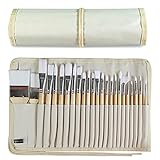
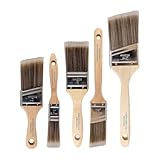
The size and shape of the brush also play a role. A wide, flat brush is great for larger surfaces like valve covers or oil pans. A smaller, round brush with a tapered tip is perfect for getting into tight nooks and crannies, like around mounting holes or in the intricate passages of a carburetor. I’ve found that a set of assorted brushes, including a few detail brushes, is a far better investment than a single, expensive specialized cleaning tool.
You can often find decent multi-packs at hardware stores for under $20. I’ve personally found that brushes with wooden handles are more comfortable for long cleaning sessions than plastic ones, and they feel a bit more substantial in your hand.
You can even find brushes with angled heads, which can be a lifesaver for hard-to-reach areas.
When a Brush Just Isn’t Enough: The Cleaner Is King
So, can auto parts be cleaned with a paint brush? Yes, but only if you pair it with the right cleaning agent. A dry brush isn’t going to do much for baked-on grease. The brush’s job is to agitate, lift, and help distribute the cleaner. Think of it as your scrubbing partner. The cleaner does the heavy lifting of breaking down the dirt, oil, and grime.
For general engine bay degreasing, a good quality citrus-based degreaser or an all-purpose cleaner (APC) that’s diluted properly can work wonders. Spray it on, let it dwell for a few minutes (don’t let it dry!), then go to town with your brush. For more stubborn gunk, like on brake components or heavily soiled carburetors, you might need something stronger. Brake cleaner is effective but can be harsh on rubber and plastics, so use it judiciously. (See Also: Can Acrylic Paint Go In An Air Brush )
Carburetor cleaner is specifically designed to break down varnish and carbon deposits, and it’s often what I reach for when dealing with really crusty fuel system parts. You can also use simple soap and water for less aggressive cleaning, especially on parts that aren’t heavily oiled or greasy.
A little dish soap mixed with warm water can surprise you with its effectiveness on things like dirty valve covers that just need a general wipe-down.
I learned this the hard way when I was trying to clean some old spark plug wells. I used brake cleaner and a stiff brush, and while it got some of the dirt off, there was still a dark film. I switched to a dedicated carburetor cleaner, let it soak a bit, and then scrubbed again with the same brush.
The difference was night and day. The carburetor cleaner simply had the chemical power to dissolve what the brake cleaner couldn’t. It’s not always about brute force scrubbing; it’s about using the right chemical tool for the job and letting the brush assist. Some people even use oven cleaner for really tough, carbonized deposits, but that’s an extreme measure and requires extreme caution and ventilation.
Common Mistakes People Make (and How to Avoid Them)
The biggest mistake I see people make is thinking a paintbrush is a magic wand. They grab a brush, spray some water on a greasy part, and wonder why it’s still dirty. As I’ve said, the cleaner is half the battle. Another common pitfall is using the wrong type of brush. Using a soft brush on stubborn grime is like trying to dig a trench with a spoon. Conversely, using a brush that’s too stiff on delicate components can cause scratching or damage. For instance, you wouldn’t want to use a stiff brass brush on a polished aluminum intake manifold, as it could easily mar the finish. Always consider the material you’re cleaning and its susceptibility to abrasion.
Over-reliance on harsh chemicals is another trap. While strong cleaners are sometimes necessary, they can also degrade seals, plastics, and painted surfaces if left on too long or used too aggressively. Always follow the cleaner manufacturer’s instructions regarding dwell time and rinsing. I once ruined a set of rubber fuel lines by letting carb cleaner sit on them for too long while I was distracted. They became brittle and cracked within weeks. That taught me the importance of respecting chemical limitations. Also, never let cleaners dry on the part you’re cleaning, especially in the sun. This can leave unsightly water spots or chemical residues that are even harder to remove than the original dirt.
Finally, people often forget about rinsing and drying. Just scrubbing a part clean with a brush and cleaner doesn’t mean you’re done. You need to thoroughly rinse away all the loosened dirt and chemical residue. Water is often the best rinse agent for most automotive cleaners. After rinsing, proper drying is important to prevent rust and water spots, especially on metal parts. Compressed air is great for blowing water out of crevices, but a clean microfiber towel or even a shop rag will work for most surfaces. Don’t be that guy who cleans a part and then puts it back on the car still wet.
Real-World Use Cases: Where Brushes Shine
So, where does a paintbrush actually excel in the automotive cleaning world? Honestly, it’s incredibly useful for detailing engine bays. Think about all the nooks and crannies around the intake manifold, the firewall, the brake fluid reservoir, or the power steering pump. A brush can get into those tight spots where a rag or a larger brush just can’t reach. You can spray APC onto the area, let it work, and then use a small brush to agitate the grime and lift it out. This significantly improves the overall appearance of your engine bay without needing to remove a ton of components.
Carburetor and fuel injector cleaning is another area where brushes are invaluable. The internal passages of a carburetor are a maze, and deposits can build up in tiny jets and orifices. A small detail brush, often paired with carburetor cleaner, can help dislodge these stubborn particles. (See Also: Can Acrylic Paints Be Used In An Aqua Brush )
For fuel injectors, while specialized cleaning kits exist, a small brush can help clean the exterior of the injector body before installation or cleaning. I’ve also found brushes incredibly handy for cleaning brake calipers. You can spray brake cleaner on them, let it work, and then use a stiffer brush to scrub away brake dust and road grime from the caliper body and mounting brackets.
This is much more effective than just wiping with a rag.
Transmission pans, differential covers, and oil pans often accumulate a thick layer of grime and oil. While a scraper might be needed for the really thick stuff, a stiff-bristled brush, along with a good degreaser, is perfect for cleaning the surface after the bulk of the gunk has been removed. It helps get into the textured surfaces and corners.
Even simple things like cleaning battery terminals and trays can be done effectively with a wire brush (again, use with caution) or a stiff nylon brush. It helps make sure good electrical contact. For cleaning wheel wells, the brush can help scrub away mud and road salt that gets caked on.
It’s about using the brush to enhance the action of the cleaner on surfaces that are hard to access otherwise. It’s not a standalone solution, but an key part of a multi-step cleaning process for many components.
Contrarian Opinion: When Not to Use a Paint Brush
Here’s where I go against the grain a bit. Everyone talks about how great brushes are for cleaning, but I think it’s important to know when to step away from the brush and grab something else, or just call it a day. My contrarian opinion is that can auto parts be cleaned with a paint brush isn’t the right question; it’s ‘When is a paint brush the wrong tool?’
Firstly, for heavily rusted parts that need serious metal prep before painting, a wire wheel on a grinder or a flap disc is far more effective and quicker. A brush will just wear itself out and barely make a dent. Secondly, if a part is coated in thick, hardened sludge that feels like concrete, a brush will just bounce off it. You need scraping tools, stronger solvents, or even media blasting for that kind of buildup.
Trying to brute-force your way through it with a brush will lead to frustration and a worn-out brush. Thirdly, for delicate components with polished surfaces or intricate electronic parts, a stiff brush can do more harm than good.
Scratching a polished aluminum intake manifold or dislodging a tiny component on a sensor is a far worse outcome than leaving a bit of dirt. In those cases, a soft cloth, specialized electronics cleaner, or even just compressed air is a better choice. (See Also: A Brushes Digital Painting )
My philosophy is this: use the simplest, least aggressive tool that gets the job done effectively and safely. A paintbrush is a great assistant cleaner, but it’s not always the primary weapon. If I’m cleaning a cast iron exhaust manifold that’s caked in carbon and rust, I’m not reaching for my detail brushes first. I’m grabbing a wire brush attachment for my drill, or even a scraper. The paintbrush comes in later, perhaps for applying a rust converter or a primer. So, while they have their place, don’t assume a paintbrush is the solution for every cleaning challenge you’ll face with your car.
Faq Section
Can I Use a Paint Brush to Clean Engine Oil?
Yes, a paint brush can be helpful in cleaning engine oil off parts, especially when used in conjunction with a degreaser. The brush’s bristles can agitate the oil and help the degreaser penetrate and break down the film. You’ll want a brush with moderately stiff bristles for this task and make sure to rinse the part thoroughly afterward.
What Kind of Paint Brush Is Best for Cleaning Car Parts?
For most car parts, a brush with stiff natural or synthetic bristles is best. For general degreasing and dirt removal, nylon or hog hair brushes are good. If you need to tackle tougher grime, a brass wire brush can be effective, but use it with caution to avoid scratching surfaces. Assorted brush sets with varying sizes and stiffness levels are ideal for different tasks.
Can I Use a Paint Brush with Brake Cleaner?
Yes, you can use a paint brush with brake cleaner, and it can be quite effective for scrubbing brake dust and grime from caliper bodies and other brake components. Just be aware that brake cleaner is a strong solvent and can degrade rubber and plastic over time, so avoid prolonged contact with these materials and rinse thoroughly afterward.
Will a Paint Brush Damage Delicate Car Parts?
A stiff paint brush or a wire brush can potentially damage delicate car parts by scratching or abrading surfaces. Always assess the material you’re cleaning. For highly polished or sensitive components, opt for softer brushes, lint-free cloths, or compressed air instead. A gentler approach is often best for intricate electronics or finished surfaces.
Conclusion
So, to circle back to the question: can auto parts be cleaned with a paint brush? The answer is a resounding ‘yes, with caveats.’ It’s not a standalone solution for heavy-duty cleaning, but it’s an incredibly useful tool when paired with the right cleaner and used on appropriate parts. Think of it as your trusty sidekick, not the main hero.
Don’t throw out your specialized cleaning tools, but don’t underestimate the humble paintbrush either. A set of assorted brushes, a decent degreaser, and a bit of elbow grease can tackle a surprising amount of automotive grime. My biggest takeaway is that technique and the correct chemical agent matter just as much, if not more, than the brush itself. Experiment with different brushes and cleaners on less important parts first to get a feel for what works best for you.
Next time you’re staring down a grimy carburetor or a dusty engine bay, grab a brush. You might be surprised at how much progress you can make. Just remember to be mindful of the material you’re cleaning and always rinse and dry thoroughly afterward. Happy cleaning!