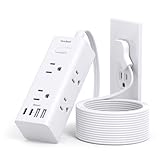
I remember the smell. That acrid, rubbery stench that sent a jolt of pure panic through me. It was my first apartment, and I’d overloaded a cheap extension cord to power my ancient desktop computer and a desk lamp. Thankfully, I caught it before it became a full-blown disaster, but that smell is etched into my memory. It hammered home a truth I’d conveniently ignored: yes, can extension cords catch fire. It’s not an abstract possibility; it’s a real danger lurking in plain sight.
We treat them like magic power arteries, plugging in anything and everything, but these simple cords have limitations. Pushing them beyond their limits or using faulty ones isn’t just a minor inconvenience; it’s asking for trouble. Understanding how and why they fail is the first step to avoiding a very expensive, and potentially devastating, mistake.
When ‘just a Little Extra Juice’ Becomes a Fire Hazard
Look, we’ve all been there. The outlets are never where you need them, right? That’s the siren song of the extension cord. You need to power a fan in the corner, run your Christmas lights, or finally get that ancient printer working.
So, you grab a cord, plug it in, and voilà – power! But what you might not realize is that every extension cord has a maximum load it can handle, measured in amps or watts. Think of it like a pipe; you can only push so much water through it before it bursts.
Push too much electricity through an extension cord, and it gets hot. Really hot.
This heat is the primary culprit. It can melt the insulation, exposing the wires. Exposed wires, especially when hot, can easily ignite nearby flammable materials like dust, carpet, or even the cord itself.
It’s a vicious cycle: heat melts insulation, exposed wires arc or short, generating more heat, which melts more insulation, until something catches fire.
I learned this the hard way with a space heater. It was one of those old, clunky ceramic ones that draw a ton of power. My bedroom outlet was just out of reach, so I grabbed what I thought was a heavy-duty extension cord. Big mistake.
I’d probably used it for Christmas lights before, nothing that drew serious wattage. Within an hour, I noticed a faint burning smell.
I traced it back to the cord, which was alarmingly warm to the touch, almost hot. The rubbery outer casing felt soft and mushy in one spot. I unplugged it immediately and tossed it in the trash.
The space heater was fine, the outlet was fine, but that cord was toast. It wasn’t just overloaded; it was probably already a bit worn, and the combination was a recipe for disaster. That experience taught me to treat extension cords with a lot more respect. They aren’t invincible; they’re designed for specific tasks, and exceeding those limits is playing with fire, literally.
The type of extension cord matters immensely. Not all cords are created equal.
You’ve got your flimsy indoor cords, designed for lightweight electronics like lamps or phone chargers, and then you have your heavy-duty outdoor cords that can handle power tools and multiple appliances. Using the wrong type is like trying to tow a boat with a bicycle – it’s just not going to work and will likely end in damage. For instance, using a thin, light-gauge cord for something like a microwave or a power-hungry vacuum cleaner is a common mistake. These appliances draw a significant amount of current, and a cord not rated for that load will overheat quickly. (See Also: Are Extension Cords Allowed In Labs )
It’s not about the length, though that can play a role in resistance, but primarily about the wire gauge (thickness) and the cord’s overall construction and insulation quality.
What to Look for (and Avoid Like the Plague)
So, how do you spot a cord that’s going to give you trouble before it becomes a fire hazard? First, look at the gauge. This is usually indicated by an AWG (American Wire Gauge) number.
Lower numbers mean thicker wires, which can handle more amperage. For general indoor use with low-power devices, a 16-gauge cord might be okay, but for anything drawing more significant power – think appliances, heaters, power tools – you want a 14-gauge or even a 12-gauge cord. The packaging will usually tell you the maximum wattage or amperage it’s rated for.
Don’t guess; read the label! If it doesn’t specify, or if it looks and feels cheap and flimsy, steer clear. Seriously, for a few extra bucks, you can get a cord that’s rated for the job and won’t be a ticking time bomb.
Another huge red flag is damage. Any cord with nicks, cuts, abrasions, or exposed wires is a no-go. Even minor damage can compromise the insulation.
I once found an old extension cord in my garage that looked okay on the outside, but when I flexed it, I could see tiny cracks forming in the insulation. It was probably brittle from age and sitting out in the sun. I immediately threw it away. Don’t try to patch up damaged cords with electrical tape.
That’s a temporary, and often dangerous, fix. The tape isn’t designed for the constant flexing and heat a cord can generate.
Also, check the plugs and receptacles. Are they bent, cracked, or loose?
A loose connection can cause arcing, which is basically tiny electrical sparks, and those sparks can generate enough heat to ignite something. The prongs should be firm and straight, and the receptacle should grip the plug securely.
Consider the environment. Are you using a cord outdoors? Make sure it’s specifically rated for outdoor use. Outdoor cords have tougher, weather-resistant insulation to protect against moisture, UV rays, and temperature extremes.
Using an indoor cord outside is a fire and shock hazard. And speaking of moisture, never, ever use an extension cord in a damp or wet location unless it’s specifically designed for that purpose. Water and electricity are a deadly combination, and a damaged cord in a wet area is an invitation for disaster. Finally, look for safety certifications like UL (Underwriters Laboratories) or ETL (Intertek).
These certifications mean the product has been tested and meets safety standards. It’s not a foolproof guarantee against all issues, but it’s a good indicator that the cord was manufactured with safety in mind. (See Also: Are Extension Cords Heavy Duty )
Common Mistakes That Lead to Extension Cord Fires
Beyond just overloading a cord, there are a few other common blunders people make that significantly increase the risk of a fire. One of the most frequent is permanently wiring an extension cord.
People use them as a substitute for permanent wiring, running them under carpets, through walls, or behind baseboards. This is incredibly dangerous. Extension cords are designed for temporary use. They aren’t built to withstand the wear and tear of being permanently installed.
When they’re hidden away, damage can go unnoticed, and the risk of them overheating and igniting is much higher because they’re surrounded by potentially flammable materials like carpet padding or drywall. I’ve seen pictures of extension cords that were run under carpets, and the heat generated had melted the carpet and the padding into a gooey mess. It’s a miracle fires didn’t start more often.
Another mistake is daisy-chaining cords, meaning plugging one extension cord into another to get more length. Each connection point is a potential failure point, and each cord adds resistance, which generates more heat. While some heavy-duty cords might be designed to be connected, it’s generally a practice to avoid unless the manufacturer explicitly states it’s safe for that specific cord. It’s far better to buy a single, longer cord of the appropriate gauge than to string several together. Think of it like a chain; the weakest link determines the strength of the whole. With extension cords, the weakest link is often the connection point, and a series of connections makes the entire string weaker and hotter.
People also often forget about the condition of their appliances. If an appliance itself has faulty wiring or a damaged plug, it can put excessive strain on the extension cord, leading to overheating. Always inspect the plug and cord of the appliance you’re connecting. If it looks worn, cracked, or smells funny, the appliance is the problem, and it needs to be repaired or replaced, not just plugged into a new extension cord.
Also, never use an extension cord to power medical equipment if it’s not specifically rated and approved for that purpose. Medical devices often require a stable, reliable power source, and an extension cord can be a point of failure.
The National Fire Protection Association (NFPA) has guidelines and statistics on home fires, and extension cords are frequently mentioned as contributing factors.
Real-World Use Cases and When Not to Use Them
Extension cords are fantastic for temporary power needs. Think about using them for holiday decorations, powering lawn equipment (with the right outdoor cord, of course), or setting up a temporary workstation.
For example, when I moved into my current house, the built-in lighting in the garage wasn’t sufficient. I used a heavy-duty, outdoor-rated extension cord to run power from an existing outdoor outlet to a temporary work light and a portable bench grinder.
It worked perfectly for about six months until I could get permanent wiring done. The key there was using a cord that was rated for the load, wasn’t kinked or damaged, and wasn’t being used in a way that would cause it to be stepped on or run over.
However, there are situations where an extension cord is absolutely the wrong tool for the job, and using one is a serious safety risk. As mentioned, anything that draws a lot of power and needs to be on for extended periods – like a space heater, a dehumidifier, or a large appliance like a refrigerator or washing machine – should ideally be plugged directly into a wall outlet. If your appliances are constantly tripping breakers or you find yourself always needing an extension cord for them, it’s a sign that your home’s electrical system might be outdated or insufficient for your needs, and you should consult an electrician. Running extension cords under rugs, through doorways where they can be pinched, or in high-traffic areas is also a big no-no. They’re not designed for that kind of abuse.
I also see people using them for things like powering a permanent outdoor grill or an air conditioner that’s going to be running all summer. This is a bad idea. (See Also: Are Extension Cords Safe In Rain )
These appliances require a stable, dedicated power source. An extension cord introduces variables – voltage drop over distance, potential for damage, and simply not being rated for continuous, high-demand use. It’s also worth noting that some jurisdictions have regulations against using extension cords as permanent wiring solutions, and for good reason.
Trying to save a buck by not hiring an electrician for a permanent fix can end up costing you far more if a fire breaks out. Always err on the side of caution and use permanent wiring for long-term power needs.
| Use Case | Recommended Gauge | Cord Type | Verdict |
|---|---|---|---|
| Table Lamp, Phone Charger | 16 AWG | Light-duty indoor | Okay for minimal load. |
| Vacuum Cleaner, Power Tools (brief use) | 14 AWG | Medium-duty indoor/outdoor | Good all-rounder, but check wattage. |
| Space Heater, Large Appliances (temporary) | 12 AWG | Heavy-duty indoor/outdoor | Use with caution, monitor heat. Ideal for 20A circuits. |
| Outdoor Garden Tools | 14-12 AWG | Heavy-duty outdoor (weather-resistant) | Must be rated for outdoor use. |
| Permanent Indoor/Outdoor Circuits | N/A | N/A | Use permanent wiring. Extension cords are NOT a substitute. |
Practical Tips for Safer Extension Cord Use
Alright, let’s get practical. You’ve got to use extension cords sometimes, and that’s fine. The key is doing it smartly. First, always buy quality. Don’t cheap out. Spend a few extra dollars on a reputable brand with the right gauge and safety certifications (like UL listed). It’s not worth the risk. Keep your extension cords in good condition. After every use, inspect them for any signs of damage. Store them properly – coiled loosely, away from heat, moisture, and sharp objects. Avoid running them under furniture where they can be crushed, or through doorways where they can be pinched. Never use them to bypass a faulty outlet; get the outlet fixed by an electrician.
When you plug something in, make sure the total wattage of all devices plugged into a single extension cord does not exceed its maximum rating. You can often find the wattage of an appliance on a label on the device itself. If you can’t find wattage, look for amperage and multiply it by your standard voltage (usually 120V in North America).
For example, a device pulling 10 amps on a 120V circuit is drawing 1200 watts (10A * 120V). If your cord is rated for 1500 watts, you can plug that in, but you’re pushing it if you add anything else significant.
Many modern cords will list a wattage limit, which makes it simpler. I tend to leave a little buffer – if a cord is rated for 1800 watts, I won’t plug in devices that add up to more than 1500 watts.
One of my personal tricks is to use different colored cords for different purposes or lengths. It’s a small thing, but it helps me grab the right cord for the job without having to squint at tiny print. Bright orange for outdoor power tools, heavy-duty black for temporary workshop setups, and lighter-duty grey for Christmas lights. It’s a simple visual cue that helps prevent mistakes. Also, if you notice an extension cord getting warm at any point during use, unplug it immediately. Don’t wait. It’s a clear warning sign that something is wrong, either with the cord, the appliance, or how it’s being used. The risk of fire is too high to ignore that warning.
Can Extension Cords Be Used Permanently?
No, extension cords are designed and intended for temporary use only. They are not built to withstand the constant wear and tear, potential damage from being run under carpets or through walls, or prolonged exposure to environmental factors that permanent wiring solutions are engineered for. Using them permanently significantly increases the risk of overheating, short circuits, and fire.
Are All Extension Cords a Fire Hazard?
Not all extension cords are inherently a fire hazard if used correctly. However, any extension cord can become a hazard if it is damaged, overloaded, used improperly (e.g., run under carpets), or if it’s a low-quality product not meeting safety standards. The potential for a fire exists if the cord’s limitations are exceeded or its integrity is compromised.
What Is the Most Common Cause of Extension Cord Fires?
The most common causes of extension cord fires are overloading the cord beyond its electrical capacity, using damaged cords (nicked insulation, frayed wires), and improper use, such as running them under rugs or through doorways where they can be pinched or abraded. These conditions generate excessive heat, which can ignite nearby materials.
How Do I Know If an Extension Cord Is Overloaded?
An overloaded extension cord will often feel warm or hot to the touch. You might also notice a burning smell, flickering lights from connected devices, or the circuit breaker tripping frequently. The appliance itself might also behave erratically or shut off unexpectedly. Always check the wattage or amperage rating on the cord and the devices you plug into it.
Verdict
So, can extension cords catch fire? Absolutely. It’s not some rare fluke; it’s a genuine risk that comes with improper use or a faulty product. I’ve seen firsthand (and smelled!) the consequences of treating them like an unlimited power source. The key isn’t to ban them from your life, but to be smart about how and when you use them.
Always choose the right cord for the job – check the gauge, the rating, and whether it’s meant for indoor or outdoor use. Inspect them regularly for damage, and never, ever hide them away where you can’t see them. If it feels hot or smells funny, unplug it. It’s a simple step, but it could save your home. Don’t become a statistic; treat your extension cords with the respect they deserve.