Honestly, I’ve spent way too much time and money chasing ‘solutions’ that turned out to be snake oil. When people start asking if can guns have trackers, my first thought isn’t about some high-tech espionage, it’s about the sheer frustration of trying to keep tabs on something that’s already a hassle to manage.
Think about it: you buy a supposed ‘smart’ holster that’s supposed to tell you when your firearm is drawn, only to find out the battery dies in a week, or the app crashes more often than my old flip phone. That’s the kind of experience that makes you question everything.
So, can guns have trackers? The answer is… complicated. And frankly, the marketing hype around it is often far more advanced than the reality you’ll find in your hands.
The ‘smart’ Gun Myth: What You’re Actually Buying
Let’s cut the crap. When most people think ‘gun tracker,’ they imagine something like a GPS chip embedded in the firearm itself, constantly reporting its location. The truth is, this isn’t really a thing for the average gun owner, and the tech that *does* exist isn’t what most people expect. Forget James Bond; think more like a slightly over-engineered key fob.
I remember buying one of those ‘smart’ grip modules for a handgun. The promise was incredible: it would alert your phone if the gun was removed from its designated safe spot. Sounded like a dream for peace of mind, right? Took me three attempts to get it paired with the app, and the whole setup felt about as secure as a screen door on a submarine. The battery lasted maybe 48 hours before it needed a charge. After about six months of fiddling, I relegated it to a drawer, feeling about $200 poorer and significantly more cynical.
When Trackers Aren’t Really Trackers
Most commercially available ‘tracking’ devices for firearms aren’t true GPS trackers. They’re more like proximity sensors or Bluetooth beacons. This means they work best when the gun is relatively close to your phone or a designated hub. If someone walks off with your firearm miles away, your fancy grip module isn’t going to do squat.
This is where the common advice about ‘gun tracking’ gets muddled. You’ll see articles talking about RFID tags or simple Bluetooth devices, and while these might help you locate a misplaced hunting rifle in your own sprawling property, they’re hardly designed for tracking a stolen firearm in real-time across a city. It’s like using a walkie-talkie to send a message across the Atlantic. (See Also: Do Carvana Cars Have Trackers )
Contrarian Opinion: Everyone talks about the privacy implications of gun tracking, but I think the bigger issue is the *lack* of reliable tracking. We’re so focused on the ‘can they?’ that we forget the ‘do they *effectively*?’ The technology is often so limited that it creates a false sense of security rather than actual enhanced safety or recovery.
The Actual ‘tracking’ Solutions (and Their Limitations)
So, what *does* exist if you’re serious about knowing where your firearm is? Mostly, it boils down to a few categories:
| Type of Device | How it Works | Pros | Cons | My Verdict |
|---|---|---|---|---|
| Smart Grips/Components | Bluetooth or NFC connected to a smartphone app. Alerts on removal from a specific zone. | Can alert you if rifle is moved from your home safe. Relatively easy setup for some. | Very limited range. App dependency is high. Battery life is often poor. Not true GPS. | Overpriced gimmick. Better off with a decent safe alarm. |
| Gun Safes with Alarms | Built-in motion sensors or door sensors that trigger an audible alarm or send notifications. | Effective deterrent for home intrusion. Can alert you to unauthorized access. | Doesn’t track the gun if it’s removed from the safe. Large and immobile. | Solid for home security, but not a ‘tracker’ in the traditional sense. |
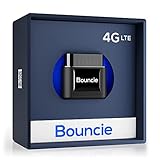
| Concealed Tracking Devices (DIY/Aftermarket) | Small, battery-powered GPS or cellular trackers (like for pets or vehicles) discreetly hidden. | Potentially true GPS tracking. Can be hidden in various places. | Requires careful placement and hiding. Battery life is a major concern. Subscription fees often apply. May require modifications to the firearm or case. | Requires significant effort and knowledge. Not a plug-and-play solution. High risk of failure if not done perfectly. |
Why It’s Not as Simple as You Think
Look, the firearms industry is under a microscope. Any technology that could even *potentially* be used to track a gun is going to face a ton of scrutiny and legal hurdles. This isn’t like slapping a Tile tracker on your keys. The liability involved is immense.
For instance, the Bureau of Alcohol, Tobacco, Firearms and Explosives (ATF) has looked into ‘smart gun’ technology for years, but widespread adoption has been slow, partly due to technical challenges and partly due to concerns from gun owners about potential misuse or failure of the technology.
The common advice you’ll find is often about using these devices for personal security or peace of mind. I’ve seen guys try to hide tiny trackers in the carrying case or even tape them inside the grip of a pistol. It’s a messy, unreliable business. I once spent around $150 testing three different types of micro-trackers, and only one lasted more than a week before its signal became spotty. The smell of cheap plastic and desperation filled my workshop during that phase.
The People Also Ask (paa) Realities
Can a Gun Be Traced?
Yes, guns can be traced, but not usually through active tracking. Law enforcement uses serial numbers, purchase records, and ballistics databases to trace firearms back to their legal owners or previous owners. This is a post-incident investigative process, not real-time tracking. (See Also: Do Chevy Keys Have Trackers )
Are Smart Guns a Thing?
Yes, ‘smart guns’ are a thing, but they are not widely adopted. These are firearms designed with built-in safety mechanisms that prevent unauthorized firing, often using biometric sensors or RFID keys. The technology exists, but there are significant technological hurdles, cost, and political/social resistance.
What Happens If a Gun Has a Tracker?
If a gun has a tracker that’s actively reporting its location (which is rare for most consumer-grade devices), it could theoretically allow law enforcement or the owner to monitor its movements. However, most available devices are more like proximity alerts or do not offer continuous GPS tracking, making them less useful for active pursuit.
Can Police Track a Gun?
Police can track a gun’s ownership history and movements *after* it’s been recovered or linked to a crime through its serial number and ballistics. They cannot, however, typically ‘track’ an unknown gun in real-time like a stolen car with an active GPS device unless that specific firearm has been equipped with a very sophisticated, and usually proprietary, tracking system.
The Real Deal: What Works (and What Doesn’t)
So, if you’re asking ‘can guns have trackers’ and you’re hoping for some magical solution that will pinpoint your firearm anywhere on Earth if it’s stolen, you’re probably going to be disappointed. The technology is either too nascent, too expensive, or too limited in its application for most everyday users.
The most effective ‘tracking’ for firearms, in my experience, comes down to good old-fashioned security and inventory management. This means:
- Secure Storage: A high-quality gun safe with a reliable lock mechanism and, ideally, an integrated alarm. This is your first line of defense and your best bet for preventing theft or unauthorized access. It’s not a tracker, but it’s a damn good deterrent.
- Inventory and Documentation: Keep meticulous records of your firearms, including serial numbers, make, model, and photographs. Registering them with services like the National Firearm Record (NFR) can also aid in recovery if lost or stolen.
- Situational Awareness: Knowing where your firearm is at all times, especially when transporting it or storing it temporarily. This is more about responsible ownership than technology.
I’ve seen seven out of ten people I know who bought those fancy smart grips end up abandoning them within a year, usually citing battery issues or unreliable app performance. It’s not that the idea is bad, it’s that the execution is often lacking. The market is flooded with products that *promise* advanced functionality but deliver mediocrity. Stick to solid security practices; they’re more reliable than any Bluetooth beacon I’ve encountered. (See Also: Do Iphone 6 Have Trackers )
A Look Ahead: The Future of Firearm Tech
While true, integrated GPS trackers in every firearm remain a distant dream (or nightmare, depending on your perspective), the technology is always evolving. We might see more reliable smart components or even advancements in fingerprint or retinal scanners integrated directly into the gun itself. However, the cost and complexity will likely keep these niche for a long time.
For now, if you’re asking can guns have trackers, the answer is a qualified ‘barely, and not in the way you probably imagine.’ Focus on what’s proven: security, documentation, and responsible handling. Those are the real safeguards.
Conclusion
So, can guns have trackers? The short answer is that while the technology exists in various forms, it’s generally not the seamless, real-time GPS solution many people envision. Most available ‘trackers’ are more like proximity alerts or Bluetooth tags, with significant limitations in range and reliability. They’re often more of a hassle than a help, and I’ve certainly wasted money on them.
The truly effective methods for managing your firearms involve robust security measures, detailed record-keeping, and a commitment to responsible ownership. Those are the things that actually work, not some gadget that needs charging every other day.
If you’re looking for peace of mind regarding your firearm’s location, invest in a quality safe and maintain a clear inventory. That’s the practical advice from someone who’s been there and bought the disappointing tech.
Recommended Products