So, you’re eyeing up a Turo rental, maybe for a weekend getaway or just to try out that weird vintage car you’ve always wanted to flog. Smart move. But then the little voice in your head pipes up: “Does Turo cars have trackers?” It’s a fair question, and honestly, one I wrestled with myself after a particularly… *memorable* trip where I swore I heard a faint beep every time I went over 80 mph.
Figuring out what’s really going on under the hood of these peer-to-peer car rental services can feel like deciphering ancient hieroglyphs sometimes. You read the official stuff, and it’s all sunshine and rainbows about connecting car owners with renters. But what about the nitty-gritty? What’s actually happening when you key turns?
Look, I’ve rented enough cars to know that sometimes the car has more personality than the owner. And that personality can sometimes extend to hidden gadgets.
Tracking: The Unspoken Reality of Rental Cars
Let’s cut the BS. If you’re asking, “does Turo cars have trackers?”, you’re probably wondering if your every move is being logged, reported, or even used against you. And the honest answer, gleaned from more than a few late-night internet rabbit holes and conversations with folks who’ve seen it all, is: yes, probably. Not all of them, mind you. But a significant chunk. Think of it less like Big Brother and more like a glorified GPS device with some extra bells and whistles for the owner.
This isn’t some shadowy conspiracy. Most of these tracking devices, often referred to as GPS trackers or vehicle recovery systems, are installed by the car owners themselves. They want to know where their expensive asset is, especially when it’s out of their hands. It’s about peace of mind, recovering the vehicle if it’s stolen, or, yes, monitoring usage patterns.
Remember that time I rented a beat-up Subaru Outback in Colorado? The owner was this super chill dude, swore up and down it was just a regular car. Fast forward three days and I’m deep in some off-road trails, totally lost. Suddenly, my phone buzzes with a text from the owner: ‘Hey man, looks like you’re a bit off the beaten path. Everything okay? Just checking in.’ My blood ran cold. I’d assumed it was just his eagerness to ensure I hadn’t crashed his beloved Subie, but later I found a small, black box zip-tied under the dash. It looked suspiciously like a GPS unit. I’d spent nearly $250 on that weekend rental, and felt like I’d paid extra for a stalker.
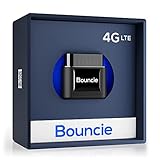
The technology itself is pretty standard. Often, it’s a small device that plugs into the OBD-II port (that diagnostic port usually found under the steering wheel) or is hardwired into the vehicle’s electrical system. It transmits location data, and sometimes other diagnostics, back to a server. This data can then be accessed by the owner via a web portal or a mobile app. It’s not sophisticated spycraft; it’s more like remote vehicle monitoring, similar to what fleet management companies use.
Some older vehicles might not have these readily accessible ports, making hardwiring a bit more involved, but the principle remains the same: find power, find a way to transmit data. It’s like trying to figure out if your old toaster has a secret Wi-Fi chip – you wouldn’t expect it, but in the world of connected devices, anything is possible.
Why Would an Owner Install a Tracker?
It boils down to protection and information. Car owners on Turo are essentially running mini-businesses. They’ve got a significant financial stake in their vehicle, and letting it out to strangers carries inherent risks. These devices offer a layer of security that’s hard to ignore. (See Also: Why Does Victoria Secret Have Trackers In Their Bras )
Firstly, and most obviously, is vehicle recovery. If a car is stolen, a GPS tracker is invaluable for law enforcement to locate it. This alone can save owners thousands, if not tens of thousands, of dollars.
Secondly, monitoring usage. Owners might want to ensure their car isn’t being used for purposes that violate Turo’s terms of service, like extensive off-roading (unless explicitly permitted), racing, or being driven by someone other than the renter. Some trackers can even monitor driving behavior, like harsh braking or rapid acceleration. Imagine a car owner getting an alert because you red-lined the engine halfway up a mountain – that’s the kind of data a tracker can provide.
Thirdly, preventative maintenance. While not as common, some advanced systems can report diagnostic trouble codes (DTCs). This can alert the owner to potential mechanical issues before they become serious, saving them costly repairs down the line. It’s a proactive approach to vehicle care.
It’s also worth noting that Turo itself has its own ways of tracking vehicle activity, though this is primarily for operational purposes and dispute resolution, not necessarily for real-time surveillance of every renter’s joyride. They use telematics data where available, but the owner-installed devices are a separate layer.
Frankly, if I owned a car worth more than my rent for a year, I’d have some form of tracking on it too, and I wouldn’t necessarily advertise it upfront unless I had to. It’s just pragmatic risk management.
The ‘no Tracker’ Guarantee: Myth or Reality?
Everyone asks if Turo guarantees no trackers. The short answer is: Turo’s official stance generally leans towards transparency where possible, but they don’t explicitly police every single owner’s device installation. They operate on a trust-but-verify model, and most owners are upfront if they have a system that significantly impacts the renter.
However, the line between ‘vehicle recovery system’ and ‘renter surveillance device’ can be blurry. Some owners might install a basic GPS unit for theft recovery that also logs trips. Others might install something more sophisticated that monitors speed, geofencing (alerts if the car leaves a predetermined area), and even driving habits. The latter, frankly, feels like a privacy invasion to me, even if it is technically the owner’s property.
I once rented a sports car where the owner was *super* insistent on getting it back clean and with a full tank of gas. He also mentioned he had a ‘special system’ to track fuel levels. I thought he was kidding. Turns out, he had a device that could monitor fuel consumption and even engine hours. It felt less like a rental and more like I was on probation. I learned that day that not all ‘trackers’ are created equal, and some owners are *very* particular. (See Also: Why Do Flat Trackers Have Slick Rear Tire )
According to the Electronic Frontier Foundation (EFF), while there are legal frameworks around data privacy, the specifics of vehicle tracking in peer-to-peer rentals can be a gray area. Essentially, if the owner installed it, and it’s on their property, they often have a claim to the data it generates. This isn’t like a police-issued tracker; it’s more akin to a security camera in your own home.
The key takeaway here is to communicate. If you’re concerned, ask the owner directly before booking. A reputable owner should be willing to answer questions about any installed technology. If they get cagey or defensive, that’s your signal to maybe look elsewhere.
What About Turo’s Own Tracking?
Beyond owner-installed devices, Turo itself collects data. When you use the Turo app, you’re agreeing to their terms of service, which typically include provisions for data collection. This can include your location data if you grant the app permissions.
This data is primarily used for operational purposes: to facilitate bookings, manage payments, handle disputes, and improve their service. It’s not usually about tracking your leisurely drive through the countryside. Think of it like how Google Maps tracks your location to provide traffic updates – it’s for service delivery.
However, in the event of a dispute – say, the car is returned late, damaged, or with more miles than agreed upon – Turo might access telematics data if the vehicle is equipped with it (either owner-installed or a manufacturer-installed system). This data can serve as objective evidence. So, while you might not be actively monitored minute-to-minute, there’s a digital breadcrumb trail that can be followed if needed.
It’s a bit like the difference between having a neighbor who watches your house constantly versus having security cameras that only record when someone breaks in. Turo’s system is more the latter, designed for incident response rather than continuous surveillance.
The Verdict: Are Turo Cars Tracked?
The overwhelming consensus, and my personal experience, suggests that many Turo cars *do* have trackers. These are primarily installed by owners for security and monitoring purposes. Turo itself also collects data through its platform and, where available, telematics systems.
So, does Turo cars have trackers? Yes, often. Is it something you should lose sleep over? Probably not, if you’re renting the car for its intended purpose and treating it with respect. The technology is there to protect the owner’s investment and, in some cases, ensure the terms of the rental agreement are met. (See Also: Is Th Vivofit 3 Have Timers And Trackers On It )
If you’re planning on taking the car on a cross-country road trip, exploring hidden gems, or just enjoying the drive, the chances are high that your location is being logged. But unless you’re planning on doing something that violates the rental agreement – like joyriding, street racing, or vanishing with the car – this data is unlikely to be used against you. It’s just part of the modern reality of asset sharing.
Ultimately, honesty and good communication with the car owner are your best tools. If you have specific concerns, ask. Most owners are transparent, and those who aren’t might be a red flag in themselves. Treat the car well, follow the rules, and enjoy the ride. The data is probably being collected, but it’s rarely an issue for responsible renters.
| Feature | Owner-Installed Tracker | Turo Platform Data | Opinion |
|---|---|---|---|
| Primary Purpose | Vehicle Recovery, Usage Monitoring | Booking, Payment, Dispute Resolution | Owner trackers offer more granular control for the owner. Turo’s data is for platform operation. |
| Data Collected | Real-time Location, Speed, Geofencing, Driving Habits (potential) | Booking details, User profile, Payment history, Communication logs | Owner trackers can feel more intrusive to renters. |
| Transparency | Varies widely by owner. Often not disclosed unless asked. | Generally disclosed in Terms of Service. | Turo’s data policy is more standardized. Owner discretion can lead to surprises. |
| Rental Impact | Can be used for disputes, e.g., mileage, location violations. | Used for disputes, e.g., late returns, damage claims. | Both can impact dispute resolution. Owner trackers might flag minor infractions more readily. |
| Recommendation | Ask the owner before booking if concerned. | Review Turo’s Terms of Service. | Be aware, communicate, and rent responsibly. |
Does Turo Know If You’re Speeding?
Many Turo cars have owner-installed GPS trackers that can monitor speed and driving behavior. If the owner has such a device, they can potentially see if you’re speeding. Turo itself may also access telematics data if available, which can include speed, for dispute resolution purposes. It’s best to drive within posted limits and the car’s capabilities.
Can Turo Track My Location Without the App?
Turo itself primarily tracks your location through the app if you grant permissions. However, owner-installed trackers are independent of the app and can track the vehicle’s location regardless of whether you are using the Turo app at that moment. So, yes, your location can be tracked even if you’re not actively using the Turo app.
What Happens If I Tamper with a Turo Tracker?
Tampering with or removing an owner-installed tracker is generally considered a violation of the rental agreement and potentially illegal, as it’s considered interference with the owner’s property and security measures. This could lead to significant fees, penalties, and potentially legal action from the car owner and Turo.
Conclusion
So, to circle back to the burning question: does Turo cars have trackers? Yes, it’s a common practice for owners to install them for protection and monitoring. While it might feel a bit like being watched, if you’re renting a car to actually drive it and return it as agreed, it’s unlikely to cause you any grief.
The real takeaway is that the platform operates on a certain level of technological oversight, both from the owners and from Turo itself. Think of it as a digital safety net for the asset. My own little scare with that Subaru was a harsh lesson in being curious and communicative. Never again will I just assume ‘chill dude’ means ‘no surveillance’.
If you’re genuinely concerned about privacy, the best course of action is always to have a direct conversation with the car’s owner before you book. A straightforward question about installed technology is fair game. If they’re evasive, it’s probably a sign to trust your gut and find another vehicle. Otherwise, just drive like you would your own car – responsibly and respectfully – and you’ll likely never have an issue.
Recommended Products