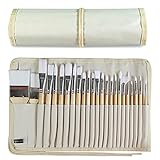
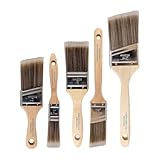
I’ve stood in that aisle, staring at rows of pristine brushes, only to realize it’s Sunday. And the clock has ticked past noon. The existential dread of a DIYer denied their key tools hits hard. So, the question echoes: can I buy a paint brush Sunday blue law? It’s a question born of frustration, of projects stalled mid-stroke, and the sheer annoyance of archaic rules dictating our weekend errands.
Honestly, it’s a crapshoot. Some places are open, some aren’t, and the reasons why are as murky as a poorly mixed primer. You’d think in this day and age, picking up a simple paintbrush wouldn’t be a legislative hurdle, but here we are.
The whole ‘blue law’ thing is a relic, plain and simple. Back in the day, states and municipalities had these laws to enforce religious observance, limiting business hours on Sundays.
Think of it as a forced day of rest, whether you wanted it or not. While many of these laws have been relaxed or repealed entirely, remnants still linger, especially in certain counties or states. This means the answer to ‘can I buy a paint brush Sunday blue law’ is a big, fat ‘it depends.’ It’s not a federal mandate; it’s a patchwork of local ordinances.
So, what you can buy in one town might be a no-go just fifty miles down the road. My first encounter with this was in a small town in Pennsylvania. I needed a specific angled sash brush for some intricate trim work, and every hardware store was shut tighter than a drum.
Drove twenty miles to a larger city and found a Home Depot buzzing like a Saturday. Lesson learned: location, location, location.
Generally, you’ll find that larger retail chains, especially big-box home improvement stores like Home Depot or Lowe’s, are more likely to be open on Sundays, regardless of blue laws. They often have exemptions or have lobbied to be allowed to operate. However, smaller, independent hardware stores or general merchandise stores might still be beholden to stricter regulations.
It’s a bit of a gamble. Sometimes, even if the store is technically open, they might not be permitted to sell certain items, though paint brushes are usually pretty low on the list of restricted goods.
The truly frustrating part is the inconsistency. You might be able to buy a gallon of paint, but not the brush to apply it. It’s enough to make you want to throw your roller out the window.
One time, I was in a particularly conservative county in Oklahoma, and the only place open was a Walmart. They were selling almost everything, but when I went to grab a couple of rollers and a few brushes, the cashier nervously told me they weren’t allowed to sell ‘paint sundries’ on Sundays. I stared at her, then at the brushes, then back at her. It made zero sense. I ended up buying a pack of cheap disposable brushes just to get something in my hands, but it was a clear example of how arbitrarily these laws can be enforced, or at least interpreted by individual stores trying to stay out of trouble.
What Actually Works: Brush Basics for the Weekend Warrior
Alright, let’s talk brushes. If you can buy one on a Sunday, or if you’re planning ahead, what’s worth your hard-earned cash? Forget those multipacks of cheap, plastic-handled monstrosities you see at the dollar store. They shed bristles like a moulting dog, leave streaks you’ll be agonizing over for weeks, and make the actual painting process feel like a wrestling match. I wasted a good chunk of change early on buying those “value packs.” My first big mistake was thinking more brushes meant I was prepared. Nope. It just meant more brushes to clean up or throw away after they’d mangled my paint job. (See Also: Can Acrylic Paint Go In An Air Brush )
For most common household painting tasks – walls, trim, doors – you want a good quality synthetic bristle brush or a natural bristle brush. For water-based paints (latex, acrylic), synthetics are your best bet. They hold their shape, clean up easily, and don’t get waterlogged and splayed out like natural bristles can.
Brands like Purdy and Wooster are the standard for a reason. They’re not cheap, but they’re worth every penny. A decent 2-inch angled sash brush, for instance, will set you back maybe $10-$15, but it will feel like an extension of your hand. It’ll hold paint, lay it down smoothly, and give you crisp, clean lines around trim and edges.
Trust me, the difference between a $3 brush and a $12 brush is night and day. You’ll save time, frustration, and probably end up with a better-looking finish that you’re actually proud of.
For oil-based paints, lacquers, or varnishes, natural bristles (often hog hair) are usually recommended. They tend to be stiffer and can handle thicker, more viscous paints without degrading. However, even with oil-based paints, high-quality synthetic brushes are becoming increasingly popular and effective. Always check the paint can or the brush manufacturer’s recommendations. The key is that the bristles should be flagged – meaning they have tiny split ends. This flagging increases the surface area, allowing the brush to hold more paint and release it more evenly. Cheaper brushes often have blunt-cut bristles, which is why they don’t lay down a smooth coat.
Bristle Type vs. Paint Type: A Simple Guide
| Paint Type | Recommended Bristle | Why | Verdict |
|---|---|---|---|
| Water-based (Latex, Acrylic) | Synthetic (Nylon, Polyester) | Resists water saturation, maintains shape, easy cleanup. | Best Bet – Reliable and versatile. |
| Oil-based (Alkyd, Enamel) | Natural (Hog Hair, Badger) or High-Quality Synthetic | Handles thicker paints, stiffer bristles. Synthetics can work well too. | Natural often preferred, but good synthetics are fine. |
| Stains, Varnishes | Natural (often finer hairs) or High-Quality Synthetic | For smooth, even application of clear coats. | Depends on product viscosity; good synthetics are great. |
Common Paint Brush Blunders (and How to Avoid Them)
I’ve made my fair share of blunders, especially when I was first starting out. One of the most common mistakes, aside from buying garbage brushes, is not cleaning them properly after use. You spend $15 on a good brush, use it for an hour, rinse it under the tap, and shove it back in its sleeve. Big mistake.
If you’re using water-based paint, you need to wash it thoroughly with soap and water until all the paint residue is gone. Work the soap into the bristles, rinse until the water runs clear, and then gently squeeze out the excess water. For oil-based paints, you’ll need a solvent like mineral spirits or paint thinner. This is messy and requires ventilation, but it’s a must if you want to keep your brush.
I once had a beautiful Purdy sash brush completely ruined because I got lazy and didn’t clean it out. It was rock-hard, unusable, and I learned a very expensive lesson about laziness.
Another classic screw-up is using the wrong brush for the job. Trying to paint a large wall with a tiny 1-inch brush is like trying to dig a trench with a spoon. It’s inefficient and leads to terrible results. Conversely, using a big wall brush for intricate trim work will make your lines look fuzzy and unprofessional.
Always match the brush size and shape to the area you’re painting. A 2-2.5 inch angled sash brush is my go-to for trim, doors, and windows. For larger areas like cabinets or furniture, a 2-inch flat brush might work, or even a foam roller.
For walls, a roller is usually faster and more efficient than a brush, but if you must use a brush, a 3-4 inch wide brush designed for walls is best, though I rarely opt for this. (See Also: Can Acrylic Paints Be Used In An Aqua Brush )
People also tend to overload the brush. They dip the whole thing into the paint can, up to the ferrule (that metal part).
This is bad for two reasons: first, you waste a ton of paint, and second, it’s way too much paint for the brush to control, leading to drips and an uneven application. You should only load about a third to half of the bristle length into the paint. Then, when you apply it to the surface, use light, even strokes. Don’t press down hard; let the brush do the work.
And for the love of all that is holy, stop painting in direct sunlight or in extremely humid conditions. The paint dries too fast, leading to brush marks and poor adhesion. Find a cool, shaded spot or paint during the cooler parts of the day.
My Sunday Brush Saga: A Personal (and Slightly Humorous) Tale
It was a Saturday afternoon, and I’d just bought a fixer-upper fixer-upper that desperately needed some love. I had a vision: a crisp, white trim against a deep navy blue wall in the entryway. I’d bought the paint, rollers, trays – everything. Then, Sunday rolled around, and I realized I’d forgotten the most important piece: a decent angled sash brush. I’d seen the blue laws mentioned in passing, but I figured, ‘Come on, it’s just a paintbrush! Surely they sell those.’ I was wrong. Dead wrong.
My town’s only hardware store was closed. Then I tried the local general store – also closed. In my desperation, I drove to the next town over, which was larger and supposedly had fewer blue law restrictions. Nope.
Everything was shuttered tight. By this point, it was late afternoon, the light was fading, and I was getting seriously annoyed. I finally ended up at a Walmart nearly 40 miles away. I remember walking through the paint aisle, grabbing the only decent-looking angled brush I could find – a Wooster I’d paid about $13 for.
The relief was immense, but the journey was ridiculous. It cost me nearly $40 in gas and three hours of my weekend, all for a $13 brush. That’s when I realized the absurdity of the ‘can I buy a paint brush Sunday blue law’ question.
It’s not just about availability; it’s about the principle of the thing.
The actual painting went fine once I had the brush, and the entryway looked great. But the memory of that Sunday hunt for a simple tool stuck with me. It highlighted how these outdated laws can seriously inconvenience DIYers, hobbyists, and even professionals who might need a last-minute item to finish a job. I’ve since learned to always stock up on essentials before the weekend hits, especially if I know I’ll be in an area with stricter blue laws. You live and you learn, usually the hard way.
Practical Tips for Your Weekend Painting Projects
So, you’ve got your paint, you’ve got your tools (hopefully acquired before Sunday!), and you’re ready to go. Here are a few pointers to make the process smoother. First, always buy more paint than you think you’ll need. It’s better to have a little leftover than to run out mid-wall and have to make a frantic trip back to the store, potentially dealing with blue laws again. Plus, you’ll need that extra paint for touch-ups down the line. Trying to perfectly match a paint color and sheen years later is a fool’s errand. (See Also: A Brushes Digital Painting )
Prep work is king. Seriously. Masking off trim, covering floors, and cleaning the surface you’re painting will save you so much time and heartache in the long run. A good quality painter’s tape is worth its weight in gold. Make sure it’s pressed down firmly to prevent paint bleed. Also, don’t skip sanding and priming if the surface requires it. A smooth, clean, and properly primed surface is the foundation for a professional-looking paint job. I once tried to paint over a glossy surface without sanding or priming, and the paint just peeled off like a bad sunburn after a week. That was a messy, frustrating weekend I’d rather forget.
When you’re actually painting, work in sections. Don’t try to paint the entire wall at once.
For walls, use a ‘W’ or ‘M’ pattern with your roller, then fill it in with parallel strokes. For brushes, use long, even strokes and try to maintain a wet edge. This means overlapping your strokes into the still-wet paint from the previous section. This technique helps prevent lap marks, which are those unsightly lines you see where one section of paint has dried before the next section was applied.
This is a tip I picked up from a professional painter I hired years ago, and it’s made a massive difference in the quality of my wall painting. It’s a small change that yields big results.
Frequently Asked Questions About Sunday Paint Brush Shopping
Can I Buy Paint on Sunday?
Generally, yes. While blue laws can affect retail operations, paint itself is often exempt or sold by stores that are permitted to operate on Sundays. Major home improvement stores and large retailers are typically open and selling paint. However, smaller independent stores might be restricted. It’s always best to check the specific store’s hours and policies in your area.
Are Hardware Stores Always Closed on Sundays Due to Blue Laws?
No, not always. Blue laws have been significantly relaxed or repealed in many areas. Many hardware stores, especially larger chains, are open on Sundays. However, in some more conservative or rural areas, or in specific counties, stricter local ordinances might still be in effect, leading to closures or limited operating hours. It’s a regional thing.
What If I Need a Specific Type of Paint Brush on a Sunday?
If you find yourself in a situation where you need a specific brush on a Sunday and are unsure about local laws, your best bet is to try a large, national chain retailer like Home Depot, Lowe’s, or even Walmart. These stores are more likely to have broader operating hours and a wider selection. If those fail, online ordering for delivery on Monday is your next best option, though that doesn’t help for immediate needs.
Are There Any Exceptions to Sunday Blue Laws for Key Items?
In some places, there are exceptions for ‘key’ items, but what constitutes ‘key’ can be subjective and vary by jurisdiction. Paint and paint brushes aren’t typically classified as key in the same way as groceries or medicine. However, exemptions for home improvement stores to operate generally cover a wide range of products, including painting supplies. It’s best to assume they are not ‘key’ for legal purposes and rely on store opening hours rather than potential exemptions.
Verdict
So, the short answer to ‘can I buy a paint brush Sunday blue law’ is: maybe. It depends entirely on where you are and what the local regulations are. My advice? Don’t get caught out. Plan ahead. Stock your toolbox and your paint supply cabinet before the weekend hits. Trust me, the slight inconvenience of a mid-week shopping trip is nothing compared to the frustration of a stalled project on a Sunday afternoon.
If you absolutely must paint on a Sunday, your best bet is usually a big box store in a more populated area. But even then, there’s no absolute guarantee. It’s a weird quirk of local governance that still pops up more often than you’d think. A little foresight can save you a whole lot of hassle and gas money.
Ultimately, the goal is to get your painting done, not to fight with archaic laws. Keep good brushes clean, buy quality tools, and plan your projects around potential shopping restrictions. Happy painting, whenever you manage to get your hands on the right brush.