I remember staring at a blank canvas, a half-baked idea in my head, and a wallet that felt lighter than a feather. “Can I buy painting brush etc in Dollar Tree?”
I muttered to myself, hoping for a miracle. Back then, I was convinced that anything less than name-brand art supplies was a waste of time and paint. Boy, was I wrong.
I’ve blown more money than I care to admit on fancy brushes that shed like a wet poodle or paints that dried out before I even got halfway through my project. It took years of trial and error, and a whole lot of dusty bins in my craft closet, to figure out what’s actually worth your hard-earned cash, especially when you’re just starting or on a tight budget. So, let’s cut to the chase.
The Dollar Tree Art Supply Experiment: Is It Worth It?
Look, nobody’s asking you to paint a masterpiece destined for the Louvre with Dollar Tree brushes. But can you actually get decent art supplies there? The short answer is: sometimes, and with caveats. I’ve walked into Dollar Tree with zero expectations and walked out with a handful of items that have surprisingly held up.
Other times, I’ve grabbed what I thought was a bargain, only to have it fall apart after one use. It’s a gamble, plain and simple. The inventory changes constantly, and what you find one week might be gone the next.
This inconsistency is probably the biggest frustration. You can’t rely on it for a specific project if you need a particular size brush or a specific color of acrylic. It’s more of a ‘serendipity’ kind of shopping experience. You go in, you see what they’ve got, and you adapt.
When I first started painting, I was so intimidated by the prices at art supply stores. A single good brush could cost $20-$30!
I figured if I was just dabbling, I might as well try the dollar store. My first haul included a pack of synthetic brushes, some small canvases, and a few tubes of acrylic paint. I was painting a small landscape, and honestly, the brushes weren’t terrible for laying down broad strokes. The paint was a bit chalky when dry, but for layering or backgrounds, it worked.
The real disappointment came when I tried to do any detail work. The bristles splayed out like a cheap broom, and cleaning them was a nightmare.
They just didn’t hold their shape. That was my first big lesson: Dollar Tree art supplies are often best for bulkier, less precise tasks, or for beginners who are just testing the waters and don’t want to invest a ton of money upfront.
What Exactly Can You Find? A Realistic Inventory
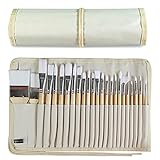
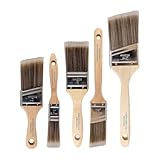
Let’s break down what you’re likely to stumble upon when you ask, ‘can I buy painting brush etc in Dollar Tree?’ The most common items are synthetic paint brushes.
You’ll usually find them in multi-packs, ranging from small detail brushes to larger flat or round ones. They’re generally made from synthetic bristles, which are fine for acrylics and watercolors but can be a bit too stiff or not absorbent enough for oils. (See Also: Can Acrylic Paint Go In An Air Brush )
Sometimes, you’ll even find a stencil brush or a foam brush in the mix. Beyond brushes, there are small canvases, often sold in packs of two or three.
These are usually pre-primed, but the quality of the priming can be hit or miss. Some are thin and prone to warping, while others are surprisingly sturdy for their price. You’ll also see sketchpads, drawing pencils, charcoal sticks, and sometimes even small sets of pastels or colored pencils. The quality here varies wildly.
I’ve found colored pencils that are surprisingly pigmented, and others that feel like colored wax.
Then there are the paints. Acrylics are the most prevalent. They come in small tubes or sometimes larger squeeze bottles. The pigmentation is usually not as strong as artist-grade paints, meaning you might need more coats to achieve the desired color. They can also have a more ‘plastic-y’ finish when dry. Watercolors are less common, often appearing in small, hard pans that don’t re-wet easily. For craft projects or very basic washes, they might suffice. You might also find glitter, craft glue, mod podge alternatives (often labeled as ‘sealant’ or ‘glue’), and various decorative elements. Think glitter glue, sequins, and other embellishments. For mixed media work, these can be useful additions, but again, manage your expectations.
What to Look for in Dollar Tree Brushes
When you’re sifting through the brush packs, here’s what I’ve learned to look for. First, check the bristles. Are they firmly attached?
Give them a gentle tug. If a lot of them pull out, put it back. Next, look at the ferrule – that’s the metal part holding the bristles. Is it crimped tightly to the handle?
A loose ferrule is a sign of poor construction. For synthetic brushes, try to find ones that have a bit of spring to them. When you bend the bristles, they should snap back into place.
If they stay bent, they’ll likely splay out when you’re painting. For detail brushes, look for a fine, sharp point.
Foam brushes are generally okay for applying glues or varnishes, but don’t expect precision.
The Downside: When Dollar Tree Fails Miserably
Let’s be brutally honest: for certain tasks, Dollar Tree supplies are a recipe for disaster. I once tried to paint a portrait using their smallest detail brushes, the ones with the supposedly fine tips. Within minutes, the bristles started to fray, making it impossible to get clean lines. I ended up with a fuzzy mess that looked like it was drawn by a toddler with a crayon.
It was frustrating and a complete waste of time. The paint, too, can be a problem. I used a bright red from Dollar Tree, and after letting it dry, it had a dull, almost matte finish. (See Also: Can Acrylic Paints Be Used In An Aqua Brush )
When I went to add a second coat, the first coat started to reactivate and lift, creating streaks. Artist-grade paints are formulated to layer and dry smoothly; these often aren’t. This is where the cost savings really backfire – you spend more time fixing mistakes or redoing sections because the materials aren’t performing.
My biggest mistake? Buying a large pack of ‘oil painting’ brushes. They were stiff, yes, but the bristles were so uneven and poorly cut that they left chunky marks on the canvas, no matter how I held them. I ended up throwing the whole pack away.
It’s tempting to buy in bulk when it’s so cheap, but if the quality isn’t there, it’s just a pile of junk. Another thing to watch out for is canvases.
Some of the thinner ones can warp significantly when wet paint is applied, especially if you’re using a lot of water with your acrylics or watercolors. You end up with a wavy surface that’s difficult to work on.
It’s a classic case of ‘you get what you pay for,’ and sometimes, you get less than you paid for.
Contrarian Opinion: Why I Still Buy Some Things
Everyone tells you to invest in your tools. And for serious artists, that’s probably true. But for people like me, who are hobbyists, dabblers, or just need a few things for a specific craft project, Dollar Tree can still be a viable option. I disagree that you should never buy art supplies there.
Why? Because not everyone has the budget for professional-grade materials, and sometimes, you just need something functional for a temporary purpose.
I’ve found their foam brushes to be perfectly adequate for applying glue or sealants on projects where brush strokes aren’t important. Their small canvases are also okay for practice pieces or for kids’ art projects. You can buy ten Dollar Tree canvases for the price of one decent medium-sized canvas from an art store. That’s a huge difference for someone just experimenting.
It allows for experimentation without the fear of ruining expensive materials.
Practical Tips for Dollar Tree Art Shopping
If you’re going to try your luck at Dollar Tree for art supplies, go in with a plan, but be flexible. First, always check the items for obvious defects. Wiggle the bristles, inspect the glue on the ferrule, and look for any tears or imperfections on canvases or sketchpads. If you’re buying paint, try to get colors that are opaque or ones you’ll use for underpainting or mixing. Avoid very light or very vibrant colors if you need them to be true to the tube, as they might be significantly less pigmented. For brushes, focus on synthetic options for acrylics and watercolors. If you’re painting with oils, you’ll probably need to spend more for natural bristles or higher-quality synthetics.
Don’t buy more than you need for your current project. If you’re not sure how something will perform, buy just one pack of brushes or one tube of paint to test it out. You can always go back if it works. Consider what you’re using it for. If you’re just trying to cover a large area with a base coat of color, a cheaper brush might be fine. If you’re trying to create delicate highlights or fine lines, you’ll likely be disappointed. Think about cleaning too. Synthetic brushes from Dollar Tree can be harder to clean thoroughly. If you let paint dry in them, they’re pretty much toast. So, commit to cleaning them immediately after use. (See Also: A Brushes Digital Painting )
Dollar Tree vs. Craft Store vs. Art Store: A Quick Comparison
Here’s a rough breakdown of what you can expect:
| Source | Price Range (per item) | Quality Range | Best For | My Verdict |
|---|---|---|---|---|
| Dollar Tree | $1.25 – $5 | Very Low – Moderate | Practice, kids’ crafts, bulk base coats, cheap glue/sealant application | Hit or miss; good for absolute beginners or non-important tasks. |
| Craft Store (e.g., Michaels, Hobby Lobby) | $3 – $30+ | Moderate – Good | Intermediate artists, specific project needs, wider variety of mediums | A good middle ground, especially with coupons. |
| Art Store (e.g., Blick, Utrecht) | $10 – $100+ | Good – Professional | Serious artists, professional work, demanding techniques, specific medium needs | Worth the investment for serious or professional work. |
Common Mistakes to Avoid When Buying Art Supplies Here
The biggest mistake people make is expecting professional-grade results from budget materials. This leads to frustration and a feeling that you’re just not cut out for art. It’s not you; it’s the tools. Another common error is buying large quantities of items without testing them first.
You might think, “Wow, 10 brushes for $12.50!” only to find out they’re all unusable. It’s better to buy one pack, see how it performs, and then decide if you want more. I made this mistake with a set of watercolor pencils.
I bought a big pack, excited about the price, but they were so waxy and hard to blend that I ended up giving them away. Also, don’t be afraid to mix and match. You can buy your brushes at Dollar Tree, but maybe your paints and canvas from a craft store where you can use a coupon.
One more pitfall is trying to use Dollar Tree supplies for advanced techniques. If you’re trying to achieve subtle color blending, delicate glazes, or fine detail work that requires precise brush control, these materials will likely hinder you. Trying to do photorealism with Dollar Tree brushes is like trying to perform surgery with a butter knife – it’s just not designed for it. It’s important to match the tool to the task. If your goal is to experiment, practice basic brush strokes, or add decorative elements to a craft project, then yes, Dollar Tree can be a surprisingly useful resource. But if you’re aiming for serious artistic expression or professional results, you’ll need to invest more.
Faq: Your Burning Questions Answered
Can I Buy Painting Brush Etc in Dollar Tree for Kids’ Crafts?
Absolutely. Dollar Tree is a goldmine for kids’ craft projects. The lower stakes mean less parental panic if a brush gets a bit mangled or paint ends up where it shouldn’t. The variety of colors and craft embellishments they offer is also great for sparking creativity in younger artists. Just supervise to make sure they’re using the items as intended and not trying to eat the glitter glue.
Are the Canvases at Dollar Tree Primed?
Yes, most of the canvases you find at Dollar Tree are advertised as pre-primed. However, the quality of the priming can vary. Some are thinner than you might like, and others might have an inconsistent texture. It’s always a good idea to test a small area of the canvas with your chosen medium or even just water to see how it reacts before committing to a larger piece.
What Kind of Paint Is Best to Use with Dollar Tree Brushes?
Dollar Tree brushes are generally best suited for acrylic paints and watercolors. Their synthetic bristles are usually firm enough to handle the slightly thicker consistency of acrylics without splaying too much, and they can work for basic watercolor washes. For oil paints, you’ll likely find them to be too soft or not well-formed enough for the typical techniques used with oils.
Can I Use Dollar Tree Art Supplies for Professional Work?
It’s highly unlikely that Dollar Tree art supplies will meet the standards for professional work. While they can be useful for practice or certain preparatory tasks, professional artists typically require materials with higher pigment load, better lightfastness, superior brush performance, and greater durability. Relying solely on Dollar Tree supplies for a professional project would be a significant risk.
How Do I Clean Dollar Tree Brushes to Make Them Last Longer?
The key to making any brush last, including those from Dollar Tree, is immediate and thorough cleaning. For acrylics, rinse under warm water and gently work out the paint with your fingers or a brush cleaning soap until the water runs clear. For watercolors, a simple rinse should suffice. Avoid letting paint dry in the bristles, as this will ruin them permanently, regardless of where they were purchased.
Final Thoughts
So, to circle back to the original question: can I buy painting brush etc in Dollar Tree? Yes, you can, and sometimes it’s a smart move. Just remember to temper your expectations. Think of it as a place to grab supplies for a quick craft, a kid’s project, or for practicing techniques you don’t want to risk on expensive canvases. Don’t expect miracles, but don’t rule out the possibility of finding a hidden gem.
My advice? If you’re just starting out or feeling the pinch, give it a shot. Grab a multi-pack of synthetic brushes and a few tubes of acrylic. See what happens. But if you’re working on something important or need reliable performance, be prepared to spend a little more at a dedicated art or craft store. It’s all about matching your needs to what’s available and what you’re willing to invest.
Ultimately, the best way to know is to go see for yourself. Just don’t be surprised if you find yourself eyeing those cheap canvases with a mix of hope and skepticism.