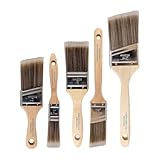
I remember staring at a greasy carburetor, a whole afternoon wasted. I’d seen plenty of fancy detailing brushes online, all promising miracles. So, I grabbed a stiff-bristled paint brush from the garage, thinking, ‘How different can it be?’ Turns out, pretty different. That was the day I learned that while the answer to ‘can I clean auto parts with a paint brush?’ is technically yes, it’s usually a terrible idea.
Let’s cut to the chase: most of the time, you’re better off using tools actually designed for the job. But there are nuances. We’ll get into why that cheap paintbrush might just make things worse, what you should be using instead, and when, in a pinch, a paint brush might actually save your bacon (barely).
The Truth About Bristles: Why Your Paint Brush Isn’t Ideal
Look, I’ve been there. You’ve got a stubborn patch of grime on an engine block, or maybe some baked-on oil on a brake caliper. Your mind immediately goes to the cheapest, most accessible tool: a paint brush. And yeah, you can technically move some of that grime around with a paint brush. But that’s about the extent of its usefulness. Most common paint brushes, especially the cheaper ones, have bristles that are either too soft, too stiff, or made of materials that can degrade when exposed to the aggressive solvents and degreasers we often use on car parts.
Think about it. Those synthetic bristles on a cheap hardware store brush? They can melt or become brittle when they hit brake cleaner. The natural bristles? They can swell up and lose their shape, becoming even less effective and potentially shedding bits of themselves onto your clean parts. This is a nightmare when you’re working on delicate components or in tight spaces where loose bristles can get lodged. I once tried cleaning a distributor cap with a stiff-bristled paintbrush, and within minutes, I had a mess of frayed bristles and the plastic felt like it was starting to soften. It was a total disaster that cost me more time to clean up than the initial grease job.
The real issue is the combination of bristle material, bristle density, and bristle stiffness. Auto parts cleaning brushes are designed with specific materials – often nylon, polypropylene, or even brass for tougher jobs – that can withstand chemicals and have the right flex and firmness to dislodge dirt without damaging surfaces.
They also tend to have denser bristle packs, meaning more bristles are working at once to scrub, rather than just pushing dirt around. So, while you can use a paint brush, you’re fighting an uphill battle against materials not suited for the task. This often leads to more scrubbing, more product usage, and ultimately, a less satisfactory clean. It’s like trying to hammer a nail with a screwdriver – it might work in a pinch, but you’re not doing it efficiently or correctly.
When a Paint Brush might Sneak by (but Don’t Count on It)
Alright, let’s talk about the exceptions. Because I’m not going to lie, I’ve used paint brushes in ways they were never intended, and sometimes, it kind of worked. If you’re talking about very light dust removal from something like a plastic interior trim piece, or gently applying a protectant to a rubber seal where there’s no real scrubbing involved, a soft-bristled paint brush might do the trick. Imagine you’ve just wiped down your dashboard and there’s a faint film of dust on the air vent louvers. A clean, soft paintbrush can gently coax that dust out without scratching. That’s one of those little tricks that feels like a win.
Another scenario is using a dry, clean paintbrush for dusting off delicate electronic connectors before applying any contact cleaner. The key here is ‘dry’ and ‘clean’. You’re not scrubbing, just displacing loose particles. I’ve done this on old car stereos and even inside fuse boxes. The goal is to avoid pushing debris deeper into the connector pins.
However, these are rare exceptions. The moment you introduce moisture, chemicals, or any real force, the paint brush starts to fail. If you’re trying to clean off grease, oil, or road grime, a paint brush is woefully inadequate. (See Also: Can Acrylic Paint Go In An Air Brush )
It’s like trying to wash a car with a single sponge. You’ll spread the dirt around more than you remove it.
The common advice you’ll find online often glosses over the real effectiveness, focusing on the mere possibility. For instance, people might say you can clean engine bays with brushes, and yes, a paint brush can reach some spots, but it won’t lift heavy grease. You’ll end up using excessive amounts of degreaser and still not get a deep clean.
My own experience cleaning a vintage motorcycle engine showed me this clearly. I spent hours with a paint brush and a degreaser, only to have to go back later with a proper detail brush kit to actually get the dirt out from under the cooling fins. That was a hard lesson in tool selection.
What to Use Instead: Brushes That Actually Work
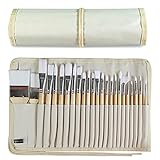
So, if a paint brush is mostly a bad idea, what should you be reaching for? The answer is a dedicated set of automotive detailing brushes. These aren’t some fancy, overpriced gadgets. They are purpose-built tools that make the job infinitely easier and more effective. I’ve got a collection that I’ve accumulated over the years, and honestly, I wish I’d bought them sooner. They range from super soft detailing brushes for paintwork and interior surfaces to stiffer, more solid brushes for engine bays and wheel wells.
For general-purpose cleaning of components like carburetors, brake assemblies, or even just stubborn grime on suspension parts, a set with various stiffnesses is your best bet. I like brushes with polypropylene or nylon bristles. They hold up well to chemicals and have enough flex to get into nooks and crannies without scratching or degrading. Brass-bristle brushes are also useful for really tough, baked-on carbon deposits, but you have to be careful because they can be abrasive on softer metals or painted surfaces.
The best value I’ve found is usually a multi-piece kit. You can often pick up a set of 5-10 brushes in different sizes and stiffnesses for around $20-$40. That might sound like a lot compared to a $2 paint brush, but consider the longevity and effectiveness. These brushes will last you years if you take care of them, and they’ll actually get the job done.
I’ve seen people try to use old toothbrushes, which are slightly better than a paint brush but still not ideal due to their small size and often too-stiff bristles. A proper set of detailing brushes is an investment that pays off in time saved and a cleaner end result. For example, I used to struggle with cleaning intricate wheel spokes, but a set of long-handled, tapered detailing brushes made it a breeze.
They could reach deep into the barrels and around the lug nuts without any issue. (See Also: Can Acrylic Paints Be Used In An Aqua Brush )
| Tool | Pros | Cons | Verdict |
|---|---|---|---|
| Paint Brush (Hardware Store) | Cheap, readily available, can reach some tight spots for light dusting. | Bristles degrade with chemicals, not stiff enough for grime, sheds bristles, can scratch. | Barely acceptable for very light, dry dusting only. Waste of time for actual cleaning. |
| Toothbrush | Cheap, accessible, slightly better stiffness than some paint brushes. | Small size limits coverage, bristles can be too stiff and scratch, limited chemical resistance. | Better than a paint brush for small areas, but still not great. |
| Automotive Detailing Brush Set (Nylon/Polypropylene) | Designed for chemicals, durable, various sizes and stiffnesses, effective at lifting grime. | Higher initial cost than a single paint brush. | Highly recommended. The best tool for the job, saves time and effort. |
| Brass Bristle Brush | Excellent for stubborn carbon deposits and heavy rust. | Can be too abrasive for delicate surfaces, requires careful use. | Situational use only, for heavy-duty cleaning where appearance isn’t most important. |
Practical Tips for Cleaning Auto Parts Effectively
Alright, so you’ve decided to ditch the paint brush and invest in some proper tools. Great! Now, how do you actually use them effectively? The first thing is to pair the right brush with the right cleaning solution. For greasy engine parts, you’ll want a stiff-to-medium bristled brush and a good quality degreaser. Spray it on, let it dwell for a few minutes (check the product label for dwell times – don’t let it dry!), then go to town with your brush. Work in sections, agitating the grime until it starts to break down. Rinse thoroughly with water or use a pressure washer on a low setting if appropriate for the part.
For cleaning brake calipers and wheels, which can have brake dust baked on, you might need a stiffer brush or even a specialized wheel brush. Brake dust is abrasive and tough. Again, a good wheel cleaner applied according to instructions, followed by vigorous brushing, is key. I find that a brush with a slightly longer handle is helpful here to get behind the spokes.
When dealing with delicate surfaces like painted engine components or plastic housings, always opt for softer bristles and milder cleaners. An all-purpose cleaner (APC) diluted appropriately, or even a car wash soap, can work wonders. The goal is to lift the dirt without marring the surface. For intricate areas, like the fins on an aluminum manifold, a smaller, finer detail brush is perfect. You can use it to gently coax out dust and grime that a larger brush would miss.
A word of caution: always test your cleaner and brush combination on an inconspicuous area first, especially on painted or anodized parts. Some chemicals can react unexpectedly. And never, ever let your cleaning solutions dry on the part. This can leave spots and stains that are even harder to remove than the original dirt. I once made the mistake of letting brake cleaner dry on an aluminum wheel, and it left a dull, chalky residue that took hours of polishing to fix. Lesson learned: keep it wet, scrub it, then rinse it.
When a Paint Brush really Isn’t an Option
There are certain situations where even thinking about using a paint brush is a recipe for disaster. These are jobs where precision, material integrity, and the prevention of damage are most important. Consider cleaning fuel injectors. These are incredibly delicate and precise components. Any foreign debris, especially bristle fragments, getting lodged inside can ruin the spray pattern and lead to engine misfires. You need specialized cleaning kits for injectors, not household brushes. The internal passages are tiny, and the spray holes are microscopic. A paint brush would be like bringing a sledgehammer to a watch repair.
Another example is cleaning sensitive electronic components, like a Mass Airflow (MAF) sensor. MAF sensors have a very fine wire or film element that measures airflow. It’s extremely fragile. You can buy specialized MAF sensor cleaner spray and that’s it. No brushing, no wiping, nothing. Even the softest paint brush bristles could easily bend or break that delicate sensing element, rendering the sensor useless and leaving you with a check engine light and a hefty replacement bill. I’ve seen mechanics swear by using compressed air for this, but even then, it’s from a safe distance and done with extreme care. Trying to scrub it with anything, let alone a paint brush, is just asking for trouble.
Furthermore, when working with high-performance or antique vehicle parts, the materials can be exotic or highly susceptible to damage. For instance, cleaning carbon fiber components or polished aluminum requires extreme care. A stray bristle from a paint brush could easily scratch the clear coat on carbon fiber or leave an unsightly mark on polished aluminum. For these high-value or sensitive items, investing in the correct, purpose-made detailing tools is not just a good idea; it’s a necessity. It’s about respecting the materials and the engineering that went into the part. Using the wrong tool, like a paint brush, is a false economy that can end up costing you far more in repairs or replacements than you ever saved.
People Also Ask:
Can I Use a Toothbrush to Clean Car Parts?
A toothbrush is marginally better than a paint brush for very small, intricate areas due to its slightly stiffer bristles, but it’s still not ideal for most auto parts cleaning. The bristles can be too stiff and scratch delicate surfaces, and the small size limits its effectiveness for larger areas. They also don’t hold up well to harsh automotive chemicals. While you might use one in a pinch for a tiny spot, a dedicated detailing brush will always yield better results and is less likely to cause damage. (See Also: A Brushes Digital Painting )
What Is the Best Brush for Cleaning Car Engines?
For car engines, you’ll want a set of brushes with varying stiffness, often made of durable nylon or polypropylene. Medium-stiff brushes are good for general degreasing and scrubbing grime off metal parts. Softer brushes are better for painted engine covers or more delicate components. For really stubborn carbon buildup, a brass-bristle brush can be effective, but use it with caution to avoid scratching.
Can I Clean Car Parts with Brake Cleaner and a Brush?
Yes, you can use brake cleaner and a brush together, but you need to use the right kind of brush. Brake cleaner is aggressive and can degrade many common paint brush materials. A brush made of nylon, polypropylene, or specifically designed for automotive use will withstand brake cleaner much better. Always make sure the brush material is compatible with the cleaner you are using to avoid bristle damage or shedding.
Should I Use a Wire Brush on Car Parts?
Wire brushes, especially steel ones, should be used with extreme caution and only on specific parts where corrosion or heavy rust is the primary issue, like unpainted cast iron or heavily rusted bolts. For most painted, aluminum, or delicate automotive components, a wire brush is too aggressive and will cause significant scratching and damage. Nylon or brass brushes are generally safer alternatives for most tasks.
The Faq Section
Can I Clean Auto Parts with a Paint Brush for Light Dusting?
For extremely light dusting on non-important surfaces, a clean, dry, soft-bristled paint brush might suffice. Think of it as a slightly less effective alternative to a dusting wand for interior vents or dashboards. However, the moment you introduce any moisture, cleaning solutions, or need to scrub, its effectiveness plummets, and the risk of damage increases.
Will Paint Brush Bristles Dissolve in Degreaser?
Cheap synthetic paint brush bristles can indeed soften, melt, or degrade when exposed to harsh automotive degreasers and solvents. Natural bristles might swell and lose their shape. This compromises their cleaning ability and can lead to bristles breaking off and contaminating your parts, creating more of a mess than you started with.
Is There a Specific Type of Paint Brush for Automotive Cleaning?
No, there isn’t a specific ‘paint brush’ designed for automotive cleaning in the hardware store sense. What you’re looking for are dedicated automotive detailing brushes, which are made from materials and designed with bristle densities suited for the specific demands of car cleaning, chemical resistance, and various surface types. They are fundamentally different from standard paint brushes.
When Is a Paint Brush the absolute Worst Tool for Cleaning Auto Parts?
A paint brush is the absolute worst tool when dealing with sensitive electronics, delicate fuel system components, or any part requiring precise cleaning without the risk of contamination or damage. Trying to clean fuel injectors, MAF sensors, or intricate electrical connectors with a paint brush is a guaranteed way to cause costly damage and potential failure.
Final Verdict
So, can I clean auto parts with a paint brush? Yes, technically. But is it a good idea? Almost never. You’re far more likely to create more work for yourself or even damage a part than you are to achieve a satisfactory clean. The few situations where it might be acceptable are so minor they barely warrant mentioning, and even then, a proper detailing brush is usually better.
Invest a little upfront in a decent set of automotive detailing brushes. They’re designed for the job, they’ll last, and they’ll save you a ton of frustration. Your parts will thank you, and you’ll actually get them clean without compromising their integrity or spending double the time. Think of it as buying the right tool for the right job – a concept that’s always served me well in the garage.
The next time you’re facing a greasy mess, resist the urge to grab that old paint brush. Reach for the dedicated tools, and you’ll see the difference immediately. What’s the one auto part you’ve struggled to clean effectively?