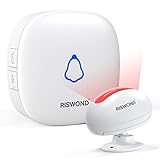
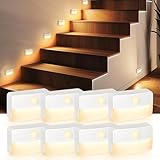
Frankly, I wasted a solid $150 on a fancy motion sensor system last year. It promised to cover my entire driveway and front porch, a total of three lights, and instead, it flickered like a dying firefly half the time. It was supposed to be plug-and-play, but the setup manual looked like a hieroglyphic translation guide. I was so frustrated, ready to just chuck the whole thing in the bin.
So, can I control 3 outside lights with one motion sensor? The short answer is: yeah, probably, but it’s not always as simple as slapping one box on the wall and expecting miracles. It depends entirely on the bulbs, the sensor, and how you wire it all up.
Many folks just grab the first smart sensor they see at the hardware store, assuming it’ll magically sync with every bulb they own. That’s a recipe for disappointment, believe me.
The Big Question: Can I Control 3 Outside Lights with One Motion Sensor?
Look, the tech is there. You absolutely can connect multiple lights to a single motion sensor, and it’s a pretty common setup for security and convenience. Think about it: you walk into your yard, and bam, the whole path lights up. No fumbling for switches in the dark. But here’s where the marketing fluff hits the fan. It’s not always as straightforward as just pairing one device to three others like some kind of Bluetooth speaker.
The real hurdle isn’t the sensor’s ability to detect motion; it’s the wiring, the power draw, and the type of lights you’re trying to control. Are they old-school incandescent bulbs? Are they low-wattage LEDs? Are they smart bulbs that *already* have their own wireless communication? These details drastically change the answer to ‘can I control 3 outside lights with one motion sensor’.
Wiring: The Unsung Hero (or Villain)
This is where I made my first major screw-up. I assumed any motion sensor would just, you know, ‘power’ the lights. Wrong. Most standard outdoor motion sensor lights are actually integrated units. The sensor and the light are one piece. If you want to control separate lights with *one* sensor, you’re usually talking about a different kind of setup. You’re often looking at a standalone motion sensor switch that replaces your existing light switch, or a system designed for multiple fixtures.
My own ordeal involved trying to use a single sensor unit designed for one floodlight to trigger two separate porch lamps. It sounded simple enough. I wired it up, expecting both lamps to come on. Nothing. The sensor dutifully switched the *one* floodlight it was meant for, but the other two? Stone cold dead. I spent an entire Saturday wrestling with wires, feeling like I was trying to teach a goldfish to ride a bicycle. The instruction manual was useless, and the support line just kept repeating generic troubleshooting steps that didn’t apply. That’s when I learned you can’t just assume compatibility.
What Actually Works (and What Doesn’t)
Honestly, my biggest mistake was thinking I could jury-rig a system meant for one light to handle three. It’s like trying to power a whole house with a AA battery. You need to match the sensor’s capacity to the load it’s supposed to handle. (See Also: Will The Xbox One Be Compatible With 360 Motion Sensor )
Integrated Units: These are the most common. The sensor is built into the light fixture itself. You can’t typically use these to control *other* lights. They’re for that one specific fixture.
Standalone Sensor Switches: These replace your existing wall switch. They detect motion and then send a signal to turn on the connected lights. This is your best bet for controlling multiple lights from one sensor, provided the switch is rated for the total wattage of the three bulbs you want to control. Think of it like a master switch for your outdoor lighting zone. I finally figured this out after looking at schematics that made my head spin, but understanding that the switch is the ‘brain’ makes it click.
Smart Home Systems: If you’re going the smart bulb route, then yes, one motion sensor (often a hub or a dedicated smart sensor) can absolutely control three or more smart lights. They communicate wirelessly. This is a bit more involved upfront, with app setup and all that jazz, but offers the most flexibility. I’ve seen folks set up their entire patio with just one smart sensor, and it works like a charm. The little blinking lights on the hub feel like a secret code sometimes, but once it’s going, it’s pretty slick.
Power Draw and Bulb Types: The Devil’s in the Details
This is where things get technical, and honestly, why most people just buy a multi-pack of motion-activated lights. If you’re trying to control three standard outdoor floodlights (say, 100 watts each), that’s a 300-watt load. You need a motion sensor switch that can handle at least that much, preferably with a bit of headroom. Many basic sensors are only rated for 100-150 watts total. You’ll blow a fuse, fry the sensor, or just have dim, pathetic lighting if you overload it.
My neighbor, bless his heart, tried to run three of those old, power-hungry halogen work lamps off a single sensor he found at a flea market. The thing lasted maybe two days before it started smelling like burnt plastic. The sensor itself looked like a shriveled raisin after that. It’s a fire hazard, frankly. According to the National Electrical Code (NEC), proper load calculation is key to preventing overheating and fire risks, and that applies just as much to your porch as it does to your main breaker box.
LEDs are a different story, thankfully. They sip power. Three 15-watt LED bulbs still only draw 45 watts total. So, if you’re upgrading to LEDs, your existing wiring and a decent standalone sensor switch are much more likely to handle the load without any drama. This is why everyone bangs on about LED efficiency; it’s not just about saving money on your bill, it’s about what you can actually *do* with your electrical setup.
| Light Type | Typical Wattage (per bulb) | Total Load (3 bulbs) | Sensor Compatibility Notes | My Opinion |
|---|---|---|---|---|
| Incandescent Floodlight | 75-150W | 225-450W | Requires high-wattage rated sensor switch. Many standard ones won’t work. | Avoid if possible. Power hogs and not worth the hassle. |
| Halogen Work Lamp | 500W+ | 1500W+ | Needs a heavy-duty, commercial-grade timer or relay. Standard sensors are a non-starter. | Absolutely not. Fire hazard waiting to happen. |
| Standard LED Security Light | 10-30W | 30-90W | Most standalone sensor switches can handle this easily. Smart bulbs work wirelessly. | This is the sweet spot. Easy to manage, efficient. |
| Smart LED Bulb | 5-15W | 15-45W | Works wirelessly through a smart hub or compatible smart sensor. No direct wiring to the sensor. | Best for flexibility, but requires a smart home ecosystem. |
Smart Home Integration: The Modern Solution
If you’re asking ‘can I control 3 outside lights with one motion sensor’ and you’re not already deep into smart home tech, it might feel like overkill. But honestly, it’s often the cleanest, most reliable way to achieve this. Companies like Philips Hue, Wyze, or even your Google Home/Amazon Echo systems have motion sensors that can trigger multiple smart lights simultaneously. (See Also: Why Is Motion Sensor Not Working )
You buy a smart motion sensor (which is usually small and battery-powered, sticking anywhere you want), and then you link your smart bulbs to it through the app. The sensor detects movement, sends a signal to your Wi-Fi network or hub, and the hub tells the bulbs to turn on. It’s a digital handshake, not a direct electrical connection. The sensor itself doesn’t ‘power’ the lights; it just tells them to turn on. This means you can have three completely separate light fixtures, each with a smart bulb, all reacting to one sensor.
I remember my first smart home setup. It felt like I needed a degree in computer science. Pairing devices, creating routines, figuring out why my porch light turned on at 3 AM when a squirrel ran past the garage sensor… it was a learning curve. But once you get it dialed in, it’s incredibly satisfying. The sheer granularity you get – setting schedules, adjusting sensitivity, linking different sensors to different groups of lights – makes it worth the initial headache. Plus, the app interface feels like you’re controlling a spaceship, which is kind of cool.
Considering Wireless Options
This ties into the smart home discussion, but it’s worth calling out separately. Many modern outdoor motion sensor solutions are wireless. This doesn’t always mean ‘no wiring’ for the lights themselves (unless you’re using battery-powered ones), but the *sensor* might communicate wirelessly with the light fixture or a receiver unit.
Some systems use a dedicated wireless receiver that you wire into your existing outdoor lighting circuit, and then the wireless sensor communicates with that receiver. Others are entirely battery-operated sensors that trigger existing smart bulbs. The appeal here is placement flexibility. You aren’t tethered to where your existing wiring goes for the sensor itself. You can put it on a fence post, a tree, or under the eaves where it gets the best coverage, without needing an electrician to run new wires just for the sensor.
I tested a battery-powered wireless sensor system last fall, and the battery lasted a solid six months before I even got a low-power warning. The lights it controlled were standard LED fixtures I’d wired in myself years ago. It was a simple plug-and-play sensor replacement that made the whole setup feel ‘smart’ without tearing into the house wiring. The subtle click of the relay inside the receiver box when it triggered was a satisfying sound, like a tiny mechanical confirmation.
Faq Section
Can I Use a Single Motion Sensor to Control Three Separate Light Fixtures?
Yes, you generally can, but it depends on the type of sensor and the lights. For traditional wired fixtures, you’ll need a standalone motion sensor switch rated for the total wattage of all three lights. For smart bulbs, a single smart motion sensor can trigger multiple bulbs wirelessly through a smart home hub or app.
What Is the Maximum Number of Lights a Motion Sensor Can Control?
There’s no single answer. For integrated units (sensor built into the light), it’s usually just one. For standalone sensor switches, the limit is determined by the sensor’s wattage rating versus the total wattage of the connected lights. Smart systems are generally limited by your Wi-Fi or hub’s capacity, allowing for many devices. (See Also: Why Is My Motion Sensor Led Flood Not Turn Off )
Do I Need an Electrician to Install a Motion Sensor for Three Lights?
If you’re replacing an existing switch with a compatible sensor switch and are comfortable with basic electrical wiring (turning off power at the breaker, connecting wires), you might be able to do it yourself. However, if you’re running new wiring, dealing with complex systems, or unsure at any point, it’s always safer and recommended to hire a qualified electrician.
Are There Wireless Motion Sensors That Can Control Wired Outdoor Lights?
Yes, many systems offer this. You can get wireless sensors that communicate with a receiver unit wired into your lighting circuit. This allows you to place the sensor in an optimal location without needing to run wires to it, while still controlling your existing wired fixtures.
What Are the Advantages of Using Smart Bulbs with a Motion Sensor?
Smart bulbs offer immense flexibility. A single smart motion sensor can control multiple smart bulbs wirelessly. You can often program specific on/off times, adjust brightness, and even integrate them with other smart home devices, all managed through an app, without complex wiring to the sensor itself.
Final Thoughts
So, to circle back to your original question: can I control 3 outside lights with one motion sensor? The answer is a resounding ‘yes, but pay attention to the details.’ Don’t just grab the first thing you see. Figure out your bulbs, understand the wattage, and decide if you want a simple wired switch or a more flexible smart home setup. My own journey involved a lot of head-scratching and a few questionable wiring attempts, but getting it right means you’ve got reliable light whenever you need it.
Honestly, if you’ve got older, high-wattage incandescent bulbs, you might find it’s just easier and safer to swap them for LEDs and then use a modern, appropriately rated sensor. It’s less hassle than trying to force incompatible tech to work.
Thinking about your specific setup is the first step to avoiding the kind of wasted money and frustration I went through. Just be smart about the components you choose.
Recommended Products