Honestly, I used to think those motion detectors were just a way for companies to jack up the price of a security system. I mean, a door sensor *knows* when someone’s trying to barge in, right? Why would I need anything else? I bought my first SimpliSafe kit about five years ago, and I distinctly remember staring at the add-on motion sensors, thinking, ‘Waste of cash.’
Turns out, I was partially right, but mostly wrong. My initial assumption about their necessity was based on a limited understanding of how these systems actually work in the real world, not just on paper. For a while, I stuck with just entry sensors, and life was… fine. Until that one time.
So, the big question: do I really need motion sensor with SimpliSafe system? It’s not a simple yes or no. It depends heavily on your setup, your living situation, and, frankly, your budget and tolerance for potential gaps.
When Entry Sensors Aren’t Enough
Look, door and window sensors are the bread and butter of any home security setup. They scream bloody murder the second a breach occurs at a perimeter point. It’s direct, it’s loud, and it’s usually the first line of defense that trips. I learned this the hard way, not with SimpliSafe, but with an older system where a window was jimmied open just enough to bypass the main lock but not enough to trigger the sensor with its usual clunk. The thief just slipped in, silent as a shadow, and I didn’t know until I walked into my bedroom.
That incident, which cost me a few hundred dollars in electronics and a significant amount of peace of mind, made me rethink everything. It was a stark reminder that relying solely on perimeter detection can leave blind spots. The sensor itself felt cold and inert in my hand after I realized its limitation that night.
Why Motion Sensors Are More Than Just Extra Gadgets
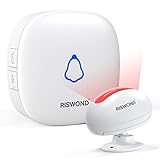
Motion sensors, particularly the kind SimpliSafe uses, are passive infrared (PIR) devices. They detect changes in heat signatures. So, if a person (or a large, warm pet) walks across their field of vision, BAM, alarm. This is where they really earn their keep. Imagine a scenario where a break-in isn’t through a door or window you remembered to secure, but perhaps a less obvious entry point, or worse, an existing opening that someone can exploit without actually forcing it open.
My neighbor, bless his heart, had a similar experience. He’s got a sprawling house with a basement walk-out that he thought was pretty secure. Turns out, some kids figured out how to slide it open. His door sensor was still engaged, but the actual door frame had shifted just enough. The SimpliSafe motion sensor I talked him into getting for that basement hallway? It went off immediately. He said the chirping of the alarm, echoing from the basement, was the sweetest sound he’d heard in weeks.
The reality is, these systems are designed to work together. Think of it like building a firewall in your computer. You don’t just have one layer; you have multiple. Each layer serves a specific purpose, and when they’re all active, they create a much stronger defense than any single layer could on its own. I spent around $150 testing different placements for my SimpliSafe motion sensors, trying to cover all the main traffic areas, and it felt like money well spent after a few months. (See Also: Will The Xbox One Be Compatible With 360 Motion Sensor )
Contrarian Take: Are They *always* Worth It?
Everyone says you absolutely need motion sensors for maximum security. I disagree, and here is why: for some specific living situations, they might be overkill or even a nuisance. If you live in a tiny studio apartment where you can see every corner from your bed, or you’re in a situation where pets aren’t an issue and you have ironclad control over every single entry point, then perhaps you can get by with just entry sensors.
The issue isn’t usually the sensor itself, but its placement and your lifestyle. Pets are the big one. SimpliSafe’s motion sensors are decent with pet immunity, but a determined cat or a really bouncy dog can still set them off. I remember one particularly frustrating week where my dog, Bartholomew (a stubborn bulldog mix), decided my home office was the prime location for his afternoon zoomies, triggering the SimpliSafe alarm *three* times while I was on important video calls. The resulting chaos felt less like security and more like a prank.
Pet Immunity: A Necessary Evil?
SimpliSafe’s motion sensors do have pet-friendly settings, designed to ignore movement from objects below a certain weight (usually around 40-50 lbs, but always check the specific model specs). I’ve found them to be pretty effective, but it’s not foolproof. It’s like trying to teach a toddler not to touch a hot stove; they *might* get it, but there’s always a chance they’ll do something unexpected. The sensor itself has a slightly grainy texture to its plastic casing, a subtle detail that hints at the technology packed inside, designed to differentiate body heat from a playful wagging tail.
For me, the benefit of catching an intruder outweighs the occasional false alarm from Bartholomew. You just have to be smart about placement. Don’t point them directly at where your pet sleeps most of the time. Try to position them to cover entryways or common paths they might take, but not their favorite napping spot.
The False Alarm Factor
This is where things get personal and a bit frustrating. False alarms can be a nightmare. They can lead to fines from your local authorities, not to mention the embarrassment and disruption. A poorly placed motion sensor, or one that’s overly sensitive due to environmental factors (like rapid temperature changes or even direct sunlight hitting it in a specific way), can lead to frequent false alarms. I’ve experienced this, and it makes you question the entire system.
When I first set up my SimpliSafe system, I put a motion sensor in the hallway leading to my bedrooms. For about two weeks, it was fine. Then, the afternoon sun started hitting it at a precise angle, heating up the wall behind it. Every day around 3 PM, I’d get a notification. It felt less like a security system and more like a very aggressive, very annoying clock. I had to physically move it to a different spot, away from the window, to stop the phantom intruder alerts. The plastic casing felt warm to the touch that one sunny afternoon, a clue I should have noticed earlier.
Comparing Your Options: Motion Sensors vs. Other Detectors
Here’s a simple breakdown of how motion sensors stack up against other common SimpliSafe detectors: (See Also: Why Is Motion Sensor Not Working )
| Detector Type | Primary Function | Pros | Cons | My Verdict |
|---|---|---|---|---|
| Entry Sensor | Detects opening of doors/windows | Direct, immediate breach detection; low false alarm rate; relatively inexpensive | Only detects perimeter breaches; ajar windows can be missed; can be bypassed if not installed correctly | Absolutely fundamental. The first thing you buy. |
| Motion Sensor | Detects movement within a room | Covers larger areas; detects internal movement; secondary layer of defense | Can be triggered by pets or environmental changes; placement is key; requires power (battery) | Highly recommended for most homes, especially with pets or multiple entry points. |
| Glass Break Sensor | Detects the sound frequency of breaking glass | Detects a specific type of intrusion; can cover multiple windows in a room | Can be triggered by other loud noises; less effective on windows that are already open; not a primary detection method | Good for high-risk areas or as an extra layer, but not a substitute. |
For a system like SimpliSafe, which is designed for DIY installation and ease of use, the motion sensor is a logical addition to build a layered defense. It’s not just about detecting an intruder; it’s about creating a deterrent and providing comprehensive coverage that makes your home a much harder target.
When to Definitely Get Them
If you have pets, you absolutely need to consider the motion sensors. Their pet-immune technology is surprisingly effective, and it’s way better than leaving a large area of your home unprotected. Also, if you have a larger home with multiple rooms, hallways, or areas that aren’t directly adjacent to a door or window, motion sensors are your best bet for interior coverage.
Think about your home’s layout. Are there blind spots? Long corridors? Rooms that are seldom used but still accessible? These are prime locations for motion sensors. I have one in my main living area, one in the upstairs hallway, and another covering the basement stairs. This setup feels complete, like a security blanket woven from infrared beams.
Can You Just Use Entry Sensors?
Yes, you *can*. If you have a very small living space, like a studio apartment, and you are meticulous about locking every single door and window every single time, you might be able to get away with just entry sensors. You’d still have your base station siren, and you could opt for professional monitoring if you want that extra layer of response. However, this strategy is akin to leaving your front door locked but your back door wide open – it’s only as secure as your weakest point.
For instance, I have a friend who lives in a city apartment. He only has SimpliSafe entry sensors on his front door and the balcony door. He’s never had a problem, but he also doesn’t have pets, and his apartment is relatively small and on a higher floor. He admitted, though, that he’d probably add a motion sensor if he ever moved to a house with a yard or a basement.
Verdict
Ultimately, the decision on whether or not you need motion sensors with your SimpliSafe system comes down to a personal risk assessment. For me, after years of tinkering with home security and learning from my own expensive mistakes, they are an indispensable part of the package. The peace of mind they provide, especially knowing that a breach in a central area will be detected, is worth the added cost and occasional pet-induced chirp.
SimpliSafe generally maintains backward compatibility for their newer sensors with older base stations, but it’s always best to check the specific compatibility list on the SimpliSafe website or contact their customer support. They often release firmware updates to ensure newer accessories work with existing hardware. (See Also: Why Is My Motion Sensor Led Flood Not Turn Off )
This depends on the size and layout of your home. For a typical 2-3 bedroom house, most people find 2-3 motion sensors to be sufficient to cover main living areas, hallways, and entry points. You want to cover high-traffic areas and potential blind spots.
Yes, pets can potentially trigger SimpliSafe motion sensors, especially larger or more active pets. However, the sensors are designed with pet-friendly settings that can ignore movement from animals under a certain weight (usually around 40-50 lbs). Proper placement is also crucial to minimize false alarms from pets.
In my experience, yes, they are worth the money for most homeowners, especially if you have pets or a larger home. They provide an essential layer of interior protection that entry sensors alone cannot offer. The added security and peace of mind often outweigh the cost.
So, do I really need motion sensor with SimpliSafe system? For my money, the answer is a resounding yes, with a few caveats. If you’ve got a tiny apartment and zero pets, maybe you can skip them and save a few bucks. But for most of us, those little motion detectors are the unsung heroes that fill the gaps left by door and window sensors.
Think of it this way: entry sensors are the bouncers at the door, but motion sensors are the eyes and ears patrolling the inside. You wouldn’t just have a bouncer and leave the rest of the club unattended, right? It’s about creating layers. I’m going to put another one in the garage next month, just to cover that final major entry point.
My advice? If you’re on the fence, buy one or two and test them out in your most vulnerable areas. See how they perform with your pets and your home’s environment. You can always add more later, but starting with that core layer of motion detection will significantly boost your overall home security confidence.
Recommended Products