
I remember the first time I actually looked at the tiny screws on my Apple Watch. Not just a glance, but a proper, squint-and-you’ll-miss-it inspection. I was convinced they were some kind of alien technology, welded in place, impossible to remove without a laser scalpel. That initial thought, the one that probably popped into your head too, is: can the screw on my Apple Watch come out? It’s a fair question, especially when you’re contemplating a DIY repair or just plain curious about the engineering marvel strapped to your wrist.
Let’s cut to the chase: yes, they can come out. But the real question isn’t if, it’s how and should you.
Why Those Tiny Screws Are Even There
So, what’s the deal with those minuscule screws on your Apple Watch? They’re not there for decoration, that’s for sure. Apple, like most tech companies, uses screws for assembly. It’s the most straightforward way to hold components together, especially when you need to be able to take things apart for repair or manufacturing. Think about it: if everything was glued or ultrasonically welded, a single faulty sensor or a dead battery would mean a completely new watch, not a fix. These screws allow for a modular design, which is pretty standard in electronics.
The type of screw is usually a Pentalobe or Torx variant, specifically designed for small electronic devices. They require a very specific, tiny screwdriver that you won’t find in your grandpa’s toolbox. These aren’t your standard Phillips head screws.
The unique head shape is partly for security (to keep you from just jamming any old screwdriver in there) and partly because it’s efficient for the automated assembly lines where these watches are born. I’ve seen people try to jimmy these out with flatheads or even paperclips, and let me tell you, it’s a recipe for stripped heads and utter frustration.
I learned that lesson the hard way trying to fix a friend’s Fitbit charging port – ended up making it worse.
The engineering behind them is fascinating if you’re into that sort of thing. They’re incredibly solid for their size, designed to withstand vibrations, minor impacts, and the general wear and tear of daily life. They also need to create a snug fit to maintain water resistance. That’s a big one for the Apple Watch; you don’t want water seeping into the delicate electronics every time you wash your hands or get caught in the rain. The precision required is astonishing. Each screw has a specific torque setting during assembly – not too tight to strip the threads, not too loose to compromise the seal. It’s a miniature engineering ballet happening inside your watch.
It’s also worth noting that Apple doesn’t exactly advertise the user-serviceable nature of these screws. While they can be removed, the company’s stance, as you’ll see in their support documents, is generally geared towards professional repair or replacement. This doesn’t mean it’s impossible, but it does mean you’re venturing into territory where Apple’s warranty might go out the window if things go south. For me, that’s a big factor. I’m not afraid of a bit of tinkering, but I’m also not eager to pay for a new watch because I messed up one tiny screw.
What to Look for Before You Even Think About Turning
Before you even reach for a screwdriver, let’s talk about what you should be looking for. First off, why do you think the screw needs to come out? Is your watch damaged? Is a band connection loose? Understanding the problem is half the battle, and often, the solution doesn’t involve touching those screws at all. For example, a loose band connector usually has its own mechanism, a small button or lever, that doesn’t involve the body screws. I once spent an hour convinced a band was loose because of the main screws, only to find out it was the small spring bar that had failed. Embarrassing, but a good lesson.
Next, examine the screws themselves. Are they clean? Are they free of any visible damage, like corrosion or stripping? If the screw head looks mangled, you’ve got a significantly harder, and riskier, job ahead of you. A stripped screw is the bane of any DIYer’s existence. It’s like trying to grip a greased bowling ball. You’ll need specialized tools, patience, and possibly a prayer. I’ve seen friends try to use super glue on a screwdriver tip to get a grip on a stripped screw, and while it worked once for them, it felt more like a fluke than a reliable technique. I’d rather just buy the right tool. (See Also: How To Fix Eyeglasses Arm Without Screw )
Consider the environment where the screws are located. Are they exposed to harsh chemicals, saltwater, or extreme temperatures? These factors can affect the screw’s integrity. If your watch has been through a lot, those screws might be more brittle or corroded than they appear. Even a small amount of oxidation can make them seize up, making removal incredibly difficult without applying too much force. I’ve seen this on older electronics where even with the right tool, the screw just won’t budge. It’s a gamble.
Finally, and this is a big one, have you considered the water resistance rating? Those screws, along with the seals and the casing design, are all part of maintaining that water resistance. Removing and reinserting them, even perfectly, can compromise that seal.
If you’re not experienced with electronics repair and proper reassembly techniques, you might find your watch is no longer water-resistant, which is a pretty significant feature to lose. For a device that’s meant to be worn during workouts, swimming, or just daily life where splashes happen, this is a major drawback.
I’m generally fine with sacrificing water resistance on older gadgets, but on a device like an Apple Watch, it’s a feature I’d be loath to lose through a botched repair.
Common Mistakes and Why You Might Be Wasting Your Time
Alright, let’s talk about the pitfalls. The most common mistake people make is using the wrong tools. Seriously, don’t try to be a hero with a tiny flathead or a bent paperclip. You will strip the screw head. Those Pentalobe or Torx screws are designed to resist slippage with the correct driver. Investing in a good quality, small precision screwdriver set is not optional if you’re serious about this. I’m talking about a set that specifically lists Apple Watch screw types. I paid about $25 for a decent one a few years back, and it’s saved me the cost of several repair attempts and a lot of headaches. It’s one of those ‘buy once, cry once’ situations.
Another mistake? Rushing. You’re dealing with incredibly small, delicate components. Trying to force a screw that’s stuck or not turning properly is a fast track to disaster. You might think you’re applying just enough pressure, but you can easily strip the head, damage the threads in the casing, or even crack the screen or casing itself. I’ve seen it happen. A friend tried to pry their watch open with a screwdriver while trying to turn a screw, and the screen popped off at an angle, cracking the OLED panel underneath. Total cost of repair? More than a new watch.
People also underestimate the importance of reassembly. It’s not just about putting the screws back in. You need to make sure all internal components are seated correctly, that no cables are pinched, and that any seals or gaskets are perfectly aligned before you screw everything back together. If you’re not meticulous, you can cause internal damage that isn’t immediately apparent but will lead to problems down the line. I remember trying to reassemble a complex smartphone once, and I was so focused on the screws that I forgot to reconnect a tiny ribbon cable for the fingerprint sensor. Took me another hour to figure out why it wasn’t working and had to take it all apart again. Super annoying.
My contrarian opinion? For most people, even with the right tools and patience, attempting to remove those screws for any reason other than a professional repair is a bad idea. Everyone wants to save money, and I get it.
But the cost of damaging your expensive Apple Watch far outweighs the potential savings. If the battery is dying, if the screen is cracked, or if it’s just acting weird, your best bet is often to go through Apple or a reputable third-party repair shop. They have the specialized equipment, the replacement parts, and the expertise to do it right the first time, often with a warranty. (See Also: How Measure Metric Computer Screws )
Trying to save $50 by doing it yourself could end up costing you $300 or more.
Common Apple Watch Screw Issues
| Problem | Likely Cause | My Verdict |
|---|---|---|
| Screw won’t turn | Stripped head, overtightened, corrosion | Stop. Get professional help. |
| Screw head is damaged | Wrong tool, excessive force | You’ve likely already lost this battle. |
| Watch loses water resistance after repair | Improper reassembly of seals/gaskets | Preventable, but easily messed up. |
| Internal components damaged | Pinching cables, forcing parts | Often not immediately obvious, leads to bigger issues. |
The Real Use Cases: When It’s Actually Okay to Turn
So, if I’m telling you it’s mostly a bad idea, when is it actually okay to try and remove those screws? Honestly, the list is pretty short. The primary legitimate reason is for a professional or highly experienced DIY repair. If you’re a seasoned electronics technician, or you’re sending your watch to a trusted repair service that specializes in Apple Watch repairs, then yes, they will absolutely need to remove those screws. They have the specific drivers, the anti-static mats, the magnification, and the knowledge to do it without frying your watch’s motherboard or cracking the display.
For the average user, even with a great toolkit, I’d say the only other justifiable scenario is for a battery replacement on a watch that is already out of warranty and where you have accepted the risk of losing water resistance. Batteries degrade over time. If your watch is several years old, and you’re not planning on swimming with it anymore, and you’re comfortable with the possibility of it not being perfectly sealed against water ingress, then a DIY battery swap might be something you consider. I’ve done battery swaps on older iPhones and Android phones, and while it’s tedious, it can breathe new life into a device. The Apple Watch is smaller, and therefore, more fiddly.
Another niche case is for some third-party band adapters that require access to the screw housing. I’ve seen some very specific, sometimes custom, band adapters that might require you to slightly loosen or temporarily remove a screw to fit properly. This is rare, and you’d usually get very specific instructions with such an accessory. Even then, I’d be cautious and make sure the adapter is from a reputable source before messing with my watch’s internals.
Beyond these, you’re entering the world of curiosity and potential damage. If you’re just curious about what’s inside, there are plenty of teardown videos online.
Watching a professional carefully dismantle a watch is far safer than trying it yourself. The temptation to ‘just have a look’ is strong, especially when you’ve seen some of the insane prices for official repairs.
But remember, these devices are incredibly dense with miniaturized components. One wrong move, one static discharge, and you’ve got a very expensive paperweight.
I’ve learned to resist the urge to poke around in things I’m not qualified to fix. It saves me money, and stress, in the long run. The fewer times you need to turn those tiny screws, the better.
Practical Tips for When You Absolutely Must
Okay, so you’ve weighed the risks, you’ve decided you absolutely must try to get those screws out, and you understand that you’re likely voiding any warranty and potentially compromising water resistance. Here are some practical tips, born from hard-won experience, to minimize the damage. (See Also: How To Adjust Eyeglass Screw )
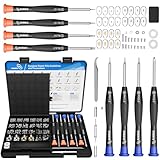
- Get the Right Screwdriver: I cannot stress this enough. You need a precision Pentalobe or Torx driver (depending on your specific Apple Watch model) that fits the screw head perfectly. Aim for a driver with a magnetic tip. This will help you pick up the tiny screws and prevent them from falling into the abyss of your desk or floor. Invest in a set from a reputable brand like iFixit or Wiha.
- Work on a Clean, Well-Lit Surface: Use a large, flat, clean surface. A non-slip mat or a shallow tray is ideal to catch any dropped screws. Good lighting is a must. Use a desk lamp if needed.
- Prepare for the Smallness: These screws are minuscule. You’ll need magnification. A magnifying lamp or even a jeweler’s loupe can be a lifesaver. Get a small container or magnetic mat to hold the screws once they’re out. Label it if you’re opening multiple things.
- Gentle, Consistent Pressure: When turning the screw, apply gentle, steady pressure. Don’t jam the driver in. If the screw feels stuck, stop. Don’t force it. Try wiggling the screwdriver slightly, or applying a tiny bit of penetrating oil (though be extremely careful with liquids around electronics).
- Document Everything: Take pictures or short videos as you disassemble. Note which screw goes where, especially if there are different lengths or types (though Apple is usually pretty good about using consistent screws on the watch body). This is important for reassembly.
- Watch a Reputable Teardown First: Seriously. Before you even touch a tool, watch a high-quality teardown video of your specific Apple Watch model on YouTube. See how it’s done by professionals. Pay attention to their techniques for releasing clips, separating components, and handling cables.
- Reassembly is Key: When putting it back together, reverse the process meticulously. Make sure all internal connectors are seated properly. When reinserting screws, don’t overtighten. Just snug them up until they feel secure. If you’re trying to retain water resistance, you’ll need specific adhesive seals, which are often sold in repair kits.
I once tried to replace a screen on an older Samsung phone, and I was so confident. I had the right tools, I’d watched a few videos. But in my haste to get it done, I ended up pinching a tiny flex cable connecting the speaker. The phone worked, mostly, but the audio was distorted. It took me another two hours to get it open again and reseat the cable correctly. That’s the kind of frustration you can avoid by taking your time and following the process. For the Apple Watch, the scale is even smaller, so the margin for error is razor-thin.
The Faq: Quick Answers to Your Burning Questions
Do I Need a Special Screwdriver for My Apple Watch?
Yes, absolutely. Apple Watch screws are typically Pentalobe or Torx type, and they are extremely small. You will need a precision screwdriver set that is specifically designed for electronics and includes the correct size and type for your Apple Watch model. Standard household screwdrivers will not work and will likely damage the screws.
Will Removing the Screws Void My Apple Watch Warranty?
Yes, in almost all cases, attempting to remove the screws yourself will void your Apple Watch warranty. Apple’s warranty covers manufacturing defects, not damage caused by user repair attempts. If you have AppleCare+, it might cover accidental damage, but user disassembly is generally not part of that coverage without professional intervention.
Can I Replace the Battery in My Apple Watch Myself?
Technically, yes, it’s possible for experienced individuals with the right tools and parts. However, it’s a very delicate process that requires specialized knowledge and tools to avoid damaging the device. It will also almost certainly void your warranty and likely compromise the water resistance of the watch.
What Happens If I Strip a Screw on My Apple Watch?
If you strip a screw, it becomes incredibly difficult to remove. You might need specialized screw extraction tools, or you may have to resort to professional repair services that have specific techniques for dealing with stripped screws. This can significantly increase the cost and complexity of any repair attempt.
Is It Safe to Swim with an Apple Watch After Removing and Replacing Screws?
Generally, no. The screws are part of the system that maintains the watch’s water resistance. Even if you replace them, it’s very difficult for a DIY repair to perfectly reseal the watch casing. For safety, assume your watch will no longer be water-resistant for activities like swimming after you’ve opened it.
Verdict
So, can the screw on my Apple Watch come out? The definitive answer is yes. However, as we’ve explored, the real question is whether you should be the one to take it out. For the vast majority of users, the answer is probably no. The risk of damaging your expensive device, losing water resistance, and voiding your warranty often outweighs any potential savings or satisfaction of a DIY fix.
If your watch is malfunctioning, your best bet is to contact Apple Support or a certified repair technician. They have the specialized tools, knowledge, and genuine parts to get the job done right, and often offer a limited warranty on their work. It’s a small price to pay for peace of mind and a functioning device.
But if you’re determined, understand the risks, have the precise tools, and are prepared for the meticulous nature of working with such small components, then proceed with extreme caution. And remember, once those screws are out, it’s a slippery slope back to a perfectly sealed, fully functional device without professional help.
![AXTH 25-in-1 Small Precision Screwdriver Set, Professional Magnetic Mini Repair Tool Kit for Phone, Computer, Watch, Laptop, Macbook, Ring Doorbell, Eyeglass, Electronic, [Bearing Steel] Screw Driver](https://m.media-amazon.com/images/I/518YlLmPTcL._SL160_.jpg)
