I’ve stared at more peeling wallpaper than I care to admit. It’s a special kind of hell, isn’t it? That moment you think you’ve got it all off, only to find stubborn adhesive residue mocking you. For years, the go-to advice has been hot water, vinegar, special stripping solutions, and a whole lot of elbow grease. But I started wondering: can you use Goo Gone to remove wallpaper? It’s that sticky stuff that tackles price tags and label gunk like a champ, so why not wallpaper goo?
Honestly, my first thought was ‘why not try it?’ It’s sitting right there in the cleaning cabinet. What’s the worst that could happen? Well, I learned a thing or two about that question the hard way.
When I first tackled a particularly stubborn floral wallpaper in my grandmother’s old house, I was determined to find the easiest way out. We’re talking layers of the stuff, with adhesive that had fused itself to the drywall like it was part of the house’s foundation. After a few hours of scraping and steaming, my arms were aching, and the progress was glacial. That’s when I remembered the little yellow bottle of Goo Gone sitting on the shelf. It works like magic on sticker residue, so surely it could handle old wallpaper glue. The idea of just spraying and wiping my way to freedom was incredibly appealing.
So, I decided to experiment. I grabbed a spray bottle of Goo Gone, diluted it slightly with water – because sometimes it can be a bit aggressive – and sprayed it onto a section of the wall where the paper had already been mostly removed, leaving behind that dreaded sticky film. I let it sit for about five minutes, the time it usually takes to loosen stubborn labels. Then, I took a plastic scraper and gently tried to lift the residue.
To my surprise, it started to come off. Not instantly, but it definitely loosened its grip.
It was far easier than the dry scraping I’d been doing before. This was a revelation; it felt like I’d found a shortcut.
I spent the rest of that afternoon happily Goo-Gone-ing my way through the remaining sticky patches, feeling like a genius.
The Science (or Lack Thereof) Behind Goo Gone and Wallpaper Adhesive
So, how does Goo Gone actually work, and why does it seem to help with wallpaper residue? The active ingredients in Goo Gone are typically citrus-based solvents. Think of d-limonene, which is derived from citrus peels. These solvents are great at breaking down the sticky, gummy bases of adhesives, like those found on labels and price tags. They work by disrupting the intermolecular forces that hold the sticky stuff together and to the surface it’s attached to.
Now, wallpaper adhesive is a different beast. It’s usually a starch-based or vinyl-based paste, designed to be water-soluble to some extent, but over time and with layers of paint or other treatments, it can become quite stubborn and almost plastic-like. When you’re trying to remove wallpaper, the goal is usually to soften that paste so it can be scraped away. Traditional methods often involve hot water and surfactants (like dish soap) to penetrate and loosen the paste, or specialized chemical strippers that are basically stronger solvents or combinations of chemicals designed to break down the specific polymers in the adhesive. (See Also: Does Judarn Wallpaper Remove Easily )
Goo Gone, with its citrus solvents, can indeed break down some of these components, especially if the wallpaper has been painted over, which can make the adhesive more like a dried-out, slightly plastic film. It basically acts as a mild solvent that lubricates and loosens the grip of the dried adhesive on the drywall or plaster. It’s not its primary intended use, mind you. The product is designed for non-porous surfaces and general adhesive removal. Using it on wallpaper, especially directly on the paper before removal, can sometimes lead to issues, which we’ll get to. But for that stubborn, dried-on residue left after the paper is gone? It can be surprisingly effective.
The key is that it softens the residue, making it less tenacious. It doesn’t magically dissolve it into nothingness like some miracle cure. You still need to scrape or wipe it away. However, the ease with which it loosens the grip is the real benefit. I found that a little goes a long way, and it smells a lot better than some of the harsher chemical strippers that can make you feel like you’re in a hazmat suit.
When Goo Gone Shines (and When It Doesn’t)
Let’s be clear: Goo Gone is not a wallpaper stripper. If you’re thinking of spraying it on the whole wall to peel off wallpaper like a giant sticker, stop right there. That’s not what it’s designed for, and you’ll likely end up with a sticky, soggy mess that’s harder to deal with than the original problem. The paper might get saturated and tear into tiny, unmanageable pieces, and the Goo Gone could seep through and potentially damage the drywall paper facing underneath. I learned this the hard way when I tried to speed things up on a particularly tough section and ended up with more of a Goo Gone-infused pulp than clean removal.
Where Goo Gone really earns its keep is in the aftermath. After you’ve scraped off the bulk of the wallpaper, you’re often left with that fine, sticky film of old adhesive. This is where Goo Gone can be a lifesaver. It’s fantastic for tackling those stubborn, dried-on patches that water and scraping just can’t seem to budge. It softens them up beautifully, allowing you to wipe them away with a clean cloth or gently scrape them off with a plastic putty knife.
I’ve used it on multiple projects, and the results are consistently good for this specific task. It’s especially useful if you’ve painted over the wallpaper multiple times, as this seals the adhesive and makes it even more resistant to water-based removers. The solvent in Goo Gone can penetrate that seal more effectively. However, it’s not a miracle worker for all adhesives. If you have a particularly industrial-grade or old, non-water-soluble paste, Goo Gone might struggle and require multiple applications, or it might just not be strong enough. In those cases, a dedicated wallpaper stripper or a more potent solvent might be necessary.
The main drawback, besides it not being a primary stripper, is the potential for residue from the Goo Gone itself if you use too much or don’t clean it off properly afterwards. It’s an oily substance, after all. You’ll want to follow up with a good scrub using warm, soapy water to make sure the wall is clean and ready for primer and paint. I’ve found that using a damp sponge and a little dish soap works wonders to cut through any lingering oiliness.
Common Mistakes When Using Goo Gone for Wallpaper
- Using it on intact wallpaper: This is the big one. It will saturate the paper and create a sticky, mushy mess.
- Not testing in an inconspicuous area: While generally safe for painted surfaces, it’s always smart to test first, especially on older or delicate walls.
- Using too much product: A little Goo Gone goes a long way. Over-applying can lead to excessive residue.
- Not cleaning residue afterward: The oily nature of Goo Gone requires a thorough cleaning with soap and water before priming or painting.
- Scraping too aggressively: Even with Goo Gone softening the adhesive, you still need to be gentle to avoid damaging the drywall.
Real-World Application: My Latest Wallpaper Nightmare
So, last month I was helping a friend tackle a dining room that had been wallpapered in the late 80s. Think bold geometric patterns, and adhesive that had clearly been formulated to last through several ice ages. We spent a solid weekend with steamers, scrapers, and water. We got the paper off, mostly. But the residue… oh, the residue. It was like a sticky, translucent glaze all over the walls. It smeared when we tried to scrape it dry, and it just softened slightly with water, refusing to budge in any meaningful way. We were getting frustrated, and the clock was ticking because she wanted to repaint before a party next weekend.
I remembered my Goo Gone adventures and suggested we give it a shot. We decided to work in small sections. First, we’d lightly mist the area with warm water and a bit of dish soap – just to dampen it slightly and keep it from drying out too fast. Then, we’d spray Goo Gone directly onto the sticky residue. We let it sit for about 5-7 minutes. The difference was remarkable. The Goo Gone softened the adhesive into a gummy, pliable state, almost like old chewing gum. (See Also: Does Peel And Stick Wallpaper Damage Walls When Removed )
With a plastic scraper held at a shallow angle, we could then gently lift the softened residue. It came off in satisfying gummy strips, rather than smearing everywhere. We kept a bucket of hot, soapy water and clean rags handy to wipe down the area immediately after scraping. This removed both the loosened adhesive and any lingering Goo Gone oiliness. It took us about half a day to do the whole room this way, which was significantly faster and less back-breaking than trying to brute-force the residue off.
The key for us was the combination: a light mist of water to keep things workable, the Goo Gone to break down the stubborn stickiness, and then immediate cleaning. We found that if we let the Goo Gone sit too long without scraping, it would start to get a bit oily and harder to remove. And definitely, using a plastic scraper saved the drywall. Metal scrapers would have gouged the wall in a heartbeat, even with the softening effect.
Alternatives and When to Use Them
While Goo Gone can be a great aid for wallpaper residue, it’s not the only game in town, and sometimes it’s not the best option. If you’re dealing with very old, deeply set adhesive, or if the wallpaper was applied with a particularly solid paste, Goo Gone might not be strong enough. In these cases, you might need to look at dedicated wallpaper removers. These are specifically formulated to break down wallpaper paste and are often more potent than Goo Gone.
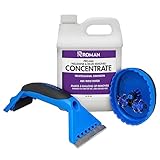
Products like Chomp! Wallpaper Remover or Roman Remover are often recommended for tough jobs. They usually contain stronger solvents or surfactants. Always follow the instructions on these products carefully, as they can be quite potent and require good ventilation. Some people swear by using a mixture of fabric softener and hot water – the fabric softener acts as a surfactant that helps break down the adhesive. I’ve tried this method with mixed results; it works sometimes, but not always as effectively as I’d hoped.
Another approach, particularly for stubborn patches, is using a scoring tool on the wallpaper before you start steaming or wetting. This creates tiny holes that allow the water or stripper solution to penetrate the paper and reach the adhesive more effectively. However, you have to be careful not to score too deeply, which can damage the drywall. For very old homes with plaster walls, excessive water can also be an issue, so you need to be judicious with any wet methods.
Here’s a quick rundown of common methods and when Goo Gone fits in:
| Method | Best For | Goo Gone Usefulness | Verdict |
|---|---|---|---|
| Hot Water & Dish Soap | Most standard wallpaper, especially fresh installs. | Good for initial softening, but often not enough for stubborn residue. | Basic and effective for lighter jobs. |
| Steamers | Thicker wallpapers, multiple layers, very old adhesive. | Helps soften residue left after steaming, but steamer is the primary tool. | Labor-intensive but very effective. |
| Dedicated Wallpaper Removers | Extremely tough, stubborn, or painted-over adhesives. | Can be used to follow up if the dedicated remover leaves residual stickiness. | The heavy-duty option for difficult jobs. |
| Goo Gone | Stubborn, dried-on adhesive residue after paper is removed. | Its primary strength for wallpaper projects. | Excellent for post-paper removal cleanup. |
| Vinegar/Fabric Softener Solutions | Mild to moderate adhesive. | Can work, but Goo Gone is often more consistent for tough residue. | DIY options with variable success. |
For my money, if you’ve got the wallpaper off and are left with that annoying sticky ghost, Goo Gone is a fantastic tool to have. It’s readily available, smells decent, and makes the cleanup phase far less dreadful. Just remember its limitations – it’s a helper, not a primary stripper.
The Final Scrub Down: Making Walls Pristine
After you’ve used Goo Gone to tackle the stubborn adhesive residue, you’re not quite done. The area might feel clean of the sticky stuff, but Goo Gone itself is an oily substance. If you skip the final cleaning step, you’ll likely find that your primer and paint don’t adhere properly, or you might get glossy spots where the oil has affected the finish. Trust me, I’ve seen it happen. I once tried to paint over a spot I thought was clean and ended up with a patch that looked like it was perpetually wet. (See Also: Can You Use Removable Wallpaper On Desk )
The best way to get the walls ready for the next step is a thorough wash-down. I usually grab a bucket of warm water and add a good squirt of dish soap. Dawn dish soap is particularly good at cutting through grease and oil, which is exactly what Goo Gone leaves behind. You want to use a clean sponge or a soft cloth and really scrub the walls where you applied the Goo Gone. Don’t be afraid to get the walls wet, but avoid leaving standing water. Rinse your sponge or cloth frequently in clean water, and then go over the washed areas again with a clean, damp cloth to remove any soap residue.
Once you’ve washed and rinsed, it’s time to let the walls dry completely. This can take several hours, depending on the humidity in your home. I usually give it a full day just to be safe, especially if I’m dealing with older drywall that might have absorbed moisture. You can speed up the drying process by opening windows or using fans. Before you apply any primer, run your hand over the walls. They should feel perfectly smooth and clean, with no hint of stickiness or oiliness.
This final cleaning stage is a must. It’s the difference between a professional-looking finish and a DIY disaster. Think of it as the important final step in your battle against that old wallpaper. It makes sure that your new paint will adhere evenly and last for years to come. It also means that the next person who decides to wallpaper over your beautiful new paint job won’t have to deal with residue from this project!
Frequently Asked Questions About Goo Gone and Wallpaper
Can I Use Goo Gone to Remove the Wallpaper Itself?
No, Goo Gone is not designed to remove wallpaper. It is intended for sticker residue and general adhesive cleanup. Spraying it on intact wallpaper will likely saturate it, creating a sticky, mushy mess that is difficult to remove and can damage the drywall.
Is Goo Gone Safe for All Wall Surfaces?
Goo Gone is generally safe for most painted and finished surfaces. However, it’s always a good idea to test it in an inconspicuous area first, especially on older or delicate walls, to make sure it doesn’t cause discoloration or damage.
How Long Should I Let Goo Gone Sit on Wallpaper Residue?
For stubborn wallpaper residue, letting Goo Gone sit for 5-10 minutes is usually sufficient. You want it to soften the adhesive without allowing the product to become overly oily or difficult to remove.
Do I Need to Wash Goo Gone Off Before Priming or Painting?
Yes, absolutely. Goo Gone is oily. You must wash the area thoroughly with warm, soapy water to remove all residue. Failure to do so can prevent primer and paint from adhering properly, leading to peeling or glossy spots.
Final Thoughts
So, to circle back to the question: can you use Goo Gone to remove wallpaper? The answer is a resounding ‘yes, but only for the sticky residue left behind after the paper is gone.’ It’s not a magic bullet for stripping the paper itself, and trying to use it that way will likely cause more problems than it solves. Think of it as your trusty sidekick for the cleanup phase, not the main hero of the wallpaper removal story.
I’ve found it to be a far less frustrating way to deal with that stubborn adhesive film than endlessly scraping or using harsh chemicals that make the whole house smell for days. Just remember the steps: get the paper off, use Goo Gone to soften the residue, scrape gently, and then clean the wall thoroughly with soap and water. It’s a process, but it makes that final pristine wall achievable.
When you’re staring down a wall covered in old adhesive, and you’ve tried everything else, give Goo Gone a shot for the cleanup. It might just save your sanity, and your drywall.