I remember the first time I faced a wall plastered with that god-awful, dried-on wallpaper paste. It was a rental, naturally, and the landlord had apparently decided beige was the only color the universe needed. Beneath it? A pattern I’d swear was inspired by a fever dream. I’d heard whispers, seen those late-night infomercials, and even scrolled through some questionable online forums. The question echoed in my head: can you use mayonnaise to remove wallpaper glue? My gut screamed no, but desperation was already setting in.
My initial thought was pure, unadulterated skepticism. Mayonnaise? The stuff of potato salad and tuna sandwiches? How in the seven hells could that greasy concoction possibly tackle hardened adhesive?
Still, the alternative was hours of scraping and potential wall damage. So, I decided to put my sanity and my spatula to the test.
The Mayonnaise Myth: Does the Fat Actually Work?
Let’s cut to the chase: can you use mayonnaise to remove wallpaper glue? The short, blunt answer is: probably not effectively, and definitely not as your primary weapon. I’ve wasted more hours than I care to admit on supposed DIY hacks that end up being glorified messes. This one falls squarely into that category for most situations. The theory, as I understand it from the usual internet chatter, is that the oils and fats in mayonnaise are supposed to break down the adhesive, making it easier to wipe or scrape away. Think of it like trying to dissolve grease with more grease. Sounds… counterintuitive, right?
When I first tried it, I slathered a thick layer of full-fat mayo onto a stubborn patch of paste. I let it sit for what felt like an eternity – probably about 20 minutes. The paste got a little softer, sure, but it was still clinging on for dear life.
It didn’t magically peel off. Instead, I was left with a greasy, gloopy mess that was arguably harder to clean up than the original paste. The oil might have loosened some of the surface gunk, but the real, baked-on adhesive? It just laughed at my efforts.
I ended up with a sticky, oily residue all over the wall, my hands, and probably my dog who had the misfortune of wandering into the room. It was a disaster.
Now, I’m not going to sit here and say it never works for anyone. Maybe if you have the absolute thinnest, weakest, most ephemeral layer of paste from a very lightweight paper, and you’re willing to spend a lot of time and make a huge mess, you might see a tiny bit of progress. But for the kind of stubborn, dried-on adhesive that most DIYers are up against after stripping old wallpaper, mayonnaise is like bringing a butter knife to a demolition fight.
It’s simply not designed for the job. You’re better off using products specifically made for wallpaper adhesive removal, or at least a good, old-fashioned stripping solution. I learned this the hard way, smelling vaguely of vinegar and regret.
Why Standard Wallpaper Removers Still Reign Supreme
Look, I’m all for a clever hack. I’ve used dish soap to clean greasy kitchen cabinets and baking soda for all sorts of scrubbing emergencies. But when it comes to wallpaper glue, there’s a reason specialized products exist. They’re formulated with chemicals designed to do one thing: dissolve or break down that specific type of adhesive. Mayonnaise, bless its eggy heart, is designed to emulsify oil and water for flavor, not to wage war on dried PVA or starch-based glues. It’s like using your car’s oil filter to filter your drinking water – it’s the wrong tool for the job, and you’ll likely end up with a mess or, worse, something contaminated. (See Also: Does Judarn Wallpaper Remove Easily )
I remember a particularly rough wallpaper removal job in my old apartment. The previous tenants had clearly used industrial-strength adhesive, and the paper came off in tiny, stubborn shards. I tried everything from hot water and vinegar (a classic, and often effective!) to a commercial wallpaper steamer.
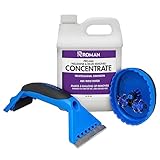
Nothing was truly cutting through the thick, rubbery layer of glue left behind. After reading countless reviews, I finally caved and bought a dedicated wallpaper adhesive remover solution.
It was a liquid, smelled strongly of chemicals (which, honestly, was a relief after the mayonnaise incident), and you diluted it with hot water. You’d sponge it on, let it sit for about 10-15 minutes, and then the glue would literally wipe away with a damp cloth. No scraping, no wrestling, just… gone.
It was like magic, but it was just chemistry doing its job properly.
The key difference is that these removers contain ingredients like ethyl acetate or other solvents that are specifically chosen for their ability to break down the polymers in wallpaper paste. They target the bonds holding the glue to the wall.
Mayonnaise, on the other hand, is mostly oil and egg yolk. The oil might lubricate slightly, and the slight acidity from vinegar (if it’s in there) might do a tiny bit of work, but it’s like trying to polish a stubborn stain with a damp cloth. It’s not going to penetrate and break down the material effectively.
The common advice to use mayonnaise is often born out of desperation or misinformation, and it usually leads to more work and a dirtier house.
My Go-to Process for Stubborn Wallpaper Glue
- Score the Wall: If the wallpaper is still on, use a scoring tool to create tiny perforations. This allows moisture or remover to penetrate the paper and reach the glue.
- Apply Hot Water and Dish Soap: For most basic glues, a solution of hot water and a good squirt of grease-cutting dish soap is surprisingly effective. Sponge it on generously and let it sit for 10-15 minutes.
- Scrape Gently: Use a wide putty knife or a specialized wallpaper scraper. Work from the top down, holding the scraper at a low angle to avoid gouging the drywall.
- Use a Commercial Remover (if needed): For really tough, old adhesive, a dedicated wallpaper adhesive remover is your best bet. Follow the product instructions carefully – usually involving diluting with hot water and letting it soak.
- Wipe Down: Once the glue is loosened, wipe the wall thoroughly with a clean, damp sponge or cloth to remove any residue. Rinse the sponge frequently.
- Final Rinse: A final wipe-down with clean water helps remove any lingering cleaner or dissolved glue.
The Science (or Lack Thereof) Behind the Mayo Method
So, let’s talk about the ‘why’ behind the widespread notion that mayonnaise can remove wallpaper glue. It’s largely based on a misunderstanding of how solvents and adhesives work. The core components of mayonnaise are oil (usually soybean or canola), egg yolk (acting as an emulsifier), and vinegar or lemon juice (for acidity and flavor). The oil provides lubrication, and the acidity might offer a very mild chemical reaction with certain types of glue. However, most wallpaper adhesives are designed to be water-soluble to some extent, or they are polymer-based and require specific solvents to break them down. Mayonnaise simply doesn’t contain the right kind of chemical agents in sufficient concentrations to be truly effective against most wallpaper glues.
I’ve seen people argue that the oil breaks down the adhesive by emulsifying it. While oil can indeed interact with some oily or greasy substances, wallpaper glue is often a dried, hardened form of polymer. It’s more like trying to dissolve a plastic toy in cooking oil than dissolving a grease stain. The oil might coat the surface and make it feel softer, but it’s not chemically breaking the bonds of the adhesive itself. It’s the difference between lubricating a stuck drawer and using a wood softener. One might make it slide a bit easier for a moment; the other actually changes the material properties. (See Also: Does Peel And Stick Wallpaper Damage Walls When Removed )
My contrarian take? Everyone who swears by mayonnaise for wallpaper glue removal likely either had extremely easy-to-remove wallpaper and glue in the first place, or they were already using other methods simultaneously and mistook the mayonnaise for the hero. I once tried a very stubborn paste with just mayonnaise and a scraper.
It was a nightmare. Then, a friend suggested I try the hot water and vinegar mix first, and then maybe a bit of mayo if that didn’t work. Low and behold, the hot water and vinegar did almost all the work, and the mayo just made it greasier.
The common advice is wrong because it oversimplifies the problem and offers a solution that’s more of a myth than a method.
Real-World Use: When Might Mayo potentially Help (slightly)?
Okay, let’s be brutally honest. I’ve spent years wrestling with stubborn adhesives, and I’ve tried some truly bizarre things out of sheer frustration. While I stand by my assertion that mayonnaise is not a primary wallpaper glue remover, I can imagine a very specific scenario where it might offer a minuscule benefit. This is not a recommendation, mind you, but a musing based on my extensive, often regrettable, hands-on experience.
Imagine you’ve stripped the wallpaper, and you’re left with a thin, almost translucent film of adhesive. Not the thick, gummy stuff, but a very light, slightly tacky residue. And let’s say, hypothetically, you’ve run out of your usual all-purpose cleaner, and you’re staring at a jar of mayo in the fridge.
In this extremely niche situation, the oil in the mayonnaise might act as a lubricant and a very mild solvent. You’d still need to scrape or wipe aggressively, and it would likely leave an oily residue that you’d definitely have to clean off with a proper degreaser or soap and water afterwards. It would be a messy, inefficient step, but could it contribute to loosening that very light film?
Maybe, in theory. I’ve never done it intentionally because why would I, when proper removers exist?
Think of it like using olive oil to remove crayon marks from a painted wall. It can work because the oil helps break down the wax. But mayonnaise is a more complex mixture, and wallpaper glue is generally a tougher beast than crayon wax.
The biggest issue you’ll face is the sheer volume of the product you’d need for any significant area, the mess it creates, and the inevitable oily residue that follows. You’d end up spending more time cleaning up the mayonnaise than you would have spent using a proper wallpaper stripper or even just hot water and a good scraper. (See Also: Can You Use Removable Wallpaper On Desk )
It’s the kind of ‘hack’ that sounds plausible until you’re knee-deep in a greasy mess and realizing you’ve made things worse. I once tried to remove some old caulk with olive oil and a scraper, and it just turned into a slippery, stringy mess that took ages to clean. Mayo would be similar, but with more smell.
| Method | Pros | Cons | Verdict |
|---|---|---|---|
| Mayonnaise | Might slightly soften very light residue. | Messy, oily residue, generally ineffective, smells weird. | Avoid. Major hassle for minimal (if any) gain. |
| Hot Water & Dish Soap | Cheap, readily available, effective for some glues. | Requires scraping, can be time-consuming for tough glues. | Good first step for lighter jobs. |
| Commercial Remover | Specifically formulated, highly effective on tough glues. | Requires purchase, can have strong fumes, follow instructions carefully. | The go-to for serious adhesive issues. |
| Steam Stripper | Effective for loosening paper and some glue. | Can be expensive to buy/rent, risk of steam damage to drywall. | Great for wallpaper removal itself, less so for glue residue. |
Common Mistakes and What to Look for Instead
The biggest mistake people make when they ask ‘can you use mayonnaise to remove wallpaper glue?’ is believing it’s a viable primary solution. They see it online, it sounds quirky and cheap, and they jump on it. Then they’re left with an oily, sticky mess and a wall that’s still covered in glue. Another common error is not scoring the wallpaper or the glue residue properly. If the surface isn’t porous, whatever you’re using won’t be able to penetrate and do its work. You need to create an entry point for your chosen remover.
Over-wetting is another pitfall, especially if you’re using a lot of water or a liquid remover. While you want the solution to soak in, you don’t want to saturate the drywall to the point where it starts to bubble or degrade. This can lead to much more extensive repairs down the line. And a mistake I’ve made myself? Using the wrong tool for scraping. A flimsy plastic putty knife might bend or break, while a sharp metal one can easily gouge the drywall if you’re not careful. A good quality, wide metal scraper held at a low angle is usually your best bet.
When you’re looking for a real solution, forget the mayo. Instead, focus on products specifically designed for wallpaper adhesive removal. Look for terms like “wallpaper paste remover” or “adhesive remover.” These are usually liquids that you dilute with hot water. They’ll typically list their active ingredients, which will be actual solvents designed for the job, not cooking oils. Read reviews – not just for the product, but for the type of wallpaper and glue you’re dealing with. Is it vinyl wallpaper with a strong adhesive? Or was it a cheap paper with a lighter glue? This will influence how aggressive you need to be.
And don’t underestimate the power of good old hot water and a strong dish soap. For many modern wallpapers and their accompanying glues, this combination, applied generously and allowed to soak, will loosen enough of the adhesive to be scraped off effectively. It’s cheap, readily available, and much less likely to cause a secondary mess than a bizarre kitchen condiment. The key is patience. Wallpaper glue is designed to be sticky. It’s not going to surrender easily. You need to give your chosen remover time to work.
Final Verdict
So, to put it plainly, can you use mayonnaise to remove wallpaper glue? My experience and honest opinion say a resounding no, not effectively. It’s a recipe for a greasy mess and wasted time, not a clean wall. Stick to products designed for the job or tried-and-true methods like hot water, dish soap, and a good scraper.
If you’re facing a wall of stubborn adhesive, don’t fall for the internet myth. You’ll just end up with more work and a lingering smell of regret (and possibly mayonnaise). Save yourself the hassle and the potential for a disastrous DIY project.
My advice? Head to the hardware store, grab a proper wallpaper adhesive remover, or at least a bottle of strong dish soap. Your walls, and your sanity, will thank you.