I remember one brutal December, my apartment felt like an icebox despite the ancient radiators groaning under the strain. Drafts were snaking in from everywhere, and I swore I could feel the cold air whistling past my ears even with the windows shut tight. My landlord, bless his heart, offered a shrug and a suggestion to ‘stuff some towels in there.’ That’s when I first Googled: can you use painters tape to seal windows for winter? It seemed too simple, almost insulting, but desperation breeds weird solutions.
Let’s cut to the chase: does it actually work? Yes, and no. It’s not a miracle cure, and it’s definitely not a permanent fix. But for a temporary, cheap-as-chips solution to stop those howling drafts, it has its place. I’ve wrestled with enough leaky windows over the years to have strong opinions on what’s worth your time and what’s just a waste of money.
The Honest Truth About Taping Your Windows
So, you’ve got a chilly house, and the heating bill is already making your eyes water. You’re staring at those gaps around your window frames, the ones that let in that icy breath of winter air, and you’re wondering, ‘Can you use painters tape to seal windows for winter?’ The answer, in my book, is a resounding ‘yes, but with major caveats.’ Think of it like this: painters tape is the duct tape of the temporary home repair world. It’s readily available, it’s cheap, and in a pinch, it can do a job. But it’s not designed for long-term structural integrity or a perfect seal.
I’ve been there. I’ve spent a whole Saturday morning meticulously taping up every single window in my old rental, feeling smug as I admired my handiwork. The next morning, there was a light frost on the inside of the glass in a couple of spots. Why?
Because painters tape, while it sticks reasonably well, isn’t impermeable. Moisture can still get through, and more importantly, it doesn’t create a rigid barrier. If you’ve got significant window movement or warping, the tape will flex and pull away, leaving gaps. My first attempt involved that thin, blue, standard-issue painters tape.
It lasted maybe three weeks before I started finding little peel-away sections, especially around the sill where condensation tends to gather. It was better than nothing, sure, but it wasn’t the ‘draft-free paradise’ I’d fantasized about.
The real issue is that most windows aren’t perfectly square or flat. They expand and contract with temperature changes, and settling happens. A flexible material like tape is going to be fighting a losing battle against those natural movements. You need something with a bit more substance. However, for minor drafts around the sash or where the trim meets the frame, it can absolutely make a noticeable difference. The key is managing your expectations. This isn’t a substitute for proper window insulation or replacement, but it’s a stopgap measure that can buy you some comfort and save you a bit on your heating bill.
When I talk about ‘seal,’ I’m using the term loosely here. Painters tape creates a barrier, yes, but not an airtight, watertight, perfectly insulated seal. It’s more like putting a bandage on a leaky pipe. It slows the leak, but it doesn’t stop it entirely. For those of you living in older homes where windows are notoriously drafty, you know that feeling of cold air creeping in. Painters tape can be your friend in that scenario, but don’t expect it to perform miracles. It’s a budget-friendly hack, and like most hacks, it has its limitations.
What Kind of Tape Are We Even Talking About?
Alright, let’s get specific. When I say painters tape, I mean the stuff you’ve seen in the hardware store: the blue rolls, the green ones, sometimes even a cream-colored one. These are designed for one primary purpose: masking surfaces before you paint to prevent paint bleed. They use a specific adhesive that’s formulated to stick well enough to hold its position during a painting job but also to be removed cleanly without damaging the underlying surface. This ‘clean removal’ aspect is a double-edged sword when you’re trying to seal a window for winter.
The blue tape is probably the most common. It’s generally good for lightly textured surfaces and offers a decent balance of adhesion and removability. The green tape, often marketed as ‘exterior’ or ‘heavy duty,’ has a stronger adhesive.
This might sound like a good thing for window sealing, and it can be, but it also increases the risk of leaving residue or even pulling off paint when you eventually remove it. For windows, especially if they’re older or have delicate finishes, the blue tape is usually the safer bet. I learned this the hard way when I used a roll of heavy-duty masking tape on some trim once, and spent an hour with goo-gone trying to get the sticky remnants off.
Not fun. (See Also: Can I Use Blue Painters Tape In A Heat Press )
There are also specialized window insulation kits that often come with clear plastic sheeting and double-sided tape or specific sealing tapes. Those are generally a step up from plain old painters tape. The tape in those kits is usually stronger and designed to adhere better to glass and window frames for longer periods. But if you’re just grabbing a roll of blue tape from your garage, you’re probably looking at the standard stuff. The width of the tape matters too. You’ll want at least an inch wide, ideally wider, to cover any significant gaps without needing a hundred tiny strips.
Here’s a quick rundown of what I’ve found:
| Tape Type | Adhesion | Removability | Best Use Case for Windows | My Verdict |
|---|---|---|---|---|
| Standard Blue Painters Tape | Moderate | Good | Minor drafts, temporary fix on smooth surfaces. | Okay for a quick, cheap fix. |
| Green/Heavy Duty Painters Tape | Strong | Moderate | Slightly larger gaps, but risk of residue. | Use with caution, test a small area first. |
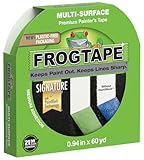
| FrogTape (Green/Blue) | Good | Very Good | Similar to standard blue, but often sticks better. | A premium option if you can find it on sale. |
| General Masking Tape | Strong | Poor | Generally avoid for windows – high residue risk. | Hard pass. Too sticky, leaves goo. |
The ‘My Verdict’ column is pure opinion, born from many chilly nights and sticky fingers. What you’re really looking for is a tape that will stick firmly enough to hold out the cold air but won’t wreck your window frame when you peel it off in the spring. That’s the sweet spot, and it’s not always easy to find with just standard painters tape.
Common Mistakes People Make (and I Made Them Too)
Look, I’m not saying I’m perfect. Far from it. When I first experimented with using painters tape for winter window drafts, I made a laundry list of blunders that would make a seasoned DIYer cringe. The biggest one? Thinking that just slapping a strip of tape over a visible crack was enough. Nope. Drafts are sneaky little devils. They don’t just come from the obvious holes; they can seep through tiny hairline cracks, around poorly fitted sashes, and even through the weep holes at the bottom of some window frames.
My first real mistake was not cleaning the window frame properly. You’ve got dust, grime, maybe a bit of old caulk or paint flaking off. You stick tape on that? It’s not going to adhere well at all. It’ll lift. It’ll peel. It’ll let the cold air win. I learned that lesson the hard way. Now, before I even think about applying tape, I wipe down the area with a damp cloth, let it dry completely, and sometimes even give it a quick wipe with isopropyl alcohol to make sure it’s squeaky clean. It makes a world of difference in how long the tape actually stays put.
Another common pitfall is not applying enough tape or not covering the entire gap. People sometimes get lazy or impatient and only tape the most obvious spots. You need to be thorough.
Think of it like wrapping a present – you want to cover all the edges. I’ve learned to extend the tape a good inch or two beyond the actual drafty area onto the surrounding frame or wall.
This creates a better seal and provides more surface area for the adhesive to grip. I’ve also seen people use tape that’s too narrow, which requires them to overlap multiple thin strips. This often creates little ridges where air can still sneak through. Using a wider tape, or at least making sure overlaps are smooth and tight, is key.
Finally, and this is a big one for contrarians like me: people underestimate the power of where you apply the tape. Everyone automatically tapes the outside of the window frame. But what about the inside? I’ve found that sometimes taping the inside edges of the window sash where it meets the frame is even more effective for stopping drafts that come right into the room.
It’s more aesthetically pleasing too. The blue tape blends in a bit better on the interior paint.
Don’t just assume outside is best, experiment with both sides. I once spent a whole winter thinking my living room window was just plain drafty, only to discover a significant gap on the inside where the wooden sash met the glass pane. (See Also: Can I Use Painters Tape On Canvas )
A few strips of tape, and suddenly that room became noticeably warmer.
Here are a few other mistakes to avoid:
- Using the wrong type of tape (too weak, too sticky).
- Not allowing the surface to dry completely after cleaning.
- Taping over loose paint or peeling caulk.
- Not extending the tape far enough onto the surrounding surfaces.
- Failing to check for drafts on the interior side of the window.
Practical Application: How to Actually Do It
Okay, so you’ve decided to give the painters tape a shot. Good. Let’s make sure you do it right, or at least, the ‘rightest’ way I’ve figured out. First off, gather your supplies. You’ll need your chosen painters tape (I’m still leaning towards the standard blue for most situations), a clean rag, maybe some mild soap and water or rubbing alcohol for cleaning, and a pair of scissors or a utility knife for cutting the tape cleanly. Don’t try to rip it; you’ll get jagged edges that don’t seal well.
Step one, as I’ve mentioned, is the prep work. Clean the area where you’ll be applying the tape. This usually means wiping down the window frame, the sash, and any adjoining wall or trim. Get rid of dust, cobwebs, and any loose debris. Let it dry thoroughly. If you’re dealing with any condensation or moisture, make sure that’s completely gone. A damp surface is the enemy of good adhesion, especially for temporary tapes.
Step two is identifying the drafty spots. This is where you put on your ‘draft detective’ hat. On a cold, windy day, stand by your windows and feel for the air movement. You can also use a lit incense stick or a candle (carefully!) and see where the smoke or flame flickers. If you have a thermal leak detector, even better, but I’ve always relied on the old-fashioned ‘feel’ method. Pay attention to the edges of the sash, where it meets the frame, and any cracks or gaps in the putty or caulk. Don’t forget the sill, especially where it meets the wall.
Step three is the application. Cut your tape to manageable lengths. You don’t want huge strips that are hard to handle. Start by applying the tape firmly, pressing it down as you go to eliminate air bubbles.
Work from the inside or outside, whichever you feel will be most effective for the specific window and draft. I generally prefer to tape the inside perimeter of the window sash where it meets the frame. Run the tape along the edges, overlapping the sash and the frame by at least an inch.
If you’re taping a gap in the frame itself, make sure the tape bridges the gap completely and extends onto solid surfaces on either side. For larger gaps or areas where the tape might not stick well to itself, you might need to create a slightly more solid barrier by layering strips. Just make sure those overlaps are smooth and tight.
Step four is the check. Once you’ve taped up the window, go back and feel for drafts again. Did it make a difference? If you still feel air movement, you might need to add more tape, try a different type of tape, or investigate further. Remember, the goal is to create a continuous barrier. If there are holes in your barrier, the cold air will find them. And always, always remember to remove the tape in the spring. Leaving it on too long can lead to residue, paint damage, or even the tape degrading and becoming brittle, making it useless.
The ‘real-World’ Effectiveness
So, after all this talk, can you use painters tape to seal windows for winter and actually see a benefit? My honest answer, based on countless chilly seasons battling leaky panes, is a qualified yes. It’s not a high-tech solution, but it is a practical, accessible, and incredibly inexpensive way to make a noticeable improvement in draftiness. I’ve seen it take a room that felt like it was straight out of the Arctic and make it merely cool, which is a significant upgrade when you’re trying to save on heating costs and just want to be comfortable.
The effectiveness really depends on the severity of your drafts. For those infuriating little breezes that you can feel on your ankles or neck, a well-applied strip of painters tape can often stop them dead. It’s especially good for sealing the moving parts of a window – the gap between the sash and the frame when it’s closed. This is where a lot of the air leakage occurs in older homes. The tape basically bridges that gap, creating a more continuous barrier. (See Also: Can Yo Use Painters Tape On Heat Press )
I once lived in an apartment where the main bedroom window had a gap on one side that was so wide, I could almost fit my fingers through it. Replacing the window was out of the question. So, I used a combination of thicker foam weatherstripping on the worst parts and then sealed the edges with blue painters tape. It wasn’t pretty, but that room went from being the coldest in the apartment to being one of the warmest. The tape, when applied carefully and with multiple layers where needed, did a surprisingly good job of blocking that persistent draft. It lasted the whole winter, and when I removed it in the spring, thankfully, it came off clean.
However, and this is a big ‘however,’ it’s not a magic bullet for poorly insulated windows. If your window panes themselves are single-glazed and letting heat radiate out, tape isn’t going to fix that. You’ll still feel the cold radiating from the glass. Also, if your window frames are severely warped or rotting, tape will only offer a temporary, partial solution. You’re basically dealing with symptoms, not the root cause. For truly severe drafts or energy efficiency concerns, you’re going to need more solid solutions like caulk, weatherstripping, or even professional window upgrades.
But for the average homeowner or renter looking for a quick, cheap fix to stop those annoying, energy-sucking drafts, painters tape is a legitimate tool in the arsenal. It’s the first thing I try when a new draft pops up, before I even consider buying more expensive sealants. It’s a good way to buy yourself some time and comfort until you can implement a more permanent solution.
The Faq: Your Burning Questions Answered
Can Painters Tape Damage Window Frames?
Generally, good quality painters tape (like the standard blue kind) is designed to be removed cleanly. However, if the paint on your window frame is already peeling or compromised, the tape could potentially pull off loose paint. Also, if the tape is left on for an extended period, especially in humid or very cold conditions, the adhesive can degrade or become harder to remove cleanly, increasing the risk of damage. Always test in an inconspicuous area first, and avoid using it on delicate or freshly painted surfaces without proper curing time.
How Long Can Painters Tape Last on Windows for Winter Sealing?
For temporary sealing, you can expect painters tape to last anywhere from a few weeks to a couple of months. Its effectiveness depends on the climate, the quality of the tape, the surface it’s applied to, and the severity of the drafts. Extreme temperature fluctuations and moisture can cause the adhesive to weaken, leading to peeling. It’s a good idea to inspect the tape periodically and reapply or reinforce as needed throughout the winter season. Don’t expect it to be a set-it-and-forget-it solution for the entire winter.
Is There a Better Tape for Sealing Windows for Winter?
Yes, there are better options if you’re looking for a more durable seal. Specialized window insulation kits often come with thicker, more solid sealing tapes designed to adhere better and last longer. Alternatively, using a combination of caulk for permanent cracks and gaps, and foam or rubber weatherstripping for movable parts, will provide a much more effective and long-lasting solution than painters tape alone. These materials are specifically designed for sealing and insulation, offering better performance and longevity.
When Should I Remove the Painters Tape From My Windows?
You should plan to remove painters tape from your windows in the spring, as soon as the weather consistently warms up and there’s no longer a risk of freezing temperatures. Leaving it on too long can make it difficult to remove cleanly, potentially damaging the paint on your window frames or leaving behind sticky residue. Removing it promptly makes sure you don’t cause unnecessary damage and allows your windows to function normally again. It’s also a good time to inspect your window seals and make any necessary repairs before the next winter season.
Can You Use Painters Tape on the Inside or Outside of Windows?
You can use painters tape on both the inside and outside of windows, but the effectiveness and potential for damage can vary. On the outside, it might offer some protection against wind and rain, but the tape is more exposed to the elements and may degrade faster. On the inside, it’s generally safer for your window frames and can be more aesthetically pleasing. Many people find taping the interior sash where it meets the frame to be quite effective for stopping drafts from entering the living space. Experimenting with both sides might be necessary to find the best approach for your specific situation.
Final Verdict
So, to circle back to the big question: can you use painters tape to seal windows for winter? My answer remains a definite ‘yes,’ but with the strong caveat that it’s a temporary fix for minor drafts, not a permanent solution for major insulation problems. I’ve relied on it more times than I care to admit, and it has saved me from some seriously uncomfortable, drafty rooms without breaking the bank. Just remember to prep the surface properly, apply it firmly, and don’t forget to peel it off in the spring.
Don’t expect miracles, though. If you’ve got rattling panes or big gaps that let you see daylight, painters tape isn’t going to cut it. You’ll need caulk, weatherstripping, or perhaps even a whole new window. But for those little whispers of cold air that make you reach for an extra blanket, a few well-placed strips of blue tape can make a tangible difference. It’s a hack born out of necessity, and sometimes, necessity is the mother of good, cheap invention.
My advice? Grab a roll the next time you feel that tell-tale chill. It’s cheap enough to try, and you might be surprised at how much better you feel – and how much less you’re paying to heat the great outdoors.