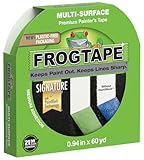
I’ve seen more than a few artists wrestling with tape, their faces a mixture of frustration and hope. You’re staring at a blank canvas, ready to lay down some clean lines, and the big question looms: can I use painters tape on canvas? It seems simple, right? Just stick it down, paint, peel it off, and voilà – perfection. But anyone who’s tried it knows it’s rarely that straightforward. I’ve definitely wasted more than my fair share of perfectly good tape, and good money, on this very question.
So, let’s cut through the noise. Is it a good idea? Does it work? Or is it just another way to end up with ripped paper, fuzzy edges, and a ruined afternoon? I’m going to give you the straight dope, based on years of fumbling around in my own studio.
Why I Stopped Trusting Blue Tape on My Canvases Immediately
Look, I’m all for experimenting. That’s how you learn, right? But when it comes to using standard blue painters tape directly on a primed canvas, my honest opinion is: proceed with extreme caution, or better yet, find a better way. I learned this the hard way. I was working on a piece with some crisp geometric shapes, all sharp edges and contrasting colors. The idea was to mask off these sections and get a super clean break between them. I’d used blue tape on paper for years, for framing prints or masking off areas when doing mixed media, and it always worked fine.
So, I grabbed my trusty roll of good-quality blue tape, applied it firmly to the dry acrylic paint on my canvas, thinking it was foolproof. I even pressed down the edges with my thumbnail, convinced I was setting myself up for success. I let the paint dry, and then came the moment of truth.
As I started to peel the tape back, it wasn’t a clean pull. It snagged. It tore.
Little bits of paper were sticking to the canvas, and worse, it was lifting the paint underneath. It wasn’t a catastrophic disaster, but the edges were fuzzy, uneven, and looked amateurish. I ended up having to go back in with a tiny brush to clean up every single line, which took way longer than just carefully painting the lines freehand would have. It felt like I’d added extra work for myself, and the result wasn’t even as good as it could have been.
That day, my confidence in blue tape for direct canvas application took a serious hit. The texture of canvas, especially if it’s not perfectly smooth, and the way paint adheres to it, is just different from paper. The adhesive, while designed to be low-tack, can still grab onto the acrylic or oil paint, especially if the paint layer is thin or the canvas surface is uneven.
Now, before you say, “But I’ve seen people do it!” – yes, you have. And some people get away with it.
But are they getting perfect results, or are they just accepting a certain level of fuzziness? Are they using the right kind of tape, the right kind of paint, or the right kind of canvas?
These are the questions most articles gloss over. They’ll tell you to use ‘low-tack’ tape, which is a start, but it’s not the whole story.
I’ve found that even ‘low-tack’ versions can cause issues if you’re not careful with application and removal. The key here is that paint can seep under the edges of the tape, especially if the canvas isn’t perfectly flat or if you haven’t sealed the edges properly. This creates that dreaded ‘bleeding’ effect, which is the bane of anyone aiming for sharp, graphic lines.
There are also different types of canvas and primers. A super smooth, heavily gessoed surface might behave differently than a rougher, more absorbent one. The type of paint you’re using also matters.
Oils can take a long time to cure, and even acrylics, while fast-drying, can be lifted if the adhesive is too aggressive or if you pull the tape too soon or too aggressively. My experience has taught me that while you can technically use painters tape on canvas, the question of whether you should depends heavily on your desired outcome and your willingness to accept potential compromises. Often, the time saved by masking is lost in touch-ups, or the final result is just ‘good enough’ rather than great. I’d rather invest my time in learning to paint clean lines freehand or use a technique that guarantees a crisp edge without the gamble.
One thing I noticed is that the older the tape gets, the stickier it can become, even if it’s supposed to be low-tack. I once found a roll in the back of my art cupboard that must have been sitting there for a couple of years. I figured, ‘what the heck,’ and tried it on a scrap piece of canvas.
It was like using duct tape. Ripped paint everywhere. (See Also: Does Painters Tape Pull Off Paint )
So, storage and age are definite factors. This is why I’ve personally shifted towards using specialized masking fluids or very delicate tapes designed for fine art applications when I absolutely need sharp lines. They often cost more, sure, but the peace of mind and the quality of the result are, in my opinion, worth every penny. It’s about minimizing frustration and maximizing the chances of getting the look I’m after without having to fight my materials.
The Tape-Off: What to Look for (if You Must Use Tape)
Okay, so you’re still determined to try tape on your canvas. I get it. Sometimes you just need those clean lines, and learning to freehand them perfectly takes practice. If you’re going to roll the dice, you need to pick your weapon wisely. Forget that thick, aggressive orange stuff your dad used for house painting; that’s a one-way ticket to ripped canvas and shattered dreams. We’re talking about painters tape, and even within that category, there’s a spectrum.
The most important factor is the adhesive. You want the lowest tack possible. This usually means looking for tapes labeled “delicate surface” or “low-tack.” Brands like 3M Scotch and FrogTape offer specific lines for these purposes. I’ve found that the ultra-blue tapes, often marketed for freshly painted walls or delicate surfaces, tend to be the safest bet. They’re designed to remove cleanly without damaging paint that’s only a few days old. However, “safest bet” is still a relative term when it comes to canvas.
When you’re examining the tape, feel the stickiness. It should feel slightly tacky, not aggressively sticky. If you press it onto the back of your hand and it feels like it’s going to pull off skin cells, it’s probably too strong for your canvas. The width of the tape also matters. Wider tapes can be harder to manage and apply with even pressure, increasing the risk of lifting. I generally prefer narrower tapes, around 1/2 inch to 1 inch, for masking on canvas, as they allow for more precision and better adherence control.
The material of the tape is another consideration. Most painters tape is paper-based. Some tapes have a more flexible backing, which can conform better to the canvas surface. However, a highly flexible tape might also be more prone to stretching or tearing if you’re not careful. The color can sometimes be an indicator, but don’t rely on it. Blue is common for low-tack, but you can find green or even purple tapes that are meant for more delicate applications. Always check the packaging.
A lot of advice online will say, “Just press down the edges really well to prevent bleeding.” And yes, you need to do that. But this is where the rubber meets the road, or rather, the tape meets the canvas. You need to use a tool that will press down the edge firmly without damaging the paint underneath.
I’ve used my fingernail, a plastic palette knife, and even a clean bone folder in a pinch. The key is to get a good seal along the edge that will be painted next to, but without gouging the canvas or the existing paint.
For very fine lines, a tool with a very fine edge, like a micro-spatula or even the edge of a credit card (though I’m wary of the plastic potentially snagging), can be useful. The goal is to create a physical barrier that the paint can’t seep under. However, I’ve found that even with the best intentions and the most careful application, some amount of seepage is almost inevitable on a textured surface like canvas, unless you’re working on an extremely smooth, almost panel-like surface.
Here’s a quick comparison of tape types, and my personal verdict on their suitability for canvas:
| Tape Type | Adhesive Level | Canvas Suitability | Verdict |
|---|---|---|---|
| Standard Blue Painters Tape | Medium-High | Risky | Generally avoid for delicate work. Might be okay for very rough masking where precision isn’t key, but expect touch-ups. |
| Delicate Surface / Low-Tack Blue | Low | Use with caution | Your best bet if you must use painters tape. Still requires careful application and removal. Test first! |
| Artist’s Masking Tape (Paper, Beige) | Low | Use with caution | Can be good, but some brands are still too aggressive. Check reviews and test. |
| Specialty Art Masking Tape (e.g., drafting tape) | Very Low | Good, with caveats | Often has a very smooth backing and a gentle adhesive. Better for conforming to surfaces. Still, test first. |
| Liquid Masking Fluid | N/A (applied with brush) | Excellent | The professional’s choice for sharp lines. Requires application and removal time, but guarantees clean edges. |
| Vinyl/Plastic Masking Film (e.g., Mactac) | Low-Medium (can vary) | Good for large areas | Flexible and can conform well. Adhesive strength varies by brand, so testing is important. |
My advice? If you’re serious about clean lines on canvas, invest in masking fluid or archival-quality masking tape specifically designed for art. It’s a small price to pay compared to the heartbreak of a ruined painting. I’ve learned that trying to cut corners with materials often ends up costing more time and grief in the long run. The ‘can i use painters tape on canvas’ question is really asking about reliability, and for me, standard painters tape just isn’t reliable enough for the kind of results I want to achieve.
The Blunders That Will Make You Rage-Quit Using Tape on Canvas
I’ve made enough mistakes with masking tape on canvas to fill a sketchbook. Seriously. And most of them boil down to a few key blunders that will have you questioning your sanity and the integrity of your art supplies. The biggest one, as I’ve already hinted at, is assuming all painters tape is created equal. Grabbing the first roll you see because it’s cheap or readily available is a recipe for disaster. You need to understand that the adhesive strength, the tape’s backing material, and even how long it’s been sitting in your studio all play a role.
Another massive mistake is improper application. People often just slap the tape down and expect it to seal perfectly. You have to press down the edges firmly and evenly. This isn’t just about preventing paint bleed; it’s about making sure the tape actually sticks to the canvas surface. If there are any gaps or air bubbles under the edge, paint will find its way through. I’ve seen people use their fingers, which is okay for a quick pass, but often not enough to get a truly secure seal, especially on a textured canvas. Using a plastic card, a bone folder, or even a dedicated burnishing tool is often necessary for a proper seal.
The timing of removal is also a huge pitfall. Too soon, and the paint is still wet enough to lift off with the tape, creating those jagged, torn edges. Too late, and the adhesive can bond too strongly with the paint or the canvas, making removal a struggle and still leading to paint lifting or tearing. Acrylics dry fast, but they can still be delicate when freshly applied.
Oils are a whole different ballgame, taking days or even weeks to cure enough to withstand tape. The sweet spot for removing tape from acrylics is usually when the paint is dry to the touch but not fully cured. For oils, it’s almost always better to wait until the paint is thoroughly dry, which often makes taping impractical for sharp lines unless you’re using a specific technique or product designed for it. (See Also: Does Painters Tape Rip Paint Off Walls )
Related to timing is the way you remove the tape. Yanking it off at a 90-degree angle is a classic mistake. You need to pull it back slowly and at a low angle, ideally against the painted surface you just applied, not away from it.
This helps to break the seal gradually and minimizes the stress on the paint. Imagine peeling a sticker off a delicate surface; you wouldn’t rip it straight up, would you?
You’d peel it back at a shallow angle. This is important. I’ve watched people just rip it off like they’re opening a stubborn package, and then wonder why their lines are a mess.
It’s like watching someone try to pull a splinter out by digging deeper.
Surface preparation is another area where artists often fall short. If your canvas has a lot of texture, or if there are bumps, dust, or debris on the surface, the tape won’t adhere properly. You need a clean, relatively smooth surface for the tape to create a good seal.
This might mean giving the canvas a gentle wipe down with a dry cloth or even a slightly damp one (and letting it dry completely) before applying the tape. Some artists even suggest applying a thin layer of the same paint color you’re working with over the edge of the tape itself, creating a seal.
Once that dries, you can then apply your contrasting color. This is a more advanced technique, often called ‘sealing the tape,’ and it works wonders for preventing bleed-through, but it adds an extra step and drying time.
Finally, and this is a contrarian opinion for some, but I’ve found that using a brand-new roll of tape is often better than using one that’s been open for a while. Why? Because even low-tack tapes can lose some of their ‘low-tack’ quality over time as the adhesive oxidizes or gets contaminated with dust.
A fresh roll usually has a more predictable and gentler adhesive. My own experience with tape that’s been sitting in my studio for a year or two revealed that it can become surprisingly aggressive, almost as bad as stronger tapes, leading to paint lift and tears. So, while it might seem wasteful to use a new roll for a small job, it can save you a lot of grief and potential damage to your artwork. It’s a gamble I’ve learned not to take.
My Canvas Tape Fails: Stories From the Trenches
I remember one particular project where I was aiming for a high-contrast, graphic look. Think bold black and white geometric shapes on a medium-sized canvas. I’d seen tutorials online where artists used blue painters tape to achieve these super-sharp lines, and I thought, “Great! I can do that.” I meticulously planned out my design, measured, and marked my lines. I grabbed a roll of what I thought was decent quality blue tape, probably a medium-tack version that I’d used for masking off areas when I did some spray painting experiments in my garage. I pressed it down with my fingernail, making sure the edges were snug against the dry acrylic paint.
After letting the black paint dry for a few hours, I grabbed the corner of the tape, ready to peel it back and reveal my crisp white line. What happened next was… not ideal. The tape started to lift, but instead of a clean peel, it snagged on a slight texture in the canvas weave.
Then, a small chunk of the black paint lifted with it. Panic. I slowed down, trying to peel at a shallower angle, but by then, the damage was done. The line wasn’t sharp; it was ragged, with little black flecks clinging to the white paint and white dust from the canvas stuck to the black.
It looked messy, unfinished, and honestly, like I didn’t know what I was doing. I spent the next hour painstakingly cleaning up the edges with a tiny brush and some more black paint, trying to salvage the effect.
It took far longer than if I’d just attempted to paint the lines freehand and accepted a little imperfection, or if I’d used a proper art masking tape or fluid. (See Also: Does Masking Tape Work The Same As Painters Tape )
That was the moment I truly understood that while technically possible, using standard painters tape on canvas is often a compromise. The problem isn’t just the adhesive; it’s how the tape interacts with the texture of the canvas and the paint layers. Even with a low-tack tape, the paper backing can absorb a tiny bit of moisture or paint, making it prone to tearing or sticking unevenly as it dries. And if you’re using oils, forget about it for crisp lines unless you’re waiting weeks for the paint to cure, by which point the tape might have bonded too well anyway.
I’ve also had experiences where the tape itself left a residue. Even after peeling cleanly, there would be a faint, slightly sticky film left behind on the canvas. This isn’t just unsightly; it can interfere with subsequent layers of paint or varnish. I’ve had to carefully scrub these residues off with rubbing alcohol or a specialized cleaner, which is another step that adds time and risk. I remember one instance where I thought I’d successfully removed the residue, only to find it reappearing a day later, creating a weird shiny patch on my matte paint. It was baffling and incredibly frustrating.
One time, trying to be clever, I decided to use tape to create a series of thin, parallel lines for a subtle tonal effect. I carefully applied what I thought was delicate painters tape. The problem was that my canvas had a slightly rougher texture than I’d accounted for.
As I pressed down the edges, I could feel that the tape wasn’t making full contact everywhere. I went ahead and painted my thin layers.
When I removed the tape, the lines were okay, but there was a noticeable amount of paint seepage along many of the edges, creating a soft, blurred effect rather than the crisp lines I was aiming for. It looked less like a deliberate artistic choice and more like a mistake.
This experience reinforced the idea that for fine details and sharp lines on canvas, you really need a tape that can conform perfectly to the surface, and often, that means something specifically designed for art applications, or a masking fluid.
The lesson from all these stories? Trust your materials, but also question them.
Don’t assume that a tool used successfully in one context (like masking drywall) will work perfectly in another (like masking acrylic paint on canvas). My own journey with tape on canvas has been a series of learning experiences, mostly through trial and error.
The most successful attempts have involved using the gentlest tape possible, applying it with meticulous care, and removing it with extreme patience. But even then, there’s always a lingering risk.
If you’re aiming for professional-level sharpness and durability, relying solely on standard painters tape is a gamble I’ve largely stopped taking. The real-world use cases are limited, and the potential for frustration is high. I’ve learned that investing in specialized art materials is often more economical in the long run, both in terms of time and the quality of the final piece.
The question ‘can i use painters tape on canvas’ isn’t a simple yes or no; it’s a ‘yes, but be prepared for potential headaches and subpar results unless you get very lucky or very skilled.’
Final Verdict
So, can I use painters tape on canvas? The short, blunt answer is: you can, but it’s often more trouble than it’s worth if you’re aiming for professional-level results.
I’ve learned the hard way that the texture of canvas and the way paint adheres to it are different from smoother surfaces, making standard tapes a gamble. You’re likely to encounter issues with lifting paint, fuzzy edges, or stubborn residue.
If you absolutely must use tape, your best bet is to go for the gentlest, lowest-tack variety you can find, test it rigorously on a scrap piece first, and employ techniques like sealing the tape edge. It’s a process that requires patience and a willingness to accept that perfection might be out of reach. For my own work, when precision is most important, I’ve found that investing in proper art masking fluids or specialized archival tapes is a far more reliable path.
Ultimately, the question of whether or not to use painters tape on canvas comes down to your personal goals, your budget, and your tolerance for frustration. For me, the time and potential heartache saved by using the right materials often outweigh the perceived convenience of grabbing a roll of blue tape. So, before you commit, ask yourself: is this shortcut truly going to save me time and grief, or is it just setting me up for a cleanup job?