You’re staring at that freshly stained wood. Maybe it’s a table, maybe it’s trim. You’ve got a painting project looming, and the question pops into your head: can I put painters tape on stained wood? I’ve been there. I remember this one time I was trying to paint a super intricate picture frame that I’d painstakingly stained a deep walnut. I just needed to mask off a tiny section for a contrasting color. I grabbed the blue tape, slapped it on, and went to town. Big mistake. HUGE.
Pulling that tape off was like peeling a sunburn. Little flecks of stain came with it, leaving these jagged, ugly lines. Total nightmare. So, to answer your question directly: yes, you can put painters tape on stained wood, but it’s a minefield if you don’t know what you’re doing. It’s not a simple yes or no. It depends. A lot.
The Big Question: Can You Tape Over Fresh Stain?
Alright, let’s get down to brass tacks. Can you put painters tape on stained wood? The most honest answer is: it depends heavily on how fresh that stain is and what kind of finish, if any, is on top of it. If you’ve just wiped off the last bit of stain and are hoping to mask off some sections for a different color tomorrow, you’re probably asking for trouble. Wood needs time to cure, and stain is no different. It needs to fully dry, and then ideally, it needs a protective topcoat. Without that curing time, the stain can still be soft enough to lift right off with the tape.
I learned this the hard way with that picture frame I mentioned. I thought ‘dried’ meant ‘ready for tape.’ Wrong. The stain had probably been on there for about 36 hours, and while it felt dry to the touch, it was still susceptible to being pulled up. The blue tape, even the ‘delicate surface’ kind, has a pretty aggressive adhesive. It’s designed to stick to walls and trim for painting, and it will grip onto almost anything. If the stain isn’t fully bonded to the wood fibers, or if it’s sitting on a slick, uncured surface, that tape is going to take a piece of your hard work with it.
The general rule of thumb I follow now is to wait until the stain is bone dry and, whenever possible, has at least one coat of a clear topcoat applied and fully cured. This usually means waiting at least 24-72 hours for the stain to dry, and then another 24-72 hours (or more, depending on the product) for a light coat of poly or varnish to cure. For something like a tabletop that will get heavy use, you’ll want multiple coats of topcoat, and you definitely don’t want to be taping over anything less than fully cured. For less important applications, like the back of a cabinet you’re painting, you might get away with less waiting, but why risk it? The time spent waiting is way less than the time spent fixing a botched job. (See Also: Does Painters Tape Pull Off Paint )
What Kind of Stained Wood Are We Talking About?
Not all stained wood is created equal, and this is a massive factor in whether or not you can slap tape on it without immediate regret. You’ve got your basic oil-based stains, your water-based stains, and then you have gel stains. Each behaves a little differently, and more importantly, they are often followed by different types of finishes. The type of stain itself isn’t the biggest issue; it’s what happens after the stain.
Let’s break it down. If you’ve applied an oil-based stain, it generally takes longer to dry and cure than a water-based one. This means you’ll need to wait longer before even thinking about tape. Water-based stains are faster drying, which sounds good, but they can sometimes raise the grain of the wood, requiring more sanding. The real danger zone for taping is when you have uncured or partially cured stain. This is often the case when people are in a rush.
The biggest determinant, in my experience, is the topcoat. Are you planning to paint over bare stained wood, or are you painting over stained wood that has a clear coat of polyurethane, varnish, lacquer, or shellac? If it’s just stain, you are in for a ride. The stain itself has minimal durability. It’s basically pigment suspended in a solvent that penetrates the wood. It’s not a protective layer. Think of it like coloring on paper with a crayon versus painting on canvas. The crayon can smudge and lift easily. The paint, especially with a sealant, is much more solid.
If you’ve applied a good, hard-cured topcoat – like a few layers of oil-based polyurethane or a good quality varnish – then you can usually tape over it without much issue, provided the topcoat itself is fully cured. The tape will stick to the smooth, hard surface of the finish, not the stain underneath. This is the ideal scenario. This is when taping becomes a relatively painless part of the job. If you’re skipping the topcoat to save time or because you think the stain itself looks ‘finished’ enough, I strongly advise against taping. You’ll likely regret it. (See Also: Does Painters Tape Rip Paint Off Walls )
The Tape Itself Matters: Choosing Your Weapon
Okay, so we’ve established that timing and the presence of a topcoat are huge. But what about the tape? You can’t just grab any old roll of tape and expect miracles. There are different types of painters tape, and they’re not all created equal, especially when it comes to delicate surfaces like stained wood. This is where a lot of people go wrong. They think ‘painters tape’ is one-size-fits-all.
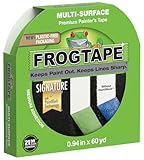
You’ve got your standard blue tape, which is usually a good all-rounder for painted walls. Then you have green tape, often called ‘delicate surface’ tape. This is usually the go-to for things like wallpaper, freshly painted walls that are still a bit soft, or, you guessed it, surfaces you’re worried about damaging. There’s also purple tape, which is typically for more demanding jobs, like exterior painting or very rough surfaces, and its adhesive is stronger. And don’t even get me started on that hideous orange stuff they sell for heavy-duty construction – that’s a big NO.
For stained wood, especially if it’s not fully cured or doesn’t have a solid topcoat, you want to use the gentlest tape possible. This means the green ‘delicate surface’ tape is your best bet. It’s designed to provide a clean line but remove without damaging the surface underneath. However, even ‘delicate surface’ tape can cause problems if the underlying surface is too fragile. I’ve had instances where even the green tape pulled up very soft finishes or extremely fresh stain. It’s always a gamble if the stain or finish isn’t properly cured.
Another trick I use, and this is important, is to ‘de-stick’ the tape before applying it to your stained wood. This is a concept that sounds a bit weird, but it works. Take a length of the tape and stick it to a clean piece of fabric, like a cotton t-shirt or a microfiber cloth, a few times. This removes some of the aggressive tackiness of the adhesive. Then, apply the de-sticked tape to your wood. It will still adhere well enough to create a seal for painting, but it will be much less likely to pull up the stain or finish when you remove it. It’s like giving the tape a gentle hug instead of a vice grip. (See Also: Does Masking Tape Work The Same As Painters Tape )
Common Mistakes When Taping Stained Wood
People mess this up constantly. It’s a combination of impatience and not understanding the materials. Here are the big ones I see:
- Taping too soon: This is number one. Stain needs time. A lot of time. I’ve seen people tape over stain that was barely dry to the touch, and the results were disastrous. Patience is your best friend here.
- Using the wrong tape: Grabbing the strongest tape you have because you think it’ll seal better. That’s a recipe for disaster on a delicate surface. Always opt for the gentlest tape that will do the job.
- Not testing in an inconspicuous area: Before you tape up that whole beautiful piece of furniture, test a small piece of tape in a hidden spot. Let it sit for a few hours, then pull it off. See if it lifts anything. This is a a must step for me now.
- Applying tape too aggressively: Pressing down hard all along the edge. You need a good seal, but you don’t need to embed the tape into the finish. Apply firm, even pressure, but don’t go overboard.
- Pulling the tape at the wrong angle: Always pull the tape back on itself at a sharp angle, slowly and steadily. Pulling straight up or at a shallow angle can increase the chance of lifting.
Final Thoughts
So, after all that, can I put painters tape on stained wood? My short, blunt answer is: cautiously, and only when you’re absolutely sure the stain is fully cured and ideally protected by a solid topcoat. Rushing this process is the quickest way to turn a beautiful stain job into a frustrating mess. I’ve learned to respect the drying and curing times, and a little bit of patience goes a long way in saving you a world of sanding and re-staining.
My biggest piece of advice? If you’re even a little bit unsure about how cured your stain or finish is, do a test. Find a small, hidden spot – the underside of an overhang, a corner that won’t be seen – and apply a piece of tape. Let it sit for as long as you’d planned to leave it during your actual project, then pull it off. If it lifts anything, you’ve got your answer. For me, that little bit of preventative testing has saved me countless headaches.
Ultimately, the goal is a clean paint line and an intact stain job. If you’re dealing with raw, uncured stain, the risk is just too high. Wait it out, get a good topcoat on there, and then reach for the green tape, preferably after de-sticking it. It’s the responsible way to approach painting over stained wood.