
So, you’ve decided to take the plunge, maybe replace a cracked screen on your old iPhone 6, or perhaps you’re just feeling adventurous. You’ve got your tiny screwdriver, your spudger, maybe even a heat gun. Then it hits you. That tiny, almost microscopic pentalobe screw at the bottom of your phone just… won’t budge.
It’s stripped. It’s rusted. It’s fused to the aluminum like it’s part of the phone’s soul. You start wiggling, applying more pressure, maybe even a bit of brute force, and the real dread sets in: you can’t get pentalobe screw out of iPhone 6.
Don’t panic. Yet. This little screw is notorious for causing a whole lot of frustration, and frankly, it’s a design choice I’ve never fully understood, even after years of tinkering with these devices. Let’s talk about why it’s so stubborn and what you can actually do about it.
That Stubborn Little Pentalobe Screw: Why Won’t It Turn?
Alright, let’s cut to the chase. The pentalobe screw is Apple’s way of saying, “Maybe you shouldn’t be opening this yourself.” It’s a proprietary five-point star-shaped screw, and its primary function isn’t just to hold the phone together; it’s to deter casual repairs. When you’re staring down at it, trying to get it out of your iPhone 6 and it just spins or, worse, starts to crumble under the bit, it feels personal.
I remember the first time I encountered one. I was trying to fix my buddy’s iPhone 6, convinced I could do it in ten minutes. I had a cheap kit I’d bought online for about $15. The driver bit felt loose, like it was made of soft cheese. I applied what felt like reasonable pressure, and suddenly, the satisfying click of engagement never came. Instead, I heard a faint, horrible grinding sound. The screw head was toast. It was a humbling moment, and I learned right then that cheap tools are often the most expensive mistake you can make in the long run.
Several factors make these screws a nightmare: the quality of the screwdriver bit, the material of the screw itself, and the presence of any sort of thread-locking compound (though Apple’s use of it is usually pretty light on these models, unlike some other components). Sometimes, the issue isn’t even the screw but the fact that the bit isn’t seated perfectly. If the bit is even slightly off-center, you’re applying force unevenly, which is a recipe for stripping. The sheer tininess of the screw head also means there’s very little surface area for the screwdriver to grip, so any compromise in the fit or the condition of the screw head is magnified.
People often ask if you can just drill it out. Theoretically, yes, but that’s a last resort that carries a significant risk of damaging the phone’s internal components or even the casing. You’re working with incredibly delicate electronics here, and a stray metal shaving or a slip of the drill can be catastrophic. It’s like trying to defuse a bomb with a sledgehammer. It might work, but the odds are decidedly not in your favor.
So, before you even think about applying more force or reaching for a drill, let’s talk about the tools and techniques that actually stand a chance. Investing in the right screwdriver is most important. It’s not just about having a pentalobe bit; it’s about having a high-quality pentalobe bit that fits snugly and is made of hardened steel, not some cheap alloy that rounds off after the first screw. (See Also: How To Fix Eyeglasses Arm Without Screw )
The Right Tools: More Than Just a Fancy Screwdriver
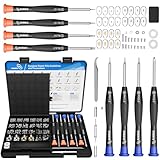
Look, I’m going to be blunt. If you’re using a generic, all-in-one multi-bit screwdriver set you got for free with some other gadget, you’re probably going to strip that pentalobe screw. The bits in those sets are often made from soft metal and aren’t precisely machined. For Apple devices, especially older ones like the iPhone 6, you need a dedicated, high-quality pentalobe P2 driver. I’ve spent a decent chunk of change over the years, probably around $80 across various kits, just to get reliable drivers for Apple devices. It’s not cheap, but it saves you headaches and money in the long run.
When you buy a good kit, you’ll notice the difference immediately. The driver bit will feel solid, it’ll seat perfectly into the screw head, and you’ll feel a satisfying engagement. Brands like iFixit are generally well-regarded for a reason. Their bits are made from S2 steel, which is much harder and more durable than the steel used in cheaper sets. They also tend to have a precise fit, which is everything when you’re dealing with these tiny, finicky screws.
Beyond the screwdriver itself, consider the environment you’re working in. A well-lit area is a must. You need to see exactly what you’re doing. Using a magnetic mat or a tray with compartments can help keep track of screws, but more importantly, it helps you keep the phone stable. If the phone is wobbling around, your screwdriver angle is going to be inconsistent, and that’s a fast track to stripping.
Some people swear by applying a small amount of penetrating oil or even a drop of super glue to the screw head and then fitting the driver. I’m generally wary of liquids near electronics, but if you go this route, use it extremely sparingly and only as a last resort. The idea is to give the driver a bit more grip, but too much will seep into the phone and cause damage. A tiny drop on the tip of the screwdriver bit itself, before inserting it into the screw, might be a safer bet. Let it sit for a few minutes to work its way in.
Also, don’t underestimate the power of a gentle heat application. A hairdryer on a low setting, held at a distance, can sometimes soften any adhesive or thread locker. Be cautious not to overheat the phone, as this can damage the battery and other components. A few seconds of gentle heat, followed by trying the driver again, can make a surprising difference. It’s about applying controlled force and using the right tools, not just muscling through it.
When the Screw Head Is Already Damaged: What Now?
Okay, so you tried. You went in with your slightly-less-than-perfect screwdriver, and now the head of that pentalobe screw looks like a mangled mess. It’s rounded off, and your driver just spins freely. This is where most people throw their hands up and declare the iPhone 6 a lost cause. But all hope is not lost, although your options are becoming more limited and… shall we say… less elegant.
The classic method for stripped screws involves using a rubber band. Place a wide, thick rubber band over the screw head, then firmly press your screwdriver into the rubber band and the screw. The rubber band can fill the gaps and provide enough friction for the driver to grip. I’ve had this work for me maybe 60% of the time on slightly stripped screws. It’s cheap, it’s easy, and it doesn’t involve any destructive measures. If it doesn’t work, you haven’t really lost anything but a few minutes. (See Also: How Measure Metric Computer Screws )
If the rubber band trick fails, you’re looking at more specialized tools. There are screw extractor kits designed for tiny electronics. These usually involve drilling a small pilot hole into the center of the damaged screw head and then using a reverse-threaded bit to grip and remove the screw. This is delicate work. You need a very steady hand and a powerful magnification tool, like a jeweler’s loupe or a microscope. If you drill too deep or off-center, you’ll damage the iPhone’s internal logic board or the surrounding housing. I tried this on a particularly stubborn iPad screw once, and while it worked, it took me over an hour of intense focus, and I was sweating bullets the entire time.
Another option is a Dremel tool with a very fine cutting wheel. The idea is to carefully cut a new slot across the stripped screw head, turning it into a flathead screw. Again, this requires extreme precision. You need to cut only deep enough to create a slot, without nicking the surrounding metal or any internal components. The dust generated can also be an issue, so a good vacuum cleaner and meticulous cleanup are key. This is a method I reserve for when I’ve absolutely exhausted every other possibility and the phone is otherwise destined for the e-waste bin.
For those who are truly desperate and have a bit more cash to spare, there are professional services that can remove damaged screws. They have specialized equipment, including micro-drills and laser cutters, that can handle this kind of repair without damaging the device. It’s not cheap, but if the data on the phone is important, it might be your best bet. I’ve never used one myself, but I’ve heard good things from fellow tinkerers who’ve had no other choice.
Common Mistakes People Make with iPhone 6 Pentalobe Screws
Let’s talk about what not to do. Because trust me, I’ve done most of it.
- Using the Wrong Screwdriver: This is the number one killer of pentalobe screws. If the driver doesn’t fit snugly, it’s going to strip the screw. You need a P2 pentalobe driver.
- Applying Too Much Force, Too Soon: Gentle, consistent pressure is key. If it’s not turning, don’t just crank harder. Stop, reassess, and try a different technique.
- Poor Lighting: Trying to fix electronics in dim light is asking for trouble. You need to see every detail.
- Not Stabilizing the Phone: A wobbly phone means a wobbly screwdriver, which means a high chance of stripping. Use a mat or a vice.
- Ignoring the Screw’s Condition: If you see damage, don’t just keep trying the same thing. Switch to a different method.
- Overheating: While heat can help, too much can melt plastic, damage the battery, or fry components. Be conservative.
When to Call It Quits (and What to Do Instead)
There comes a point where continuing to fight a stubborn pentalobe screw can cost you more than you’re willing to bear. I’ve been there. I’ve spent hours wrestling with a single screw, only to damage something else in the process. It’s a hard lesson, but sometimes, admitting defeat on that specific screw is the smartest move.
If you’ve tried a good quality P2 driver, the rubber band trick, gentle heat, and maybe even a bit of penetrating oil (carefully applied!), and the screw head is still mangled or just won’t budge, it’s time to seriously consider your options. For an iPhone 6, especially if it’s an older model, the market value might not justify the cost of professional repair for a single stubborn screw. The cost of a specialized screw extractor kit, plus the potential for further damage, can quickly add up.
My contrarian take here is that while DIY is great, sometimes the smartest “repair” is to harvest any salvageable parts and move on. Everyone talks about how easy it is to fix these phones, but they conveniently gloss over the frustration points like these pentalobe screws. My honest opinion? For anything beyond a simple screen replacement on a device this old, the cost-benefit analysis often leans towards replacement or professional data recovery if the data is irreplaceable. (See Also: How To Adjust Eyeglass Screw )
What can you do instead? First, if the phone is still functional but you just wanted to open it for curiosity or a minor fix, and you’ve reached this point, leave it be. The risk versus reward isn’t there. If you absolutely need data off the phone and it’s not booting, professional data recovery services are expensive but effective. They have the tools and expertise to get into devices without causing further damage. This is a viable option for irreplaceable photos or important documents.
Alternatively, if you’re looking to practice your repair skills, get a different broken iPhone 6. Practice on a device that isn’t your primary or that contains valuable data. You can find them for cheap on eBay or at local electronics recycling centers. This allows you to experiment with different tools and techniques, including the more aggressive ones, without the pressure of potentially ruining a device that still has some life or value left in it. You can learn how to use those tiny extractors or even practice the Dremel cutting method on a less important piece of hardware first. That’s how I learned to stop panicking when a screw head inevitably gets stripped.
| Tool/Method | Description | Success Rate (Estimate) | Risk Level | Verdict |
|---|---|---|---|---|
| High-Quality P2 Pentalobe Driver | Precision-machined, hardened steel bit. | 80-90% (if screw not already damaged) | Low | Must-have. Your first line of defense. |
| Rubber Band Method | Rubber band provides extra grip for the driver. | 50-60% (for slightly stripped screws) | Very Low | Easy to try, cheap, worth a shot. |
| Penetrating Oil/Super Glue (sparingly) | Helps loosen threadlocker or add grip. | 30-40% | Medium (risk of liquid damage) | Use with extreme caution. Last resort liquid. |
| Screw Extractor Kit | Reverse-threaded bits to grip drilled pilot hole. | 60-70% (requires precision) | High (risk of damaging board) | For advanced users, requires steady hands. |
| Dremel Tool (Cutting Slot) | Cutting a new slot for a flathead screwdriver. | 50-60% (requires extreme precision) | Very High (risk of severe damage) | Desperate measures for desperate times. |
| Professional Repair/Data Recovery | Specialized tools and expertise. | 95-100% | Very Low (for the device) | Expensive but reliable for important data/devices. |
People Also Ask
How Do I Get a Stripped Pentalobe Screw Out?
If the screw head is already stripped, your best bet is to try the rubber band trick first. Place a wide, thick rubber band over the screw head and then firmly press your screwdriver into it. If that doesn’t work, you might need to consider more aggressive methods like a screw extractor kit, which involves drilling a small hole and using a reverse-threaded bit, or carefully cutting a new slot with a Dremel tool. These methods require extreme precision to avoid damaging the phone.
What Is the P2 Pentalobe Screwdriver Size?
The P2 pentalobe screwdriver is specifically designed for the smallest pentalobe screws used by Apple, typically found on the bottom of iPhones (like the iPhone 6) and some MacBook models. It has a five-point star shape with a specific tip size and angle to fit these proprietary screws. It’s important to use a P2 driver that is of high quality and fits snugly to avoid stripping the screw head.
Can I Use a Regular Flathead Screwdriver on a Pentalobe Screw?
You can try to force a very small flathead screwdriver into a pentalobe screw, especially if the screw is already slightly damaged, but it’s a terrible idea. The fit will be poor, and you’ll almost certainly strip the screw head very quickly, making it much harder to remove. The pentalobe design is proprietary for a reason, and using the wrong tool is the most common way people get into trouble.
Is It Worth Fixing an iPhone 6 with a Stripped Screw?
For an iPhone 6, it’s often not financially worth the cost and effort to fix a stripped pentalobe screw, especially if you’re paying for labor or professional tools. The device’s market value is quite low, and the time and risk involved in removing a stripped screw can exceed its worth. If the data on the phone is critically important, professional data recovery might be an option, but for a standard repair, it’s usually more practical to consider a replacement device.
Final Verdict
So, you’ve hit a wall with that stubborn pentalobe screw on your iPhone 6. It’s a common frustration, a tiny metal gatekeeper designed to make DIY repairs a bit more challenging. You’ve learned that the right tools are a must, and sometimes, even the best tools can’t save a screw head that’s already seen better days.
If you’re still struggling, take a deep breath. Re-evaluate the situation. Is the data on the phone priceless? If not, consider if the effort is worth the potential reward. For an older device like the iPhone 6, it might be time to look at newer models or at least a different, less problematic phone.
However, if you’re determined, or if the data is important, remember the options: precise extraction tools, a steady hand, and maybe even professional help. Don’t let one tiny screw turn your repair into a complete disaster. You can’t get pentalobe screw out of iPhone 6 without patience and the right approach, so don’t rush it.
![AXTH 25-in-1 Small Precision Screwdriver Set, Professional Magnetic Mini Repair Tool Kit for Phone, Computer, Watch, Laptop, Macbook, Ring Doorbell, Eyeglass, Electronic, [Bearing Steel] Screw Driver](https://m.media-amazon.com/images/I/518YlLmPTcL._SL160_.jpg)
