
You’ve got that one watch, the one with the sentimental value, maybe it’s a vintage piece or just your go-to ticker. And then it happens. You need to change the battery, or maybe just tighten a loose band link, and you face the tiny, infuriating screws. Suddenly, you can’t get the screws out of watch.
It’s a common headache. Those minuscule heads strip easier than a politician’s promise, and the frustration builds with every slippage of your tiny screwdriver.
I’ve been there. More times than I care to admit, staring at a watch face, feeling like a clumsy giant trying to perform microsurgery. Let’s cut the fluff and talk about what actually works when you’re staring down a stripped watch screw.
The Tiny Terror: Why Watch Screws Are So Stubborn
Look, watch screws are not like the ones holding your IKEA shelf together. They’re tiny, often made of softer metals to avoid damaging the watch case if overtightened (a good intention gone wrong for us when they get stuck), and they live in a space where precision is everything. The heads are usually Phillips or flathead, but at a scale that makes a normal screwdriver feel like a bulldozer.
The main culprit when you can’t get the screws out of watch is usually a combination of factors. First, the quality of the screw itself. Cheaper watches might use softer metal that strips easily. Then there’s the driver. Using the wrong size or a worn-out driver is like trying to pick a lock with a butter knife – you’re going to do more damage than good.
Another big one is torque. People often overtighten these little guys, especially during assembly or battery changes. This can basically weld them into place, or at least make them incredibly resistant to turning. And let’s not forget corrosion or gunk. Over time, moisture and debris can work their way into the threads, creating a mini-corrosion bond that makes extraction a nightmare.
I remember a specific incident with an old Seiko my dad gave me. The battery died, and I, armed with a generic eyeglass repair kit, thought I’d be done in five minutes. I wasn’t. After about twenty minutes of praying and cursing, the Phillips head on one of the case back screws looked like a tiny, abstract sculpture. It was completely rounded out. I was so annoyed I almost threw the whole thing across the room. That’s when I learned that not all tiny screwdrivers are created equal, and neither are all tiny screws.
The material of the watch case can also play a role. If the screw is steel and the case is brass or aluminum, galvanic corrosion can occur over time, especially if exposed to moisture. This creates a bond that can be incredibly difficult to break.
The Right Tools for the Tiny Job
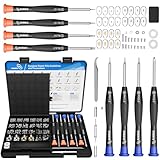
This is where most people go wrong. They grab the nearest screwdriver that looks like it fits. Big mistake. For watch screws, you need precision. We’re talking about dedicated watch repair toolkits. These aren’t fancy; a decent set will run you maybe $15-$30. Don’t cheap out here. A good kit will have multiple sizes of Phillips and flathead drivers, usually with swiveling tops so you can hold the shaft and spin the handle with one finger for controlled torque. (See Also: How To Fix Eyeglasses Arm Without Screw )
The key is the fit. The driver tip needs to seat perfectly into the screw head. Too small, and it’ll slip and strip. Too big, and it won’t go in far enough to engage. You want it to feel snug, like it’s molded for that specific screw slot. The metal of the driver tips should be hardened steel, not some flimsy alloy that bends or rounds off after a few uses.
Beyond the screwdrivers, you might need a few other things. A magnifying glass or a jeweler’s loupe is practically mandatory. You need to see what you’re doing. A pair of fine-tipped tweezers can be useful for holding tiny screws once they’re out, or for gently nudging stubborn ones. And sometimes, a bit of pressure is needed, so a small vise or a watch case holder can prevent the watch from spinning around wildly.
Here’s a quick rundown of what I consider the bare minimum for tackling tiny screws:
| Tool | Purpose | My Verdict |
|---|---|---|
| Precision Screwdriver Set (Phillips & Flathead) | Matching the driver to the screw head is most important. | Key. Don’t use anything else. |
| Jeweler’s Loupe / Magnifying Glass | To see the screw head detail and avoid slippage. | Highly Recommended. You’re blind without it. |
| Fine-Tipped Tweezers | Handling tiny screws, aligning drivers. | Useful. Good for dexterity. |
| Watch Case Holder / Small Vise | To keep the watch steady. | Optional, but helpful for difficult screws. |
When I first started messing with watches, I bought a cheap kit from a dollar store. The screwdrivers were soft, and the tips wore down after two screws. I ended up stripping one completely. I learned my lesson; investing about $20 in a decent set from a reputable tool brand (like Wiha or Vessel, though you don’t need to go that high-end for watches) makes a world of difference.
When the Driver Just Won’t Cut It: Advanced (and Desperate) Tactics
Okay, so you’ve got the right tools, you’re being careful, but that screw is just sitting there, mocking you. What now? This is where things get a bit more hands-on, and frankly, a bit risky. If a screw head is partially stripped, the goal is to get enough grip to turn it without destroying the surrounding metal.
One common trick is to use a tiny bit of abrasive material. Some folks swear by putting a tiny sliver of rubber band between the driver and the screw head. The rubber can fill in the gaps and provide extra friction. I’ve had mixed results with this; it works best if the stripping is minimal. Another method is using a bit of valve grinding compound or even a dab of toothpaste (yes, toothpaste) on the driver tip. The grit can help it bite into the damaged slot. Use this sparingly, and clean it off thoroughly afterward.
If the head is more severely damaged, you might need to try a screw extractor. These are tiny, reverse-threaded bits. You drill a small pilot hole into the center of the stripped screw, then use the extractor to bite into that hole and unscrew it. This is advanced territory for watch screws. You need a micro-drill set, and if you drill too deep or off-center, you’re toast. I only recommend this if the screw is in a non-important area or if the watch is otherwise ruined. The risk of damaging the movement or the case is high.
For a really stubborn screw, sometimes a tiny bit of penetrating oil can help. Apply it with a toothpick right into the screw threads. Let it sit for a few hours, or even overnight. Then try again with the correct driver. Heat can also sometimes help break a bond, but this is extremely risky on a watch. A controlled burst of hot air from a heat gun on a very low setting might loosen things up, but you risk damaging seals, glue, or even the watch movement itself. I’ve only ever done this on very old, very cheap pieces where the risk was minimal. (See Also: How Measure Metric Computer Screws )
I once had a screw that was so seized, it felt like it was part of the watch itself. I tried the rubber band trick, the toothpaste trick, everything. Finally, I used a set of micro-chisels (which is basically just tiny, sharp metal rods) to try and tap the edge of the screw head in the counter-clockwise direction. It was terrifying. I was holding my breath, barely tapping. Miraculously, it budged. It was ugly, and the screw head was mangled, but it came out. I replaced it with a tiny screw I scavenged from an old computer motherboard. It wasn’t pretty, but the watch worked.
Common Mistakes That Lead to Stripped Screws
Let’s be blunt: most of the time, you’re the reason the screw is stuck. It’s not the watch’s fault. The biggest mistake, as I’ve hammered home, is using the wrong screwdriver. It’s like trying to fit a square peg in a round hole, but with metal. The driver slips, and boom – stripped head.
Another common error is applying too much force sideways. You need to apply downward pressure while turning. Imagine you’re trying to keep the driver firmly seated in the screw head. If you let it wobble or apply sideways pressure, it’s going to cam out and strip the slot. This is why a steady hand and good lighting are so important.
Rushing is a close second. You’re in a hurry to change that battery, or maybe you’re just frustrated. You jam the screwdriver in, give it a hard twist, and suddenly you’re facing the consequences. Patience is not just a virtue; it’s a necessity when dealing with watch screws. Take your time, breathe, and focus on getting the driver seated perfectly before you even think about turning.
Using a screwdriver that’s too dull or worn is also a major culprit. Even if it’s the right size, a rounded-off tip won’t engage properly with the screw slot. This is why investing in a quality set pays off. You can also maintain your tools; a tiny file can sometimes touch up a slightly worn screwdriver tip, but be gentle.
Finally, not cleaning the screw head before attempting removal is a hidden killer. Dirt, grime, or even tiny bits of dried lubricant can prevent the driver from seating properly, leading to slippage. A quick wipe with a cotton swab and some isopropyl alcohol can make a surprising difference.
I once tried to remove a screw from a cheap quartz watch with a driver that was just a hair too small. I kept pushing harder, thinking I just needed more use. The driver slipped, gouged the metal around the screw, and then the screw head was completely mangled. I ended up having to buy a replacement watch because I couldn’t get the old one open without damaging it further. It cost me about $50 more in the long run than if I’d bought a $20 proper tool set initially.
When All Else Fails: Professional Help
Sometimes, you’ve tried everything. You’ve got the right tools, you’ve been patient, you’ve even resorted to slightly questionable methods, and that stubborn screw still won’t budge. At this point, before you do irreparable damage, it’s time to consider professional help. A good watchmaker or a jeweler who handles watch repairs has specialized equipment and experience with these tiny, frustrating components. (See Also: How To Adjust Eyeglass Screw )
They have access to things like micro-drills, laser welders (though that’s extreme), and specialized screw extractors that are far more precise than anything a hobbyist would typically own. They also have a wealth of experience. They’ve seen it all – rusted screws, cross-threaded screws, screws that have been glued in by a previous, unqualified ‘repairer’. They know the right amount of force, the right angle, and when to stop before causing more damage.
The cost of professional repair can vary wildly depending on the complexity of the watch and the severity of the stuck screw. For a simple battery change or band adjustment that’s being held up by a single stubborn screw, you might be looking at $20-$50. If it’s a more complex issue, like a screw stripped inside a valuable timepiece’s movement, the cost could be significantly higher. It’s always worth getting a quote first.
Think about it: if you’ve spent hundreds or even thousands of dollars on a watch, risking damage with DIY attempts is a foolish economy. The peace of mind knowing it’s in the hands of someone who does this for a living is often worth the fee. I’ve learned this the hard way. I tried to fix a clasp on a relatively expensive bracelet myself, stripped a tiny screw, and ended up having to pay double what a jeweler would have charged to fix my mess. It was a humbling, expensive lesson.
Faq: Your Stuck Watch Screw Questions Answered
How Do I Get a Stripped Watch Screw Out Without Special Tools?
If you absolutely must try without specialized tools, focus on maximizing grip. Try using a piece of a rubber band, a bit of textured tape, or even a tiny dab of abrasive paste (like toothpaste) on the tip of your screwdriver. Apply firm downward pressure and turn slowly. However, I strongly advise against this if the screw is in a important area, as the risk of further damage is high. Proper tools are always the best first step.
Can I Use Super Glue to Get a Watch Screw Out?
This is a risky maneuver. You can try applying a tiny drop of super glue to the tip of a spare screwdriver (or a hex key that fits snugly) and then carefully adhering it to the stripped screw head. Let it cure completely, then try to turn it. The main danger is accidentally gluing the screw to the watch case or the screwdriver permanently. If it works, you’ll likely destroy the screwdriver tip.
What Kind of Screwdriver Do I Need for Watch Screws?
You need precision screwdrivers. Specifically, you’ll want a set that includes very small Phillips head (often #000, #00, #0) and flathead (e.g., 1.0mm, 1.2mm, 1.5mm) sizes. The key is that the driver tip must perfectly match and fit the slot in the screw head to prevent slippage and further damage. Avoid generic eyeglass repair kits, as their quality is often poor.
My Watch Screw Is Rusted, What Can I Do?
For rusted watch screws, a tiny amount of penetrating oil applied with a fine needle or toothpick can help loosen the rust. Let it sit for several hours or overnight. Then, use the correct size precision screwdriver with firm downward pressure and try to turn it slowly. If rust is severe and the screw head is intact, you might need to gently tap the screwdriver handle with a small hammer or use a small, controlled application of heat, but be extremely cautious with heat around watch components.
Final Verdict
So, you’re still staring at that tiny, defiant screw. The frustration is real. Remember, the most common reason you can’t get the screws out of watch is usually down to using the wrong tools or rushing the job. A good set of precision screwdrivers and a bit of patience are your best friends here.
If you’ve tried the basic methods and that screw is still welded in place, it’s probably time to swallow your pride and take it to a professional. Messing with it further might cost you more in the long run than a simple repair fee.
Don’t let a tiny screw ruin your favorite timepiece. Grab the right gear, take a deep breath, and give it another honest shot, or know when to call in the cavalry.
![AXTH 25-in-1 Small Precision Screwdriver Set, Professional Magnetic Mini Repair Tool Kit for Phone, Computer, Watch, Laptop, Macbook, Ring Doorbell, Eyeglass, Electronic, [Bearing Steel] Screw Driver](https://m.media-amazon.com/images/I/518YlLmPTcL._SL160_.jpg)
