I remember the first time I cracked open a motorcycle clutch. Freshly bought manual in hand, feeling like a proper mechanic, I started unbolting the pressure plate. Everything looked pretty straightforward, until I got to the part about torque specs. My manual just said ‘tighten securely.’ Securely? What the heck does that mean in metric units?
This whole torque spec thing can feel like a massive gray area sometimes, especially with older bikes or when you’re working on something as vital and potentially catastrophic as a wet clutch. So, do bolts in a wet clutch have to be torqued? The short answer is: yes, and here’s why you absolutely shouldn’t wing it.
Getting this right isn’t just about keeping your bike together; it’s about saving yourself a world of pain and money down the line. Trust me on this one.
Why Torque Matters When Rebuilding Your Wet Clutch
Let’s get down to brass tacks. When you’re dealing with the innards of a motorcycle or ATV engine, specifically the wet clutch assembly, every single fastener has a job to do. And the way it does that job is directly influenced by how tightly it’s secured. The bolts holding your clutch pressure plate and basket together aren’t just there to keep things from rattling loose.
They’re engineered to apply a precise amount of clamping force, and that force needs to be just right. Too little, and things can shift, vibrate themselves loose, or even fail catastrophically.
Too much, and you risk stripping threads, warping components, or snapping the bolt head clean off. That’s a bad day, no matter how you slice it.
Think about it like this: the clutch plates themselves need to be squeezed together with a consistent force to transmit power effectively. If the bolts aren’t torqued evenly, one side of the pressure plate might be clamping down harder than the other. This uneven pressure can cause the clutch plates to wear prematurely and unevenly.
You’ll end up with a grabby, slipping clutch that feels like it’s made of butter. I once tried to ‘eyeball’ the tightness on a set of clutch bolts after losing my torque wrench. Within 50 miles, the clutch was chattering like a jackhammer and slipping under acceleration. Lesson learned the hard, expensive way.
The manual wasn’t being lazy; it was trying to save me from myself.
Even the slightest variation in torque can lead to imbalances. These imbalances create vibrations, which in turn can accelerate wear on bearings, seals, and other rotating parts within the engine. Over time, these small vibrations can turn into larger problems, leading to leaks, increased noise, and eventual component failure. It’s a cascade effect.
The manual’s torque spec for the clutch cover bolts, for instance, isn’t just a random number. It’s calculated to make sure the gasket seals properly without being crushed, preventing oil leaks. And the bolts holding the clutch basket to the crankshaft? Those are under significant centrifugal force and torsional stress.
They absolutely need to be at the specified torque to prevent the basket from coming loose, which would be… well, catastrophic. You don’t want your clutch basket deciding to go for a solo flight inside your engine case.
People often wonder if doing bolts in a wet clutch have to be torqued because some older bikes or less performance-oriented machines might have less stringent factory recommendations. However, even in those cases, ‘tighten evenly’ is the underlying principle. For most modern motorcycles, ATVs, and any performance-oriented application, precision matters. The engineers who designed these machines spent countless hours calculating these values. Ignoring them is like ignoring the instructions on a bomb – you might get lucky, but the odds are stacked against you.
The Danger of Guesswork: What Happens When You Don’t Torque
So, what happens if you decide to skip the torque wrench and just go with ‘good and tight’? I’ve been there, staring at a pile of parts and thinking, ‘How much force is really needed here?’ It’s a tempting shortcut, especially if you’re in a hurry or just don’t have the right tool. I once tried to tighten clutch bolts with just a regular socket wrench and a bit of ‘feel.’ Big mistake. The result? A clutch that slipped like an oiled-up politician and a distinct metallic grinding sound that started after about an hour of riding. Turns out, I’d over-tightened some and under-tightened others. The uneven pressure warped the clutch plates and put undue stress on the basket.
The immediate consequences can range from a spongy clutch lever and inconsistent engagement to a complete loss of drive. Imagine you’re halfway through a challenging trail or on a long highway stretch, and suddenly your bike just stops transmitting power. That’s the sound of your clutch failing because the bolts weren’t properly torqued. It’s not just about the clutch plates; the bolts themselves can be stressed beyond their yield point. (See Also: Do You Need Torque Caliper Bolts )
Over-tightening can stretch the bolt threads, weakening them significantly. This makes them prone to failure under vibration or load. I’ve seen snapped bolt heads that looked like they’d been cut with a dull saw – a clear sign of being over-stressed. And then there’s the opposite problem: under-tightening.
Loose bolts can vibrate themselves out entirely. I heard a story from a buddy whose clutch basket retaining bolts worked themselves loose. The basket started wobbling, ate through the clutch cover, and took a chunk of the engine casing with it. The repair bill was astronomical.
Warping is another huge issue. The clutch pressure plate and the clutch basket are typically made of aluminum or a similar lightweight alloy. These materials are susceptible to deformation. When you apply uneven clamping force from improperly torqued bolts, you can warp these components.
A warped pressure plate won’t seat evenly against the clutch plates, leading to slipping and premature wear. A warped basket can cause the plates to bind, making clutch engagement rough and jerky. It also puts uneven stress on the clutch basket’s teeth, which engage with the gearbox input shaft.
You’re basically trying to make a precise mechanical device function with mismatched forces applied. It’s like trying to build a sturdy shelf with two legs shorter than the others; it’s bound to be wobbly and eventually fail.
Furthermore, many clutch assemblies involve gaskets that need specific compression to seal properly. Over-torquing can crush the gasket, making it brittle and prone to cracking, leading to oil leaks. Under-torquing means the gasket won’t seal, and you’ll have oil seeping out. Getting that ‘just right’ compression is precisely what torque specifications are for. So, if you’re asking yourself, ‘do bolts in a wet clutch have to be torqued?’ the answer is a resounding yes, to avoid these costly and potentially dangerous failures.
Understanding Torque Specs and How to Read Them
Let’s talk about the numbers. Torque specifications are usually expressed in Newton-meters (Nm) or foot-pounds (ft-lbs). Your motorcycle or ATV service manual is your best friend here.
It will have a dedicated section detailing the torque values for every single fastener on the bike, including those on the clutch. For example, you might see something like: ‘Clutch pressure plate bolts: 10 Nm (7.4 ft-lbs).’ It’s vital to use the units specified in your manual.
Most modern torque wrenches are dual-scale, but it’s easy to get them mixed up, especially if you’re working with imperial or metric tools and a manual in the other system. I once accidentally torqued something to 10 ft-lbs instead of 10 Nm, which is a significant difference. It felt way too loose when I checked it again, but by then, I’d already stressed the threads.
When you see multiple bolts around a component like the clutch pressure plate, the manual will almost always specify a tightening pattern. This is usually a star or crisscross pattern. You don’t just tighten one bolt all the way down, then move to the next. Instead, you tighten each bolt a little bit at a time, moving in that pattern. For instance, if there are six bolts, you might go around tightening each one to about 5 Nm, then go around again tightening each one to the full 10 Nm. This process gradually seats the component evenly, preventing distortion and making sure the gasket seals uniformly. It’s about applying the load incrementally across the entire surface.
Why is this pattern so important? Imagine tightening a lid on a jar. If you just crank down on one spot, the lid will eventually go on crooked. But if you tighten it little by little, working your way around, it goes on straight and seals properly. The same principle applies to clutch components. This methodical approach makes sure that the clamping force is distributed evenly, minimizing stress on the bolts and the parts they are holding together. It’s a fundamental aspect of mechanical assembly that’s often overlooked by people in a rush.
Now, about finding those specs. Official service manuals are the gold standard. You can usually buy them from the manufacturer, a dealership, or often find digital versions online. eBay is a great source for used manuals.
If you absolutely can’t find an OEM manual, reputable online forums dedicated to your specific make and model can be a treasure trove of information, but always cross-reference if possible. Some people also rely on aftermarket repair manuals, but again, verify the information if you can. The key takeaway is that the numbers are there for a reason. They represent calculated engineering to make sure safety, reliability, and performance.
So, when you’re working on your machine and ask yourself, ‘do bolts in a wet clutch have to be torqued?’ remember that the manual’s answer is designed to prevent costly mistakes. (See Also: Do I Need Special Replacement Bolts For Car Engines )
Torque Wrench Types and Recommendations
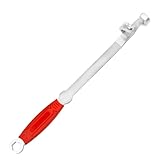
Not all torque wrenches are created equal, and they come in a few main varieties. The most common and generally reliable for DIY work is the ‘click-type’ torque wrench. You set your desired torque value, and when you reach that torque, the wrench will audibly ‘click’ and often release a little tension, letting you know you’ve hit the mark. They’re pretty intuitive and affordable for most home mechanics. I’ve got a decent Craftsman clicker that’s served me well for years.
Beam-type torque wrenches are simpler, with a needle that moves along a scale. You watch the needle, and when it hits your target number, you stop. They’re usually cheaper but can be harder to read precisely, especially in awkward positions. Dial-type torque wrenches are similar to beam types but use a dial indicator for a more precise reading. For important applications, electronic torque wrenches offer digital readouts and audible alerts, often with a wider torque range and higher accuracy, but they come with a significantly higher price tag.
For working on a wet clutch, a 3/8-inch drive click-type torque wrench is usually sufficient. You’ll want one that covers the range specified in your manual, typically from around 5 Nm up to maybe 50 Nm for smaller fasteners. If your manual calls for higher torques (like for axle nuts), you might need a 1/2-inch drive wrench. Always check the manual’s specs for the bolts you’ll be working on. Accuracy is key, so if your torque wrench is old, has been dropped, or you’re unsure about its accuracy, consider having it calibrated or investing in a new one. A cheap torque wrench that’s inaccurate is worse than no torque wrench at all.
Common Mistakes When Torquing Clutch Bolts
This is where I’ve personally stumbled more than once. One of the most frequent mistakes is using the wrong torque wrench or not understanding its range. If a bolt requires 70 ft-lbs and your wrench only goes up to 25 ft-lbs, you’re going to try and force it or use a cheater bar, both of which are recipes for disaster. I once tried to torque a caliper bolt with a small clicker meant for delicate internal engine work. It just kept clicking, so I thought I hadn’t tightened it enough, and ended up over-tightening it, which then stripped the threads in the fork leg. That was an expensive lesson in tool selection.
Another huge mistake is ignoring the tightening sequence. As I mentioned, components like clutch pressure plates need to be tightened in a specific pattern (usually a star or crisscross pattern) and often in stages. Rushing this process by just tightening bolts in a circle will lead to uneven pressure, warping, and potential leaks. It’s a habit I’ve had to break myself – the urge to just get it done. But with clutch components, taking that extra time to follow the sequence is a must. It’s about controlled, even clamping.
Dirty or damaged threads are another common pitfall. If the bolt threads or the threads in the engine case are dirty, corroded, or damaged, they won’t seat properly. This can give you a false sense of tightness when torquing. You might hit your torque spec, but the actual clamping force is much lower because of the resistance from the debris.
Always clean your threads thoroughly before assembly. Some people even use anti-seize compound on threads, but be careful – this can alter the torque reading. If the manual doesn’t specify using anti-seize, it’s usually best to leave it off, as the torque spec is calculated for dry threads. Some specialists argue that for certain high-vibration applications, a tiny bit of threadlocker (like Loctite Blue) is recommended, even if not explicitly stated in the manual.
However, this is a slippery slope; for most factory-spec work, stick to what the manual says unless you have a very good reason and understand the implications.
Finally, and this is a big one: reusing old bolts. Clutch bolts, especially those under significant stress, can become fatigued over time. They can stretch slightly with each tightening cycle. Reusing them without proper inspection, or even with inspection if they’re known to be prone to stretching, is a gamble. Most manufacturers will recommend replacing important fasteners, especially if they have been removed multiple times or show any signs of damage or deformation. It’s a cheap insurance policy against a catastrophic failure. So, when you’re in doubt, or if your manual specifically calls for new bolts, just buy them. It’s far cheaper than an engine rebuild.
Practical Tips for Torqueing Your Wet Clutch Bolts
First off, cleanliness is king. Before you even think about torque specs, make sure all mating surfaces, the bolts themselves, and the threads in the engine case or basket are spotlessly clean. Use a good degreaser and a clean rag. Any dirt, old gasket material, or metal shavings can throw off your torque readings and prevent proper sealing. I like to use brake cleaner on a rag to get everything truly spotless before I start bolting things back together. It’s a small step that makes a huge difference in the reliability of your repair.
When using a click-type torque wrench, always ‘zero’ it by backing off the adjustment before storing it. Leaving it set at a high torque can actually weaken the spring inside over time, making it less accurate. Also, always turn the adjustment knob slowly and deliberately. If you’re setting a specific value, make sure you’ve got the right reading locked in. And remember that torque is applied smoothly. Don’t jerk the wrench. Apply steady pressure until you hear and feel the click. If you overshoot, it’s often best to back off the bolt and re-torque it, rather than trying to ‘correct’ it in place, as this can damage the threads.
Follow the tightening sequence religiously. I can’t stress this enough. If your manual shows a star pattern for, say, eight bolts, go around each bolt twice. The first pass tightens them all to about half the final torque, and the second pass brings them all up to the final torque. This makes sure the pressure is distributed evenly and the component is seated perfectly flat. I’ve learned this the hard way; rushing the sequence on a clutch cover once led to a slow oil leak that took me ages to track down. It was the uneven gasket compression from not following the pattern.
A few words on threadlockers and anti-seize. Unless your manual specifically calls for them, avoid them. The torque specifications are calculated for dry threads.
Adding anti-seize can effectively reduce the clamping force you achieve at a given torque setting, leading to bolts loosening. Adding threadlocker can increase the torque required to tighten the bolt, potentially leading to over-tightening or thread damage. If you’re unsure, err on the side of caution and follow the manual precisely. For important fasteners in high-vibration environments, some mechanics will add a drop of blue Loctite (medium strength) even if not specified, but this is something to research for your specific application and understand the potential consequences. (See Also: Can You Use A Torque Wrench To Break Bolts Loose )
For general clutch cover or pressure plate bolts, it’s usually not necessary.
Faq: Addressing Common Wet Clutch Bolt Questions
Do I Need a Special Torque Wrench for Motorcycle Clutch Bolts?
For most motorcycle and ATV clutch bolts, a standard 3/8-inch drive click-type torque wrench covering a range from about 5 Nm to 50 Nm is sufficient. Make sure it’s calibrated and accurate for the torque values specified in your service manual. Avoid using torque wrenches that are too large or too small for the required torque range, as this can lead to inaccurate readings or damage.
Can I Reuse Clutch Bolts If They Look Okay?
It’s generally not recommended to reuse clutch bolts, especially those that are under high stress or have been removed multiple times. Bolts can stretch and fatigue, and their original torque specifications might no longer be reliable. Replacing them with new, specified bolts is a cheap insurance policy against catastrophic failure and is often recommended by manufacturers.
What Happens If I Over-Tighten Clutch Bolts?
Over-tightening clutch bolts can lead to stripped threads in the engine case or the bolt itself, warped clutch plates or pressure plates, damaged gaskets causing leaks, or even snapping the bolt head off. This can result in expensive repairs and potential engine damage. Always adhere to the torque specifications in your service manual.
What If My Manual Just Says ‘tighten Securely’?
If a manual uses vague terms like ‘tighten securely’ for clutch bolts, it typically implies that the component is less important, or it’s an older manual. In such cases, aim for even tightening across all bolts in a pattern, making sure they are snug but not excessively forced. However, for any important components, always try to find a more precise torque specification if possible, or consult a mechanic familiar with your specific model.
Is It Okay to Use Anti-Seize on Clutch Bolts?
Generally, no, unless your service manual explicitly states to use anti-seize compound. Torque specifications are calculated for dry threads. Adding anti-seize can reduce the friction, meaning you achieve less clamping force at the specified torque, potentially leading to loose bolts. If you’re unsure, always follow the manual’s guidance.
When Do Bolts in a Wet Clutch Have to Be Torqued?
Bolts in a wet clutch assembly ‘have to be torqued’ whenever precise clamping force is required for proper function, safety, and longevity. This includes bolts securing the clutch pressure plate, clutch basket, and often the clutch cover. The torque values are engineered to make sure even pressure, proper gasket sealing, and prevent component failure under operational stresses.
The Bottom Line: Torque Is a Must
Let’s cut to the chase. Do bolts in a wet clutch have to be torqued? Yes, absolutely. It’s not a suggestion; it’s a requirement for getting the job done right. I’ve seen firsthand (and heard enough horror stories) what happens when people try to wing it. The cost of a torque wrench, or getting one calibrated, is a minuscule fraction of what it costs to fix a damaged clutch, gearbox, or even a cracked engine case. It’s about precision, consistency, and ultimately, the reliability and safety of your machine.
Thinking you can just ‘feel’ the right tightness is a dangerous game. Materials, thread pitches, and the stresses involved are too precise to rely on guesswork. The engineers who designed your bike didn’t pick those torque numbers out of a hat; they’re the result of calculations and testing aimed at making the clutch work as intended and last as long as possible. Deviating from them is basically telling the engineers, ‘I know better,’ and usually, you don’t.
So, next time you’re diving into your wet clutch, make sure you have the right tool, the right specs from your service manual, and the patience to follow the procedure. It’s the difference between a repair that lasts and a problem that keeps coming back, costing you time, money, and a lot of frustration. Don’t be the guy who had to pull his engine apart a second time because he skipped the torque wrench the first time.
Final Verdict
So, to wrap this whole thing up: do bolts in a wet clutch have to be torqued? Yes. Every single one of them that holds the clutch assembly together needs to be tightened to the manufacturer’s specified torque. It’s not about being a perfectionist; it’s about being a competent mechanic who respects the engineering that went into the machine.
I’ve learned this lesson the hard way more times than I care to admit, from slightly leaking clutch covers to clutch plates that wore out in half the expected time. The cost savings from skipping a torque wrench are an illusion, a short-term gain that almost always leads to a much larger, more expensive problem down the road. Think of it as an investment in your bike’s longevity and your own peace of mind.
The next time you’re faced with a clutch job, grab that service manual, find the torque specs, and use your torque wrench. Your bike will thank you, and you’ll sleep better knowing it was done right. If you’re still unsure about a specific torque value or procedure, don’t guess – ask a qualified mechanic or find a reliable resource specific to your model.