I remember the first time I tried to replace my own brake pads. Everything was going fine, I’d watched a dozen YouTube videos, felt pretty good about myself. Then came the caliper bolts. The manual said ‘torque to spec.’ My brain said, ‘Just tighten ’em up good.’ I opted for the latter. Big mistake. That slight wobble I felt on the highway later that week? Yeah, that was the start of a very expensive lesson.
So, do caliper bolts need to be torqued? The short answer is a resounding YES. It’s not just some extra step for mechanics to look busy. It’s about safety, plain and simple. Ignoring it is like playing Russian roulette with your car, and frankly, it’s just not worth the gamble.
Why Torquing Caliper Bolts Isn’t Optional
Look, I get it. We all want to save a buck and get our hands dirty. There’s a certain satisfaction in fixing your own car. But when it comes to the parts that keep you from careening off the road, cutting corners is a terrible idea. Caliper bolts are important. They hold your brake calipers, which house the pads that squeeze your rotors to stop your car. If they aren’t tight enough, the caliper can shift. If they’re too tight, you can strip the threads or even snap the bolt head off. Neither of those scenarios is good.
When a caliper bolt is torqued correctly, it applies a specific, even clamping force. This force is calculated to keep the caliper perfectly aligned and stable during the intense forces of braking. Think about it: every time you hit the brakes, especially hard, you’re putting a massive amount of stress on that caliper assembly. A bolt that’s just ‘snugged up’ might hold for a while, but vibrations, heat cycles, and repeated braking forces can cause it to loosen over time. That’s when you get that unsettling feeling that something’s not quite right with your brakes.
I once had a buddy who swore up and down that ‘torque wrenches are for fancy mechanics with too much time.’ He’d just cranked his caliper bolts down with his cordless impact wrench on the highest setting. A few weeks later, one of the bolts backed out enough to cause a distinct grinding noise. Luckily, it didn’t come completely loose while he was driving, but it needed a new bolt, a new caliper bracket, and he learned a very expensive lesson about respecting torque specs. It cost him way more than a decent torque wrench ever would have.
The reason torque specifications exist is rooted in material science and engineering. Bolts aren’t just pieces of metal; they stretch slightly when tightened to a specific tension. This stretch is what creates the clamping force. Too little stretch, and the bolt might loosen. Too much stretch, and you exceed the bolt’s elastic limit, permanently deforming it, or even fracturing it. Manufacturers spend a lot of time and money figuring out the exact amount of tension needed for each specific bolt in a specific application. It’s not guesswork; it’s physics.
The Nuts and Bolts of Brake Caliper Torque
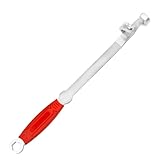
So, how do you actually go about torquing these things? It’s not rocket science, but it does require the right tool and a bit of attention to detail. First off, you absolutely need a torque wrench. Don’t even think about trying to eyeball it. I’ve got a pretty decent digital one that I picked up for around $75 a few years back, and it’s paid for itself about ten times over. There are cheaper click-style ones too, which are perfectly fine for DIY work, often found for $20-$30. Just make sure it’s calibrated or at least has a good reputation.
Once you have your torque wrench, the next step is finding the correct torque specification. This is a must. You can usually find this information in a few places: the repair manual for your specific make and model (Haynes or Chilton manuals are great for this, or the factory service manual if you can get your hands on one), or increasingly, online forums dedicated to your car model. Sometimes, if you’re lucky, the torque spec is even stamped onto the caliper bracket itself, though this is rarer. (See Also: Do You Need Torque Caliper Bolts )
Before you start torquing, make sure the threads on both the bolt and the mounting point are clean and dry. Some manufacturers specify a light application of anti-seize compound, but for caliper bolts, it’s usually best to keep them clean and dry unless the manual explicitly states otherwise. Also, make sure the bolt is started by hand to avoid cross-threading. Once it’s finger-tight, then you bring out the torque wrench. Set it to the specified value, and tighten the bolt smoothly until the wrench clicks or indicates that the set torque has been reached. Don’t yank on it; a steady, even pull is key.
When to Be Extra Careful
There are a couple of situations where you need to be particularly vigilant. If you’re working on a vehicle with performance brakes, like those found on sports cars or trucks used for towing, the torque specs are often higher and more important. These systems are designed to handle much greater forces, and imprecise tightening can have more severe consequences. Always double-check the specs for these applications.
Another point of caution is when you’re dealing with older vehicles or vehicles that have seen a lot of hard use. The threads in the mounting points can become worn or damaged. In such cases, even if you torque the bolt correctly, there’s a higher risk of it loosening. If you suspect thread damage, it’s wise to inspect them closely and consider thread repair options before reassembling.
Common Mistakes and How to Avoid Them
I’ve seen and made my fair share of mistakes over the years, and brake jobs are rife with potential pitfalls for the uninitiated. One of the most common errors, besides just not torquing the bolts, is over-torquing. People think ‘tighter is better,’ but that’s a dangerous fallacy. Overtightening caliper bolts can strip the threads in the caliper bracket or the knuckle, which is a costly repair. It can also physically damage the bolt itself, leading to premature failure. I once saw a bolt sheer off right at the head during tightening because someone used a breaker bar instead of a torque wrench.
Another mistake is not cleaning the threads. Dirt, rust, or old thread locker can interfere with the bolt’s ability to stretch correctly, meaning the torque reading you get from your wrench might not reflect the actual tension on the bolt. This can lead to the bolt being effectively undertorqued even if your wrench says it’s at the right setting. Always clean those threads, either with a wire brush or a dedicated thread chaser. A little bit of effort here goes a long way in making sure a secure fastening.
A third common error is using the wrong type of lubricant or, worse, no lubricant when one is specified. Some manufacturers want a dab of brake grease on the threads, while others specify a thread locker compound, or absolutely nothing at all. Forgetting to use thread locker when it’s called for, or using the wrong kind, can lead to loosening. Conversely, using a lubricant that wasn’t intended can lead to over-torquing because the lubricant reduces friction, making the bolt seem tighter than it is. Always read and follow the service manual’s recommendations to the letter.
Finally, and this is a big one, people often forget about the torque-to-yield (TTY) bolts. These are common on newer vehicles, especially for important components like suspension and engine parts, and increasingly for brake components. TTY bolts are designed to be stretched to their elastic limit, and once they’ve been torqued once, they can’t be reliably reused. If your caliper bolts are TTY bolts (and they often are on modern cars), you must replace them with new ones and torque them according to the procedure, which often involves an initial torque followed by an angle specification. Trying to reuse TTY bolts is a gamble you shouldn’t take. (See Also: Do I Need Special Replacement Bolts For Car Engines )
| Method | Pros | Cons | Verdict |
|---|---|---|---|
| Impact Wrench (Max Setting) | Fast | High risk of over-tightening, stripping threads, or snapping bolts. Inconsistent. | Absolutely not. High risk of damage and failure. |
| Breaker Bar (‘Good and Tight’) | Readily available | Completely inconsistent. You have no idea if it’s too loose or too tight. | Dangerous guesswork. Avoid at all costs. |
| Torque Wrench (Correct Spec) | Precise, repeatable, safe. Makes sure proper clamping force. | Requires the right tool and finding the correct spec. Takes a little longer. | The only acceptable method for safety and reliability. |
Real-World Use and Lived Experience
I learned this lesson the hard way a few years back when I was working on a friend’s older BMW. The caliper bolts looked a bit crusty, and I just gave them a good snug with a ratchet. Fast forward six months and maybe 5,000 miles. He calls me up, brakes feel spongy, and he’s hearing weird noises. Turns out, one of the caliper bolts had vibrated loose just enough to cause play, and it had started to chew up the mounting surface on the caliper bracket. We caught it before it became a catastrophic failure, but replacing that bracket wasn’t cheap, and the whole job took way longer because we had to deal with the damaged parts.
That experience really hammered home the importance of proper torque. It’s not just about the bolt itself, but how it interacts with the entire braking system. A loose caliper can lead to uneven pad wear, rotor damage, and compromised braking performance. On the flip side, over-tightening can damage the threads, making future repairs a nightmare. I’ve since become religious about using my torque wrench for any brake component, no matter how small it seems.
Another thing I’ve noticed is how much variation there can be, even within the same manufacturer. A sedan might have one torque spec, while the SUV version of the same car could have a completely different one for the same size bolt. It’s why always using a service manual or reliable online data for your specific vehicle and trim level is so important. Relying on generic advice or assuming it’s the same as your last car is a recipe for disaster.
There’s also a subtle tactile feedback you get when using a torque wrench correctly. You feel the click, or see the indicator. It’s a confirmation that you’ve achieved the intended clamping force without exceeding it. It removes all the guesswork and doubt. For important components like brake calipers, that peace of mind is invaluable. It means you can drive with confidence, knowing that the parts you worked on are properly secured.
The Myth of ‘just Tight Enough’
Everyone’s got that one uncle or friend who’ll tell you, ‘Nah, you don’t need a torque wrench for that. Just tighten it till it feels right.’ I disagree completely. ‘Feels right’ is subjective and highly unreliable. It depends on your strength, the tool you’re using, and even the friction of the threads. What feels ‘right’ to you might be significantly undertorqued or massively overtorqued for the part. This is especially true for something as safety-important as brake caliper bolts, where the tolerances are tighter than you might think. Relying on feel alone is a gamble with potentially devastating consequences.
Practical Tips for Getting It Right
Here are a few things I always do now to make sure caliper bolts are torqued correctly, every single time:
- Always use a torque wrench. I can’t stress this enough. Get one, learn how to use it. It’s the single most important tool for this job.
- Find the exact spec. Don’t guess. Use your car’s service manual, a reputable repair database, or a trusted online forum for your specific year, make, and model.
- Clean the threads. Use a wire brush or thread chaser to remove any rust, dirt, or old thread locker. Dry threads are best unless the manual specifies otherwise.
- Start bolts by hand. This prevents cross-threading, which can ruin the threads and cause the bolt to not seat properly.
- Tighten smoothly. When using the torque wrench, apply steady pressure. Avoid jerky movements. Let the wrench do its job.
- Replace TTY bolts. If your vehicle uses torque-to-yield bolts for the calipers (check your manual), always use new ones.
- Re-check after a short drive. For extra peace of mind, especially after a brake job, take a short drive (10-15 miles) and then re-check the torque on the caliper bolts. Listen for any unusual noises.
When to Question the Manual
This is a rare one, but sometimes, especially with aftermarket parts or older, heavily modified vehicles, the manufacturer’s torque spec might feel questionable. If you’re using a brand-new, high-performance caliper bracket from an aftermarket supplier, they might have their own recommended torque spec that differs slightly from the OEM manual. In these cases, it’s usually best to follow the instructions provided by the component manufacturer. However, if something feels drastically wrong – like a bolt bottoming out way before the torque spec is reached, or a spec that seems impossibly high or low – it’s worth stopping and investigating further. Sometimes, a quick call to the aftermarket part manufacturer’s tech support can clear things up. (See Also: Can You Use A Torque Wrench To Break Bolts Loose )
The Faq: Do Caliper Bolts Need to Be Torqued?
Why Is Torquing Caliper Bolts Important?
Torquing caliper bolts is vital because it makes sure they are tightened to a specific tension, which is important for the safe and effective operation of your braking system. Incorrect torque can lead to the caliper shifting, uneven brake pad wear, or even bolts loosening and causing a loss of braking power. It’s a safety-important component, and precise fastening is most important.
What Happens If Caliper Bolts Are Too Loose?
If caliper bolts are too loose, the caliper can move around during braking, leading to a spongy brake pedal feel, grinding noises, and significantly reduced braking performance. In severe cases, a loose bolt can work its way out entirely, leading to a complete loss of braking on that wheel, which is extremely dangerous.
What Happens If Caliper Bolts Are Too Tight?
Overtightening caliper bolts can strip the threads in the caliper bracket or the steering knuckle, requiring expensive repairs. It can also stretch or break the bolt itself, leading to its failure. This can compromise the integrity of the braking system and lead to a dangerous situation where the caliper is no longer securely attached.
Can I Reuse Old Caliper Bolts?
In most cases, no. Many modern vehicles use torque-to-yield (TTY) bolts for caliper mounting, which are designed to stretch to a specific point and should not be reused. Even if they aren’t TTY bolts, it’s always best practice to replace caliper bolts when replacing brake pads or calipers, as they undergo significant stress and can become fatigued. New bolts are inexpensive insurance.
What Tool Do I Need to Torque Caliper Bolts?
You absolutely need a torque wrench to properly torque caliper bolts. A click-type or digital torque wrench is recommended. You’ll also need the correct size socket or wrench to fit the bolts. It’s also wise to have a wire brush or thread chaser to clean the bolt threads and mounting points before installation.
Conclusion
So, to wrap this up: do caliper bolts need to be torqued? A thousand times, yes. I’ve seen firsthand what happens when they’re not, and it’s never pretty. It’s not just about following a manual; it’s about respecting the engineering that goes into your car and prioritizing your safety and the safety of others on the road.
Don’t skimp on this step. Invest in a decent torque wrench, find the correct specs for your vehicle, and take the time to do it right. The few extra minutes you spend will save you a world of headaches, and more importantly, potential disaster.
Next time you’re doing brakes, give those caliper bolts the respect they deserve. Your car, and your life, will thank you for it.