Honestly, the idea of my car broadcasting its location to who-knows-who has always bugged me. Not in a tin-foil-hat way, more of a ‘why is this happening and who is paying for it?’ kind of way.
So, do cars have built in trackers? The short answer is yes, but it’s a lot more complicated, and frankly, more invasive than most people realize.
I once spent nearly $400 on an aftermarket GPS unit for a car I was trying to keep tabs on for a kid who was… let’s just say ‘enthusiastic’ about driving. Turns out, the car already had something far more subtle doing the job.
The Obvious Stuff: What’s Built-in and Why
Let’s get this straight: your car is a rolling computer. Modern vehicles are packed with more electronics than a NASA launchpad. Many of these systems need to report back to someone, somewhere. Think about OnStar, or whatever your manufacturer calls their connected services. These aren’t just for roadside assistance anymore; they’re sophisticated telematics systems.
When you sign up for a manufacturer’s app, like FordPass or MyChevrolet, you’re essentially giving them permission to access a whole host of data. This includes location, driving habits, engine status – you name it. They use this to provide convenience, like remote start or finding your car in a giant parking lot. But it’s also a direct line to your vehicle’s movements.
I remember one time, I was trying to diagnose a weird electrical gremlin on an older BMW. I was digging through wiring diagrams, expecting some obscure sensor failure. Turns out, the car had a hidden factory GPS module that was still intermittently powered, and the dealer was able to pull location data from it from months prior, which helped pinpoint when the issue *started* happening. Blew my mind that something so old could still be ‘talking’.
Seriously, the sheer amount of data these things collect is astounding. I’ve seen diagnostic reports that list every single stop, start, and even how hard you braked on a particular trip. It’s like a digital diary of your commute, and you probably agreed to it when you signed the purchase paperwork.
The Less Obvious: Who Else Is Listening?
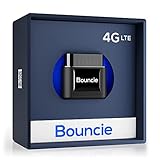
Beyond the manufacturer’s official channels, things get murkier. Insurance companies are a big one. Many offer discounts if you install a telematics device that monitors your driving. They claim it’s for safety and fair premiums, but what they’re really getting is granular data on where you go and how you drive. (See Also: Why Does Victoria Secret Have Trackers In Their Bras )
Then there are the third-party apps. Ever connected your car to a service that promises to track fuel efficiency or maintenance schedules? Many of these apps require access to your vehicle’s OBD-II port, or they interface with your car’s existing connected services. That connection point is a potential pathway for data, including location, to be shared with the app developer. I personally stopped using a popular fuel-tracking app after I realized it was requesting access to my car’s GPS history. I just felt… watched.
You might be thinking, ‘Okay, but if I *don’t* use these apps or services, am I clear?’ Not entirely. Vehicle Identification Numbers (VINs) are also incredibly valuable. According to the National Highway Traffic Safety Administration (NHTSA), VINs can be used to track vehicle history, ownership, and even reported incidents.
The reality is, if your car is relatively modern, it’s almost certainly equipped with some form of GPS receiver. Whether it’s actively being used for tracking depends on whether you’ve opted into connected services, and sometimes, even if you haven’t.
The ‘privacy’ Myth: Why You Might Be Wrong
Everyone says you can just turn off location services, right? Well, it’s not that simple. While you might be able to disable GPS on the infotainment system itself, the underlying hardware is often still there. It’s like having a camera in your house that you’ve covered with tape; the camera is still present and powered.
Here’s my contrarian take: Many people obsess over aftermarket trackers for stolen cars but ignore the constant, passive tracking happening by the car manufacturer and potentially their insurance provider. The factory systems are often more integrated, harder to detect, and harder to disable than a simple plug-in dongle. I’ve seen people spend $200 on a fancy GPS jammer, only to have their car’s own built-in systems still reporting their location. It’s like trying to silence a whisper by shouting at a rock concert.
Think of it like this: you wouldn’t buy a smart fridge, then be surprised when it sends data about your late-night ice cream habits to the manufacturer, would you? A modern car is exponentially more complex. Its core function is mobility, and tracking that mobility is inherent to many of its advanced features.
| Feature | Potential Tracker? | My Take |
|---|---|---|
| Manufacturer Connected Services (OnStar, FordPass, etc.) | Yes, definitely. | The most direct and intended form of tracking. Use it or disable it in your settings, but know it’s there. |
| Aftermarket Insurance Dongles | Yes. | Explicitly for tracking driving habits. If you get a discount, you’re paying with data. |
| Third-Party Apps (OBD-II readers, etc.) | Potentially. | Depends on the app’s permissions and data policies. Always read the fine print. |
| Factory-Installed GPS Module (even if not actively used by owner) | Yes, often. | This is the sneaky one. It’s there. Whether it’s *used* is the question, but the capability exists. I found one in a 2010 model that was still drawing minimal power. |
What About Stolen Cars?
This is where the built-in trackers really shine, or at least, that’s the selling point. If your car is stolen, the manufacturer’s service can often help locate it. This isn’t some random act of surveillance; it’s a feature you’ve likely paid for, directly or indirectly. (See Also: Why Do Flat Trackers Have Slick Rear Tire )
I had a buddy whose nearly-new Audi was stolen right out of his driveway. He was in a panic, but within an hour of calling the police and Audi Connect, they had an approximate location. The police recovered it the next morning, thankfully with minimal damage. That system, which he used for remote climate control, turned out to be his car’s best hope.
It’s a double-edged sword, isn’t it? The same technology that can help recover your stolen vehicle is also collecting data on your daily errands. The key is understanding what data is collected, why, and who has access to it. The sheer complexity means that simply asking ‘do cars have built in trackers?’ doesn’t get you the full picture.
The Fine Print and Your Rights
Legally speaking, most of this is covered in the terms and conditions you agree to when you buy or lease a car, and when you sign up for connected services. It’s dense, legal jargon, but it essentially gives manufacturers broad rights to collect and use vehicle data. Consumer protection laws are slowly catching up, but they’re often playing catch-up with the technology.
For instance, the California Consumer Privacy Act (CCPA) and similar laws in other states are starting to give consumers more control over their data. This includes the right to know what data is being collected, the right to request deletion, and the right to opt-out of the sale of personal information. However, applying these rights to complex automotive telematics systems is still an evolving area. It’s not as simple as unsubscribing from an email list.
My own experience trying to get detailed data logs from a car manufacturer about my vehicle was a bureaucratic nightmare. After several weeks and multiple calls, I got a generic report that was about as useful as a screen door on a submarine. It highlighted for me just how much control they *really* have over this data.
Do Cars Have Built in Trackers? Faq
Can My Car Be Tracked Without My Knowledge?
It’s highly unlikely that a car would have an *unknown* tracker installed by the factory that is actively reporting your location without any associated service being enabled or a specific security vulnerability being exploited. However, many cars have GPS hardware built-in for legitimate features. If you’ve enabled manufacturer services or connected apps, this hardware can be used to track you. The ‘unknown’ part is more about whether you fully understand what data the *known* systems are collecting and sharing.
How Can I Find Out If My Car Has a Tracker?
Check your vehicle’s infotainment system settings for connected services, telematics, or GPS features. Review your purchase agreement and any service contracts for mentions of data collection or connected car technology. Contacting your car dealership or the manufacturer’s customer support with your VIN can also provide information on what systems are equipped on your vehicle. Sometimes, looking under the dashboard or near the rearview mirror for aftermarket devices or unusual wiring can reveal hidden trackers, but factory systems are integrated and harder to spot. (See Also: Is Th Vivofit 3 Have Timers And Trackers On It )
Can I Disable the Built-in Car Tracker?
Disabling manufacturer-installed tracking features usually involves navigating through your vehicle’s infotainment system settings and opting out of connected services or specific data-sharing options. For some systems, you might need to contact the manufacturer directly or even visit a dealership. It’s important to understand that disabling some features, like emergency communication systems, might have safety implications. Aftermarket devices can often be unplugged or removed.
Are Built-in Car Trackers Legal?
Yes, built-in car trackers are generally legal. Manufacturers and service providers are required to disclose their data collection practices in user agreements, privacy policies, and terms of service. While you might not read them, you typically agree to these terms when you purchase a vehicle with connected features or sign up for associated services. Laws like CCPA are starting to give consumers more rights to control this data, but the core collection for advertised features is legal.
Conclusion
So, to circle back to the main question: do cars have built in trackers? The answer is a resounding ‘yes,’ but it’s rarely a simple, covert device planted by a shady third party (unless you’ve specifically installed one). It’s usually integrated, intended for features you might even use yourself, and legally disclosed in pages of text you probably skimmed.
Understanding the nuances is key. It’s not just about whether a GPS chip exists; it’s about who has access to that chip’s output and for what purpose. My biggest takeaway over the years is that ignorance isn’t bliss; it’s just costly when you finally realize what data you’ve been giving away.
If you’re concerned, take 15 minutes. Seriously. Go through your car’s infotainment menus. Check the privacy settings for your car manufacturer’s app. See what your insurance company is offering. It’s the most practical step you can take today to get a clearer picture of your car’s digital footprint.
Recommended Products