
You’re staring at a pile of brand-new hardware: a shiny CPU, a beefy GPU, maybe a new motherboard. The anticipation is palpable. You’re ready to build, upgrade, or fix. Then comes the question, the one that can halt your progress before it even starts: do computer components come with screws?
It’s a simple question, but the answer is anything but. I’ve spent more hours than I care to admit digging through anti-static bags and rattling loose boxes, trying to find that one specific screw needed for a particular part. Sometimes you get lucky, sometimes you don’t. It’s a gamble that’s as old as PC building itself.
Let’s cut through the confusion. I’ve been building PCs and tinkering with power tools for years, and I can tell you this much: relying on manufacturers to include everything you need can be a recipe for frustration.
The Great Screw Conspiracy: What’s Actually Included?
Alright, let’s get straight to it. Do computer components generally come with screws? The honest answer is: it depends, and often, not enough of the right ones. Most motherboards are pretty good about including a small baggie with a few key screws for mounting, usually for the M.2 drive and maybe a standoff or two if they’re feeling generous. Case manufacturers are usually the most reliable; they’ll toss in a decent assortment of screws for drive bays, the motherboard, and PSU mounting. They know you can’t build a PC without them, so they usually pack a variety.
But here’s where it gets dicey. Your graphics card? Nope. Your power supply? Usually just the one big, coarse-threaded screw to hold it in the case. Your CPU cooler? Often, yes, but they’re specific to the cooler’s mounting system, not generic. Solid-state drives (SSDs), especially the 2.5-inch SATA kind? Sometimes, but not always, and the screw might be a different thread pitch than what your motherboard or drive bay is expecting. NVMe M.2 drives are a mixed bag – some come with the tiny screw, some don’t. It’s a crapshoot.
I remember building my first PC back in the late 90s. I bought a mid-tower case, a motherboard, a floppy drive (remember those?), a hard drive, and a graphics card. The case came with a fistful of screws – enough for the motherboard and drives, but the graphics card slot was just an open expansion bay. I ended up using a small zip tie to secure the card.
It wasn’t pretty, but it worked. Fast forward twenty years, and while things have improved, the core issue remains: you can’t assume you’ll get everything you need.
The sheer variety of components and case designs means a universal screw pack isn’t really feasible for every single item. Each manufacturer has its own idea of what’s ‘standard’ for their product, leading to inconsistency. And that’s not even touching on the fact that some manufacturers really skimp, assuming you’ll just buy a generic screw kit if you need them.
A common piece of advice you’ll hear is that your case will have all the screws you need. I disagree. While your case is usually the best source, it’s not a guarantee for every component. You might have the right screws for mounting drives and the motherboard, but what about that extra fan you bought? Or that capture card? Relying solely on the case manufacturer’s screw bag is a risky move if you’re planning any kind of custom build or expansion beyond the absolute bare minimum.
The Case Manufacturer’s Screw Lottery
Let’s talk about the main source of screws for most PC builds: your case. When you buy a PC case, it usually comes with a little bag or box containing a variety of screws. This is, by far, the most significant screw benefactor in the PC building process. These bags are often a treasure trove, containing different types of screws for different purposes:
Motherboard Standoffs and Screws: These are important. Standoffs lift the motherboard off the case’s metal surface, preventing short circuits. The screws then secure the motherboard to these standoffs. Most cases provide enough for standard ATX, Micro-ATX, and Mini-ITX boards.
Drive Bay Screws: For your 2.5-inch SSDs, 3.5-inch HDDs, and sometimes even 5.25-inch optical drives (if you’re still using them). These are typically smaller, finer-threaded screws.
PSU Mounting Screw: Usually just one, often a coarse-threaded screw, to secure the power supply unit. (See Also: How To Fix Eyeglasses Arm Without Screw )
Accessory/Fan Screws: Sometimes, you’ll find screws for mounting additional fans or other accessories. These can vary in length and thread type.
However, this isn’t a perfect system. The quality and quantity of screws in these bags can vary wildly between brands and even between different models from the same brand. I’ve bought cases where the bag was overflowing with every conceivable screw type, and others where it felt like they’d only thrown in the bare minimum, leaving me scrambling for a specific size.
Here’s a handy way to think about it, using a table that reflects my own haphazard experience:
| Component Type | Likelihood of Included Screws | My Verdict |
|---|---|---|
| Motherboard | High (usually with case) | Always check your case bag first. |
| CPU Cooler | Often, but specific to cooler | Don’t assume; check cooler manual. |
| Graphics Card | Rarely | Plan to source these yourself. |
| 2.5″ SSD / HDD | Sometimes (often with case) | Case screws are usually fine. |
| M.2 NVMe SSD | Sometimes (often with motherboard/M.2 drive) | Tiny, easy to lose; keep them safe! |
| Power Supply Unit (PSU) | Usually (1-2 coarse thread) | Case bag might have spares. |
| Case Fans | Sometimes (often with fans or case) | Depends on fan pack. |
| Expansion Cards (e.g., Wi-Fi, Capture) | Rarely | Source from case bag or buy spares. |
The real issue is that these screw bags are often generic for the case model, not custom to the specific needs of every possible component you might install. You might get a dozen tiny screws perfect for SSDs, but zero of the slightly larger ones needed for a motherboard standoff, or vice-versa. It’s a gamble that’s inherent to PC building.
The Perils of DIY: When You don’t Get Screws
So, what happens when you’ve opened your shiny new component, and there’s no baggie of screws in sight? This is where the frustration really sets in. You’re halfway through a build, and you hit a wall because you’re missing a single, specific screw.
It’s happened to me more times than I can count, and it’s always at the most inconvenient moment. I recall a time I was upgrading a friend’s PC, replacing an old hard drive with an SSD.
The SSD itself didn’t come with mounting screws. The case had a dedicated SSD mount, but the screws that came with the case were all for 3.5-inch drives, which were too large and coarse for the SSD. We spent nearly an hour rummaging through old computer parts, old electronics, anything we could find, just to find two tiny screws that fit. It turned a thirty-minute job into a marathon.
This is why having a good PC screw kit on hand is, in my opinion, a must for anyone who plans on building or maintaining their own computer. It’s not just about having screws; it’s about having the right screws. PC screws come in various sizes and thread pitches. The most common ones you’ll encounter are:
1. Motherboard Standoff Screws: Often have a wider head and coarser threads to grip the case, and a smaller thread to screw into the standoff.
2. Hard Drive/SSD Screws: Usually smaller, finer threads. You’ll see both coarse and fine threads depending on the drive bay and the drive itself. For 2.5-inch SSDs, they’re typically smaller than 3.5-inch drive screws.
3. PSU Screws: Larger, coarse-threaded screws. These are designed to securely hold a heavy power supply unit.
4. Thumb Screws: Great for cases and drive bays where you might need tool-less access. They have a knurled head for finger tightening. (See Also: How Measure Metric Computer Screws )
5. M.2 Screws: Tiny little things, often with a small standoff. These are easy to lose and usually specific to the motherboard or the M.2 drive itself. They are NOT usually found in generic screw kits.
The problem with relying on the manufacturer is inconsistency. What one company considers standard, another might not. For instance, some older cases might use a specific thread for their drive bays that’s different from what a modern SSD expects, even if the thread pitch looks similar. This is why I always keep a dedicated PC screw kit. It’s an investment that saves you immense headaches and wasted time. You can find decent kits online for around $15-$25, and they usually contain hundreds of screws of various types and sizes, more than enough for multiple builds and upgrades.
The ‘everyone Else Does It’ Fallacy: When Common Advice Is Wrong
Here’s a contrarian take for you: You don’t need a dedicated screwdriver set for every single task. While a good set of screwdrivers is fantastic for general DIY, for PC building, a single, quality magnetic Phillips head screwdriver is often all you truly need to get started, provided you have the right screws. However, the biggest piece of bad advice I hear is that you never need to buy extra screws. People often say, ‘Oh, your case will have all you need,’ or ‘Just save screws from old parts.’ While saving old screws can be a lifesaver, it’s not a reliable long-term strategy.
Why is this bad advice? Because the screw landscape for PCs is a chaotic mess of slightly different thread pitches, lengths, and head types. What might have worked for an old IDE hard drive might not work for a modern SATA SSD, even if they look similar. And the ‘case has everything you need’ mantra? It’s only true if you’re building the absolute most basic configuration imaginable. What if you’re adding extra fans? A sound card? A second SSD? These components often don’t come with their own mounting screws, and the case manufacturer’s bag might be depleted or simply not contain the right type.
I’ve seen people try to force screws that are too large, stripping the threads in the component or the case. I’ve seen them use screws that are too short, leading to wobbly components. I’ve even seen people use electrical tape or zip ties as a desperate measure – which, while sometimes a temporary fix, isn’t a proper or reliable solution for anything structural.
The reason a dedicated PC screw kit is so valuable is that it provides a standardized selection of the most common types needed. It takes the guesswork out of it. Instead of hoping you have the right screw from a donor part or guessing which of the five slightly different Phillips head screws in your junk drawer will work, you have a labelled compartment with exactly what you need. Think of it like having a well-stocked toolbox for woodworking; you wouldn’t try to build a table with just one hammer and a rusty nail file, would you? Your PC deserves the same consideration.
Furthermore, when you buy a specific component like a high-end cooler or a specialized SSD enclosure, they might include custom screws. But this is a rare occurrence. For the vast majority of PC building, you are on your own for acquiring the right fasteners beyond the absolute basics that might come with your motherboard or case.
Practical Tips for Screw Management
Okay, so we’ve established that relying solely on included screws is a gamble. What can you actually do about it? Here are a few practical tips based on my years of elbow grease and frustration:
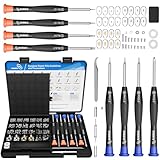
1. Invest in a PC Screw Kit: I cannot stress this enough. For about $15-$30, you can get a compartmentalized box with hundreds of the most common screws used in PC building. Look for kits that include motherboard standoffs and screws, various drive screws (both coarse and fine thread), PSU screws, and even some common metric screws for other electronics. It’s the best money you’ll spend on PC building supplies. My go-to kit has lasted me for over five years and multiple builds.
2. Always Check Your Components Before You Start: When that new CPU or GPU arrives, don’t just rip it open and toss the box. Carefully examine the packaging and any included accessories. Are there screws? What kind? Do you think you have enough for your planned build? If anything looks suspect, or if it’s a component known for not including screws (like most GPUs), mentally flag it. Then, check your case’s screw bag. Compare what you have to what you think you’ll need.
3. Keep Old Cases and Components: If you’re upgrading, don’t just toss your old case or components in the trash. Save the screws! They can be incredibly useful. Organize them in small containers or baggies and label them clearly. I have a dedicated box for ‘salvaged screws’ that has saved me numerous times. However, remember the caveat from earlier: don’t rely on this exclusively, as thread types can vary.
4. Use a Magnetic Tray: When you’re working, especially with tiny screws like M.2 screws, a magnetic parts tray is a lifesaver. It keeps all those little fasteners from rolling away into the abyss under your desk or into the carpet. I’ve lost more M.2 screws to the void than I care to admit before I started using one of these cheap magnetic trays. (See Also: How To Adjust Eyeglass Screw )
5. Read Reviews and Forums: Before buying a component, especially a case or motherboard, check reviews. Sometimes people will specifically mention if the included screws are plentiful, scarce, or of poor quality. Online forums like Reddit’s r/buildapc are also goldmines of information where people discuss specific component compatibility and potential screw shortages.
6. Don’t Overtighten: This is more of a general building tip, but it’s worth mentioning. PC components and cases are often made of thinner metal and plastic. Overtightening screws can strip threads, crack plastic, or even damage the component itself. Tighten until snug, then give it just a quarter turn more. You don’t need to put your full body weight into it.
These simple practices can save you a massive amount of time and frustration. It’s about being prepared and understanding that while some parts are generous, many are not. It’s a small aspect of PC building, but getting it wrong can stop you dead in your tracks.
The Faq: Common Screws Questions Answered
Do I Need Special Screwdrivers for Pc Components?
For most PC components, a standard Phillips head screwdriver is sufficient. However, it’s highly recommended to have one with interchangeable bits or a set that includes various sizes, especially a small Phillips head (#1 or #2). A magnetic tip is also a huge advantage for handling tiny screws. Some very niche components or older devices might use different head types, but for modern PC building, Phillips is king.
Where Can I Find Screws If My Component Doesn’t Come with Any?
Your best bet is usually the bag of screws that came with your PC case, as cases tend to provide the most variety. If that fails, consider buying a dedicated PC screw kit from an online retailer like Amazon or a local computer parts store. Salvaging screws from old, defunct computer components is also an option, but be cautious about thread compatibility.
Are All Computer Screws the Same Size?
No, absolutely not. Computer screws come in a surprising variety of sizes and thread pitches. You’ll find different screws for motherboards, hard drives, SSDs, power supplies, and case fans. Even within these categories, there can be variations. Using the wrong size or thread pitch can damage components or prevent them from being secured properly.
What Is the Most Common Type of Screw Used in a Pc Build?
The most common type of screw you’ll encounter is a Phillips head screw. Within that, you’ll see variations in thread pitch and length. For mounting the motherboard itself, you’ll use screws that thread into standoffs, and these are often slightly coarser than the fine-thread screws used for 2.5-inch SSDs. The large, coarse-threaded screws are typically for the power supply unit.
Should I Buy a Universal Pc Screw Kit?
Yes, in my opinion, a universal PC screw kit is a very worthwhile investment for anyone who builds or upgrades PCs regularly. They are inexpensive, contain a wide variety of the most commonly needed screws, and save you immense frustration when a component doesn’t include the right fasteners. It’s far better to have them and not need them than to need them and not have them.
Conclusion
So, to circle back to the main question: do computer components come with screws? The short, blunt answer is: sometimes, but don’t count on it for everything.
Your case is your best bet for a general assortment, and your motherboard might throw in a couple for M.2 drives. But for graphics cards, expansion cards, and sometimes even drives, you’re often on your own. The inconsistency is a pain, but it’s the reality of building with so many different manufacturers and designs.
My advice? Always assume you might need to source some extra screws. Grab a decent PC screw kit – it’s a small price to pay to avoid a build-stopping headache. It’s the kind of preparedness that separates a smooth upgrade from a maddening scavenger hunt.
![AXTH 25-in-1 Small Precision Screwdriver Set, Professional Magnetic Mini Repair Tool Kit for Phone, Computer, Watch, Laptop, Macbook, Ring Doorbell, Eyeglass, Electronic, [Bearing Steel] Screw Driver](https://m.media-amazon.com/images/I/518YlLmPTcL._SL160_.jpg)
