
I still remember the first time I built a PC. It felt like a rite of passage, a geeky initiation. Then came the moment of truth, assembling the motherboard into the case. Panic. I rummered through a drawer overflowing with random hardware, muttering, ‘Do computer parts come with screws?’ I had a vague memory of a little baggie, but where did it go? This whole ordeal cost me about three hours and a frantic trip to the hardware store for a motley assortment of screws that were almost right.
Look, nobody wants to be that person, stuck mid-build because of a few tiny metal bits. You’re staring at a pile of expensive components, your enthusiasm draining faster than a leaky faucet. So, let’s cut to the chase.
The short answer is: sometimes. And that ‘sometimes’ is where all the headaches start.
The Case: Your Primary Screw Source (usually)
This is where you’re most likely to find the bulk of your screw needs met, especially if you’re buying a new case. Most modern PC cases come with a small, often labelled bag of screws.
Think of it as the case manufacturer’s peace offering to builders everywhere. This bag is your first stop, your most reliable source for the common stuff like motherboard standoffs, hard drive screws, and fan screws. I’ve seen cases where they even throw in a few extra zip ties, which is always a nice touch.
The quality of these included screws can vary, though. Some are decent, solid metal.
Others feel a bit flimsy, and you wonder if they’ll strip easily. I once bought a case that came with what felt like glorified pot metal screws; they were a nightmare to thread in and I ended up replacing them all immediately, which added about $15 to the build cost right there.
The trick with case screws is organization. When you open that bag, don’t just dump it.
Take a moment. Most manufacturers will label the different types of screws, either on the bag itself or with little plastic dividers. If not, lay them out.
You’ve got your thicker, coarser-threaded screws for drive bays, your finer-threaded ones for SSDs or optical drives, and then the myriad of motherboard screws. Motherboard standoffs, those little brass or black posts, are also usually in this bag.
You’ll need to screw these into the case first, according to your motherboard’s layout, before you can even think about mounting the board. Missing these standoffs or putting them in the wrong place can cause short circuits, and trust me, that’s a ‘fun’ troubleshooting session you don’t want. (See Also: How To Fix Eyeglasses Arm Without Screw )
Sometimes, a case might have specific mounting mechanisms that don’t require traditional screws, opting for tool-less designs. These often use little plastic clips or thumbscrews that you can tighten by hand. While convenient, these can sometimes feel less secure than a good old-fashioned screw. For something like a GPU, which can be heavy, I always prefer to secure it with a screw even if the case offers a tool-less bracket. It’s just a bit of added peace of mind.
Generally, if you’re buying a new case, you’re going to be in decent shape for the most common screw types. The real problem arises when you start adding or replacing individual components.
Motherboards: The Special Case (sort Of)
Alright, let’s talk motherboards. This is one of those components where the screw situation gets a little more nuanced. Does a motherboard come with screws? Not usually, no. The motherboard itself doesn’t typically include a bag of screws to mount into the case. Instead, the screws you use to mount the motherboard are almost always provided by the PC case manufacturer. This is why that little baggie that came with your case is so darn important.
However, motherboards do often come with screws for other things. Specifically, for M.2 NVMe SSDs. These are tiny little screws, often black, that are absolutely key for securing those super-fast storage drives. If you’ve ever seen an M.2 drive just kind of… floating there, it’s because the screw is missing. And let me tell you, trying to find a replacement for that specific tiny screw can be a nightmare. They’re so small they practically vanish into the carpet. I once spent an hour on my hands and knees with a flashlight looking for one that rolled under my desk. It’s a special kind of frustration.
So, when you unbox a new motherboard, pay close attention to the accessory bag. You’ll likely find a small screw or two for M.2 drives, maybe some SATA cables, and potentially a little sticker sheet. But don’t expect it to contain the screws to mount the board itself. That job is firmly delegated to your case.
There’s also a common misconception that certain motherboard form factors might dictate specific screw types. While the mounting hole patterns differ (ATX, Micro-ATX, Mini-ITX), the thread type for those mounting screws is pretty standard across the industry, usually a fine-thread metric size like M3. The case manufacturer is expected to provide screws that fit this standard. The key is making sure the standoffs in the case are correctly placed for your specific motherboard’s layout, which is determined by its form factor.
Graphics Cards (gpus) and Other Expansion Cards: The Often-Overlooked Screws
Here’s another area where people often get caught out. Your brand-new, shiny graphics card – a beast of a component – does it come with screws to secure it to the case bracket? Almost universally, no. Graphics cards mount into the expansion slots on your motherboard and are typically secured to the back of the PC case with one or two screws that go through a metal bracket on the card itself. These screws are not included with the GPU.
These are usually standard, relatively coarse-threaded screws, similar to what you might use for hard drive bays or case fans. They’re not particularly exotic, but you absolutely need them. If your case didn’t include enough, or if you’ve lost them, you’ll need to source them. This is where a good collection of spare PC screws comes in handy. Many cases provide these small bracket covers that you remove to make way for the GPU’s ports, and these covers are often held in place by these exact screws.
The same applies to other expansion cards like sound cards, network cards, or capture cards. They all rely on these case-provided screws to stay firmly seated. While they might not vibrate loose as easily as a spinning hard drive, a loose expansion card is just a bad idea. It can lead to intermittent connection issues, or worse, damage to the PCIe slot or the card itself if it gets jostled around.
My first build, I meticulously installed my massive GTX 1080 Ti, only to realize I’d forgotten to screw it in. The card was seated properly in the slot, but the bracket was just… hanging there. I noticed it when I went to close the side panel and it felt loose. A quick glance confirmed my oversight. It was a moment of pure ‘duh’ and a reminder that even the most important components need to be physically secured. Thankfully, the case had the right screws right there in the baggie. (See Also: How Measure Metric Computer Screws )
Storage Drives (hdds/ssds): The Different Screws for Different Mounts
When you’re dealing with storage, the screw situation can be a bit of a mixed bag, depending on the type of drive and your case. Traditional 3.5-inch Hard Disk Drives (HDDs) and 2.5-inch Solid State Drives (SSDs) are the most common. Most cases will have dedicated drive bays, and these often use a specific type of screw. These are typically a coarser thread, designed to bite into the metal of the drive and the bay. Some cases use tool-less sleds or mounting brackets that might not require screws at all, but often, even those have a screw hole as a backup or for extra security.
New HDDs and SSDs themselves rarely come with mounting screws. You’re expected to use the ones provided by your case manufacturer. This is another reason why keeping that original case screw bag is so important. If you’re buying an older, used case, you might be out of luck unless the seller included the screws. I once bought a used case that looked amazing, but it was missing all the drive bay screws. I ended up having to buy a small pack of assorted screws for about $8, and it took me a couple of tries to find the right thread pitch.
Now, for M.2 NVMe SSDs, we’re back to that tiny, specialized screw. As mentioned with motherboards, these little guys are often included with the motherboard, not the M.2 drive itself. If you buy an M.2 drive and your motherboard didn’t come with the screw (perhaps it was a bare board or you lost the original bag), you’re in for a hunt. You can buy M.2 screw kits online, but they’re so small that you risk losing them just as easily. It’s one of those things where you really need to be careful.
Here’s a little table to break down the common drive types and where their screws usually come from:
| Component | Does it typically come with mounting screws? | Where to usually find them | Verdict |
|---|---|---|---|
| 3.5″ HDD | No | PC Case | Standard coarse thread, often included with case |
| 2.5″ SSD | No | PC Case | Similar to HDD screws, sometimes smaller |
| M.2 NVMe SSD | No (for mounting into motherboard) | Motherboard accessory bag | Tiny, specialized screw. Easy to lose. |
Power Supplies (psus) and Other Odds and Ends
Power supplies are a bit of a wild card. Generally, a new PSU will come with the screws needed to mount it into the PC case. These are usually a standard, coarse-threaded screw, typically four of them, that fit into the back of the case. They’re not usually anything fancy, just functional screws to hold that heavy box in place. I’ve never run into a PSU that didn’t include these mounting screws. It would be pretty silly, honestly.
However, what they don’t typically include are the modular cable screws, if your PSU uses them. Most modern PSUs use a clip or push-in connector system for their modular cables, but older or more specialized units might use screws. If you need those, you’re likely out of luck unless the PSU manufacturer threw in extras, which is rare. This is a niche issue for most builders, though.
What about case fans? Most fans come with their own mounting screws. These are usually specific to the fan size and thickness, and you’ll find them in the fan’s packaging. They’re often a bit longer and finer-threaded than your average case screw. If you buy a multi-pack of fans, they’ll come with enough screws for all of them. If you’re buying just one fan to replace an old one, make sure it includes screws, or be prepared to find some compatible ones from your case’s stash.
CPU coolers are another component that usually bundles its own mounting hardware. These can be complex, with different brackets and screws for various CPU sockets (Intel vs. AMD). The cooler manufacturer almost always provides everything you need for installation. This is one area where you can usually count on getting all the necessary hardware. I’ve never had to hunt for screws to mount a CPU cooler because the cooler itself came with a complete mounting kit. It’s a relief, considering how finicky some of those coolers can be.
The common thread here is that larger, more self-contained components like PSUs and CPU coolers tend to include their mounting hardware. Smaller, more standardized components like storage drives or expansion cards are more likely to rely on the case for their screws.
The ‘people Also Ask’ Section: Faq on Pc Build Screws
Where Do I Get Screws for My Pc Build?
For most basic PC builds, the screws you’ll need will come from the accessory bag included with your PC case. This bag typically contains screws for mounting the motherboard, storage drives, and expansion cards. Smaller components like M.2 SSDs might have their screws included with the motherboard, not the SSD itself. Larger components like power supplies and CPU coolers usually include their own mounting hardware. (See Also: How To Adjust Eyeglass Screw )
Will My New Motherboard Come with Screws?
Your new motherboard will typically come with screws for M.2 NVMe SSDs, which are tiny and key for securing those drives. However, it will not usually come with screws to mount the motherboard itself into the PC case. Those are provided by the PC case manufacturer.
Do I Need Screws for a New Case Fan?
Yes, new case fans almost always come with their own specific mounting screws. These are usually packed inside the fan’s retail box. If you are reusing an old fan or buying a fan that doesn’t include screws, you’ll need to find compatible ones from your PC case’s screw collection or purchase a small set of fan screws.
What Kind of Screws Do I Need for an M.2 SSD?
M.2 SSDs require a very specific, tiny screw. These are usually provided with the motherboard, not the M.2 drive itself. If you don’t have one, you’ll need to purchase an M.2 screw kit, but be very careful as they are extremely small and easy to lose. The screw is typically a very fine thread metric size.
Can I Use Any Screws for My Computer?
No, you cannot use just any screws. While many PC screws share common thread types (like M3 for motherboards), using the wrong type can strip the threads, damage components, or not hold them securely. It’s best to use the screws provided by your case and component manufacturers. If you need more, buy a dedicated PC screw assortment kit designed for computer building to make sure compatibility.
When It All Goes Wrong: The Spare Screw Stash
So, you’ve followed all the advice, you’ve kept your case screws meticulously organized, and then disaster strikes. You’re building a second PC, or maybe upgrading a component, and you realize you’re missing that one specific screw. Maybe it’s the M.2 screw, or perhaps a specific drive bay screw that your case only included two of. Don’t panic. It happens to the best of us. I’ve got a small plastic container, about the size of a deck of cards, that’s become my unofficial ‘spare PC screw graveyard’. It’s filled with a motley collection of screws from old builds, spare parts, and even a few salvaged from old electronics.
This collection is invaluable. It’s saved me from numerous trips to the hardware store or online orders for tiny packets of screws that cost more than the screws themselves. It’s got everything from motherboard standoffs and various drive screws to those tiny little GPU bracket screws. When I build a new PC, I always take a few minutes to sort through the screws that come with it and add any that might be useful to this stash. It’s a proactive approach that has paid dividends over the years.
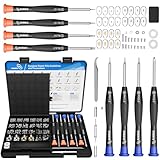
If you don’t have a stash already, I highly recommend starting one. You can buy small assortment kits of PC screws online or at electronics stores. They usually come with a good variety of common types, and it’s money well spent. Think of it as an insurance policy against the inevitable screw shortage. Also, when you install a new component, take a moment to check if it came with any spare screws, especially smaller ones like M.2 screws. Sometimes manufacturers include one or two extras, just in case.
The main takeaway is that while many components do come with some screws, they often don’t come with all the screws you’ll need for a full build. The PC case is usually your primary supplier for the general-purpose mounting screws. Beyond that, you need to be prepared. My contrarian opinion? Forget those fancy custom cable sleeves for your first build. Get a good assortment of generic PC screws instead. They’re far more likely to save your bacon when you’re halfway through a build at 1 AM and realize you’re missing something vital.
Final Thoughts
So, to circle back to the big question: do computer parts come with screws? The answer is a resounding ‘sometimes, but not always everything you need.’ Your PC case is your best friend here, usually providing the bulk of standard mounting screws. Motherboards often chip in with M.2 screws, and other components like PSUs and CPU coolers typically bring their own mounting hardware.
But here’s the blunt truth: don’t assume. Always check what’s in the box. And more importantly, start building a stash of spare PC screws. It’s a small investment that will save you a world of headache and lost building time. That little container of assorted screws has probably saved me hundreds of dollars and countless hours of frustration over the years.
Next time you’re planning a build, take a moment to inventory the screw situation. It might just prevent a midnight run to the store or a panicked search online for that one tiny, irreplaceable piece.
![AXTH 25-in-1 Small Precision Screwdriver Set, Professional Magnetic Mini Repair Tool Kit for Phone, Computer, Watch, Laptop, Macbook, Ring Doorbell, Eyeglass, Electronic, [Bearing Steel] Screw Driver](https://m.media-amazon.com/images/I/518YlLmPTcL._SL160_.jpg)
