
I remember the first time I tried to fix a pair of designer sunglasses. It wasn’t Gucci, but it was expensive enough that I felt I had to try. I scoured the internet, watched a dozen YouTube videos, and ended up stripping the tiny hinge screw completely. It was a disaster. So, when people ask, ‘do Gucci glasses have screws?’, it’s usually with a mix of hope and dread. You’ve dropped a pretty penny, and the last thing you want is to find out you can’t even get them repaired easily.
The short answer is yes, most do. But it’s not as simple as just saying ‘screws’. The type, size, and how they’re integrated are what really matter. Let’s cut through the fluff and get down to what you actually need to know.
The Tiny Devils: What Kind of Screws Are We Talking About?
Look, when you buy something that costs more than my first car (okay, maybe not that much, but you get it), you expect quality. You expect them to be built like a tank. When it comes to eyeglasses and sunglasses, especially high-end ones like Gucci, the construction is usually pretty solid, and yes, that often involves screws. But these aren’t your dad’s pilot screwdriver job.
We’re talking micro-screws, usually made of specialized alloys that are tough but also lightweight and resistant to corrosion. Think about it: a screw that’s too big or made of the wrong material would ruin the aesthetics and the comfort.
They’ve got to be almost invisible, yet strong enough to hold those hinges together through countless open-and-close cycles.
The most common type you’ll find are called ‘set screws’ or ‘tiny hinge screws’. They’re often Phillips head, but sometimes they’re tiny hex screws. The heads are usually very small, and the shafts are incredibly fine. The reason they use such small screws is twofold: aesthetics and function. You don’t want a chunky screw head sticking out, looking like a repair job on a pair of fashion accessories. You want that smooth, integrated look. And from a functional standpoint, these tiny screws allow for precise adjustment of the temple arms. You can get that perfect snug fit without feeling like you’re wearing pliers on your head.
I once bought a pair of Ray-Bans that I swore had no screws. I was convinced they were molded or glued. Turns out, they had these almost microscopic screws tucked away so perfectly you’d need a jeweler’s loupe to even spot them. It made me realize that just because you can’t see them, doesn’t mean they aren’t there.
Gucci, being a brand that prides itself on intricate design and craftsmanship, definitely incorporates screws where they’re structurally necessary. They wouldn’t sacrifice the integrity of the frame for the sake of hiding every single component if it meant the glasses would fall apart faster.
It’s a balance, and they usually get it right, which is why the question ‘do Gucci glasses have screws?’ often leads down a rabbit hole of intricate details.
The material is also key. You’ll often see stainless steel, titanium, or sometimes even gold-plated screws. This isn’t just for show; it prevents rust and makes sure longevity. Imagine your expensive Gucci sunglasses getting a weird green patina on the hinges because the screw corroded. That’s a nightmare. So, while the basic answer is yes, the ‘how’ and ‘what kind’ are where the real story lies. These aren’t just fasteners; they’re engineered components designed to maintain the luxury feel and the structural integrity of your eyewear.
The Hidden Mechanics: How Hinges and Screws Work Together
So, you’ve got these fancy Gucci frames, and you’re wondering about the nuts and bolts, literally. How do those temple arms (the bits that go over your ears) stay attached to the front of the glasses? For most modern, high-quality eyewear, including Gucci, it’s a hinge system that relies on small, precisely engineered screws. These aren’t just jammed in there; they’re part of a delicate mechanism designed for smooth operation and durability. Think of it like the hinges on a high-end car door – complex, smooth, and built to last.
The most common setup involves a barrel hinge. This is where a small cylindrical piece is embedded in the temple arm and another in the frame front. The screw then passes through aligned holes in both parts, connecting them. The beauty of this system is that the screw head is often countersunk or designed to sit flush within the hinge, making it almost disappear.
This is important for aesthetics, especially with a brand like Gucci where design is most important. You don’t want a prominent screw head disrupting the sleek lines of the eyewear. I remember trying to fix a cheap pair of sunglasses once, and the screw head was huge and ugly. It looked like I’d bought them from a hardware store, not a fashion boutique.
Another type of hinge you might encounter is the spring hinge. These are a bit more complex and often incorporate a tiny spring mechanism that allows the temple arms to flex outwards. While the spring itself is the main component, it’s still typically secured or anchored by tiny screws. These spring hinges are great for comfort and can prevent damage if you accidentally stretch the glasses too wide. They add a layer of resilience that’s appreciated, especially if you’re prone to being a bit rough with your accessories. The engineering behind these is impressive; it’s not just about holding things together, but about creating a fluid user experience. (See Also: How To Fix Eyeglasses Arm Without Screw )
The precision involved is astounding. The threads on these screws are incredibly fine, allowing for micro-adjustments. This is how an optician can get the perfect fit for your face, making sure the glasses sit comfortably and don’t slip. If the screws were too coarse or the threading sloppy, you’d either have frames that are too loose or too tight, and they wouldn’t hold their adjustment over time. It’s this attention to detail that justifies the price tag. When you ask ‘do Gucci glasses have screws?’, you’re really asking about the quality of their construction, and the answer is yes, they employ sophisticated screw-based hinge systems to achieve that blend of luxury, comfort, and durability.
I’ve personally found that the better the hinge system, the longer a pair of glasses lasts. I’ve had frames where the hinges loosened up within months, requiring constant tightening. This usually happens with cheaper construction where the screws are just less precise or the metal itself is softer. Gucci, and other premium brands, invest in better manufacturing processes, which includes the quality of the screws and the hinge design. It’s a small part of the overall product, but it’s a important one for daily wear and tear.
When Things Go Wrong: Common Mistakes and DIY Disasters
Alright, let’s get real. You’ve got expensive Gucci glasses, and something’s amiss with a hinge. Your first thought might be, ‘I can fix this myself!’ Big mistake.
Huge. I’ve been there.
Years ago, I had a pair of Ray-Ban Wayfarers where one arm kept loosening. I figured, ‘how hard can it be?’ I grabbed a tiny screwdriver from my toolkit, one that looked about the right size. I tried to tighten it, and it just kept spinning.
I tried a different one, then a third. Before I knew it, I’d completely stripped the head of the screw. It was a tiny Phillips head, and I’d basically turned it into a smooth, useless nub.
The arm was dangling, and I had no idea how to get the mangled screw out.
This is where the question ‘do Gucci glasses have screws?’ becomes important. Yes, they do, and they are specialized. Using the wrong tools or applying too much force is the quickest way to turn a minor annoyance into a costly repair or, worse, an irreparable problem. The screws used in high-end eyewear are often made of harder materials than standard steel, and their heads can be very delicate. A generic screwdriver, even a small one, might not have the precise fit needed. The tips can slip, damaging the screw head or the surrounding frame material. I’ve seen people scratch the acetate or metal frame around the hinge while trying to force a stubborn screw.
Another common mistake is over-tightening. You feel that initial resistance, and you think, ‘gotta make it snug!’ But with those fine threads and potentially softer frame materials (especially acetate), you can easily strip the threads inside the hinge itself.
This means the screw will never hold, and the arm will always be loose. It’s like trying to screw something into a wall where the hole is too big; it just won’t grip.
I learned this the hard way when a screw kept falling out of a pair of Oakleys. I kept tightening it, thinking I was fixing it, only to realize I’d widened the hole in the hinge mechanism. Now, the arm wobbles constantly, and I can’t even get a replacement screw to stay in place.
People also underestimate the complexity of the hinge itself. Some hinges have tiny springs or interlocking parts that are incredibly sensitive. You might think you’re just tightening a screw, but you could be dislodging a small spring or misaligning a important piece. This is why professionals have specialized tools and the knowledge to work with these delicate mechanisms.
They know the torque settings, the correct driver bits, and how to assess if a hinge itself is damaged. My advice? If you’re not 100% confident, or if the problem seems more than just a slightly loose screw, take them to an optician. The cost of a professional repair is almost always less than the cost of replacing an entire pair of Gucci glasses. (See Also: How Measure Metric Computer Screws )
It’s not worth the risk of turning a $500 pair of glasses into a $500 paperweight.
What to Look for: Identifying Genuine Gucci Quality
When you’re shelling out for a luxury item like Gucci eyewear, you’re paying for more than just the logo. You’re paying for craftsmanship, design, and materials that are meant to last. So, when you’re examining a pair, whether you’re buying them new or checking out a pair you already own, understanding what makes them high-quality is key. The question ‘do Gucci glasses have screws?’ is a gateway to understanding this deeper level of detail.
First off, the screws themselves. As I’ve mentioned, they’re small and precisely made. Look at the hinge area.
Are the screws flush or nearly flush with the frame? Is the head well-defined and free from burrs or imperfections?
A genuine Gucci product will have screws that look like they were manufactured for that specific spot, not just generic fasteners. The material should also be consistent with the rest of the frame – if the frame is high-quality acetate or metal, the screws and hinge components should reflect that. You shouldn’t see cheap-looking, dull metal that looks like it will rust in a month.
On some high-end frames, you might even find micro-engraved logos or serial numbers on the inside of the temple arms, near the hinge, which is another indicator of meticulous manufacturing.
Beyond the screws, pay attention to the overall construction. The hinge should operate smoothly and silently. There shouldn’t be any squeaking, grinding, or excessive looseness, especially on a new pair. A good hinge will have a satisfying, solid feel when you open and close it. I’ve handled many pairs of glasses over the years, and you can just feel the difference between a cheap pair and a well-made one. The temple arms should align perfectly with the frame front when closed, and they should sit comfortably on your head without pinching or feeling unstable.
Another detail to consider is the weight and balance. While Gucci frames can be made from acetate or metal, they should feel balanced in your hand and on your face.
If they feel unnecessarily heavy or cheap, that’s a red flag. The materials used, including the alloys for hinges and screws, contribute to this. Authenticity guides often point to subtle details like the etching on the lenses, the quality of the case, and the packaging. But at the core of it, the physical construction – the way the parts fit together, the precision of the screws and hinges – is a major indicator of genuine quality.
If you’re looking at a used pair, a well-maintained hinge with intact screws is a good sign the previous owner took care of them, which often correlates with the overall authenticity and quality.
I once bought a pair of sunglasses online that looked like Gucci, but the screws in the hinge were visibly tarnished and one was slightly crooked. They felt flimsy, too. Turns out, they were fakes. The screws were the first thing that tipped me off because they were just… wrong. They didn’t have that precise, clean look. This is why examining the details, like how the screws are integrated, is so important. It’s a testament to the brand’s commitment to excellence, even in the smallest components.
Real-World Use: Durability and Maintenance
Let’s talk about what happens after you’ve bought your Gucci glasses and you’re actually wearing them out and about. How do they hold up? This is where the engineering, including those little screws, really gets put to the test. The truth is, even the best-made glasses require some basic care. Ignoring maintenance can lead to issues, even with high-end eyewear.
The primary point of failure for most glasses, regardless of brand, is the hinge. This is where screws play a vital role. Daily use – putting them on, taking them off, maybe tossing them in a bag without a case (don’t do this!) – puts stress on the hinges. The screws can gradually loosen over time due to vibration and movement. This is completely normal and not a sign of poor quality, but it is a sign you need to pay attention. A little bit of loosening is expected; a wobbly arm that feels like it’s about to fall off is a sign that the screw has either worked its way out significantly or the threads are compromised. (See Also: How To Adjust Eyeglass Screw )
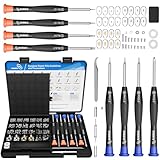
My own experience with sunglasses has taught me this: a small maintenance kit is worth its weight in gold. I keep a tiny screwdriver set, specifically designed for eyeglasses, in my desk drawer. For my more expensive pairs, I occasionally check the screws. If an arm feels a bit loose, I’ll take two minutes to gently tighten the screw. It’s a simple process, but it can prevent bigger problems down the line. I remember a friend’s expensive aviators where the screw came out completely while he was on vacation. He spent hours looking for it, and eventually had to wear them with one arm taped back. Not a good look, and entirely avoidable with a quick check.
Cleaning is another aspect of real-world use. When you clean your glasses, be mindful of the hinge area. Don’t blast them with water or spray cleaner directly into the hinge mechanism. Use a microfiber cloth and a gentle lens cleaner. If you get dirt or debris stuck in the hinge, you can try a very soft brush (like a clean makeup brush or a small artist’s brush) to gently dislodge it. Avoid using compressed air directly on the hinge, as it can sometimes force debris further in or even damage delicate parts. The goal is to keep them clean and functioning smoothly, and that includes the screws and hinges.
I’ve also learned that temperature extremes can affect how screws behave. Leaving glasses on a hot car dashboard can cause the frame materials to expand, potentially loosening screws. Conversely, extreme cold can make materials brittle. While Gucci uses solid materials, it’s still good practice to avoid exposing your eyewear to harsh conditions. Ultimately, the durability of Gucci glasses is excellent, but like any precision tool, they benefit from regular, albeit minimal, maintenance. Understanding that ‘do Gucci glasses have screws?’ is an entry point to caring for them properly is important for their longevity.
The Verdict on Gucci Glasses Screws: Worth the Fuss?
So, we’ve circled back to the original question: do Gucci glasses have screws? Yes, they do. And frankly, they need them. While the brand aims for a smooth, luxurious aesthetic, the reality of engineering durable and comfortable eyewear means screws are often indispensable components, particularly in the hinge mechanisms. The question isn’t really if they have screws, but rather how they implement them and what that means for you as an owner.
Here’s my take, based on years of tinkering with everything from cheap drugstore shades to high-end optical frames: the screws in Gucci glasses are typically a sign of quality, not a flaw. They are usually small, precisely machined, and made from durable materials. This allows for smooth operation of the hinges, the ability to adjust the fit perfectly, and the longevity that you should expect from a premium product. The fact that they’re often hidden or integrated so smoothly into the design is a testament to the brand’s focus on both form and function.
I’ve seen enough poorly constructed glasses where screws were either absent (leading to glued joints that fail) or were large, clunky, and prone to stripping. Gucci’s approach, using specialized micro-screws, is generally a good indicator that they’ve invested in a superior manufacturing process. It means that if you do need a minor adjustment or repair, it’s usually possible, provided you (or a professional) use the right tools and techniques. It’s a far cry from some of the ‘screwless’ designs I’ve encountered, which, while sometimes clever, can be a nightmare to repair if a part breaks and isn’t held by a simple fastener.
The table below summarizes my thoughts on the screws in Gucci glasses versus some other scenarios. It’s not just about having screws, but the quality and integration of those screws.
| Feature | Gucci Glasses (Generally) | Cheap/Flea Market Glasses | Some ‘Screwless’ Designs |
|---|---|---|---|
| Presence of Screws | Yes, typically in hinges. | Yes, often visible, crude. | No visible screws, may use press-fit or interlocking parts. |
| Screw Quality | High-quality, precise, often specialized alloys. | Low-quality, prone to stripping/corrosion. | N/A (relies on other mechanisms). |
| Integration | Smooth, countersunk, designed for aesthetics. | Often prominent, detracts from appearance. | Clean look, but can be fragile. |
| Repairability | Generally good with the right tools/knowledge. | Often difficult due to poor screw quality. | Can be very difficult or impossible if a key component breaks. |
| Verdict | A sign of thoughtful engineering and quality. | A sign of cost-cutting and poor durability. | Can be stylish, but durability varies wildly; repair is a gamble. |
So, are the screws in Gucci glasses worth the fuss? Absolutely. They are part of what makes the glasses functional, durable, and aesthetically pleasing. They represent a commitment to detail that distinguishes luxury eyewear from the mass-produced stuff. Don’t fear the screws; understand them. They are a quiet testament to the quality you’ve invested in.
Do All Gucci Glasses Have Screws in the Hinges?
While most Gucci glasses and sunglasses use screws in their hinge mechanisms for durability and adjustability, there might be some very specific, minimalist designs that employ alternative construction methods. However, for the vast majority of their eyewear, especially those with folding temple arms, screws are a standard and key component for secure assembly.
Can I Fix a Loose Screw in My Gucci Glasses Myself?
You can attempt to tighten a loose screw yourself if you have the correct, very small precision screwdriver. However, it’s easy to strip the screw head or damage the frame if you use the wrong tool or too much force. For anything more than a simple tightening, or if the screw is stripped, it’s highly recommended to take them to an optician or a reputable eyewear repair service.
What Happens If a Screw Falls Out of My Gucci Glasses?
If a screw falls out, your temple arm will likely be loose or detached. It’s best to carefully store the glasses and any found screws. Do not try to force a different screw in, as the threading is specific. Take them to a professional who can replace the screw with an exact match and make sure the hinge is properly reassembled and secured.
Are Gucci Glasses Screws Made of Special Materials?
Yes, Gucci typically uses high-quality materials for their screws, such as stainless steel, titanium, or sometimes plated alloys. These materials are chosen for their strength, corrosion resistance, and lightweight properties, contributing to the overall durability and luxury feel of the eyewear.
Conclusion
So, there you have it. The long and short of it is that, yes, Gucci glasses do have screws, and they’re usually a good thing. They’re a sign of well-engineered eyewear that’s built to last, not some flimsy fashion accessory destined for the bin after a few months. The precision and quality of these tiny components are part of what justifies the investment you make in a pair of Gucci frames.
Don’t be afraid of them; they’re there to keep your expensive shades functioning perfectly. If you notice a screw loosening up, a quick, gentle tighten with the right tool is usually all that’s needed. But if you’re ever in doubt, or if a screw is damaged, don’t risk it. A professional repair shop or your optician will have the specialized tools and expertise to sort it out without ruining your frames.
Next time you pick up a pair of Gucci glasses, take a moment to appreciate those tiny screws. They’re a small but mighty part of what makes them great.
![AXTH 25-in-1 Small Precision Screwdriver Set, Professional Magnetic Mini Repair Tool Kit for Phone, Computer, Watch, Laptop, Macbook, Ring Doorbell, Eyeglass, Electronic, [Bearing Steel] Screw Driver](https://m.media-amazon.com/images/I/518YlLmPTcL._SL160_.jpg)
