
I remember the first time I dropped my aging Toshiba Satellite. It landed with a sickening thud, and when I picked it up, a tiny screw popped out from under the hinge. My heart sank. “Great,” I muttered, “that’s probably the one holding the entire motherboard in place.” That moment sparked a long-simmering question in my mind: do missing screws matter on a laptop? It’s easy to dismiss a lost screw as a minor inconvenience, a cosmetic flaw. But the reality is, these tiny fasteners play a surprisingly significant role in the structural integrity and performance of your portable powerhouse.
We’ve all been there, right? You’ve got your laptop open for a quick clean or a RAM upgrade, and a screw vanishes into the abyss of your carpet. Or maybe you bought a used laptop and noticed a few empty holes. The temptation is to just slap it back together and move on. But that’s where you might be making a costly mistake. Let’s get down to brass tacks about whether those missing screws actually matter.
The Foundation: Why Those Little Screws Are More Than Just Holders
Look, nobody buys a laptop for the screws. They’re the unsung heroes, the background players you only notice when they’re gone. But here’s the blunt truth: those tiny pieces of metal are doing a lot more than just keeping plastic bits together. They’re part of the internal architecture that keeps everything aligned, shielded, and functioning correctly. When you’re dealing with something as intricate and vibration-prone as a laptop, every single component needs to be secured. Think of it like building a house; you wouldn’t leave the load-bearing walls unfinished, would you? The same logic applies here, even if it’s on a microscopic scale.
When a screw is missing, it’s not just an empty hole. It means that the two pieces of plastic or metal it was supposed to be connecting are no longer held with the intended tension. This can lead to a couple of immediate problems.
Firstly, increased flex. The casing might bend or creak more easily, especially around the point of the missing screw. This might seem like a minor annoyance, but repeated flexing can put stress on internal components, like the motherboard or ribbon cables, which are notoriously fragile.
I once had a laptop where the palm rest started to feel loose after a few screws went missing during a battery replacement. It wasn’t long before the trackpad started acting up, probably due to the subtle shifts caused by the loose casing.
Secondly, dust and debris. Those screws create a seal. When they’re missing, gaps appear. Laptops, especially older ones, are already dust magnets. These small openings become superhighways for dust bunnies and crumbs to work their way inside. And we all know what a dust buildup can do: clog fans, overheat components, and eventually lead to performance throttling or even hardware failure. It’s a slow, insidious process, but those missing screws accelerate it. You might think, “Oh, I’ll just clean it out later.” But that’s like saying you’ll fix a leaky faucet after the basement floods. Prevention is key, and those screws are a big part of that preventative maintenance, even if they don’t look like it.
There are also screws that directly hold down heat sinks or specific components. If one of those goes missing, the thermal contact between the component and its cooling solution is compromised. This is a fast track to overheating. I’ve seen laptops with missing GPU screws that started throttling within minutes of launching a game, performance dropping from a respectable 60 FPS to a slideshow. The common advice is often to just get a replacement screw kit. That’s usually the right idea, but understanding why you need them is the first step to appreciating their importance.
The Hidden Dangers: What Happens When Things Get Loose
Let’s get specific about the ‘what ifs’. When screws are missing, particularly around important areas like hinges, the display assembly, or the main body, things start to loosen up. This looseness isn’t just about aesthetics; it’s about maintaining the precise alignment of components. A hinge that’s slightly askew because a couple of screws are gone can put uneven pressure on the display cables running through it. Over time, these cables can fray or get pinched, leading to screen flickering, dead pixels, or a completely blank display. It’s not a sudden catastrophic failure; it’s usually a slow degradation that can be incredibly frustrating and expensive to fix if you don’t catch it early.
Then there’s the internal structure. Laptops aren’t just hollow shells. They have internal bracing, often made of thin metal or reinforced plastic, that adds rigidity and provides mounting points for components like the motherboard, SSDs, and Wi-Fi cards.
If the screws holding these structural elements in place are missing, the whole internal chassis can become slightly warped or flexible. This can cause stress on solder joints on the motherboard, especially around heavy components like the CPU or GPU. Think of it as constantly jostling a delicate piece of machinery; eventually, something’s going to give.
I had a friend whose laptop’s motherboard failed prematurely because a few screws had vibrated loose over the years from being carried around in a backpack without proper support. The constant micro-vibrations, amplified by the missing screws, took their toll.
Another area where missing screws can cause major headaches is with the battery. Many laptop batteries are secured by screws that also help to hold the surrounding casing together. If these are loose, the battery might shift slightly. (See Also: How To Fix Eyeglasses Arm Without Screw )
While most modern batteries have protection circuits, a shifting battery can potentially put pressure on other components or even short-circuit if its terminals come into contact with something they shouldn’t. It’s rare, but not impossible. On a more practical level, a loose casing means that when you pick up or move the laptop, you might hear rattling. That’s not just a loose coin; that’s potentially a loose screw that could be rolling around, scratching internal components, or worse, getting lodged somewhere it shouldn’t, like in a fan.
This is especially true for M.2 SSDs or RAM modules; a loose screw could theoretically fall and short something out. It sounds dramatic, but in such a confined space, anything is possible.
What Happens If Laptop Screws Are Loose?
Loose laptop screws can lead to a variety of problems, ranging from minor annoyances to significant hardware damage. Initially, you might notice increased creaking or flexing of the laptop’s casing, especially around the area with missing screws. This can put stress on internal components like ribbon cables and solder joints. Over time, this can result in screen issues, trackpad malfunctions, or even motherboard failure due to stress on delicate connections. Furthermore, loose screws can create gaps, allowing more dust and debris to enter the laptop, potentially clogging fans and causing overheating, which further degrades performance and component lifespan. In the worst-case scenarios, a loose screw could short-circuit components or physically interfere with moving parts like fans.
The ‘it’s Fine’ Fallacy: Common Mistakes and What to Avoid
The biggest mistake people make is believing that a few missing screws are purely cosmetic. “It still turns on, so who cares?” This mindset is a trap. It’s like ignoring a small crack in your windshield; it might be fine for a while, but it’s a point of weakness that will only get worse. I’ve seen people try to fix a wobbly hinge by just tightening the remaining screws to death, stripping the threads or cracking the plastic. That’s not a fix; that’s just making a bigger problem.
Another common error is using the wrong size or type of screw. Laptop screws are not one-size-fits-all.
They have specific lengths, thread pitches, and head types. Forcing a screw that’s too long can pierce the other side of the casing or, worse, damage internal components like the motherboard or a flex cable. Using a screw with the wrong thread pitch can strip the mounting hole, meaning even the correct screw won’t hold properly anymore. This is why generic “laptop screw kits” can be a double-edged sword.
While they provide options, you must be meticulous about matching the screw to the original one or its designated hole. I once tried to save time by using a screw from a generic kit to reattach a bottom panel.
It fit, but it was about 1mm too long. I didn’t realize it until I powered the laptop on and saw a faint line of light bleeding through the trackpad area – it had been long enough to press on the underlying circuitry.
Took me an hour to pull it apart again and find the right screw.
People also tend to over-torque screws, especially when reassembling. You don’t need to put your full weight into it.
Once the screw is snug and the pieces of the casing are flush, stop. Overtightening can strip the plastic threads in the casing, making that screw hole useless. It can also put undue stress on the PCB or other delicate components underneath, potentially causing cracks or damaging solder joints.
It’s a delicate balance: tight enough to hold, but not so tight it causes damage. And for the love of all that is holy, do not force a screw if it feels like it’s binding. (See Also: How Measure Metric Computer Screws )
Back it out and try again. This is particularly true for the tiny screws holding down motherboards or daughterboards; they are often very soft metal and strip easily.
Finally, there’s the ‘borrowing’ screw approach. You need to put your laptop back together, but you’re missing one screw. So, you raid your old keyboard, your broken hard drive enclosure, or even a piece of furniture. While some screws might be physically identical, their material strength or precise dimensions could be slightly different, leading to premature failure or damage. Always try to source the correct replacement from a reputable laptop screw supplier or the manufacturer if possible. Don’t guess.
| Problem | Cause | Verdict |
|---|---|---|
| Casing Flex/Creaking | Missing screws allowing panels to shift | Annoying, potential for long-term stress damage. |
| Dust Ingress | Gaps from missing screws | Slow, steady performance degradation and overheating risk. |
| Component Stress | Internal bracing compromised by loose screws | Can lead to premature failure of motherboard or other delicate parts. |
| Hinge Strain | Uneven pressure from loose hinge screws | Leads to cable fraying and screen issues. |
| Trackpad/Keyboard Malfunction | Loose internal structure affecting underlying connections | Intermittent or permanent failure of input devices. |
| Overheating | Compromised heatsink contact or fan obstruction from dust | Performance throttling and hardware lifespan reduction. |
Real-World Scenarios: When Do Missing Screws Actually Cause Problems?
Let’s cut through the noise. Does a single missing screw on the very bottom edge of a massive gaming laptop casing cause immediate doom? Probably not. The reality is nuanced. It depends on where the screw is missing and how many are missing. For instance, if you’re missing a screw from the main body where it interfaces with the motherboard, that’s generally more concerning than a screw from a purely cosmetic trim piece that doesn’t bear any structural load. The structural screws, often found around the edges, under the keyboard, and securing the main chassis components, are the ones you really need to worry about.
Consider hinge screws. Laptops are opened and closed hundreds, if not thousands, of times over their lifespan. The hinges are constantly under mechanical stress.
If a hinge is held in place by, say, four screws, and one is missing, the remaining three bear the brunt of the load. This uneven distribution of force can cause the hinge mechanism itself to warp or break, and more importantly, it can stress the plastic mounting points in the lid or base. I’ve seen laptops where the plastic around the hinge mounting holes literally cracked because the screws weren’t there to distribute the torque. This often happens on thinner ultrabooks, which are designed to be light and slim, sacrificing some robustness for portability.
Their casing materials are often less forgiving of stress.
Another scenario to consider is around the display assembly. Many laptops have small screws holding the bezel around the screen, and others that attach the LCD panel itself to the lid. If these are loose or missing, the bezel might pop off, exposing the delicate LCD panel to accidental damage.
More critically, the screws that hold the metal mounting brackets of the screen to the lid can be vital. If these are loose, the screen can wobble excessively, putting strain on the internal display cable.
This is a common point of failure for older laptops that have been dropped or mishandled. The constant jarring motion, exacerbated by missing screws, can lead to connection issues or damage to the cable’s internal wires.
I once had a MacBook Air where the bottom cover had a couple of screws that seemed superfluous, located near the center. I was doing a battery replacement and, in my haste, forgot to put them back.
The laptop seemed perfectly fine for months. Then, one day, I dropped it from about two feet onto carpet.
The screen went black. It turned out that the slight flex from the drop, combined with the lack of those central screws to keep the chassis rigid, had caused the logic board to flex just enough to disconnect or damage a important internal cable, likely the display connector. It cost me $300 to get it repaired, all for two tiny screws I’d carelessly overlooked. It taught me that even screws that don’t look important can be. (See Also: How To Adjust Eyeglass Screw )
Fixing the Faux Pas: Getting the Right Screws Back In
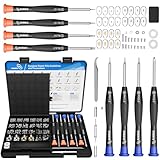
So, you’ve identified that you have missing screws. What’s the fix? It’s not rocket science, but it requires patience and precision. First, you need to identify which screws are missing and where they go. If you’re lucky, you still have the original screws that came out, and you can just put them back. If not, you’ll need to figure out the specifications. Look at the surrounding screws. Are they all the same length and thread type? This is your best clue. Take a photo of the area before you start disassembling, or if you’ve already disassembled, keep the screws in labeled baggies or a compartmentalized tray.
The best approach is to find a reputable online supplier of laptop screws. Companies like iFixit sell specific screw kits for various laptop models, or general assortments if you can’t pinpoint your exact model. When ordering, pay attention to the screw type (e.g., M2, M2.5, M3), length (in millimeters), and head type (e.g., Phillips, Torx). If you can’t find an exact match, try to find one that’s the same diameter and thread pitch but slightly shorter than what you think the original was.
It’s always better to be a bit too short than too long, as a screw that’s too long can cause physical damage. A screw that’s too short might not hold as securely, but it’s less likely to cause immediate hardware failure.
Here’s a practical tip: when you’re taking apart a laptop, especially for the first time, use a magnetic mat or a piece of paper with a grid drawn on it. As you remove each screw, place it on its corresponding spot on the grid and label it (e.g., “Bottom panel, front left”). This takes a bit of extra time upfront but saves you an immense amount of headache during reassembly. If you’re really struggling to identify the right screw, sometimes reaching out to a local computer repair shop can be helpful. They often have bins of spare screws and can help you match them up, sometimes for a small fee or even just a friendly piece of advice.
When you’re putting the screws back in, remember the advice about not overtightening. Use the correct screwdriver for the screw head. You want them snug, so the casing panels meet flush and there’s no play. If a screw hole is stripped, meaning the threads are gone, you might need to use a slightly larger screw (if available) or a tiny dab of superglue on the threads of a new screw to help it grip, though this is a last resort and can make future repairs difficult. For important structural screws, like those holding down the motherboard or heat sinks, using the correct screw is most important. Don’t cut corners here.
How to Find Replacement Laptop Screws
To find replacement laptop screws, the best method is to identify the exact screw specifications (size, thread pitch, length, head type) by comparing with existing screws or consulting your laptop’s service manual. Then, search reputable online retailers specializing in laptop parts or electronic repair tools, such as iFixit, or look for specific laptop screw kits for your model. You can also try contacting the laptop manufacturer’s support for replacement parts, though this is often more expensive. Alternatively, local computer repair shops may have a selection of generic or salvaged screws that can be matched.
The Faq: Straight Answers to Your Burning Questions
Do Missing Screws Matter on a Laptop?
Yes, missing screws absolutely matter on a laptop. While one or two might not cause immediate failure, they compromise the structural integrity, can lead to component stress, allow for increased dust ingress, and potentially cause issues with cables and connections over time. They are important for maintaining the device’s internal alignment and shielding.
Can I Use Any Screws to Replace Laptop Screws?
No, you cannot use any screws. Laptop screws are very specific in size, thread pitch, and length. Using the wrong screw can strip the mounting holes, crack plastic, damage internal components, or not hold securely. Always try to find exact replacements or screws with very similar specifications from a reputable source.
How Many Screws Should a Laptop Have?
The number of screws in a laptop varies greatly by model, but a typical laptop can have anywhere from 10 to over 30 screws holding the bottom panel, keyboard, display, and internal components together. The exact number is usually detailed in the laptop’s service manual.
Will My Laptop Overheat If I Have Missing Screws?
Missing screws can contribute to overheating, but they are usually not the sole cause. They can cause gaps that allow more dust into the system, which clogs fans and heatsinks. If screws are missing from a heatsink assembly, the thermal contact between the component and the cooler will be compromised, directly leading to increased temperatures and throttling.
Is It Safe to Use a Laptop with Missing Screws?
It’s generally not recommended to use a laptop with missing screws for extended periods. While it might function initially, the lack of structural support and potential for dust ingress or component stress can lead to more serious and costly damage down the line. It’s best to replace them as soon as possible.
Final Verdict
So, after all this, the verdict is in: do missing screws matter on a laptop? Unequivocally, yes. They’re not just decorative; they’re functional. They hold everything together, maintaining the delicate balance of the internal structure. Ignoring them is like ignoring a small leak in your roof – it might seem manageable now, but it’s a ticking time bomb for bigger problems down the line.
My advice? Don’t be lazy about it. If you’ve got a screw missing, take the time to find the right replacement. Your future self, wrestling with a faulty trackpad or a mysteriously overheating machine, will thank you. It’s a small effort for a significant return in longevity and reliability for your portable computer.
If you’re planning on opening up your laptop for any reason, whether it’s for an upgrade or just a good cleaning, make it a priority to keep track of all your screws. Invest in a good magnetic mat or a small compartmentalized tray. Trust me, the few minutes you spend organizing them will save you hours of frustration later.
![AXTH 25-in-1 Small Precision Screwdriver Set, Professional Magnetic Mini Repair Tool Kit for Phone, Computer, Watch, Laptop, Macbook, Ring Doorbell, Eyeglass, Electronic, [Bearing Steel] Screw Driver](https://m.media-amazon.com/images/I/518YlLmPTcL._SL160_.jpg)
