
I remember the first time I tried to change a watch strap on a decent timepiece. Not a Rolex, mind you, but something with actual tiny screws holding the bracelet on. I wrestled with it for what felt like an hour, sure I was going to strip the heads or launch a screw into the abyss of my carpet. I kept wondering, do you unscrew watch screws clockwise or counter clockwise? It sounds simple, right? But when you’re staring down at something smaller than a breadcrumb with a microscopic screwdriver, your brain just freezes.
The truth is, most people get this wrong, or at least, they don’t think about it properly. It’s not always as straightforward as you might hope, and making the wrong move can cost you a perfectly good watch. Let’s cut through the confusion.
Why Watch Screws Are Different (and Why You Care)
Alright, let’s talk about why this isn’t as simple as the big bolts on your car. Your average watch, especially a mechanical one or even a decent quartz model, is a marvel of miniaturization. Those tiny screws aren’t just holding bits together; they’re often part of a precisely engineered system where tightness matters. For example, on a watch movement, screws secure bridges that hold gears in place. If they’re too loose, things wobble and don’t mesh right. If they’re too tight, you can crack the delicate metal they’re threaded into or even damage the threads themselves. This is why knowing how to properly loosen and tighten them is key – and it all starts with understanding direction.
Think about it: a standard bolt or screw in most everyday applications follows the ‘righty-tighty, lefty-loosey’ rule. That’s the American standard, and it’s what we’re all conditioned to expect.
But here’s the catch: not all watch screws are created equal, and some manufacturers, particularly in older or very high-end pieces, might deviate. Why would they do that? Sometimes it’s for security, to make it harder for a casual tinkerer to mess with the internals.
Other times, it can be a leftover tradition from different engineering standards or even a way to manage stress on particular components. It’s a small detail, but it can be a big deal if you’re trying to, say, replace a battery or adjust a bracelet. I once bought a vintage Seiko that had a few reversed threads on the case back. Took me ages to figure out why my standard screwdriver was just spinning uselessly.
Cost me a good hour and a bit of mild panic before I tried the other direction, and lo and behold, it unscrewed. That was a wake-up call.
The actual mechanism behind screw threads is pretty basic physics. When you turn a screw clockwise, the threads engage and pull the screw deeper into the material it’s threaded into, or pull the joined pieces tighter together. This is because the helical groove on the screw is angled. Turning it clockwise causes the angled groove to push against the mating surface, forcing the screw forward. Conversely, turning it counter-clockwise causes the angled groove to pull away from the mating surface, drawing the screw out. This is fundamental to how screws work universally, but the direction of that angle, and thus the direction for loosening, is what can sometimes be customized.
Understanding this is important not just for repairs, but for maintenance. Over time, vibrations, temperature changes, and general wear can loosen screws. Knowing the correct direction means you can address these issues before they become bigger problems, like a loose bracelet link snagging on something or, worse, internal movement components coming adrift. For anyone who appreciates the engineering in a timepiece, this detail matters. It’s part of respecting the craft and making sure longevity. So, while the vast majority of watch screws will behave as expected, being aware of potential exceptions can save you a world of frustration. It’s the difference between a quick fix and a weekend-long headache.
The Vast Majority: Standard Thread Direction
Let’s get to the most common scenario, the one that applies to probably 95% of the watches you’ll ever encounter. For the overwhelming majority of watch screws – whether they’re on the case back, the bracelet links, or even inside the movement – the rule is the same as for almost everything else in the Western world: you unscrew them counter-clockwise. Yes, it’s that simple for most of them. Lefty-loosey, righty-tighty.
This applies to everything from your cheapest digital watch to many mid-range mechanical pieces. If you’re replacing a battery in a simple quartz watch, or adjusting the size of a bracelet on a common diver’s watch, you’re almost certainly going to be turning those little screws counter-clockwise to remove them.
I’ve personally taken apart dozens of watches over the years, from cheap Casio G-Shocks to more respectable Seiko 5s and even some entry-level Swiss automatics. In every single one of those instances, the standard threading convention held true. The tiny screws holding the case back on? Counter-clockwise. The pin-holding screws on the bracelet? Counter-clockwise. The screws securing decorative plates or even some minor internal components in the movement? Counter-clockwise. It’s the reliable, go-to direction. This is the default you should always try first. Why make things complicated if they don’t need to be?
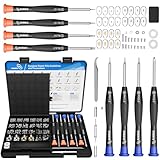
The reason this convention is so widespread is standardization. For ease of manufacturing, repair, and general usability, most manufacturers stick to established norms. Imagine the chaos if every watchmaker decided to invent their own screw direction! It would make servicing incredibly difficult and expensive. So, unless you have a specific reason to believe otherwise – like a vintage piece known for quirky engineering or a high-end complication from a boutique manufacturer with unique design philosophies – assume standard threading. This also applies to the tools you use. A good set of watch screwdrivers, which are typically very small and precise, are designed to fit these standard screws. You’ll find the tips are shaped to engage those tiny slots without slipping.
When you’re working on a watch, especially if it’s one you care about, taking a moment to confirm this standard direction is always a good idea. Don’t just jam the screwdriver in and start cranking. Apply gentle pressure and turn slowly. If it feels like it’s engaging and starting to loosen, you’re on the right track. (See Also: How To Fix Eyeglasses Arm Without Screw )
If it feels like it’s just spinning or resisting heavily without moving, then you might consider the possibility of a non-standard thread, but don’t jump to that conclusion immediately. Often, a screw might be a bit stiff due to loctite or grime, and it just needs a bit more gentle persuasion in the standard direction. The vast majority of the time, counter-clockwise is your friend.
Here’s a quick rundown of where you’ll most commonly find standard threading:
| Application | Typical Direction to Unscrew | Notes |
|---|---|---|
| Case Back Screws | Counter-Clockwise | Most common for screw-down case backs. |
| Bracelet Link Screws | Counter-Clockwise | Secures bracelet segments. |
| Clasp Screws | Counter-Clockwise | Often very small and delicate. |
| Movement Holder Screws (on many watches) | Counter-Clockwise | Internal components, but usually follow standard. |
| Battery Hatch Screws (on some quartz) | Counter-Clockwise | Simple screw-down hatches. |
This table covers the bulk of what you’ll encounter. The key takeaway here is that standard threading is the norm, and it’s what you should expect and try first.
When Standard Doesn’t Apply: The Exceptions
Now, for the fun part – the exceptions to the rule. While most watch screws are standard, there are times when you’ll encounter reversed threads. This isn’t common on cheap watches, but it pops up on certain vintage pieces, some tool watches designed for extreme environments, and occasionally on high-end, intricate designs where the manufacturer wants to add an extra layer of complexity or security. If you’re dealing with a particularly old watch, a piece from a niche brand, or something with a reputation for being tricky, you might need to consider the possibility of reversed threads.
My first encounter with this, as I mentioned, was a vintage Seiko. It wasn’t a high-end luxury piece, but it was old enough that the manufacturer had used non-standard threading on the case back.
I spent a good 20 minutes trying to unscrew it the normal way, convinced I was doing something wrong, before I tried clockwise and it popped right off.
Why would a manufacturer do this? One primary reason is to prevent accidental loosening. On watches subjected to significant shock or vibration, standard threads can sometimes work themselves loose over time.
By reversing the thread direction, the natural forces acting on the screw actually help to tighten it, making it more secure. This is particularly relevant for watches used in demanding fields, like military watches or specialized scientific instruments. Another reason can be historical. Different regions and eras had different prevailing standards for screw threading.
An old European watch might have been made using a standard prevalent there at the time, which could differ from the American standard. For collectors and enthusiasts, identifying these non-standard threads is part of the charm and challenge of working with unique timepieces.
The most common place you’ll find reversed threads is on the case back, particularly on older watches. However, it can also appear on other parts of the watch, though this is rarer. If you’ve tried counter-clockwise with reasonable force and the screw isn’t budging, and you’re confident you’re using the correct size and type of screwdriver, then trying clockwise is your next logical step. Be cautious, though. Don’t apply brute force. If it feels like you’re going to strip the screw head, stop. It’s better to research the specific model or consult a professional than to damage the watch.
Here’s a quick comparison table for when you’re unsure:
| Scenario | Default Action | Next Step if Default Fails | Potential Issues |
|---|---|---|---|
| Unknown Watch / Most Modern Watches | Unscrew Counter-Clockwise | Try Clockwise (gentle force) | Stripped screw head, damaged threads. |
| Vintage Watch (pre-1980s) | Consider Reversed Threads | Try Clockwise (gentle force) | Damage if using wrong tool, stripping. |
| High-End Complication / Specialist Watch | Research Specific Model | Consult Manufacturer/Professional | Voiding warranty, complex internal damage. |
The key is to approach it methodically. Don’t assume. Do a quick search for your watch model if possible. Look for forums or technical manuals. Many watch enthusiasts share their experiences, and you might find someone has already documented whether a particular model uses reversed threads. If all else fails, and the screw is really stuck, it’s time to admit defeat and seek expert help. Damaging a watch because you were too stubborn to ask for advice is a hard lesson.
Common Mistakes and How to Avoid Them
The biggest mistake people make when unscrewing watch screws, aside from the clockwise/counter-clockwise confusion, is using the wrong tool. Seriously, this is a massive one. Those tiny screws demand precision. Using a screwdriver that’s too big, too small, or has a worn tip is a recipe for disaster. (See Also: How Measure Metric Computer Screws )
You’ll either not get a good grip and strip the screw head, or you’ll damage the slot, making it impossible to remove later. I once tried to change a watch battery with a eyeglass repair kit screwdriver that was just slightly off. It looked like it fit, but it was a hair too wide.
I ended up marring the slot on two screws, and it took a special set of jeweler’s files and a lot of patience to get them out without further damage. That lesson cost me a few hours and a healthy dose of embarrassment.
Another common pitfall is applying too much force. Watch screws, especially on movements, are often made of brass or very soft metals. They don’t need a gorilla grip. Excessive force can strip the threads inside the watch itself, meaning the screw won’t tighten properly anymore, or you can even crack delicate plates. Always use firm, consistent pressure, but stop if you feel significant resistance that isn’t yielding. If a screw is stuck, it’s usually for a reason. It might be cross-threaded (less common on watches but possible), or it might have a tiny amount of thread-locking compound applied. Trying to force it will only make things worse.
People also forget about the ‘People Also Ask’ question of ‘Can you overtighten watch screws?’. Absolutely, you can. Overtightening is just as bad as undertightening, if not worse. For bracelet screws, overtightening can strip the threads in the link or the screw itself, leading to a loose bracelet that keeps falling apart. For movement screws, overtightening can crack the bridges, bend shafts, or warp the plates they screw into. This can lead to catastrophic failure of the movement. When tightening, you want the screw to be snug and secure, but not so tight that you feel like you’re going to break something. For many smaller screws, a quarter-turn past snug is more than enough.
Here’s a quick checklist for avoiding common mistakes:
- Use the Right Size Screwdriver: Always match the screwdriver tip to the screw slot perfectly. It should fill the slot without being too wide or too narrow.
- Apply Steady Pressure: Hold the watch firmly and apply even downward pressure while turning. Don’t let the screwdriver wobble.
- Turn Slowly and Feel: Work deliberately. If you feel resistance, stop and assess. Don’t just crank away.
- Know When to Stop: Screws should feel snug, not strained. If you’re unsure, err on the side of less tight.
- Consider Thread-Locking Compound (Sparingly): For some bracelet screws that tend to loosen, a tiny dab of blue Loctite (non-permanent) can help, but use it with extreme caution and only if you know what you’re doing.
- When in Doubt, Ask: If a screw is seized or you’re uncomfortable, seek professional help. It’s cheaper than a repair.
Avoiding these blunders isn’t just about saving your watch; it’s about saving yourself a massive headache and potentially a lot of money. Patience and the right tools are your best friends here.
Practical Tips for Watch Screw Maintenance
When you’re dealing with watch screws, especially for things like adjusting a bracelet or reattaching a case back, having a few practical tips in your arsenal can make the job much smoother. First off, organization is key. When you take a watch apart, especially the case back or bracelet, you’re going to have multiple tiny screws. Some might even be different lengths or have different heads.
Lay them out on a clean, light-colored surface, like a silicone watch mat or even a piece of white paper, and keep them in the order you removed them. This sounds obvious, but trust me, trying to figure out which screw goes where after you’ve finished is a pain you don’t need.
I use small magnetic parts trays, but even just lining them up meticulously works.
Second, consider using a tiny amount of thread-locking compound for screws that tend to loosen up on their own. This is particularly relevant for bracelet screws that might vibrate loose during daily wear. Blue Loctite (medium strength) is generally safe for watch screws.
You only need the tiniest speck. Apply it with a fine needle or the tip of a toothpick to the threads of the screw before you insert it.
Wipe away any excess immediately. Red Loctite (permanent) is generally too strong for watch screws and can make them nearly impossible to remove later without heat or significant force, so stick to blue unless you’re absolutely sure you need something stronger, which is rare. You can find specific watchmaking grades of thread lockers that are even milder.
Third, for those really stubborn screws, sometimes a bit of heat can help. Gently warming the area around the screw (never directly on the screw head for too long) can soften any dried-on grime or old thread locker. A hairdryer on a low setting, held at a distance, is usually sufficient. Be very careful not to overheat the watch, as this can damage seals, crystals, or even the movement. Once it’s slightly warm, try unscrewing it again. This method is more for when you suspect old thread locker or gunk is the culprit, not for general stiffness. (See Also: How To Adjust Eyeglass Screw )
Fourth, if you’re working on a watch with multiple screws of the same type, but they vary slightly in length or thread pitch, pay close attention. Some manufacturers use different screws in different locations for structural or aesthetic reasons. Mixing them up can lead to a screw not seating properly, damaging threads, or even poking through the other side of a thin case or bracelet link. Always refer back to your organized layout or take reference photos if you’re unsure. The reference to the official documentation for a specific watch brand or model can also be invaluable here. For instance, Rolex manuals or technical guides often detail screw types and locations for their Oyster bracelets.
Finally, after you’ve worked on the screws, give everything a gentle test. If you’ve adjusted a bracelet, make sure it feels secure and that the pins haven’t backed out. If you’ve reattached a case back, make sure it’s properly sealed (if applicable) and that the watch is still running correctly. A final check is always a good idea to catch any small oversights before they become bigger issues. These practical steps, combined with understanding the basic direction of unscrewing, will significantly improve your success rate with watch screw maintenance.
When to Call a Professional
There comes a point in most DIY projects where you realize you’re in over your head. For watch repair, especially when dealing with tiny screws, that point can arrive much faster than you might think. If you’ve tried the standard counter-clockwise direction, you’ve considered and maybe even gently tried clockwise, and the screw absolutely refuses to budge, it’s time to stop. Continuing to apply force is how you end up with stripped screw heads, damaged threads, or worse, a cracked watch case or internal movement damage. This is where the ‘do you unscrew watch screws clockwise or counter clockwise’ question becomes less about a simple rule and more about recognizing your limits.
Beyond a stuck screw, there are other situations where you should absolutely hand it over to a professional. If the watch is particularly valuable or a rare vintage piece, the risk of making a mistake and significantly decreasing its value is too high. Professional watchmakers have specialized tools, magnification, and experience that you simply can’t replicate at home. They know how to deal with seized screws, stripped threads, and delicate components without causing damage. Trying to save a few bucks by DIYing on a thousand-dollar watch is a false economy.
Another red flag is when you’re dealing with a complex mechanical movement. These are intricate machines with hundreds of tiny parts. If your goal is to, say, service the movement, or even just replace a single component that’s secured by a particularly tiny or oddly placed screw, it’s best left to someone trained for it. Modern watchmaking is incredibly precise, and even experienced hobbyists can make mistakes that lead to costly repairs. The sheer number of ‘People Also Ask’ questions about watch repair implies many people are trying this at home, but the complexity is often underestimated.
Consider this: a professional watchmaker likely has access to a range of specialized lubricants, cleaning solutions, and torque screwdrivers that make sure screws are tightened to the exact specification. They also have the expertise to diagnose problems beyond just a stuck screw – like why a screw might have loosened in the first place. If you find yourself needing to force a screw, or if you’re working on a watch that requires water resistance and you’re not confident in resealing it properly, that’s another strong signal to seek professional help. The cost of a professional service or repair is often far less than the cost of fixing damage caused by an amateur attempt.
Here’s a simple decision tree for when to call it quits on DIY:
- Is the screw completely seized after gentle attempts in both directions? -> Call a pro.
- Is the watch valuable, rare, or sentimental? -> Call a pro.
- Are you working on a complex mechanical movement? -> Call a pro.
- Do you need to guarantee water resistance afterward? -> Call a pro.
- Are you unsure about the specific screw type or its function? -> Call a pro.
Don’t let pride get in the way. Knowing when to outsource a task is a sign of intelligence, not weakness. For many, the joy is in the simple adjustments, not the deep, intricate repairs that can ruin a beloved timepiece. Leave the heavy-duty screw work to the experts.
Do You Unscrew Watch Screws Clockwise or Counter Clockwise?
For the vast majority of watches, you unscrew them counter-clockwise. This follows the standard ‘lefty-loosey’ rule that applies to most screws. Always try this direction first, applying gentle, steady pressure with the correct size screwdriver.
Can Watch Screws Be Tightened Too Much?
Yes, absolutely. Overtightening watch screws can strip the threads in the watch or the screw itself, or even crack delicate metal components like movement bridges. Screws should be snug and secure, not strained. The exact tightness varies by screw, but never force them.
What Happens If You Unscrew Watch Screws the Wrong Way?
If you try to unscrew a standard thread clockwise, it will simply tighten further or feel like it’s just spinning without loosening. If you encounter a reversed thread and try to unscrew it counter-clockwise, it will also tighten. In either case, forcing the wrong direction can strip the screw head or damage the threads, making removal or reinstallation difficult or impossible.
How Do You Remove a Stripped Watch Screw?
Removing a stripped watch screw is difficult and often requires specialized tools like screw extractors designed for very small screws, or carefully cutting a new slot with a jeweler’s saw. Sometimes, a watchmaker can use a tiny drill to remove the screw or carefully grip the remaining head with specialized pliers. It’s a task best left to professionals if the screw is significantly damaged.
Final Thoughts
So, to finally put this to rest: do you unscrew watch screws clockwise or counter clockwise? In 95% of cases, it’s counter-clockwise. That’s your default, your go-to, the standard you should expect. But the world of watches isn’t always standard, and those exceptions – the vintage pieces, the quirky designs – are where the real learning happens. Don’t be afraid to experiment gently, but always have a backup plan, which usually means knowing when to stop and seek out someone who’s seen it all before.
Remember the feeling of stripping a screw head? It’s awful. It’s a small, frustrating mistake that can have big consequences. So, next time you’re faced with a tiny screw on your wrist, take a breath, grab the right tool, try counter-clockwise first, and if it feels wrong, consider the possibility of a reversed thread or a call to your local watchmaker. It’s better to be safe than sorry, and certainly better than staring at a damaged timepiece.
Ultimately, understanding these small details is what separates a casual watch wearer from someone who truly appreciates the craftsmanship. It’s about respecting the tiny, intricate world that keeps perfect time on your wrist.
![AXTH 25-in-1 Small Precision Screwdriver Set, Professional Magnetic Mini Repair Tool Kit for Phone, Computer, Watch, Laptop, Macbook, Ring Doorbell, Eyeglass, Electronic, [Bearing Steel] Screw Driver](https://m.media-amazon.com/images/I/518YlLmPTcL._SL160_.jpg)
