
I remember the first time I cracked my iPhone screen. Panic. Pure, unadulterated panic. Immediately, I was on YouTube, watching a dozen videos of people doing DIY repairs. They all made it look so easy. Grab a tiny screwdriver, pop it open, swap the screen, and bam! Good as new. But then came the part where they put it all back together. Tiny screws, little brackets, and a whole lot of ‘wait, where did that go?’ It got me wondering: does an iPhone not work without all screws? Like, does it just die? Or is it more nuanced than that?
The truth is, for most of us, the answer is a resounding ‘probably not great, and definitely not ideal’. Apple designs these things like tiny, sophisticated machines. Every single piece, down to the smallest screw, has a purpose. It’s not just about holding things together; it’s about structural integrity, preventing shorts, and even guiding cables.
Why Those Tiny Screws Actually Matter
Let’s get this straight from the jump: yes, your iPhone will likely turn on and appear to function without all its screws. But that’s like saying a car with missing bolts on its wheels ‘works’ because it can still roll a few feet. It’s a deeply misleading statement. These aren’t just random bits of metal; they’re precision-engineered components that hold everything in place and make sure the delicate internal workings are protected and correctly aligned.
I’ve seen firsthand what happens when you get a bit slapdash with reassembly, and it’s rarely pretty. My buddy Dave once tried to fix his old iPhone 8 after dropping it. He was in a hurry, skipped putting a couple of the internal screws back under the logic board, and figured it’d be fine. A week later, his Face ID started glitching, then the screen would randomly flicker.
Eventually, the phone just became unreliable. He ended up spending more on a replacement than he would have for a proper repair.
The main reason those screws are there is structural integrity. Think about it: the iPhone is a thin slab of glass and metal. The internal frame and the screws that attach various components to it are what give it rigidity.
Without them, the whole assembly can flex and twist. This flexing can put stress on delicate connections, like the display cable, the battery connector, or even the logic board itself. Over time, this stress can lead to intermittent issues or outright failure of those components. It’s especially true for the screws that hold down the logic board or the shield plates over sensitive components.
These aren’t just for show; they help dissipate heat and make sure the board is flat and secure. Lose enough of them, and you’re asking for trouble.
Then there’s the issue of grounding and short circuits. Many of the screws, particularly those holding down metal EMI (electromagnetic interference) shields, are there to make sure proper grounding. Grounding is vital for the stable operation of electronic devices, preventing static discharge and unwanted electrical interference. If these shields aren’t secured properly due to missing screws, you could have components making contact with other parts they shouldn’t, leading to shorts. And trust me, a short circuit in a tightly packed iPhone is a recipe for disaster. It’s not always immediate; sometimes it takes a bit of jostling or just time for the damage to manifest. But it’s a ticking time bomb.
What to Look for: The Screws You Absolutely Cannot Ignore
Alright, so not all screws are created equal in terms of immediate catastrophic failure, but that doesn’t mean you should skip any. However, if you’re in a bind and notice a missing screw, some are definitely more ‘uh oh’ than others. The most important ones are those that secure the logic board and the larger metal shield plates.
These are usually the longer, sometimes different colored screws that provide structural support and protect sensitive circuitry. If you miss one of these, especially one holding down the main logic board, you’re risking physical stress on the board itself and its soldered components. This can lead to anything from audio issues to Wi-Fi problems, or even prevent the phone from booting entirely. (See Also: How To Fix Eyeglasses Arm Without Screw )
I’ve seen phones where the logic board was literally lifting slightly because a key retaining screw was missing, causing all sorts of bizarre intermittent faults.
Another category of ‘don’t you dare lose this’ screws are the ones that hold down display and battery connectors. These connectors are often covered by small metal brackets. Losing the screws for these brackets means the brackets can shift.
If a bracket shifts, it could potentially pinch or dislodge a vital cable. Imagine your phone vibrating, and a loose cable connector gets yanked just enough to break a connection. It’s a nasty surprise. For the display, this could mean a blank screen or touch issues.
For the battery, it could lead to charging problems or the phone shutting down unexpectedly. These screws are usually very small, and it’s easy to overlook them when you’re putting things back together, but they are absolutely vital for keeping those important connections secure and properly seated.
Then there are the screws that hold the charging port assembly, speaker modules, and Taptic Engine in place. While these might not cause the phone to cease functioning immediately, their absence can lead to degraded performance. A loose speaker might rattle or sound tinny. A wobbly charging port could lead to intermittent charging or even damage to the port itself over time.
The Taptic Engine, if not properly secured, can feel weaker or make a different, less satisfying sound. It’s the difference between a premium device and a cheap imitation. For instance, the screws holding the bottom speaker assembly on an iPhone 12 series are important not just for the speaker, but also for securing the charging port flex cable.
Lose one, and you might find your charging port becomes loose or unreliable.
Common Screw Mistakes and What Happens
One of the most common mistakes people make is using the wrong screw in the wrong hole. iPhones use a variety of screw sizes and lengths, and they are NOT interchangeable. The Pentalobe screws on the outside are different from the Tri-point screws inside, which are different from the Phillips head screws.
Even within the Tri-point category, there are different lengths. If you put a screw that’s too long into a hole, it can go too deep and damage components underneath, like the logic board or a flex cable.
I remember a buddy who, in his haste, used a slightly longer screw to reattach a bracket near the SIM tray. It didn’t seem to cause an immediate issue, but a few months later, his battery would drain inexplicably fast, and eventually, the phone wouldn’t hold a charge at all. Turns out, that slightly-too-long screw had punctured a tiny part of the battery casing, causing a slow leak and internal damage. It was a $5 screw mistake that cost him hundreds in repair. (See Also: How Measure Metric Computer Screws )
Another mistake is simply not putting all the screws back. People often think, ‘Ah, it’s just one little screw, what harm can it do?’
Well, that one little screw might be the only thing preventing a metal shield from vibrating against another component, causing an electrical short. Or it might be the sole anchor for a flex cable that’s now dangling precariously.
On some models, like the iPhone X and later with OLED displays, the screws holding the display bracket are particularly important to make sure the display sits perfectly flat. If it’s even slightly off, you can get backlight bleed or pressure points on the touch digitizer, leading to ghost touches or unresponsive areas. It’s like building a house and deciding you don’t need to put in all the nails because it looks mostly stable. It’s a gamble you don’t want to take with a thousand-dollar device.
| Component Area | Importance of Screws | Potential Consequences of Missing Screws | Verdict |
|---|---|---|---|
| Logic Board | High | Structural integrity, grounding, heat dissipation. Can cause boot failures, intermittent faults, dead pixels. | Important: Do Not Skip |
| Display Brackets | High | Proper cable seating, flat display. Can lead to touch issues, blank screen, ghost touches. | Important: Do Not Skip |
| Battery Connector Bracket | High | Secures flex cable. Can cause charging issues, unexpected shutdowns. | Important: Do Not Skip |
| Charging Port Assembly | Medium-High | Secures port and related cables. Can lead to loose port, intermittent charging. | Very Important |
| Speaker Modules | Medium | Secures component, prevents rattle. Degraded audio quality. | Important |
| Taptic Engine | Medium | Secures component. Can lead to weaker haptic feedback, different sound. | Important |
| Other Internal Shields | Medium | EMI reduction, grounding. Can cause minor electrical interference, less common but possible. | Recommended |
The Real-World Impact: My Own Screw-Up Story
Okay, confession time. It wasn’t an iPhone, but a few years back, I was fixing my old Samsung tablet. It had a swollen battery, and I decided to tackle it myself. Big mistake. Anyway, after wrestling the old battery out and getting a new one in, I was putting the back cover on. There were probably a dozen tiny Phillips head screws. I was exhausted, hungry, and just wanted it done. I’d put most of them back, but I was short one or two. I thought, ‘Eh, it feels solid enough, it’s just the back cover.’ I was wrong.
For about two weeks, everything seemed fine. Then, I noticed the Wi-Fi signal was really weak.
Like, I had to be right next to the router to get a decent connection. Then the Bluetooth started acting up, dropping connections randomly.
I spent hours troubleshooting the software, resetting network settings, the whole nine yards. Nothing worked. I was about to take it to a repair shop when I remembered the missing screws. I dug out my old toolkit, found the screws from the original repair kit I’d bought, and popped the back off again.
Turns out, one of the missing screws was right next to the Wi-Fi antenna wire. By not having that screw in, the cover wasn’t pressing down evenly on the antenna’s connection point, leading to a terrible signal. The other missing screw was near a small RF shield, and while I couldn’t pinpoint its exact effect, I suspect it contributed to the Bluetooth issues. Once I put all the screws back in their proper places, both Wi-Fi and Bluetooth were back to normal.
It was a stark reminder that even tiny pieces have a purpose, and the common advice about ‘just get it working’ can be a real trap if you’re not careful about the details.
Can an iPhone Still Work If Some Screws Are Missing?
This is the million-dollar question, isn’t it? The short answer is: it might, but it’s a gamble. Let’s be clear, your iPhone isn’t going to explode or immediately cease to exist if you’re missing a single, tiny screw that holds a minor bracket. However, the absence of any screw introduces a risk. As we’ve discussed, these screws contribute to structural integrity, prevent components from shifting, make sure proper grounding, and protect sensitive connections. The more screws you’re missing, and the more important the component they relate to, the higher the chance of problems. (See Also: How To Adjust Eyeglass Screw )
For instance, if you’ve replaced a screen and forgot a few of the small screws holding the display assembly down, the screen might still work, but it could be more susceptible to pressure damage. Or, if you missed a screw securing a shield plate over the logic board, and the phone gets dropped or even just flexes slightly in your pocket, you could cause a hairline fracture on the board or dislodge a chip. These issues might not appear immediately. They can manifest days, weeks, or even months later as intermittent bugs, battery drain, or complete failure.
Apple’s internal documentation, often shared with authorized repair technicians, emphasizes the correct placement and type of every screw because they know it matters for long-term device health and performance. They don’t just put them there for fun; they’re integral to the design and reliability.
It’s also worth considering that while the phone might boot up and display something, its overall performance and longevity can be compromised. A phone that’s flexing internally due to missing structural screws isn’t operating under its intended design parameters. This can lead to accelerated wear on internal components. So, while you can potentially get away with a missing screw or two, especially if they are in less important areas, it’s never recommended. The risk of future, possibly unfixable, damage outweighs the minor inconvenience of making sure every screw is accounted for during a repair. It’s about preserving the device’s integrity, not just making it power on.
The Faq Corner: Your Burning Questions Answered
Will My iPhone Break If I Lose One Screw?
Probably not immediately break, but it’s definitely not ideal. A single missing screw, especially if it’s a minor one holding a small bracket, might not cause a noticeable issue right away. However, it compromises the structural integrity and could lead to problems down the line if that component shifts or a connection is stressed. It’s always best to replace any lost screws.
What Happens If I Don’t Put All the Screws Back in My iPhone?
If you don’t put all the screws back, you risk a range of problems. These can include the phone becoming less structurally sound and more prone to damage from flexing, internal components shifting, connections becoming loose, or even short circuits due to ungrounded shields. Issues might not be apparent immediately, but they can lead to intermittent faults, performance degradation, or outright failure over time.
Can I Just Leave Some Screws Out If They Look Unimportant?
No, you absolutely shouldn’t. What might look unimportant is often important for grounding, structural support, or securing vital flex cables. Even small screws have a specific purpose in maintaining the device’s internal stability and electrical integrity. Leaving them out is a gamble with your phone’s long-term health and reliability.
Does an iPhone Not Work Without All Screws?
Technically, it might still power on and function for a while, but it won’t work optimally or reliably without all its screws. The screws are integral to the phone’s design for structural integrity, protection of internal components, and proper electrical function. Missing screws introduce risks that can lead to performance issues or even permanent damage over time.
Are iPhone Repair Screws Different Sizes?
Yes, iPhone repair screws are very different sizes and types. Apple uses multiple screw types, including Pentalobe, Tri-point, and Phillips head screws, often in varying lengths for different components. Using the wrong screw in the wrong place can cause significant damage, such as puncturing internal parts or stripping threads.
Verdict
So, to cut to the chase: does an iPhone not work without all screws? It might seem to, but you’re playing with fire. Those little fasteners aren’t just decorative; they’re engineering marvels in miniature, keeping everything aligned, protected, and connected. Skipping even one can be the start of a cascade of problems that are far more expensive and frustrating to fix than the original issue.
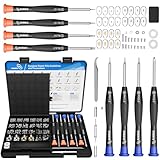
My advice? If you’re doing a repair, take your time. Get a good quality screw kit with the correct types and lengths, and keep them organized. If you accidentally lose a screw, don’t just shrug it off. Try to source a replacement. It’s a small price to pay for the peace of mind that your phone is assembled correctly and has the best chance of a long, stable life. Don’t be like me with that tablet; do it right the first time.
Next time you’re tempted to cut corners on a repair, remember Dave’s Face ID, my Wi-Fi woes, and the fact that those tiny screws are holding your expensive gadget together. It’s not worth the risk.
![AXTH 25-in-1 Small Precision Screwdriver Set, Professional Magnetic Mini Repair Tool Kit for Phone, Computer, Watch, Laptop, Macbook, Ring Doorbell, Eyeglass, Electronic, [Bearing Steel] Screw Driver](https://m.media-amazon.com/images/I/518YlLmPTcL._SL160_.jpg)
