
Look, nobody buys a Patek Philippe to tinker with the back. You buy it because it’s a friggin’ Patek Philippe. But life happens, right? Batteries die, or maybe, just maybe, you inherited a beautiful old one and need to check the movement without scratching it to hell. The thought of how do unscrew Patek Philippe Geneve watch can send a shiver down your spine, and for good reason. These aren’t your grandpa’s Timex. One wrong move and you’re looking at repair bills that’ll make your eyes water.
I learned this the hard way. A buddy handed me his vintage Calatrava, said the timekeeping was a bit off. I figured, ‘How hard can it be?’ Turns out, pretty darn hard when you don’t have the right gear and the right mindset. Ended up with a tiny, almost invisible scuff near one of the lugs. He never said a word, but I knew. It’s a lesson that sticks.
So, before you even think about grabbing your dad’s toolbox, let’s talk about what’s actually involved. This isn’t about quick fixes; it’s about respecting a serious piece of engineering.
The Real Deal with Patek Philippe Casebacks
Let’s cut the fluff. When you’re asking how do unscrew Patek Philippe Geneve watch, you’re probably not dealing with a standard screw-down caseback like you’d find on a dive watch. Patek Philippe, especially in their more refined and classic models, often uses snap-on or, more commonly, intricately designed screw-down cases that require specialized tools, not brute force or a butter knife. Think less ‘unscrew’ and more ‘disassemble with extreme prejudice and the right equipment’. Most modern Patek Philippe watches, particularly the complicated ones or those designed for water resistance, will have casebacks secured by tiny screws. These aren’t Phillips head screws; they’re often tiny flathead or even specialized Torx or hex screws that need incredibly precise drivers.
I remember trying to get into an older Nautilus once. Not a screw-down in the traditional sense, but it had a bezel that unscrewed. The online forums were full of guys saying ‘just get a rubber ball and twist’. Yeah, right. That rubber ball just smeared grease all over the polished bezel and got me nowhere. The real issue was the fine knurling on the bezel, designed to be gripped by a specific Patek Philippe tool, not a sweaty palm. It’s like trying to open a high-security vault with a credit card – you might get lucky, but you’re more likely to just damage the lock and make things worse.
The ‘snap-on’ caseback is a bit of a misnomer for Patek. While some watches have them, they’re secured by a lip on the case and a gasket that creates a water-tight seal.
Opening these requires a specialized case knife with a very fine, angled blade that’s inserted into a small notch or lip on the case edge. Even then, it’s a delicate operation.
You need to apply even pressure and a slight prying motion without digging into the metal. A slip here means a nasty gouge that’s visible from space on a polished case. For a Patek Philippe, that’s a cardinal sin.
The value drop from a visible scratch on a high-end watch case can be astronomical, far exceeding the cost of professional servicing.
So, when you ask how do unscrew Patek Philippe Geneve watch, the first thing to understand is that many don’t ‘unscrew’ in the way a jar of pickles does. They are either held by very small, specific screws or a precisely fitted bezel or caseback. The common thread is the need for precision, the right tools, and a deep understanding that you are dealing with an object of immense value and craftsmanship. Generic advice found online, especially for tool use on anything other than a cheap wristwatch, is often dangerous and can lead to costly mistakes. It’s always better to acknowledge your limitations and seek out proper guidance or professional help rather than risk damaging such a fine timepiece.
The Tools of the Trade: What You Actually Need
Forget the common wisdom you see splashed across forums about using rubber straps or sticky pads to open watch cases. That might work on a cheap Casio, but for a Patek Philippe, it’s a recipe for disaster. When you’re thinking about how do unscrew Patek Philippe Geneve watch, the tools are most important.
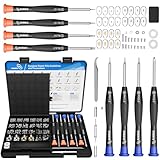
You need precision instruments, not brute force gadgets. For watches secured by small screws, you’re looking at a set of high-quality watchmaker’s screwdrivers. These aren’t your household screwdrivers; they have incredibly fine tips, often made of hardened steel, that are magnetized to hold the tiny screws securely.
The tips need to perfectly match the slot of the screw to avoid stripping it. I’ve seen people try to use a slightly-too-big flathead screwdriver on a Patek and chew up the screw head like it was cheese.
It’s unforgivable.
Beyond screwdrivers, some Patek models might have casebacks that require a case wrench, but these are not the common adjustable ones you see for generic screw-back dive watches. Patek’s design often involves specific notches or lugs on the bezel or caseback itself.
For these, you need specialized case wrenches that have custom-fitted jaws or pins designed for that specific Patek model or series. Trying to use a generic wrench can slip, scratch the case, or even damage the gasket groove. I bought a generic ‘watch case wrench’ online once for about $40.
It looked sturdy, but the pins were too blunt, and the adjustment mechanism was sloppy. I spent more time trying to get it to grip than I would have spent actually opening the watch if I had the right tool. It’s now a paperweight that serves as a constant reminder to buy the right tool for the job, especially for high-value items. (See Also: How To Fix Eyeglasses Arm Without Screw )
For snap-on casebacks (though less common on many Patek models where you’d be asking how do unscrew), a proper watch case knife is key. These knives have a very fine, thin, and precisely angled blade.
You slide it into the small notch or lip on the case edge and gently pry. The key is ‘gently’. You’re using the case design, not forcing it. The blade needs to be sharp enough to get a purchase but not so sharp that it digs into the case material.
I once used a regular utility knife blade in a pinch for a cheap watch, and the gouge I left on the stainless steel was a badge of shame. For a Patek, that kind of mistake is unthinkable.
The polished surfaces and intricate finishing demand absolute care.
There’s also the matter of grip. Sometimes, even with the right tools, the case might be tight due to a gasket. You might need a very fine-grip rubber or silicone mat, but only to hold the watch case steady, not to grip the caseback itself.
The actual turning force should always come from the specialized tool. My personal preference for holding the watch itself is a watch case holder, a padded vise-like tool that securely grips the watch case without marring it. It allows you to apply precise torque with your chosen screwdriver or wrench without your hands shaking or the watch slipping. Investing in these specialized tools might seem excessive, but when you consider the cost of a Patek Philippe, the cost of the tools is negligible compared to potential repair costs from a single mistake.
It’s a matter of protection and proper respect for the craftsmanship.
Common Pitfalls and Why ‘just Twist It’ Is Bad Advice
The internet is a breeding ground for bad advice, and watch forums are no exception. When people ask how do unscrew Patek Philippe Geneve watch, you’ll find a million suggestions that range from mildly unhelpful to downright catastrophic. The biggest pitfall is assuming all watch casebacks are the same. They are not. Patek Philippe doesn’t use generic screw-down backs like a $50 Timex. Their screw-down backs are often integrated into the case design with specific threading, gasket placement, and screw types that demand specific tools. Trying to use a generic screwdriver, or worse, an adjustable wrench meant for plumbing, will likely strip the screw heads, chew up the case edge, or damage the gasket, compromising water resistance.
One of the most common pieces of bad advice is using a rubber ball or a piece of strong tape to get grip. This might work for a cheap, heavily textured caseback where you’re trying to overcome a bit of grime.
But on a Patek Philippe, with its polished or finely brushed finishes, you’re more likely to smudge the surface, leave adhesive residue that’s a nightmare to remove, or simply push the watch around and scratch it. I once saw a guy try to use duct tape on a luxury watch bezel.
The tape left sticky strings everywhere, and he ended up scratching the bezel trying to peel it off. It was a mess, and the watch lost its luster, literally and figuratively. The intention was good – to get grip – but the execution was all wrong for the material and finish.
Another major mistake is not understanding the gasket. Most water-resistant watches, including many Pateks, have a rubber or silicone gasket that sits in a groove between the caseback and the case. This gasket needs to be in perfect condition and properly seated for the watch to maintain its water resistance. When you try to force a caseback open with the wrong tool, you can damage, distort, or dislodge this gasket.
Even if you manage to close it, the watch might no longer be water-resistant, making it vulnerable to moisture damage. I learned this with a mid-range diver watch.
I’d opened it to clean a speck of dust, used the wrong case knife, and ended up with a leaky watch after a few weeks. The repair cost more than the initial tool investment.
The pressure to ‘fix it yourself’ is strong, especially when you’re thinking about the cost of professional servicing. But with a Patek Philippe, the risk-reward is heavily skewed towards professional help.
If you’re not a trained watchmaker with the right tools and a clean environment, you’re basically gambling with a significant investment. You might save a few bucks on a battery change or a simple look-see, but the potential for a multi-thousand-dollar repair bill due to a slip of the hand or a poorly chosen tool is very real. It’s about recognizing when a job requires specialized expertise and equipment, and for a Patek, that line is drawn much sooner than for most other items you might own. (See Also: How Measure Metric Computer Screws )
The common advice is often geared towards mass-produced, simpler watches, and it simply doesn’t apply here.
Practical Tips for Handling Your Patek Philippe
If you’ve decided you absolutely must access the back of your Patek Philippe, beyond just sending it for service (and honestly, for most people, that’s the only sane option when you ask how do unscrew Patek Philippe Geneve watch), here are a few practical, albeit still risky, considerations. First, know your model. Is it a screw-back with tiny screws?
A snap-on back? A more complex integrated case design? The Patek Philippe archives or your watch’s manual (if you have it) can provide clues, but often it’s visual inspection under magnification. For screw-back cases, identify the screw type.
Are they flathead, Phillips, or something else entirely? This dictates the exact screwdriver tip you need. I use a loupe (a jeweler’s magnifying glass) and a strong light source to identify screw types before I even think about touching a tool. It’s like identifying the lock before you pick it.
Second, cleanliness is king. Work in a dust-free environment. A workbench cleared of debris, with a soft mat to place parts on, is key.
Even a tiny speck of dust can get under the caseback and scratch the movement or dial when you reassemble it. I use a small, soft brush to clean the area around the caseback before attempting to open it.
Furthermore, the tools themselves must be clean. A dirty screwdriver can transfer grime to the watch. It’s obsessive, I know, but when you’re dealing with a Patek, you have to be. My workbench is in a room with minimal airflow, and I often wipe down surfaces with isopropyl alcohol (though I’m careful not to let it near the watch itself).
Third, always apply steady, even pressure. If you’re dealing with screws, tighten them down in a star pattern, just like you would with a car wheel. This makes sure the caseback seats evenly and doesn’t warp or put uneven stress on the gasket or threads.
Don’t overtighten. You want it snug, not Hulk-smashed.
For snap-on backs, use a case knife with extreme care. Insert the blade into the designated notch and gently lever it open.
If it feels like you’re fighting it, stop. There’s likely something not right. I once spent fifteen minutes gently coaxing a snap-on back open on a less expensive watch.
It felt like an eternity, but the case edge remained pristine. Patience is your best tool here.
Fourth, document everything. Take pictures before, during, and after. This helps you remember the order of operations and can be a lifesaver if you get confused during reassembly.
If you’re opening it for a battery change, make sure the new battery is the correct type and is installed with the correct polarity. A wrong battery can damage the movement.
And after reassembly, especially if the watch is meant to be water-resistant, a pressure test is highly recommended. Most watchmakers have a pressure testing machine.
Skipping this step after opening a water-resistant watch is asking for trouble. It might seem like a lot, but these are the basic precautions that separate a successful DIY job from a costly mistake. For the average person, though, the most practical tip is still to find a reputable watchmaker. (See Also: How To Adjust Eyeglass Screw )
Patek Philippe Caseback Types: What to Expect
When you’re trying to figure out how do unscrew Patek Philippe Geneve watch, the first thing you need to understand is the variety of caseback designs Patek employs. They aren’t just churning out one standard type.
The most common, especially on dressier models, are those secured by tiny screws. These screws are often very small, typically requiring a flathead screwdriver with a tip that perfectly matches the slot. The number of screws can vary, often from four to eight, strategically placed around the perimeter of the caseback.
These aren’t just for show; they are engineered to apply even pressure to the gasket and seal the watch. I’ve worked on models with as few as two screws and as many as twelve, each requiring meticulous attention to detail.
Then there are the snap-on casebacks. While perhaps less prevalent on the highest-end or most water-resistant Pateks, they do exist, particularly on some vintage pieces or specific lines. These rely on a tight friction fit between the caseback and the watch case, often with a gasket providing the seal. Opening these requires a specialized case knife.
You look for a tiny notch or lip on the edge of the case where the knife blade can be inserted to gently pry the caseback off. It’s a technique that requires a steady hand and an understanding of use.
I remember opening one vintage Calatrava snap-back; the notch was so small I could barely see it with my loupe. It took multiple careful insertions of the knife blade before it popped open cleanly.
Some Patek Philippe models, particularly those with exhibition casebacks showcasing intricate movements, might have a combination or a more elaborate construction. You might find a glass crystal held in place by a bezel, and that bezel is what needs to be unscrewed.
This is where those specialized Patek Philippe bezel-opening tools come into play. They often look like intricate wrenches with specific lugs or gripping surfaces that match the knurling or design of the bezel. Trying to use a generic tool here is a recipe for disaster, as the bezels are often polished to a mirror finish and can scratch easily.
I once saw a well-meaning enthusiast try to use pliers on a bezel, and the resulting marks looked like a badger had attacked it. It was awful.
Here’s a quick rundown of what you might encounter, and my take on them:
| Caseback Type | How it Works | Tools Needed (Ideal) | My Verdict |
|---|---|---|---|
| Screw-Down (Small Screws) | Multiple tiny screws secure the back. | Precision watchmaker’s screwdriver set (flathead, specific sizes). | Requires extreme precision. Easy to strip screws if the tool isn’t perfect. My go-to for most modern Pateks. |
| Snap-On | Friction fit, sealed by a gasket, opened via a notch. | Specialized watch case knife with a fine, angled blade. | Can be tricky to find the notch. Requires a delicate prying motion. Good for vintage pieces, but be gentle. |
| Bezel-Opening | Bezel itself unscrews to reveal the caseback or movement. | Specific Patek Philippe bezel-opening tools (model-dependent). | High risk of scratching. Only for experienced hands with the exact tool. Usually best left to pros. |
| Solid, Intricately Engraved | Often screw-down, but with decorative elements. | Precision watchmaker’s screwdrivers, potentially with custom tips for engravings. | Engravings add complexity. Need to avoid damaging the artwork. Requires extra care. |
Understanding which type you have is the absolute first step before even contemplating how do unscrew Patek Philippe Geneve watch. It dictates everything from the tools you’ll need to the level of risk involved. If you’re unsure, it’s always best to consult a Patek Philippe authorized dealer or a certified watchmaker.
How Do Unscrew Patek Philippe Geneve Watch?
The process of how do unscrew Patek Philippe Geneve watch depends heavily on the specific model and its caseback design. Generally, it involves using specialized watchmaking tools such as precision screwdrivers for screw-down backs or a case knife for snap-on backs. Many Patek Philippe watches do not have ‘screws’ in the traditional sense but rely on intricate mechanisms or bezels that require specific Patek Philippe tools. Attempting to open one without the correct equipment and knowledge can easily lead to scratches and costly damage.
Can I Change a Patek Philippe Battery Myself?
Changing a Patek Philippe battery yourself is generally not recommended unless you are a trained watchmaker with the correct tools and a dust-free environment. Patek Philippe watches, especially quartz models, require specific battery types and careful handling of the movement and gasket to maintain water resistance and prevent damage. The cost of professional battery replacement is usually minimal compared to the potential repair costs of a DIY attempt gone wrong.
What Tools Are Needed to Open a Patek Philippe Watch?
The tools needed to open a Patek Philippe watch are highly specialized and model-dependent. For screw-down casebacks, you need precision watchmaker’s screwdrivers that perfectly match the screw head type and size. For snap-on casebacks, a fine-edged watch case knife is required. Some models might even need specific Patek Philippe bezel-opening tools. Generic tools are highly likely to cause damage to the case and movement.
How Much Does It Cost to Service a Patek Philippe?
The cost to service a Patek Philippe varies significantly based on the complexity of the movement, the model, and the extent of the work required. A basic service for a simple time-only watch might start in the range of $600-$1000, while a complete overhaul for a highly complicated perpetual calendar or chronograph could easily run into several thousand dollars. It’s always best to get a quote from an authorized Patek Philippe service center.
Conclusion
So, we’ve covered the basics of how do unscrew Patek Philippe Geneve watch, and the overwhelming takeaway is that ‘unscrewing’ is often a misnomer for these timepieces. They demand respect, specialized tools, and a level of precision that most home workshops simply can’t provide. My advice? Unless you’re a seasoned watchmaker or have a burning, undeniable need to access the back of your Patek yourself, let the professionals handle it.
The cost of a service, a battery change, or even a minor repair by an authorized Patek Philippe dealer or a reputable independent watchmaker is a tiny fraction of the cost of fixing a mistake made by trying to DIY. You’ll get peace of mind, a properly functioning watch, and the assurance that its value isn’t diminished by a clumsy attempt to save a buck. It’s an investment in maintaining an investment, plain and simple.
Consider this: your Patek Philippe is a marvel of engineering, designed for longevity and precision. Treating it with the care it deserves means knowing when to hand it over to someone who has dedicated their life to understanding and maintaining such exquisite machines. It’s not admitting defeat; it’s being smart.
![AXTH 25-in-1 Small Precision Screwdriver Set, Professional Magnetic Mini Repair Tool Kit for Phone, Computer, Watch, Laptop, Macbook, Ring Doorbell, Eyeglass, Electronic, [Bearing Steel] Screw Driver](https://m.media-amazon.com/images/I/518YlLmPTcL._SL160_.jpg)
