
You know that feeling. You’re mid-sentence, about to make a point, and suddenly your glasses are slipping down your nose. You push them up, and then it hits you – the hinge feels loose. One rogue screw, that’s all it takes to turn a perfectly good pair of spectacles into a wobbly annoyance. I’ve been there more times than I care to admit, scrambling for a fix before I’m left squinting at the world.
Learning how do you replace the screw on your eye glasses isn’t rocket science, but it’s also not something you want to bumble through with the wrong tools. Trust me, I’ve bought those fancy, overpriced “eyeglass repair kits” that turned out to be mostly junk. I’ve learned a thing or two about what actually works and what’s just snake oil.
This isn’t about getting a perfect, brand-new look. This is about getting your glasses back on your face so you can actually see the damn thing you’re working on, or read the tiny print on that instruction manual.
The Tiny Terrors: Understanding Eyeglass Screws
Let’s be honest, the screws holding your eyeglasses together are minuscule. They’re often made of metal, sometimes a tiny bit brass or stainless steel, and they’re designed to be small enough not to be noticeable. They work by threading into a tiny barrel or directly into the frame material, creating a pivot point for the arm (or temple) to swing. The trick is that they don’t need a lot of torque. Over-tightening is a one-way ticket to stripping the threads, cracking the frame, or making the hinge too stiff to move. Under-tightening, well, that’s how you lose the screw in the first place, usually right when you need your vision the most.
Most modern eyeglasses use one of a few common screw types. You’ve got your standard tiny threaded screws, which are the most common. Then there are those little pin-like rivets, often used in rimless or semi-rimless designs, where a small pin is inserted and then crimped or secured. Finally, some cheaper frames might use tiny screws that are more like plastic anchors, which are even more prone to failure.
The biggest headache is that there isn’t one universal screw size or type. What fits one pair of glasses might be way too big or too small for another. This is where those generic repair kits often fall short – they give you a smattering of screws, but often none are quite right.
The hinge itself is a marvel of miniature engineering. It’s designed to allow the arms to fold inwards without snagging or protruding. This mechanism relies entirely on that one, tiny screw.
If it’s loose, the arm will flop around. If it’s missing, the arm will detach entirely. I remember one time, I was working on a complex IKEA bookshelf, the kind that requires reading instructions from three different booklets.
Halfway through, I felt that familiar looseness. Panicked, I tried to tighten it with a fingernail file.
Big mistake. The screw head just rounded off, and the arm promptly fell off. I ended up having to wear my reading glasses on a string around my neck like a dorky necklace for the rest of the day. It was humbling, and expensive, as I eventually had to get the hinge professionally repaired because I’d mangled the screw.
Understanding how these tiny components function is the first step to successfully fixing them. It’s about respecting their size and the precision required. They are not like the screws you use for drywall or furniture assembly. They are delicate and require a delicate touch. This understanding will help you choose the right tools and approach when you inevitably face this problem yourself. (See Also: How To Fix Eyeglasses Arm Without Screw )
The Right Tools for the Tiny Job
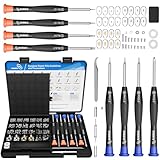
Forget the chunky screwdriver from your toolbox. When you’re figuring out how do you replace the screw on your eye glasses, the most important thing is having the right miniature tools. I’m talking about precision screwdrivers.
You can get sets for under $15 that have a whole range of interchangeable bits, including tiny Phillips heads and flatheads specifically designed for electronics and eyeglasses. I’ve found that a set with a rotating cap on the handle makes a huge difference. It allows you to rest the tool on your fingertip and spin the handle with the rest of your fingers, giving you much finer control.
This is absolutely key when dealing with those minuscule screws that could vanish into the abyss with a single clumsy move.
Beyond the screwdrivers, a good pair of fine-tipped tweezers is invaluable. You’ll need these for picking up the tiny screws, holding them in place, and sometimes for manipulating the hinge itself if it’s a bit sticky. Look for tweezers that have a sharp, precise tip, not the blunt, rounded kind. I once tried to use some cheap, stubby tweezers, and the screw just kept slipping out. It felt like trying to catch a flea with oven mitts. It’s worth spending a few extra bucks on decent tweezers; it will save you a mountain of frustration.
A magnifying glass or a head-mounted magnifier is another big deal. Seriously. Those screws are often darker than the frame, and in dim lighting, they can practically disappear. A magnifier lets you see exactly what you’re doing, making sure you’re threading the screw straight and not damaging the surrounding material. I used to scoff at wearing a magnifier, but after I spent twenty minutes on my hands and knees searching for a dropped screw that had bounced under my workbench, I bought one. It’s not about being old; it’s about being smart and saving your sanity.
Finally, consider a small container or tray to hold your screws and tools. A magnetic tray, like those used for small engine parts, can be a lifesaver, though be careful if your eyeglass frame has any significant metal content, as you don’t want it sticking to everything. A small plastic dish or even an old bottle cap works in a pinch. The goal is to keep everything contained and visible. Losing a tiny screw is a major setback, and having a designated spot for it prevents that headache. I keep a small, compartmentalized plastic organizer box that I use for various electronic repair bits. It’s perfect for corralling all those tiny eyeglass screws and washers.
Here’s a quick rundown of what I consider the bare essentials:
| Tool | Why You Need It | My Verdict |
|---|---|---|
| Precision Screwdriver Set | For the tiny Phillips and flathead screws. | Must-have. Look for a set with a rotating cap. |
| Fine-Tipped Tweezers | To handle and place minuscule screws. | Key. Sharp tips are key. |
| Magnifying Glass/Headband | To see what you’re doing clearly. | Highly Recommended. Saves time and frustration. |
| Small Parts Organizer | To keep screws from getting lost. | Useful. Prevents a lot of searching. |
The Actual Process: Step-by-Step Fix
Alright, let’s get down to it. Figuring out how do you replace the screw on your eye glasses involves a few key steps, and the order matters. First things first: assess the damage. Is the screw completely gone, or is it just loose? If it’s loose, you might be able to gently tighten it with the correct precision screwdriver. Be careful not to overtighten, which can strip the threads or crack the frame. Just a gentle snug is usually enough.
If the screw is missing, you’ll need a replacement. This is where things can get tricky.
Ideally, you’d have a spare screw from the original manufacturer, but most of us don’t. Your best bet is a good quality eyeglass repair kit that offers a variety of screw sizes and types. Look for kits that include screws with their own little barrels or nuts, as some frames have a threaded post on one side and the screw goes into that. (See Also: How Measure Metric Computer Screws )
When you get your replacement screw, try to match the size and length as closely as possible to the original. If you can’t find an exact match, err on the side of a slightly shorter screw rather than one that’s too long, as a long screw can poke through and cause discomfort or damage.
Here’s a practical, step-by-step approach:
- Gather Your Tools: Make sure you have your precision screwdrivers, tweezers, magnifier, and a place to keep parts.
- Clean the Area: Gently clean the hinge area with a soft cloth to remove any dust or debris. This makes it easier to see and work.
- Insert the Screw (if missing): If the screw is completely gone, take your replacement screw and place it in the hinge hole. If your frame has a separate barrel or post, make sure that’s in place first.
- Align the Hinge: Carefully align the arm (temple) with the frame. You might need to hold it in place with one hand or use your tweezers to keep it steady.
- Thread the Screw: Using your precision screwdriver, carefully insert the screw and begin to thread it. Go slowly and make sure it’s going in straight. If you feel resistance, stop and realign. Forcing it will strip the threads.
- Tighten Gently: Once the screw is threaded in, tighten it until it’s snug. The arm should move smoothly but not be loose. Test the movement. If it’s too stiff, loosen it a tiny bit. If it’s too loose, tighten it a tiny bit more.
- Check for Comfort: Put the glasses on and check for any pinching or discomfort. Make sure the arm folds correctly.
A common mistake people make is using pliers. Don’t do it. Pliers are too aggressive for eyeglass screws. They’ll likely strip the head, damage the frame, or over-tighten the screw. I learned this the hard way trying to fix my dad’s reading glasses. He insisted I could just “give it a good squeeze” with some pliers. Result? A bent screw and a cracked plastic arm. He was not happy, and neither was I.
When to Call in the Pros (or at Least a Friend)
Let’s be blunt: not every eyeglass repair is a DIY job, and sometimes trying to fix it yourself can make it worse. If you’ve lost the screw and the hinge itself is damaged – say, the little hole where the screw goes is completely mangled or cracked – you’re probably out of luck with a simple screw replacement. This is where you might need to consider professional repair. Opticians often have specialized tools and parts that you won’t find in a generic kit. They can sometimes replace entire hinge mechanisms or repair damaged frame material. It’s usually not outrageously expensive, especially compared to buying a whole new pair of glasses.
My general rule of thumb is this: if the frame material around the screw hole is compromised – cracked, chipped, or stripped beyond repair – it’s time to seek professional help. You can try an optician, or if it’s a higher-end pair of glasses, the manufacturer might offer repair services. Some online eyeglass retailers also have repair departments or recommendations. It’s always worth a call or an email to see what your options are before you decide to just toss them.
Another situation where you might want to throw in the towel is if you’ve tried multiple times to fix the screw and it keeps coming loose or the hinge still feels off. Sometimes, the internal threading is so worn down that even a new screw won’t hold. This is particularly true for older, well-worn frames. You could end up spending more money on various kits and replacement screws than it would cost to have a professional take a look. For less expensive frames, especially if they’re plastic, it might just be more economical to replace them outright. But for frames you love, investing a little in professional repair is often the best route.
I’ve also learned that some frames are just built differently. Rimless or semi-rimless glasses, for instance, often use tiny screws that anchor into a small metal tab or directly into the lens itself. These can be incredibly finicky, and if you’re not experienced, you risk cracking the lens. If your glasses are of this style and you’re feeling unsure, save yourself the potential heartache and take them to an optical shop. They deal with these types of repairs daily and have the specialized equipment to do it without causing further damage. It’s not admitting defeat; it’s being pragmatic and preserving your investment.
Common Mistakes and What to Avoid
When you’re trying to figure out how do you replace the screw on your eye glasses, the most common mistake I see, and one I’ve made myself more times than I care to count, is using the wrong screwdriver. People grab whatever they have lying around – a regular-sized Phillips head, a butter knife, anything with a vaguely similar shape. This almost always leads to stripping the head of the tiny screw, making it impossible to remove or tighten properly. It also risks damaging the frame itself. Precision is key here; you need screwdrivers that are smaller than what you’d use for household repairs.
Another big mistake is over-tightening. Eyeglass screws don’t need to be cranked down like a lug nut on a car. They just need to be snug enough to keep the hinge from being floppy. Over-tightening can strip the threads in the frame or the screw itself, or worse, crack plastic frames. I once had a pair of acetate frames that I over-tightened a screw on. The plastic around the hinge just fractured. It was a clean break, but completely irreparable without professional work. It taught me to use a gentle touch and to stop as soon as I feel resistance.
People also tend to lose the screws. They’ll take the old one out, and before they can grab the new one, the old one has vanished. Or they’re trying to screw in the new one, and it slips from their tweezers and bounces into some dark corner. This is why having a designated, contained workspace is so important. Use a small tray, a magnetic mat, or even just a white piece of paper so you can easily spot any runaway screws. I’ve spent frustrating hours on my hands and knees, flashlight in hand, searching for a single screw. It’s a waste of time and energy you could be using for something far more productive. (See Also: How To Adjust Eyeglass Screw )
Finally, and this is a big one: don’t try to force a screw that isn’t threading correctly. If the screw isn’t going in smoothly, it’s likely misaligned, cross-threaded, or the wrong size. Forcing it will damage the threads in the frame or the screw, making the repair much harder, if not impossible, for anyone to fix later. Stop, back the screw out, and try again, making sure everything is aligned. Sometimes, a tiny bit of pressure from the tweezers on the screw head as you thread it can help keep it straight. It’s better to take an extra minute to do it right than to spend an hour fixing the damage you caused by rushing.
People Also Ask: Eyeglass Screw Replacement
Where Can I Buy Replacement Screws for My Glasses?
You can buy replacement screws for your glasses at most pharmacies in their optical section, at dedicated eyeglass repair shops, or online through retailers like Amazon. Look for “eyeglass repair kits” which typically contain a variety of small screws, nuts, and sometimes even miniature screwdrivers. Some opticians will also sell individual replacement screws or small repair kits directly to customers.
How Do I Know What Size Screw I Need for My Glasses?
Determining the exact size can be tricky. It’s best to try and match the original screw as closely as possible. If you have the original screw, you can try to measure its length and diameter, though this is difficult due to their tiny size. Eyeglass repair kits often come with a range of sizes, so you might need to try a few. If your glasses are from a specific brand, checking their website or contacting customer service might provide information on replacement parts, though this is less common for screws.
Can I Use Super Glue to Fix My Glasses If I Lose a Screw?
While super glue might seem like a quick fix, it’s generally not recommended for fixing eyeglass screws. Super glue can permanently bond parts that need to move, like hinges, making them rigid and unusable. It can also create a mess, damage the frame material, and make professional repair very difficult, if not impossible, later on. It’s far better to use a proper replacement screw or seek professional help.
My Glasses Screw Keeps Falling Out, What Can I Do?
If your glasses screw keeps falling out, the threads in the hinge might be stripped. You can try a very small dab of clear nail polish or a specialized thread locker designed for small screws (available at hobby or electronics stores) applied sparingly to the screw threads before reinserting. Some people also use a tiny drop of clear glue on the threads, but be extremely careful not to get any on the hinge mechanism itself, as it will seize up. If the threads are severely stripped, professional repair or replacement might be necessary.
The Final Verdict on DIY Eyeglass Screw Fixes
So, the million-dollar question: can you successfully replace an eyeglass screw yourself? The answer is a resounding ‘yes,’ but with a big asterisk. You can absolutely do it if you have the right tools and a bit of patience. It’s not some arcane skill reserved for watchmakers. It’s a practical fix that can save you time and money. I’ve personally fixed loose screws and replaced missing ones on both my everyday frames and my safety glasses more times than I can count, and it’s usually a quick job once you have the setup right.
However, it’s important to go into it with realistic expectations. If your frames are made of delicate materials, like thin titanium or complex acetate designs, or if the hinge itself is damaged, a DIY fix might not be the best option. Trying to force a screw into a stripped hole or dealing with a cracked hinge can turn a minor inconvenience into an expensive problem. In those cases, taking them to an optician is the smarter move. They have the specialized tools and knowledge to handle more complex repairs, and their services are often surprisingly affordable compared to buying new glasses.
Everyone says you can fix anything with a bit of ingenuity, and for the most part, that’s true. But I disagree that you should attempt every repair yourself. For eyeglass screws, the common advice is to get a kit and do it.
I’d say get a good quality kit, yes, but also recognize when it’s beyond a simple screw swap. If the screw hole is enlarged, or the hinge is bent, a new screw won’t magically fix it. That’s when you need to be realistic about whether you’re saving money or just delaying the inevitable trip to the professional. It’s about knowing your limits and the limitations of your tools, and ultimately, preserving the integrity of the glasses you rely on every day.
Final Verdict
Learning how do you replace the screw on your eye glasses is a genuinely useful skill. It’s one of those little DIY wins that makes you feel capable and saves you from squinting through a cloudy day or making an unnecessary trip to the optician. Remember to invest in a decent set of precision tools; it makes all the difference between a quick fix and a frustrating ordeal. Don’t be afraid to try it, but also don’t be afraid to call in a pro if the situation looks dicey.
For most loose screws or simple replacements, a few minutes of careful work is all it takes. Just be patient, use the right equipment, and don’t force anything. If you’re looking at damaged frame material or a stripped-out hinge, it’s probably time to swallow your pride and let an expert handle it. They’ve seen it all, and they can usually sort it out faster and better than you can.
So, the next time you feel that tell-tale wobble, don’t despair. Grab your kit, find a well-lit spot, and give it a shot. You might just surprise yourself.
![AXTH 25-in-1 Small Precision Screwdriver Set, Professional Magnetic Mini Repair Tool Kit for Phone, Computer, Watch, Laptop, Macbook, Ring Doorbell, Eyeglass, Electronic, [Bearing Steel] Screw Driver](https://m.media-amazon.com/images/I/518YlLmPTcL._SL160_.jpg)
