
You know that feeling. You’ve got your trusty screwdriver set, ready to tackle that wobbly laptop lid or that case panel that just won’t sit right. You go to tighten a screw, and… it just spins. Freely. Utterly useless. It’s infuriating, especially when you’re halfway through a project. This isn’t just about a single screw; it’s about the whole damn thing falling apart because one tiny metal thread gave up the ghost. Figuring out how much does it cost to fix a computer screw isn’t always about buying new parts.
Sometimes, it’s about having the right know-how to salvage what you’ve got. I’ve been there, staring at a stripped screw hole on a motherboard shroud, thinking I’d have to buy a whole new case. But more often than not, the solution is surprisingly cheap, or even free if you’re handy.
When a Screw Strips Out: It’s Usually the Hole, Not the Screw
Let’s get one thing straight right off the bat: when people ask how much does it cost to fix a computer screw, they’re usually not talking about the screw itself. The screw is almost always fine. The problem is that the threads it screws into have gone south. This can happen on the metal case itself, a plastic standoff on the motherboard, or even a metal insert in a component like a graphics card or an SSD. The threads inside that little hole or insert get chewed up, often by overtightening, using the wrong size screwdriver, or just plain old wear and tear. That’s why the screw just keeps spinning – there’s nothing for its threads to grip onto anymore.
Most computer screws are standard M2, M2.5, or M3 sizes. You can buy a pack of a hundred for less than ten bucks online. So, if the screw head is stripped, that’s a separate, but usually easier, problem. If the hole is stripped, that’s where things get interesting, and where the cost can vary wildly. For a loose screw scenario, you’re looking at either reinforcing the existing threads or creating new ones. It’s a bit like trying to hammer a nail into rotten wood – you need to find some solid material to work with, or make some.
I remember wrestling with a screw on an old Lian Li case I was trying to clean out. It was an M3 screw holding a drive bay bracket. It spun and spun. I figured I’d have to drill it out and tap a new thread, which felt like overkill for an old case. Turns out, the threads were just a bit clogged with aluminum dust. A quick blast of compressed air and a gentle wiggle got it out. Lesson learned: don’t always assume the worst. Sometimes the simplest solution is staring you in the face, and it costs exactly zero dollars and zero cents.
DIY Fixes: The “free” to “cheap” Category
This is where most of your “computer screw repairs” will live. Because we’re talking about relatively small, low-stress connections, you often don’t need industrial-grade solutions. My first instinct, and often the most effective one for stripped-out plastic standoffs, is to use a slightly larger screw or a trick with thread-binding material. For metal cases, things can be a bit trickier but still manageable. The goal here is to create a new surface for the screw threads to bite into.
For stripped plastic standoffs, which are common on motherboard mounts and some drive bays, I’ve had great success with this method: Take a slightly larger screw (if you can find one that fits the threading size but is just a hair wider in diameter, maybe an M3.5 or M4 if the original was M3, but be careful not to widen the hole too much). Often, the plastic is soft enough that the new screw will cut its own fresh threads.
If you don’t have a slightly larger screw handy, or if the hole is really mangled, you can try this: get some plumbers’ epoxy putty (the kind you mix by kneading). Smear a tiny bit of it into the stripped hole, let it cure according to the instructions (usually a few hours), and then carefully drill a pilot hole and tap in your original screw. This adds material and gives you new threads. This method costs maybe $5-$10 for a small tube of epoxy, and it’s incredibly solid.
Another trick for less important plastic threads is using a self-tapping screw. These are designed to cut their own threads as you screw them in. You can find them at any hardware store for pocket change. (See Also: How To Fix Eyeglasses Arm Without Screw )
For metal cases, if the threads are just a bit iffy, sometimes a dab of Loctite Blue (the removable kind, definitely NOT Red!) can provide enough grip without permanently bonding the screw. You put a tiny drop on the threads of the screw before inserting it.
This usually costs less than $10 for a small bottle that will last you years. These DIY fixes are what make the question ‘how much does it cost to fix a computer screw’ lean heavily towards the cheaper end of the spectrum.
When It’s Time to Call in the Pros (or Buy a New Part)
Okay, let’s be honest. Not everything is a DIY job, and sometimes trying to fix a stripped screw hole can make things worse. If we’re talking about something important, like a mounting point for a heavy graphics card that’s taken a beating, or a screw on a heat sink that needs to be absolutely secure for proper cooling, you might want to reconsider a quick fix. The risk of damaging the component further, or having it fail due to a loose connection, might outweigh the cost of a professional repair or replacement part.
If a screw hole is completely destroyed on a high-end motherboard, or a important part of the computer chassis, a professional computer repair shop might be able to help. They have specialized tools like helicoils or thread repair kits for metal that can permanently fix damaged threads. This is usually a service they offer for more significant repairs, and it won’t be cheap. You’re looking at anywhere from $50 to $150 or more, depending on the complexity and the shop’s labor rates. They’re basically re-tapping the hole or installing a new threaded insert. This is a much more involved process than just jamming some putty in there.
In many cases, especially with older or budget computers, the cost of professional repair for a single stripped screw hole can easily exceed the value of the computer itself. This is where you have to make a judgment call. Is it worth paying $80 to fix a stripped screw hole on a $200 PC? Probably not.
In those situations, you’re usually better off either living with the wobbly part (if it’s non-important) or cannibalizing parts from another machine. If the stripped screw is on a component that is itself replaceable, like a case panel or a drive cage, it might be cheaper and easier to just buy a replacement part.
A new PC case can range from $50 to $200+, and a replacement drive cage might be $15-$30. So, while the direct question ‘how much does it cost to fix a computer screw’ can sometimes point to a few dollars, the indirect costs of part replacement or professional labor can add up significantly.
Tools of the Trade: What You Actually Need
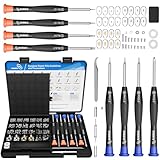
You don’t need a whole workshop, but having a few basic tools makes a world of difference. For dealing with screws, the absolute first thing is a good set of screwdrivers. I’m not talking about the flimsy ones you get free with IKEA furniture. I mean decent quality Phillips head (PH00, PH0, PH1 are common in PCs) and Torx (T5, T6, T8 are frequent offenders). (See Also: How Measure Metric Computer Screws )
A magnetic tip is a lifesaver, preventing screws from vanishing into the abyss. For stripped heads, a screw extractor kit is your best friend.
These are small, hardened steel bits that you chuck into a drill. You drill a small pilot hole into the center of the stripped screw head, then flip the bit and use the other end to grip and back out the screw. They cost about $15-$30 for a decent set, and they’ve saved me hours of frustration.
Beyond screwdrivers and extractors, consider a small set of pliers – needle-nose are great for grabbing things, and some have wire cutters built-in. For stripping out screw holes, especially in plastic, a small hand drill or a Dremel with a tiny drill bit (1mm or 1.5mm) can be useful for cleaning out debris or drilling pilot holes for epoxy or larger screws. A can of compressed air is always handy for cleaning out dust that might be jamming up threads. And, as mentioned, epoxy putty or a small tube of Loctite Blue are incredibly useful to have on hand. These aren’t specialized computer repair tools, but they’re general DIY essentials that happen to work wonders on computer hardware.
I made the mistake early on of using pliers to try and grip a stripped screw head. I mangled the head so badly I couldn’t even get a screw extractor on it. That forced me to drill the whole thing out, damaging the surrounding plastic. It was a mess, and all because I didn’t have the right tool for the job. Investing in a basic toolkit upfront will save you time, money, and a whole lot of swearing when you encounter problems like a stripped screw. The cost of these tools is a one-time investment that pays for itself very quickly when you consider how much does it cost to fix a computer screw when you can’t fix it yourself.
Here’s a quick rundown of what I consider key for minor computer hardware fixes:
| Tool | Typical Cost | Verdict |
|---|---|---|
| Precision Screwdriver Set (Phillips, Torx) | $15 – $40 | Absolutely mandatory. Get magnetic tips. |
| Screw Extractor Kit | $15 – $30 | Lifesaver for stripped screw heads. |
| Needle-Nose Pliers | $10 – $25 | For grabbing, holding, and manipulating small parts. |
| Epoxy Putty (e.g., J-B Weld WaterWeld) | $5 – $10 | Excellent for rebuilding stripped plastic threads. |
| Loctite Blue (Removable Threadlocker) | $7 – $15 | Good for adding grip to metal threads, use sparingly. |
| Small Hand Drill or Dremel (with bits) | $25 – $70 | Optional for more involved repairs, but very handy. |
Contrarian Take: Sometimes, You Just Need to Leave It
Here’s something that goes against the grain of every DIYer’s instinct: sometimes, the best way to “fix” a stripped screw is to do absolutely nothing. Yep, you read that right. If the screw is in a non-important location, or if its absence doesn’t compromise the structural integrity or functionality of the computer, just leave it out. I know, it feels wrong. It’s like leaving a puzzle piece on the table. But hear me out.
I once had a screw hole strip out on the bottom cover of an old laptop. This particular screw wasn’t holding anything vital; it was more of a secondary anchor point for a plastic tab. I spent an hour trying to fix it, using epoxy, then trying to tap a new thread. I ended up making it worse. The plastic around the hole became brittle and cracked. In the end, I just removed the screw, put the cover back on, and never put that screw back in. The laptop worked perfectly fine for another three years. The cost to not fix it? Zero dollars. My time and sanity? Priceless.
This applies to many cosmetic or non-load-bearing screws in PC cases, drive cages, or even some internal bracketry. If you’re not experiencing any rattling, vibration, or physical instability because the screw is missing, and the component stays put, then why bother? The effort, potential cost of materials, and the risk of causing further damage by attempting a repair can easily outweigh the minor aesthetic or perceived structural flaw. This is especially true if the component is one you rarely access. So, before you reach for the epoxy or the drill, ask yourself: does this screw really need to be there and secure? (See Also: How To Adjust Eyeglass Screw )
Faq: Addressing Common Questions About Computer Screw Woes
How Do I Fix a Stripped Screw Head on a Computer?
If the screw head itself is stripped (the slots are rounded out), you have a few options before the threads in the hole become an issue. The easiest is a rubber band: place a wide rubber band over the screw head, then insert your screwdriver firmly and try to turn. The rubber can provide extra grip. If that fails, a screw extractor kit is usually the next best bet. You drill a small hole into the screw head and then use the extractor bit to back it out. If all else fails, you might need to carefully cut a new slot with a Dremel tool or drill the head off entirely.
What Are the Common Types of Computer Screws?
Computer hardware primarily uses metric machine screws. The most common sizes you’ll encounter are M2, M2.5, M3, and M3.5. These refer to the diameter of the screw in millimeters. They come in various lengths and head types (Phillips, Torx, sometimes Hex). Motherboards usually use M3 screws for mounting and smaller M2 or M2.5 screws for M.2 SSDs. Case panels and drive bays often use M3 or M3.5 screws. It’s always good to have a variety pack of computer screws on hand.
Can I Use Super Glue to Fix a Stripped Screw Hole?
While super glue (cyanoacrylate) can sometimes work in a pinch for very minor, low-stress stripped plastic threads, it’s generally not recommended. Super glue is brittle and can crack under stress, and it can create a permanent bond that’s hard to undo if you need to remove the screw later. Epoxy putty or a self-tapping screw are much more reliable and durable solutions for stripped screw holes in computer hardware. Super glue is more of a temporary fix that might fail when you least expect it.
Is It Worth Paying a Shop to Fix a Computer Screw?
Generally, no, unless it’s a very specific and important situation. For most stripped screw holes or heads, the cost of professional labor will far exceed the cost of replacement parts or a simple DIY fix. Shops typically charge by the hour, and diagnosing and fixing a single screw could easily run $50-$150. Unless the stripped screw is preventing a very expensive component from functioning and no other solution exists, it’s almost always cheaper and faster to attempt a DIY repair or simply leave the screw out if it’s non-key. The value of the computer itself is usually too low to justify professional repair for such a minor issue.
Verdict
So, how much does it cost to fix a computer screw? Most of the time, it costs you nothing but a little ingenuity and maybe five minutes of your time. The real cost comes in when you don’t have the right tools, you try to force things, or the damage is genuinely severe. Remember, the screw is rarely the problem; it’s the threads it screws into.
For stripped plastic, epoxy putty or a slightly larger screw are your best friends. For stripped metal threads, a helicoil might be needed for a permanent fix, but that’s usually a job for a professional and costs a pretty penny. For stripped screw heads, invest in a screw extractor kit – it’s a cheap lifesaver.
Before you panic and think you need to buy a whole new case or component, take a deep breath. Assess the situation. Is this screw important? Can you leave it out? Nine times out of ten, you can find a simple, low-cost solution, or decide that the problem isn’t worth solving at all. Don’t let one tiny metal thread ruin your day or your budget.
![AXTH 25-in-1 Small Precision Screwdriver Set, Professional Magnetic Mini Repair Tool Kit for Phone, Computer, Watch, Laptop, Macbook, Ring Doorbell, Eyeglass, Electronic, [Bearing Steel] Screw Driver](https://m.media-amazon.com/images/I/518YlLmPTcL._SL160_.jpg)
