
I swear, the first time my favorite diver watch died, I almost had a meltdown. It wasn’t some fancy Swiss thing, just a solid workhorse I’d had for years. The thought of taking it to a shop, paying who-knows-what, and waiting days felt like a total rip-off. So, I decided to tackle it myself. Turns out, learning how to change a watch battery with a screw back is easier than you might think, and way cheaper.
This isn’t rocket science, but it does require a bit of patience and the right – albeit cheap – tools. You’ve probably seen those fancy watch repair shops with their bright lights and magnifying glasses. Forget that. For most screw-back watches, you can do this at home. Let’s get that timepiece ticking again.
Getting Started: What You Actually Need
Look, nobody needs a workbench full of specialized gear for this. The biggest hurdle for most people wanting to know how to change a watch battery with screw back is just getting the darn thing open. Most screw-back cases have small notches around the edge. These aren’t for show; they’re what you grip. You’ll need something that can get into those notches and give you some use. Forget trying to use a regular screwdriver; you’ll just chew up the case or slip and slice your finger.
The go-to tool for this job is a watch case back opener. They’re dirt cheap online, usually a few bucks.
They’re basically little metal claws that adjust to fit different sizes of notches. Some have a little wheel you turn to tighten the claws onto the case, and then a handle you twist.
It feels sturdy, and it’s designed for this exact purpose. I bought a set that came with a few different types, and honestly, the adjustable claw one is all I ever use for screw backs. It’s made of hardened steel, so it grips like a champ without damaging the metal. For around $10, you can get a decent set that will last you years, or until you lose it in a drawer somewhere, which is my personal record.
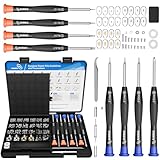
Beyond the opener, you need a very small, fine-tipped non-metallic tweezer. Plastic is best. You’re dealing with tiny components, and you don’t want to short anything out with metal. Also, a clean, soft cloth or a microfiber towel is a must. Fingerprints are the enemy of a clean watch interior. Seriously, keep the dust bunnies away. You might also want a tiny screwdriver set, but usually only for very specific, older watches. For most modern screw backs, the case opener is the main event.
My first attempt involved a pair of pliers and a prayer. Result? Scratched case, a barely budged back, and a lot of frustration. It taught me that a tool designed for the job saves you time, money, and a bruised ego. So, before you even think about prying, get yourself that cheap case back opener. It’s the one thing you shouldn’t skimp on.
Cracking the Case: The Actual Process
Alright, you’ve got your watch and your cheap case back opener. The first step in learning how to change a watch battery with screw back is to identify those notches. Look around the edge of the case back. You’ll see them – little indentations. If your watch has a completely smooth edge with no notches, well, then this guide isn’t for you, and you probably have a snap-back or a press-on back, which is a different beast entirely. Assuming you see notches, you’re in business.
Adjust your case back opener so the claws fit snugly into two opposite notches. You want a good, firm grip. Too loose and it’ll slip; too tight and you might bend the claws or, worse, damage the watch.
Once you’ve got a solid fit, it’s time to turn. Most of these screw backs unscrew counter-clockwise, just like a jar lid.
Apply steady, firm pressure. It might take a bit of force, especially if it hasn’t been opened in a while. You’ll feel it start to give. (See Also: How To Fix Eyeglasses Arm Without Screw )
If it’s really stuck, a tiny bit of WD-40 on a Q-tip applied very sparingly to the seam and left for a few minutes can help, but be incredibly careful not to get it inside the watch.
Once it’s loose, you can usually unscrew it the rest of the way by hand. Gently lift the case back off. Here’s where the non-metallic tweezers come in. Inside, you’ll see the battery. It’s usually held in place by a small clip or a tiny screw. If it’s a clip, you might be able to gently pry it up with the tip of a plastic tweezer or a toothpick. If there’s a tiny screw, you’ll need a miniature screwdriver. I find that most common watches use batteries that are just clipped in. Be gentle. You’re not trying to muscle anything here. The goal is to release the battery without bending or breaking anything.
Note the orientation of the battery before you pull it out. There’s usually a plus (+) side and a minus (-) side. Most batteries have the plus side facing up. Some watch movements are sensitive to battery orientation, so getting it wrong can cause issues. Take a quick photo with your phone if you’re worried about remembering. Once the old battery is out, pop in the new one, making sure it’s oriented correctly. Then, put the clip or screw back in place. It should feel secure but not forced.
My first screw-back watch I successfully opened was a cheap Casio I got for fishing. The back was on TIGHT. I remember thinking I was going to break it. But with steady pressure, it finally gave with a satisfying little ‘pop’. It was a small victory, but it gave me the confidence to try on more expensive watches later.
What Battery Do You Actually Need?
This is where people get tripped up. You can’t just grab any old button battery and shove it in. Watch batteries are specific. The most common type you’ll encounter for screw-back watches is the Renata 377, also known as a SR626SW. But there are dozens of others: 371, 395, 399, 2016, 2032 – the list goes on and on. The key is to know exactly what your watch uses. How do you find out?
The easiest way is to look at the old battery you just removed. It will have a number printed on it. That number is the battery’s designation. For example, if it says ‘377’, that’s what you need. You can also check your watch’s manual if you still have it, though who keeps those? Alternatively, a quick online search for your watch’s make and model plus ‘battery type’ will often give you the answer. Websites specializing in watch parts are also a good resource.
When buying batteries, I generally stick to reputable brands like Energizer, Sony, or Panasonic. You can find cheap, no-name batteries online, and while they might work, they often don’t last as long. I’ve had instances where a cheap battery died within a couple of months, forcing me to go through this whole process again. For a few cents more per battery, buying a known brand is usually worth it. Think about it: you’re going to all this trouble to save money, don’t blow it by buying a battery that fails prematurely.
I once bought a pack of 10 generic watch batteries for about $3 online. They looked right, felt right, but two out of the first three I tried either didn’t power the watch or died within a week. That’s when I learned my lesson and started buying branded batteries, even if they cost a bit more. It’s about reliability. You don’t want your watch to die on you during an important meeting because you saved a nickel on a battery.
Here’s a quick look at some common watch battery types and what they’re generally used for. Remember, always check your specific watch:
| Battery Type | Common Diameter (mm) | Common Thickness (mm) | Typical Watch Use | My Verdict |
|---|---|---|---|---|
| SR626SW (377) | 6.8 | 2.6 | Everyday analog watches, basic digital | Workhorse, check this one first. |
| SR621SW (364) | 6.8 | 2.1 | Smaller analog watches, fashion watches | Good for slimmer cases. |
| SR920SW (371) | 9.5 | 2.1 | Chronographs, multi-function analog | Common in sportier models. |
| CR2016 | 20.0 | 1.6 | Digital watches with backlights, alarms | Higher voltage, lasts longer. |
| CR2032 | 20.0 | 3.2 | Larger digital watches, smartwatches (older) | Chunky, powerful. |
Common Mistakes and How to Avoid Them
So, you’ve got the tools, you know the battery type. What could possibly go wrong when you’re learning how to change a watch battery with screw back? Plenty, if you’re not careful. The most common mistake is not having a clean workspace. Dust, lint, stray hairs – they’re all waiting to get into your watch. I once found a tiny piece of thread stuck to the inside of my watch crystal after a battery change. It drove me nuts for days until I figured out where it came from.
Another big one is forcing things. If the case back isn’t unscrewing easily, don’t just crank on it harder. You risk stripping the notches on the case back, making it incredibly difficult to open next time, or even damaging the threads. If it’s stuck, re-seat your opener, make sure it’s gripping properly, and try again with steady pressure. Sometimes, wiggling it slightly can help break the seal. If it’s truly seized, you might have corrosion or dirt jamming it. In that case, you might need a professional, but usually, it’s just stubbornness. (See Also: How Measure Metric Computer Screws )
People also frequently damage the gasket. That’s the little rubber or plastic O-ring that seals the watch against water and dust. It’s often seated in a groove around the case or on the case back. When you remove the case back, be mindful of it. If it gets nicked, stretched, or torn, your watch might lose its water resistance. When you reassemble, make sure the gasket is properly seated in its groove. Sometimes it can get caught under the case back as you screw it down. It’s a good idea to replace the gasket if it looks old, cracked, or damaged. They’re cheap and widely available.
I’ve seen people bend the battery clip or the tiny metal arm that holds the battery in place. These are delicate. Use your non-metallic tweezers or a plastic toothpick to gently lift them. Never use metal tools on these tiny components unless absolutely necessary and you know what you’re doing. Lastly, and this is HUGE: don’t touch the back of the new battery with your bare fingers. Your skin oils can leave a residue that can interfere with the battery’s performance and lifespan. Always handle batteries by their edges or use your tweezers.
My friend Dave tried to change his own battery once. He used a pair of old needle-nose pliers on the case back and ended up putting a nice, deep gouge right across it. Then, he lost the tiny spring that pushes the battery up. He ended up having to buy a whole new movement for the watch. Cost him way more than a shop would have charged in the first place. Lesson learned: use the right tools, even for cheap jobs.
People Also Ask:
How Do I Open a Watch Back with No Notches?
If your watch back is completely smooth, it’s likely a ‘snap-back’ or ‘press-on’ type. These don’t have notches. Instead, you need a specialized watch knife or a thin, flat blade tool to gently pry it open at a specific seam, usually near the lug where the strap attaches. Be extremely careful, as these can be easy to scratch or damage if not done with precision. It’s often better to get a professional for these if you’re not confident.
Can I Use a Coin to Open a Screw Back Watch?
Technically, yes, sometimes, if the coin is the perfect size and has enough grip on the notches. However, I strongly advise against it. Coins are made of soft metal and can easily get damaged, or worse, damage the notches on your watch case. You also lack the precise grip and torque control you get with a proper case back opener. It’s a recipe for frustration and potential damage. A cheap dedicated tool is a far better, safer option.
Do Watch Repair Shops Charge a Lot for Battery Replacement?
It varies wildly. A simple battery change at a mall kiosk or a chain jeweler might be anywhere from $10 to $25, sometimes more for high-end or water-resistant watches. Independent watchmakers might charge a bit more but often offer better service and expertise, especially for vintage or complex pieces. If your watch is water-resistant, they’ll often test the seal after replacement, which adds to the cost but is important for maintaining its integrity.
Reassembly and Water Resistance
So, you’ve successfully replaced the battery, and the watch is ticking merrily. Now for reassembly. This is almost as important as the opening process, especially if your watch has any level of water resistance. First, make sure the inside of the case back and the rim of the watch case are clean. Wipe away any smudges or dust with your clean cloth.
Next, carefully inspect the gasket. It’s usually a thin, flexible ring of rubber or silicone. If it looks dry, cracked, or distorted, it’s time for a new one. You can buy a variety pack of watch gaskets online for a few bucks. If yours looks good, make sure it’s seated properly in its groove on the watch case or the case back. Sometimes, a tiny bit of silicone grease designed for watch gaskets can help it seal better and last longer, but this is an optional step for most DIYers. Just make sure it’s not twisted or pinched.
Now, carefully place the case back onto the watch. Align the threads so it screws on smoothly. If it feels like it’s cross-threading, stop, unscrew it, and try again. You want it to go on with minimal resistance. Once it’s threaded on properly, use your case back opener again. This time, you’ll be screwing it clockwise. Again, apply steady, firm pressure until it’s snug. Don’t overtighten it. You want it to be secure, but you’re not trying to crush the gasket.
How tight is tight enough? For most watches, once the case back is flush with the watch case and you can’t turn it any further with reasonable hand pressure, you’re good. If you overtighten, you can damage the threads or the gasket, compromising your water resistance. For watches with significant water resistance ratings (like divers), it’s a good idea to have the water resistance tested professionally after a DIY battery change. While you can do the change yourself, re-sealing a high-pressure water-resistant watch is tricky and requires specialized equipment that most home DIYers don’t have.
I learned the hard way about water resistance. I had a nice waterproof watch I’d changed the battery on myself. I forgot to properly seat the gasket. A few weeks later, I was washing my hands, and a tiny bit of water got in. Game over. The entire movement was ruined by corrosion. It was a stark reminder that while knowing how to change a watch battery with screw back is a great skill, respecting the seal is most important for water-resistant watches. (See Also: How To Adjust Eyeglass Screw )
Practical Tips and When to Call a Pro
Knowing how to change a watch battery with screw back is a valuable skill, saving you time and money. Here are a few more practical tips that might make your life easier. First, work on a well-lit surface. A desk lamp or even natural daylight will make it much easier to see what you’re doing, especially those tiny parts. Consider using a white or light-colored mat or towel underneath your watch. This makes it easier to spot dropped screws or parts that might bounce away.
If your watch has a very specific or unusual case back, or if it’s a high-value antique, seriously consider whether you want to risk it. Sometimes, a watch isn’t just a timepiece; it’s an heirloom or a significant investment. The few dollars you save by doing it yourself might not be worth the potential damage to something irreplaceable. In those cases, finding a reputable watchmaker is the best route. They have specialized tools and the experience to handle delicate or complex movements without issue.
Another thing to consider is the type of movement inside the watch. While most common quartz movements are solid, some intricate mechanical movements have very sensitive parts. This guide is primarily for straightforward quartz watches with screw-back cases. If you have a complex chronograph, an automatic, or a manual wind watch, and you’re not intimately familiar with its workings, it’s probably best to seek professional help. The risk of damaging delicate gears or springs is too high for a casual DIYer.
Finally, don’t be afraid to practice. If you have old, inexpensive watches with screw backs that you don’t care about, use them to get the hang of opening and closing the case. The more you do it, the more comfortable and confident you’ll become. It’s like anything else – practice makes perfect. But always remember, if at any point you feel unsure or you encounter resistance you can’t easily overcome, it’s okay to stop and take it to a professional. Your watch will thank you.
I once had a vintage Omega Speedmaster. It’s a beautiful piece, but the battery needed changing. I could have probably figured it out, but the movement inside is legendary and incredibly complex. The thought of screwing up even one tiny gear made me break out in a cold sweat. So, I took it to a local guy who specializes in vintage Swiss watches. It cost me $50, which was more than I’d ever spent on a battery change, but seeing him carefully work on it with his loupe and tiny tools, and knowing it was done right, was worth every penny.
What Is the Best Tool for Opening a Screw Back Watch?
The best tool for opening a screw back watch is a dedicated watch case back opener, specifically an adjustable claw-type opener. These tools grip the notches on the case back securely without damaging the metal, allowing for consistent torque to unscrew it. Avoid using makeshift tools like coins or pliers, as they are more likely to cause damage to your watch.
How Do I Know Which Watch Battery to Buy?
You need to identify the exact battery type your watch uses. The easiest way is to remove the old battery and check the number printed on its surface. This number, such as ‘377’ or ‘CR2032’, is the battery designation. You can also consult your watch’s manual or search online for your watch model’s specific battery requirements. Always use the specified battery type for optimal performance and to avoid damage.
How Can I Make Sure My Watch Remains Water-Resistant After a Battery Change?
To maintain water resistance, carefully inspect and properly seat the rubber or silicone gasket that seals the case back. If the gasket appears worn, cracked, or damaged, it should be replaced. Make sure the gasket is free of debris and sits evenly in its groove. While a DIY change can maintain basic water resistance, for watches with high water resistance ratings, professional testing of the seal is highly recommended after the battery replacement.
Verdict
So there you have it. Learning how to change a watch battery with screw back isn’t some dark art reserved for watchmakers. With a few inexpensive tools and a bit of patience, you can bring dead watches back to life yourself. Remember to work clean, use the right tools, and be gentle. It’s a surprisingly satisfying little DIY project.
Don’t let a dead battery leave your favorite timepiece gathering dust. Most of the time, the process is straightforward. However, if you encounter significant resistance, have a particularly valuable or complex watch, or are worried about water resistance, don’t hesitate to seek out a professional. But for many everyday watches, this is a skill that’s well worth having in your toolkit.
![AXTH 25-in-1 Small Precision Screwdriver Set, Professional Magnetic Mini Repair Tool Kit for Phone, Computer, Watch, Laptop, Macbook, Ring Doorbell, Eyeglass, Electronic, [Bearing Steel] Screw Driver](https://m.media-amazon.com/images/I/518YlLmPTcL._SL160_.jpg)
