
My favorite pair of sunglasses, the ones that cost more than my last car repair, decided to self-destruct in the most annoying way possible. One of the tiny screws holding the arm on just… vanished. Poof. Gone. I remember the panic, the feeling of expensive plastic dangling uselessly. It’s a common enough problem, and one that can usually be sorted out yourself if you’ve got a bit of patience and the right tiny tool. Learning how to fasten the screw in glasses can save you a trip to the optician or the embarrassment of wearing duct-taped eyewear.
Sure, you can pay someone to do it, but most of the time it’s a five-minute job. And honestly, sometimes you just need your glasses NOW. Nobody wants to be squinting at the world or fumbling for their phone to read a text because a minuscule piece of metal decided to call it quits.
The Tiny Screw Saga: Why It Happens and What You Need
Look, these aren’t your dad’s thick-framed spectacles anymore. Modern glasses, especially those sleek metal or thin plastic frames, rely on microscopic screws. They’re usually made of steel, sometimes coated, and they thread into a tiny barrel or directly into the frame material. The problem?
Vibration. Constant wear and tear. Shoving them in your pocket without a case. All these things work together to slowly, oh-so-slowly, loosen that screw.
Eventually, it just pops out. I learned this the hard way with a pair of designer reading glasses that I paid an embarrassing amount for.
I was fiddling with them, trying to tighten a loose arm, and the screw just pinged off into the carpet. I spent a solid twenty minutes on my hands and knees with a flashlight, feeling like a complete idiot.
Lost it. Had to buy a whole new set of replacement screws, which, thankfully, were cheap, but it was the principle of the thing.
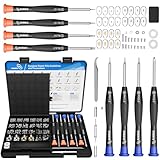
So, what do you actually need to tackle this? Forget your standard toolbox. You need a precision screwdriver set.
I’m talking about the kind that usually comes with electronics repair kits or is marketed for watchmakers. These have incredibly small Phillips head or sometimes flathead bits. The key is matching the size and type to the screw you’ve lost.
The most common type you’ll encounter on glasses is a tiny Phillips head, usually between 1.0mm and 1.5mm. Anything bigger and you’re just going to strip the screw head, making your life even harder. A good set will also include a tiny magnet on the end of the screwdriver shaft, which is a godsend for picking up those little buggers if you drop them, which you will. Trust me, you will drop them.
Beyond the screwdriver, you might want a small pair of needle-nose tweezers. Sometimes the screw isn’t lost, it’s just loose and you need to hold it steady while you try to get the screwdriver in. A magnifying glass or a good desk lamp with a magnifier is also a massive help. (See Also: How To Fix Eyeglasses Arm Without Screw )
Your eyes will thank you. And if you’ve lost the screw entirely, you’ll need a replacement.
You can buy assorted glasses repair kits online for a few bucks. They usually contain a variety of tiny screws and a basic screwdriver. I keep one of these kits in my desk drawer, one in my car, and one in my travel bag. It’s like having a tiny superhero squad for your eyewear emergencies.
The DIY Repair: Step-by-Step to Tightening Up
Alright, let’s get this done. First things first: assess the damage. Is the screw completely gone, or is it just loose? If it’s just loose, congratulations, you’re halfway there. If it’s gone, grab your replacement screw from your handy-dandy repair kit. You want to pick one that looks like a similar size and thread. Don’t overthink it too much; most kits are designed to be pretty universal for common glasses. The goal here is to get something that fits without forcing it. Forcing anything in eyewear repair is a fast track to breaking something that’s already delicate.
Here’s the process, plain and simple:
- Prepare Your Workspace: Find a well-lit area. Seriously, good light is a must. Lay down a clean cloth or a piece of paper to catch any dropped screws. This isn’t just about preventing loss; it’s about making it easier to find if you do drop one. Think of it as a safety net.
- Select the Right Tool: Grab your precision screwdriver set. Identify the smallest Phillips head bit. You want it to fit snugly into the screw head without wobbling. If it’s too small, it’ll slip and strip the head. If it’s too big, it won’t go in. Trial and error is your friend here, but be gentle.
- Align the Screw (if missing): If you’ve lost the screw, you’ll need to place the new one into the hole. This is where tweezers are useful. Gently hold the screw with the tweezers and position it in the threaded hole. You might need to gently rotate it with the tip of the screwdriver to get it started. Don’t jam it in.
- Start Tightening: Once the screw is in place (or if you’re tightening an existing one), position the screwdriver tip firmly into the screw head. Turn the screwdriver clockwise. This is the universal rule for tightening. Apply gentle, steady pressure. You’re not trying to muscle it in; you’re guiding it.
- Feel for Resistance: You’ll feel the screw start to bite into the threads. Keep turning until you feel a slight resistance. This is the sweet spot. Don’t overtighten. Over-tightening is a common mistake and can strip the threads in the frame or even crack the hinge. Just snug is all you need. If the arm feels loose, give it another tiny turn. If it feels stiff or the screw won’t turn easily, stop. You might have the wrong screw or thread.
- Test and Repeat: Gently wiggle the arm of the glasses. Does it feel secure? Is it moving freely without being floppy? If it’s still loose, give it another quarter turn clockwise. If it’s too tight and stiff, you might need to back it off a tiny bit. Every screw and every frame is slightly different.
It sounds simple, and it is, but the key is patience and the right tools. Rushing this will only lead to frustration and potentially more damage.
Common Pitfalls and Why Your Glasses Might Still Be Loose
I’ve seen people butcher this simple repair. The most frequent offender? Using the wrong screwdriver. Seriously, don’t try to use that chunky flathead from your household toolbox on your Ray-Bans. You’ll strip the screw head faster than you can say “expensive mistake.” The metal on these tiny screws is soft, and the heads are designed for precision. A slip of a larger tool means you’ve now got a rounded-out screw that’s a nightmare to remove or tighten further. That’s when you really need a screw extractor, and who has one of those lying around?
Another big mistake is over-tightening. People think ‘tight means fixed.’ Wrong. You can strip the delicate threads in the hinge or the frame itself. This is especially true with plastic frames, which are more forgiving in some ways but much easier to crack or strip. I’ve had friends ruin perfectly good plastic frames because they cranked down on the screw like they were building a deck. You should feel a gentle resistance, not a struggle. It should be snug, not locked down with vice-like force. If the screw feels like it’s going to push through the other side or you’re having to use serious muscle, you’ve gone too far.
Then there’s the issue of the wrong replacement screw. If you’ve lost the original, and you’re trying to force a screw that’s too long, too short, or has the wrong thread pitch, you’re going to have problems. Too long, and it might poke out the other side or interfere with the hinge mechanism.
Too short, and it won’t catch the threads properly. Wrong thread pitch? It just won’t engage.
This is why buying a dedicated glasses repair kit is usually a good bet. They’re designed to offer a range of common sizes that should work. One thing I’ve learned is that sometimes, even with a kit, you might need to try a couple of different screws to find the best fit. It’s a bit of trial and error, but better than forcing something and breaking your frames. (See Also: How Measure Metric Computer Screws )
Finally, consider the condition of the hinge itself. Sometimes, the problem isn’t just the screw; the hinge might be bent, worn out, or even slightly damaged. If the screw goes in fine, but the arm is still wobbly or doesn’t sit right, the hinge might be the culprit. Trying to fix a bent hinge with a screw is like trying to nail jelly to a tree. It’s not going to work, and you’ll likely just make things worse. In those cases, you’re looking at a professional repair or new glasses. For what it’s worth, I find that metal frames, while more prone to loosening screws, are often more durable in the long run than some of the cheaper plastic ones.
When to Call It Quits and Seek Professional Help
Look, I’m all for DIY. I’ve fixed more wobbly chair legs and jammed single-drawer cabinets than I care to admit. But there comes a point where you have to admit defeat and let someone else handle it.
For glasses, that point usually comes when the screw is completely gone and you can’t find a replacement that fits, or when the frame itself is damaged. If you’ve tried multiple screws from a kit, and nothing seems to thread properly, or if the hole where the screw goes looks stripped or enlarged, you’ve probably gone past the point of a simple DIY fix. Trying to force a screw into a stripped hole is like trying to get blood from a stone – it’s not going to happen, and you’ll probably just make the hole bigger.
Another red flag is any damage to the hinge itself. Hinges are small, intricate pieces of metal or plastic that allow your glasses to fold. If the hinge is bent, cracked, or has come loose from the frame, a new screw won’t fix that. Sometimes, the tiny barrel that the screw goes into can get damaged or worn out. If the screw just spins endlessly without ever getting snug, that’s a sign the threads are gone. You might also run into trouble if your glasses are made of a material that’s particularly delicate or specialized. Some high-end titanium or carbon fiber frames might have specific repair needs that go beyond a simple screw replacement.
Honestly, the cost of a professional repair is usually pretty reasonable. Most opticians or eyewear shops can replace a lost screw or fix a minor hinge issue for a small fee, sometimes even for free if you bought your glasses there. It’s often worth it to pay that nominal amount to avoid damaging a more expensive frame. I remember one time a friend insisted on trying to fix his titanium frames with super glue after losing a screw. It looked awful, felt rough, and eventually, the arm just snapped off completely. That DIY “fix” cost him way more than a simple screw replacement would have.
Common Eyewear Repair Services and Their Costs
| Service | Typical Cost Range | My Verdict |
|---|---|---|
| Screw Replacement | $5 – $15 | Key if you’ve lost one. Cheap and fast. |
| Hinge Repair (minor) | $15 – $30 | Worth it for good frames, avoids buying new. |
| Bridge Repair | $25 – $50 | Can be tricky. Assess frame value first. |
| Temple Tip Replacement | $10 – $20 | Usually a quick fix if yours are worn out. |
| Frame Alignment | $10 – $25 | Great for comfort, can make a big difference. |
The table above gives you a rough idea. Prices can vary wildly depending on your location and the shop. My general rule of thumb is: if the glasses themselves were expensive or you have a strong sentimental attachment, investing a little money in a professional repair is a no-brainer. For cheap reading glasses or sunglasses you picked up on vacation, a DIY fix is usually sufficient, or you might just buy a new pair.
Tips for Preventing Future Screw Disasters
Prevention is, as they say, better than cure. And with tiny glasses screws, it’s definitely less frustrating. The most obvious tip is to always use a proper case. I know, I know, it’s a pain to carry around, and sometimes you just shove them in your pocket because you’re in a hurry. But that case is designed to protect your glasses from impact, pressure, and all the other junk in your pocket that can snag on an arm and knock a screw loose. I’ve learned to make it a habit. I keep my everyday glasses in a slim case in my bag, and my sunglasses have a sturdier one. It’s a small effort that saves a lot of hassle.
Another thing is to be mindful of how you handle your glasses. Don’t use them to push your hair back, don’t rest them on your head for extended periods if they tend to slip, and definitely don’t use them to fan yourself on a hot day. All these actions put undue stress on the hinges and the screws. When you take them off, put them down carefully, hinge side down if possible, on a stable surface. Avoid tossing them onto a desk or a bedside table. Think about the forces involved. A small lever action on the arm can put a surprising amount of torque on that tiny screw.
Regular, gentle maintenance is also key. Every week or two, take a moment to check if any screws feel loose.
A quick wiggle of each arm can tell you a lot. If you feel any play, take your precision screwdriver and give it a tiny clockwise turn. (See Also: How To Adjust Eyeglass Screw )
It takes less than thirty seconds and can prevent a screw from disappearing forever. Some people even put a tiny dab of clear nail polish or a specialized thread locker (use sparingly and the removable kind!) on the screw threads.
I’ve tried this, and while it can work, it also makes future repairs harder if the locker is too strong. I usually stick to just making sure they’re snug.
For what it’s worth, the idea of using superglue is a terrible one – don’t do it. It’s permanent and brittle.
Understanding Screw Types for Eyewear
When you’re looking at a pair of glasses, the screws might seem identical, but there are a few key differences that matter. The most common types are Phillips head and flathead. Phillips head screws have that little cross shape in the head, and they’re designed to let the screwdriver cam out if you overtighten them, which is supposed to prevent damage. Flathead screws, with a single slot, are simpler but can be easier to strip if you’re not careful. Most modern glasses use Phillips head screws because they offer a bit more grip and control for the tiny sizes involved.
The size is, of course, most important. Eyeglass screws are measured in millimeters, and you’ll typically see sizes like 1.0mm, 1.2mm, 1.4mm, or 1.5mm for the head diameter. The length of the screw also matters, though it’s less important than the diameter and thread pitch for most hinge repairs. The thread pitch refers to how finely the threads are cut into the screw shaft. Glasses screws have very fine threads, meaning there are many threads per millimeter of length. This fine thread is what allows for precise adjustment and a secure hold in the small threaded holes in the frame or hinge. Using a screw with the wrong thread pitch is a recipe for disaster; it simply won’t engage properly.
You’ll also find variations in the screw head material and coating. Most are stainless steel, which is durable and resistant to corrosion. Some might have a black or gold coating to match the frame. The quality can vary wildly. Cheap screws from a generic kit might be made of softer metal, making them more prone to stripping. Conversely, high-quality screws are made with precise machining. When you buy a repair kit, you’re usually getting a mix of common sizes and types. If you’re replacing a screw and can’t find an exact match, aim for the closest size in diameter and thread. If you’re unsure, it’s always better to err on the side of caution and consult an optician.
When to Use a Specific Eyewear Screw Kit
| Screw Type | Description | Common Use Case | My Opinion |
|---|---|---|---|
| Phillips Head | Cross-shaped slot. Most common. | Eyeglass hinges, nose pad arms. | Reliable, good grip for small sizes. |
| Flathead (Slotted) | Single slot. Less common now. | Older frames, some specific components. | Can be tricky to keep aligned, prone to slipping. |
| Micro Screws (General) | Very small, often with specialized heads. | Electronics, watches, and some high-end glasses. | Require specialized tools, often pre-threaded. |
For most people dealing with a loose screw on their everyday glasses, a basic multi-size Phillips head kit is all you’ll ever need. Trying to get too fancy with screw types for eyeglasses can lead to more problems than it solves unless you know exactly what you’re doing.
Final Thoughts
So there you have it. Fixing a loose screw in your glasses is usually a straightforward process, more about patience and having the right tiny tool than brute strength. I’ve definitely learned to keep a small repair kit handy after one too many lost screws sent me scrambling. It’s a small investment that can save you a lot of headaches and keep your favorite pair of specs functional.
Remember, if you strip the screw, damage the hinge, or just can’t get a screw to bite, don’t force it. A quick trip to an optician is often cheaper and easier than trying to undo a bigger mess. Knowing how to fasten the screw in glasses is a handy skill, but knowing when to ask for help is just as important. Keep those tiny screwdrivers close!
![AXTH 25-in-1 Small Precision Screwdriver Set, Professional Magnetic Mini Repair Tool Kit for Phone, Computer, Watch, Laptop, Macbook, Ring Doorbell, Eyeglass, Electronic, [Bearing Steel] Screw Driver](https://m.media-amazon.com/images/I/518YlLmPTcL._SL160_.jpg)
