
You know the feeling. You reach up to adjust your glasses, and suddenly, one side is flopping around like a sad fish. That tiny screw, the unsung hero of your vision, has vanished. Gone. Poof. It’s happened to me more times than I care to admit, usually right before a big meeting or when I’m miles from anywhere that sells new glasses. Dealing with a lost hinge screw on your eyeglasses can be a real pain in the backside, but thankfully, how to fix eyeglasses lost hinge screw isn’t rocket science. We’re going to get those specs back in working order without you having to sell a kidney for a replacement pair.
The Tiny Tyrant: Why Eyeglass Screws Go Rogue
These little buggers are designed to be small, which is great for not poking you in the temple, but terrible for their tendency to disappear. They’re usually made of brass or a similar soft metal, and the threads are microscopic. Over time, the constant flexing of the hinge, the tiny vibrations from walking around, and maybe even a rogue tug from a curious kid (or yourself, let’s be honest) can work them loose. Then, pop.
They’re gone. You might not even notice until it’s too late.
I once had a screw bail on me mid-sentence during a presentation. The rest of the talk was a blur of trying to keep my lens from falling out.
Not my finest hour. Most people just toss their glasses at this point, thinking it’s game over.
But that’s a waste of perfectly good frames, and frankly, a waste of money.
The hinge mechanism itself is pretty simple. It’s basically two interlocking pieces of metal or plastic, one attached to the frame front and one to the temple arm, held together by that minuscule screw. When the screw is present, it keeps the two parts aligned and allows the arm to pivot smoothly. Without it, the arm can detach, or at least become incredibly wobbly and useless.
The key to fixing it is understanding that you need to replace that lost screw and secure it properly. It sounds obvious, but people try all sorts of elaborate, over-engineered fixes that are just doomed from the start. They grab superglue, they try to drill new holes… just stop.
There are simpler, more effective ways.
Think about the forces at play. Your glasses get put on and taken off hundreds of times a month. They get bumped, they get sat on (if you’re not careful), and they get tossed into bags.
That constant micro-movement is what eventually wins against the tiny threads of that screw. It’s not a design flaw, per se, but a consequence of their delicate construction and the harsh reality of daily life. So, when that screw goes missing, it’s usually not a sign of imminent frame failure, but just a minor mechanical hiccup. The good news is that for most common frame types, especially metal-framed ones, replacing that screw is a straightforward fix.
Plastic frames can be a bit trickier, but still manageable. The worst offenders are usually those cheap, fashion frames where the hinge is built into the plastic in a way that makes it almost impossible to repair without specialized tools or, more often, replacement.
The Right Tools for the Tiny Job
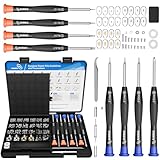
Alright, so you’ve lost the screw. What do you actually need to fix it? Forget about trying to use your regular toolbox. Those screwdrivers are like trying to paint a masterpiece with a shovel. You need precision. The absolute best thing you can get is an eyeglass repair kit. I know, I know, it sounds like something you’d find in a dollhouse, but trust me, they are indispensable. I’ve got one that’s been living in my junk drawer for years, and it’s saved me more times than I can count. It’s a small plastic case, usually with a few compartments, containing an assortment of tiny screws, a couple of small screwdrivers, and sometimes even tiny tweezers.
When you’re buying a kit, look for one that has a good variety of screw sizes. The screws can be different lengths and diameters. Most kits come with common sizes, but if you have particularly thick frames or a specific type of hinge, you might need to be a bit more discerning. I’ve found that a kit with at least 10-20 different screws is usually sufficient for home use.
The screwdrivers included are usually Phillips head and flathead, and they are tiny. Like, smaller than the head of a pin tiny. (See Also: How To Fix Eyeglasses Arm Without Screw )
You need these specialized ones because the screw heads are just as minuscule. Trying to force a regular screwdriver into one of these will strip the screw head faster than you can say ‘blind as a bat’.
Beyond a kit, what else might you need? Well, good lighting is a must. Trying to do this in dim light is like trying to thread a needle in a blackout. A bright desk lamp or even a headlamp is your best friend.
Some people swear by a magnifying glass or a magnifying jeweler’s loupe. I’m not always that fancy, but if you’re struggling to see, it’s worth the investment.
And patience. Lots and lots of patience. This isn’t a job for someone who gets easily frustrated.
I remember one time, a screw rolled off my desk and disappeared into the carpet. It took me twenty minutes of crawling around on my hands and knees with a flashlight to find it. So, yeah, patience is a tool in itself.
Here’s a quick rundown of what to look for in a repair kit:
| Item | Importance | My Verdict |
|---|---|---|
| Assorted Tiny Screws | High | Can’t fix it without these. Get a kit with lots of sizes. |
| Tiny Phillips/Flathead Screwdrivers | High | Key. Don’t try to use regular ones. |
| Magnifying Glass/Loupe | Medium (Optional) | Really helps if your eyesight isn’t what it used to be. |
| Tweezers | Low (Optional) | Handy for picking up dropped screws, but not strictly necessary. |
| Storage Case | Medium | Keeps everything organized, preventing future screw disappearances. |
The Actual Process: Step-by-Step to Eyeglass Nirvana
Okay, you’ve got your kit. You’ve got good light. You’ve taken a deep breath. Let’s get this done. First, you need to identify the broken hinge. Is it the part attached to the frame or the part attached to the temple arm that’s missing the screw? Usually, it’s the screw hole in the temple arm that’s left gaping. You’ll need to hold the frame and the temple arm together in the correct position. This is where a second pair of hands can be surprisingly helpful, but you can manage solo with a bit of careful positioning.
Take one of the tiny screws from your kit. Try to find one that looks about the right size and length. You don’t want a screw that’s too long, or it’ll poke out the other side and scratch your face. You also don’t want one that’s too short, or it won’t catch the threads on the other side. Gently try to thread the screw into the hole. You’ll be using one of those tiny screwdrivers from the kit. If it feels like you’re forcing it, stop. You might have the wrong screw, or you might be cross-threading it, which is a whole other mess.
The Numbered Fix:
- Gather Your Gear: Eyeglass repair kit, good light source, possibly a magnifying glass.
- Position the Hinge: Hold the frame and temple arm together so the hinge parts align perfectly.
- Select a Screw: Choose a screw from your kit that appears to be the correct size and length.
- Start Threading: Gently insert the screw into the hole and begin turning it with the appropriate tiny screwdriver.
- Tighten Carefully: Screw it in until it’s snug. Don’t overtighten; you can strip the threads or even crack the frame.
- Test the Hinge: Open and close the temple arm a few times to make sure it moves smoothly and feels secure.
If the screw goes in smoothly and the hinge feels solid, congratulations, you’ve done it! If the screw just spins and doesn’t catch, you might have a stripped hole. This is more common in plastic frames. In that case, you might need to try a slightly thicker screw if your kit has one, or consider a dab of eyeglass-specific glue (not superglue, which is too brittle and messy) on the threads before inserting. But honestly, sometimes a stripped hole means it’s time for a professional or new glasses. It’s rare, but it happens.
One common mistake people make is using too much force. These screws and frames are delicate. Think of it like performing surgery with a toothpick. You need a gentle, steady hand. Another mistake is not aligning the hinge properly. If you try to force a screw when the hinge parts aren’t perfectly lined up, you’ll end up cross-threading, and then you’ve got a bigger problem. Always make sure those hinge components are flush and perfectly aligned before you even think about inserting the screw. It’s the foundation of a successful repair.
When DIY Fails: Professional Help and Alternatives
So, you’ve tried the kit, you’ve followed the steps, and your glasses are still wobbly, or maybe you just don’t have the patience or the steady hands for this kind of fiddly work. What then? Don’t despair. Most optical shops, even the big chain ones, offer minor repairs like this for free or for a very small fee. I’ve walked into places with broken glasses, and they’ve fixed it in under five minutes while I waited. It’s always worth a shot before you buy new ones.
They have specialized tools, better lighting, and more importantly, experience. They can often identify the exact screw size needed and have a whole drawer full of them. Plus, they’re used to dealing with all sorts of frame materials and hinge types. If it’s a metal frame, they can usually handle it. If it’s a complex, integrated hinge on a plastic frame that’s really messed up, they’ll tell you if it’s repairable or not. They’re not trying to sell you new glasses if they don’t have to, because a happy customer who gets a quick fix might come back for a full prescription later.
If you’re looking at a situation where the hinge itself is physically broken, not just missing a screw, then DIY is likely out of the question. This is where you’ll definitely need a professional. They might be able to use specialized welding or bonding techniques, or they might just tell you it’s time for new frames. For minor issues, though, like a stripped screw hole in a plastic frame, some opticians might offer a solution involving a slightly larger screw or a specialized adhesive that’s designed for eyeglasses.
It’s always worth asking. I once had a pair of expensive plastic frames where the hinge screw hole became enlarged after a fall. (See Also: How Measure Metric Computer Screws )
The optician managed to fill the hole slightly and re-tap it, saving me a fortune.
Now, about those ‘universal’ eyeglass repair kits you see everywhere. Some are good, some are junk. My contrarian opinion?
Don’t buy the cheapest one you can find. I bought a pack of five for like $5 once, and every single screw was either too big or too small, and the screwdrivers felt like they were made of butter. It was a frustrating waste of time. Spend a few extra bucks on a kit from a reputable brand or one with good reviews.
It’s like buying cheap tools for a car repair – you’ll end up doing the job twice, and possibly damaging something else in the process. A slightly better kit will have more durable screwdrivers and better-machined screws that actually fit.
Common Mistakes and How to Sidestep Them
Let’s talk about the screw-ups I’ve seen – mostly mine, but I’ve witnessed others too. The biggest mistake, hands down, is using the wrong tools or materials. I’ve seen people try to jam a regular sewing needle into a screw hole, or worse, use superglue. Superglue is the devil’s work when it comes to eyeglass repair. It’s brittle, it dries white and fuzzy, and it makes a mess that’s nearly impossible to clean up without damaging the frame. If you get superglue on your lenses, they’re probably ruined. Stick to the tiny screws and screwdrivers designed for this purpose. They are cheap, effective, and won’t ruin your expensive frames or lenses.
Another classic blunder is not securing the hinge properly. After you put the screw in, you need to make sure it’s snug. But snug doesn’t mean Herculean strength. Overtightening can strip the threads in the frame or the screw itself. It can also put undue stress on the hinge mechanism, leading to cracks, especially in plastic frames. Think of it like tightening a lug nut on a car – you get it tight, but you don’t crank on it with a breaker bar. A gentle, firm tightening is all that’s needed. The temple arm should move smoothly, not be stiff or wobbly.
People also often forget to clean the hinge area before attempting a repair. Dust, oil, and old grime can get into the screw hole, making it harder to insert the screw and potentially weakening the connection.
A quick wipe with a soft cloth or a lens cleaning wipe will do wonders. It’s a small step, but it makes a difference. Imagine trying to screw something into a dirty hole – it’s just not going to work as well. This is also where some people might try to force a screw that’s not quite the right size.
If the hole is a bit gunked up, it might feel like the screw isn’t going in, so they push harder, and bam, stripped threads.
Here’s a table of common mistakes and their remedies:
| Mistake | Consequence | How to Avoid |
|---|---|---|
| Using superglue or regular glue | Brittle bond, messy residue, damaged lenses/frames | Use eyeglass-specific repair kits and tools. Never use household glues. |
| Overtightening the screw | Stripped threads, cracked frame, stiff hinge | Tighten until snug, not forced. Test hinge movement. |
| Not aligning the hinge properly | Cross-threading, difficult screw insertion, weak connection | Make sure hinge parts are perfectly flush and aligned before inserting screw. |
| Using the wrong size screw | Screw won’t catch, falls out easily, or is too long | Try various screws from a quality repair kit. Observe original screw size if possible. |
| Repairing in poor light | Dropped screws, misaligned parts, frustration | Work in a well-lit area. Use a desk lamp or headlamp. |
Real-World Scenarios: When It Matters Most
I remember the time I was on a hiking trip, deep in the mountains, and my glasses decided to shed a hinge screw. It was late afternoon, I had hours of hiking back to the car, and my vision was suddenly… fuzzy.
Not ideal when you’re navigating uneven terrain. Thankfully, I always keep a tiny eyeglass repair kit in my backpack’s first-aid section. It felt like a miracle.
Five minutes of fumbling with the tiny screwdriver and a replacement screw, and I was back in business. That experience hammered home for me how important it is to have a repair kit handy, not just at home but also when you’re out and about. Glasses are key for so many people, and a lost screw can be more than an inconvenience; it can be a genuine safety issue.
Another time, my daughter, in her infinite toddler wisdom, decided my glasses would make a great toy. She didn’t break them, thankfully, but she did manage to knock a hinge screw loose. Again, not ideal when you’re trying to wrangle a child and maintain some semblance of sight. The repair kit was out, the tiny screwdriver was deployed, and the crisis was averted. (See Also: How To Adjust Eyeglass Screw )
It’s moments like these where you truly appreciate the simplicity and effectiveness of being able to fix something so small yourself. It saves you a trip to the optician, saves you money, and saves you from that panic of ‘what am I going to do now?’.
This is why learning how to fix eyeglasses lost hinge screw is a practical skill.
The most common scenario is probably just a screw vibrating loose over time. You take your glasses off, put them in your pocket, take them out, put them on, and over months and years, that tiny screw just gradually loosens. It’s not dramatic; it’s insidious.
You might not even notice it until you pick up your glasses one morning and one side just dangles. People often think this means their glasses are toast. They might start looking at new frames online, or schedule an eye exam they don’t really need yet.
But usually, it’s just that one little screw. It’s the difference between a $20 repair (if you buy a kit) and a $200+ expense for new glasses.
That’s a significant difference, especially if you’re on a budget.
Sometimes, the screw might be missing from both sides. This happened to me with a pair of titanium-frame glasses. They were pricey, and I was devastated when both screws vanished within a week of each other. Again, the repair kit came to the rescue. It took a bit longer because I had to do the whole process twice, but the outcome was the same: functional glasses saved from the trash bin. The key takeaway is that most hinge issues, especially those involving lost screws, are entirely fixable with a little patience and the right tools. It’s a small victory, but a satisfying one nonetheless.
Can I Use Nail Polish to Fix My Glasses Screw?
No, you really shouldn’t. While nail polish might seem like a quick adhesive, it’s not designed for the small, precise threads of eyeglass screws. It’s likely to create a brittle bond that will fail quickly, or worse, it could gum up the threads and make a proper repair impossible. It’s also very difficult to remove if you need to actually fix it correctly later. Stick to proper eyeglass repair kits.
What If the Screw Hole in My Glasses Is Stripped?
A stripped screw hole means the threads inside are damaged and can’t grip a new screw. For metal frames, an optician might be able to re-tap the hole or use a slightly larger screw. For plastic frames, it’s trickier. Sometimes a slightly larger screw from your kit can work, or a tiny dab of eyeglass-specific epoxy on the threads can help. If it’s badly stripped, you might need professional repair or new frames.
How Tight Should an Eyeglass Hinge Screw Be?
It should be snug enough that the temple arm doesn’t wobble, but not so tight that it’s difficult to open and close. Overtightening can strip the threads, crack the frame, or make the hinge stiff. You want smooth, effortless movement. If you’re unsure, err on the side of slightly looser and test the hinge. You can always tighten it a little more.
Where Can I Buy Eyeglass Repair Kits?
You can find eyeglass repair kits at most drugstores, big-box retailers (like Walmart or Target), and online marketplaces (like Amazon). Look for kits that have a good variety of screw sizes and actual tiny screwdrivers, not just plastic ones that might strip easily. Reading reviews can help you find a decent quality kit.
How Do I Know What Size Screw I Need?
If you still have the original screw, try to match its length and diameter as closely as possible. If the screw is completely lost, you’ll have to experiment. Start with the smallest screws in your kit and try to thread them. If it doesn’t catch, try a slightly larger one. The goal is a screw that fits snugly into the hole without being too loose or too difficult to turn.
Conclusion
So there you have it. That tiny, seemingly insignificant screw is the linchpin of your eyewear. Losing it can be a major annoyance, but as we’ve seen, it’s often a fixable problem. Don’t let a little lost hardware send you rushing out to buy a whole new pair of glasses. A basic eyeglass repair kit, some good light, and a dose of patience are usually all you need to get your vision back in focus.
Remember to be gentle, use the right tools, and avoid the temptation of superglue. If you’re really struggling, or if the hinge itself is damaged, your local optician is always a good bet for a quick, professional fix. Learning how to fix eyeglasses lost hinge screw is a small skill that can save you a lot of time, money, and hassle in the long run.
Next time you feel that tell-tale wobble, don’t panic. Grab your repair kit, take a deep breath, and get those glasses back in working order. Your wallet (and your optometrist) will thank you.
![AXTH 25-in-1 Small Precision Screwdriver Set, Professional Magnetic Mini Repair Tool Kit for Phone, Computer, Watch, Laptop, Macbook, Ring Doorbell, Eyeglass, Electronic, [Bearing Steel] Screw Driver](https://m.media-amazon.com/images/I/518YlLmPTcL._SL160_.jpg)
