I’ve seen it a million times. You’re setting up for a party, or maybe just trying to power a few extra things in the garage, and suddenly you’re drowning in a sea of cords. Then you spot it – that clunky, plastic box with multiple outlets, a real lifesaver, right? But before you plug in that behemoth, a little voice in your head whispers, “Wait a minute, are box extension cords illegal?” It’s a question that pops up more often than you’d think, and the answer isn’t as simple as a yes or no.
We’ve all been tempted by them, those multi-tap wonders that promise to solve all our power problems. But the reality behind them is a bit murkier than the marketing suggests. Let’s cut through the confusion.
What Exactly is a Box Extension Cord and Why the Fuss?
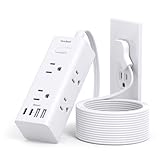
Okay, let’s get this straight. When people ask if box extension cords are illegal, they’re usually talking about those power strips, surge protectors, or multi-outlet adapters that aren’t just a single cord with a couple of outlets at the end. Think those chunky plastic things that let you plug in six, eight, or even ten devices at once. The term ‘box extension cord’ isn’t an official electrical term, but it paints a pretty clear picture of what we’re dealing with. They’re designed to expand your available outlets, plain and simple. Sounds great, right? It is, until you start pushing their limits or using them in ways they weren’t intended for.
The core issue isn’t usually the box itself, but what happens when you overload it, daisy-chain them (plugging one into another), or use them as a permanent wiring solution. This is where the ‘illegal’ question really starts to bite. In the eyes of electrical codes and safety regulations, permanent or improper use of these devices can be a major fire hazard. It’s not about the box being inherently evil; it’s about how it’s treated.
I remember a buddy who was trying to power his entire home entertainment setup with one of these things, plus a few other odds and ends. He figured more outlets meant more power, right? Wrong. The thing got so hot you could barely touch it, and the smell of melting plastic was my first clue something was seriously wrong.
Luckily, he caught it before it turned into a bigger disaster, but it was a harsh lesson.
The common advice you hear everywhere is to avoid them for permanent installations and to never overload them. While that’s good advice, it doesn’t really tell you why or how things go wrong. The reality is, most of these devices are designed for temporary use.
Think of them as a convenience, not a substitute for proper wiring. If you need more outlets, the real solution is to have an electrician install more circuits. But we all know that’s not always feasible or affordable on the spot. So, what’s the middle ground?
Understanding the limitations and the risks is key. The ‘box’ part of the extension cord is where the complexity lies, housing not just the outlets but often surge protection components and internal wiring that can fail if pushed too hard.
The Truth About Overloading and Daisy-Chaining
This is where you hear the loudest alarm bells, and for good reason. Overloading a power strip or ‘box extension cord’ is one of the fastest ways to turn a convenience into a fire hazard. These devices have a specific amperage rating – how much electrical current they can safely handle. If you plug in too many things, especially high-draw appliances like space heaters, hair dryers, or power tools, you exceed that rating. It’s like trying to force a gallon of water through a straw; something’s gotta give, and usually, it’s the wiring inside the strip.
When the wiring gets overloaded, it heats up. This isn’t a gentle warming; it’s a dangerous rise in temperature. That heat can melt the plastic casing, damage the internal components, and, in the worst-case scenario, ignite nearby flammable materials. I learned this the hard way in my workshop a few years back.
I had a sander, a shop vac, and a portable band saw all plugged into one of those heavy-duty, six-outlet strips. It was a temporary setup while I was renovating. I remember the strip feeling a bit warm, but I chalked it up to the load.
Then I started smelling that acrid, burning plastic. I yanked the plug, and the entire strip was warped, gooey, and smoking. (See Also: Can Extension Cords Short Out )
Had I been away from it for another 10 minutes, my entire workshop might have gone up. It was a stark reminder that these things aren’t indestructible.
Daisy-chaining, or plugging one power strip into another, is basically doubling down on the danger. Each connection point adds resistance and heat. It creates a cascade of potential failures.
If the first strip is overloaded, it heats up. If it’s plugged into another strip, that second strip is now carrying the load of the first plus whatever is plugged directly into it. It’s an electrical domino effect that’s begging for trouble. The common advice is never to do it, and I wholeheartedly agree.
It’s a shortcut that can lead to a very long, expensive, and dangerous detour. The ‘box’ design, while convenient for multiple plugs, makes it all too easy to try and cram more power through it than it was ever designed to handle.
Are They Actually Illegal? Codes, Standards, and Real-World Use
So, are box extension cords illegal? The short answer is: not inherently, but their misuse often violates electrical codes and safety standards. In the United States, the National Electrical Code (NEC) is the primary standard. The NEC doesn’t outright ban power strips, but it does have strict rules about their installation and use. For instance, they are generally not permitted to be used as a substitute for permanent wiring. This means you can’t run them through walls, ceilings, or floors, and they shouldn’t be used as a permanent extension of the building’s wiring system.
Here’s where it gets tricky: many people do use them as permanent solutions because it’s cheaper and easier than calling an electrician. When an inspector finds a power strip used in a way that violates the NEC – like being permanently affixed or concealed – it’s a code violation. This doesn’t mean the strip itself is illegal to own, but its installation and use in that context are. UL (Underwriters Laboratories) certification is a key thing to look for. A UL listing means the product has been tested and meets specific safety requirements. However, even a UL-listed device can become unsafe if overloaded or misused. The certification is about the product’s design and manufacturing, not your usage habits.
I remember a neighbor who had a whole bunch of these ‘box extension cords’ running behind his entertainment center, all plugged into each other to power his TV, sound system, gaming consoles, and mood lighting. It looked like a spaghetti monster of wires.
When he went to sell his house, the inspector flagged it immediately. He had to rip it all out and have an electrician install proper outlets.
The inspector explained that while the power strips themselves were UL-listed and fine for temporary use, their permanent, tangled, and daisy-chained setup was a major fire risk and a direct violation of safety codes. It’s this kind of scenario that fuels the idea that they’re ‘illegal’. They aren’t inherently banned, but the way many people use them certainly puts them in a gray area with serious consequences.
| Device Type | Typical Use Case | Potential Hazards | Verdict |
|---|---|---|---|
| Basic Power Strip (no surge protection) | Temporary power for low-draw electronics (lamps, phone chargers) | Overloading, overheating, potential fire risk if cheap quality | Use with caution, avoid for high-draw items. Best for light-duty. |
| Surge Protector Power Strip | Protecting electronics from power spikes, temporary power | Overloading can damage surge protection, still prone to overheating if overloaded | Good for sensitive electronics, but still needs to be used within its amp rating. |
| Heavy-Duty Industrial Power Strip | Temporary power for tools and equipment (workshops, job sites) | Still subject to overloading, though built tougher. Can give false sense of security. | Better for demanding tasks, but NEVER a substitute for proper circuit installation. |
| Multi-Outlet Adapter (Wall Tap) | Adding a few extra outlets to a single wall socket | Can easily overload the wall outlet or the adapter itself. Often poorly made. | Avoid for anything more than very low-draw devices. High risk of overload. |
What to Look for: Safety Features and Quality Matters
If you’re going to use a ‘box extension cord’ – and let’s be clear, I’m talking about power strips and surge protectors here, not those industrial heavy-duty ones meant for construction sites – you need to be picky. The first and most important thing is to look for a certification mark from a recognized testing laboratory. In North America, UL (Underwriters Laboratories) is the big one. Other recognized labs include ETL (Intertek) and CSA (Canadian Standards Association). A UL listing means the product has been tested to meet established safety standards. Without this mark, you’re basically buying a cheap piece of plastic with wires, and that’s a gamble I’m not willing to take.
Beyond the certification, check the specifications. Look for the amperage rating. Most standard household outlets are on circuits rated for 15 or 20 amps. A typical power strip will have a rating that should be matched to the circuit it’s plugged into. A common mistake is assuming a power strip can handle whatever you throw at it just because it has multiple outlets. Pay attention to the wattage rating too, as amps times volts equals watts. A 15-amp strip on a 120-volt circuit can handle about 1800 watts. If you plug in a space heater that draws 1500 watts and then a laptop, you’re getting close to the limit very fast.
Surge protection is another feature, but don’t confuse it with overload protection. A surge protector is designed to absorb voltage spikes that can damage sensitive electronics. It does not prevent the strip from overheating if you plug in too many high-draw devices. (See Also: Can Extension Cords Be Use With Electric Heaters )
Some higher-end surge protectors have an overload protection mechanism, often a circuit breaker switch. If the strip is overloaded, this breaker will trip, cutting off power.
It’s a good safety feature to look for, as it’s a clear signal that something is wrong and needs to be addressed. When I’m buying one, I always look for that little breaker switch.
It’s an indicator that the manufacturer put a little more thought into safety. I also look at the physical construction – does the cord feel sturdy? Are the outlets tight? Cheaply made ones can have loose connections that create heat and fire hazards over time.
Common Mistakes That Lead to Trouble
The biggest mistake people make is treating power strips like permanent wiring. They get tucked behind furniture, stapled to baseboards, or run under rugs. This is not only a fire hazard due to potential overheating and damage to the cord, but it’s also a tripping hazard and an invitation for pests to chew on them. Electrical codes are very clear: extension cords are for temporary use, not for permanent installations. If you find yourself relying on a power strip to provide enough outlets for a room, it’s a flashing red light that you need more permanent electrical solutions.
Another common blunder is the “more is better” mentality when it comes to plugging things in. You’ve got eight outlets, so why not fill them all? This is especially true with devices that have small power adapters – the little black bricks. They seem harmless, but when you cram a dozen of them into one strip, especially if some are for things like phone chargers, tablets, and laptops, you might be drawing more current than the strip is rated for, or at least getting close enough to make it run warmer than it should. It’s always a good idea to leave some breathing room. Don’t max out every single outlet.
I’ve also seen people ignore the condition of their power strips. A cord that’s frayed, a plastic housing that’s cracked, or outlets that are loose are all signs that the strip should be retired. Don’t try to fix it; just toss it and get a new one.
It’s not worth the risk. Think of it like a frayed rope – it’s lost its integrity and is prone to snapping.
The same applies to electrical cords. My own experience with that smoking power strip in my workshop was a direct result of ignoring the subtle signs that it was getting too hot.
I figured it was just working hard. Now I know better.
If a power strip feels unusually warm to the touch during normal use, that’s a clear warning sign to unplug it immediately and reassess what’s plugged into it.
When Is Daisy-Chaining Extension Cords Okay?
Daisy-chaining power strips is almost never recommended for safety reasons. Each connection point adds resistance and potential for heat buildup. If you need more outlets, the safest approach is to use a single power strip with sufficient outlets or have an electrician install additional wall outlets. While some heavy-duty industrial setups might have specific configurations designed to handle multiple connections safely, for general household or workshop use, it’s a practice best avoided entirely.
Can I Use a Power Strip Permanently Behind My TV?
No, using a power strip permanently behind your TV is generally considered a code violation and a safety risk. Power strips are intended for temporary use. Running cords permanently behind furniture can lead to overheating, damage from heat buildup, kinks that strain the cord, and they can become a fire hazard if they malfunction. It’s always best to have a qualified electrician install additional outlets if you need more power connections in a specific area. (See Also: Are Outdoor Extension Cords 10 Or 12 Gauge )
What Happens If I Overload a Power Strip?
Overloading a power strip can cause the internal wiring to overheat, potentially melting the plastic casing and creating a fire hazard. It can also damage the connected electronics or the power strip itself. In many cases, the power strip may have a built-in circuit breaker that will trip, cutting off power to prevent damage. However, relying on this as your primary safety measure is not advisable; it’s better to avoid overloading in the first place.
Practical Tips for Safer Use
Alright, so we’ve established that ‘box extension cords’ (power strips and surge protectors) aren’t inherently illegal, but they come with strings attached – literally and figuratively. To use them safely and effectively, here are a few things I’ve learned over the years that actually make a difference. First off, know your loads. Don’t plug high-draw appliances like microwaves, toasters, hair dryers, or space heaters into standard power strips.
These are designed for dedicated circuits for a reason. Use power strips for things like lamps, phone chargers, laptops, small electronics, and maybe a computer.
If you absolutely must use a power strip for something with a bit more juice, make sure it’s a heavy-duty model, clearly rated for that purpose, and that it’s the only thing plugged into that circuit.
Second, always plug the power strip directly into the wall outlet. Never plug one power strip into another, and avoid using adapters that allow you to plug multiple power strips into a single wall receptacle. It’s just asking for trouble. Think of each connection as a potential weak link. Keep it simple: wall outlet to power strip to device. My workshop incident taught me that lesson loud and clear. I now have dedicated outlets for my bigger tools, and my power strips are strictly for my benchtop equipment and lighting.
Third, position your power strips carefully. Keep them away from anything flammable, like curtains, bedding, or piles of paper. Don’t run cords under rugs or carpets, as this can hide damage and trap heat. Make sure there’s some airflow around the strip; don’t bury it in a tight space with no ventilation.
This is especially important for surge protectors that might have vents. I make sure the power strip for my entertainment center has a bit of space around it, so it doesn’t get suffocated. It’s a small detail, but it adds up to a safer setup.
Finally, inspect your power strips regularly. If you see any signs of damage – cracks, fraying, melted plastic, or loose outlets – replace it immediately.
Cheap power strips are tempting, but they’re often the ones that fail and create hazards. Investing a few extra bucks in a reputable brand with safety certifications is always the smarter move.
How Many Devices Can I Plug Into One Power Strip?
There isn’t a fixed number of devices you can plug into one power strip because it depends on the power draw of each device and the power strip’s rating. The key is to not exceed the total wattage or amperage rating of the power strip. Always check the manufacturer’s specifications for the power strip and the power requirements of your devices. It’s generally safer to plug in fewer, lower-draw devices and avoid filling every outlet, especially with high-draw appliances.
Is It Safe to Use an Extension Cord as a Permanent Solution?
No, it is not safe to use an extension cord as a permanent electrical solution. Extension cords are designed for temporary use. Permanent wiring requires specific installation methods and materials that protect against damage, overheating, and fire hazards. Using extension cords permanently can violate electrical codes and significantly increase the risk of fire.
Final Thoughts
So, to circle back to the burning question: are box extension cords illegal? No, they aren’t illegal to buy or own. But using them improperly – as permanent wiring, daisy-chained, or overloaded – can certainly lead to code violations and dangerous situations. The key takeaway is that these devices are tools for convenience, not replacements for proper electrical infrastructure. Think of them as temporary bridges, not permanent highways for electricity.
My advice? Treat them with respect. Buy quality, certified products, understand their limitations, and always err on the side of caution. If you find yourself relying heavily on power strips, it’s a sign you should probably call an electrician to add more permanent outlets. It’s a bit of an upfront cost, but it’s far cheaper than dealing with the aftermath of an electrical fire. Don’t be that person who learns the hard way.