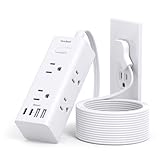
I remember a time, not that long ago, when I was stuck in a hospital bed, feeling like a human-shaped plug needing to be charged. My phone was at 3%, my tablet was dead, and the little bedside outlet? It was already occupied by the IV pump and some other beeping contraption. I desperately needed to check on my dog sitter, but my charger cable barely reached. That got me thinking: are extension cords allowed in hospitals? It seems like such a simple thing, right? A lifeline for our increasingly connected lives, but when it comes to healthcare settings, the answer isn’t as straightforward as you might think.
It’s not just about convenience, either. Think about medical devices, charging vital equipment, or even just keeping a loved one entertained. The need for accessible power is real. But hospitals are complex environments with strict safety protocols for a reason.
So, let’s cut through the noise and get to the bottom of whether you can bring your own extension cord into a hospital.
Why Bringing Your Own Extension Cord to the Hospital Is Usually a Bad Idea
Look, I get it. You’re in the hospital. Maybe you’re there for a week, maybe longer. Your phone is your connection to the outside world, your tablet is your entertainment, and your laptop might be how you’re trying to get some work done.
Suddenly, the single, often inconveniently placed, outlet near your bed feels like a cruel joke. You reach for that trusty extension cord from your travel bag, the one that saved you at countless hotels, and you start to wonder if it’s going to be your savior here too. The short answer, nine times out of ten, is no.
You probably can’t just plug in your own extension cord in a hospital, and here’s the blunt truth: trying to do so can land you in a heap of trouble, and not just with the nursing staff.
Hospitals are incredibly complex environments, especially when it comes to electrical safety. They aren’t just buildings; they are places where people’s lives depend on a steady, reliable, and, most importantly, safe flow of electricity. Think about all the life-sustaining equipment: ventilators, heart monitors, infusion pumps, dialysis machines. These aren’t your average home appliances. They have to meet incredibly stringent safety standards, and so does the power infrastructure that supports them. When you introduce an unvetted extension cord, you’re introducing an unknown variable into a highly controlled system. That’s a recipe for disaster, plain and simple.
The primary concern is fire safety. Standard extension cords, especially the cheap ones you might grab at a discount store, are not designed for the high-demand, constant-use environment of a hospital.
They can overheat, fray, or have faulty wiring. In a place filled with oxygen and sensitive electronic equipment, a spark from a bad cord can have catastrophic consequences.
I once saw a situation where a patient’s family brought in a powerful humidifier and plugged it into a multi-outlet strip that was daisy-chained off a regular extension cord. Within an hour, the cord was warm to the touch, and the nurses had to scramble to unplug it before it became a serious hazard.
That was a wake-up call for me about how easily things can go wrong when you bypass the established rules.
Then there’s the issue of electrical interference. Medical devices are sensitive. A poorly shielded or low-quality extension cord can act like an antenna, picking up and broadcasting electromagnetic interference. This interference can disrupt the functioning of important medical equipment, leading to false readings or even device failure. Imagine a heart monitor suddenly giving inaccurate readings because of a cheap extension cord plugged in nearby. It’s a terrifying thought, and it’s why hospitals have strict rules about what can and cannot be connected to their electrical systems.
Finally, there’s the liability aspect. If something goes wrong – a fire, a device malfunction, an injury – and it’s traced back to an unauthorized electrical device, the hospital faces serious legal and financial repercussions. They are obligated to maintain a safe environment for patients and staff, and that includes controlling the electrical infrastructure. Allowing every visitor to plug in their own assortment of chargers and power strips would be an impossible safety and logistical nightmare. So, while your heart rate might be fine, your phone’s battery certainly won’t be if you’re relying on that one bedside outlet.
Hospital-Approved Power Solutions: What Actually Works
Okay, so you can’t just bring your own extension cord. What are you supposed to do when you need more power than that single, lonely outlet can provide? This is where the hospital’s own approved solutions come into play. They aren’t trying to make your life difficult; they’re trying to keep everyone safe. Hospitals are required to have solid electrical systems, and they often have built-in ways to manage power needs, especially for medical equipment. For patients and visitors, it’s about understanding what’s available and following the proper channels.
First off, let’s talk about the outlets themselves. Hospital-grade outlets are different from your standard home outlets. They are designed for heavy use and often have specific grounding and wiring configurations to minimize electrical hazards and interference. When you’re in a hospital room, you’ll notice these outlets. They’re usually a different color (often red or orange) and might be clearly labeled. These are the only outlets that are meant to be used for medical equipment, but they also indicate the solid nature of the hospital’s electrical grid. (See Also: Can Extension Cords Short Out )
If you find yourself in a situation where you genuinely need more power – perhaps to charge multiple key devices or for a specific, authorized visitor need – the first person to talk to is a nurse. They are your best resource.
They understand the hospital’s policies and can often help your request through the proper channels. They might have access to hospital-approved power strips or surge protectors that have been vetted for safety and compliance. These aren’t the cheap ones you’d buy at the corner store; they are industrial-grade and meet specific safety certifications.
I’ve seen nurses provide these when a patient’s family had a legitimate need, like charging a CPAP machine for a visitor or a necessary personal medical device. It’s all about making a request through the proper channels.
Some hospitals also have designated charging stations for visitors or even for patient personal devices. These are typically located in common areas like lobbies or waiting rooms, but some larger facilities might have them integrated into patient wings. These stations are designed to be safe and are regularly maintained. It’s not as convenient as having a plug right by your bedside, but it’s a safe alternative when you need to juice up your phone or tablet.
For medical equipment, the situation is even more controlled. Any device that is brought into the hospital and connected to the power supply, whether it’s a patient’s personal CPAP machine or a piece of diagnostic equipment, has to go through an evaluation by the hospital’s biomedical engineering department. This department makes sure that the equipment is safe, properly maintained, and won’t interfere with other systems. They will often affix a sticker to the device indicating it has passed inspection. This process is thorough and is a key reason why you can’t just plug in any old appliance.
Here’s a table outlining some common power scenarios and what you can expect:
| Scenario | Likely Outcome | Verdict |
|---|---|---|
| Bringing your own standard extension cord to plug in personal electronics. | Will be asked to remove it. May be confiscated. | Absolutely Not. Huge safety risk. |
| Needing to charge multiple personal devices (phone, tablet). | Ask the nurse. Hospital-approved power strip might be provided. Alternatively, use designated charging stations. | Ask First. Follow hospital protocols. |
| Bringing a personal medical device (e.g., CPAP, TENS unit). | Must be inspected and approved by Biomedical Engineering. | Approved by Biomed. Key for patient safety. |
| Hospital-provided power strip for patient use. | Usually available upon request through nursing staff, subject to availability and need. | Hospital Issued Only. Safe and regulated. |
My own experience with this was when my mother was in for a longer stay. Her bedside lamp was too far away, and the nurses found her a hospital-approved surge protector that had multiple outlets and was specifically designed for patient room use. It wasn’t fancy, but it did the job safely, and I didn’t have to worry about any hidden dangers.
When you’re facing a stay in the hospital, either as a patient or a visitor, questions about power are bound to come up. It’s not just about comfort; it’s about staying connected and making sure that necessary devices are powered. The common queries often revolve around the very thing we’ve been discussing: extension cords and power strips. Let’s tackle some of the most frequent questions to clear the air.
One of the most common questions is straightforward: ‘Can I bring my own extension cord into a hospital?’ As we’ve covered extensively, the answer is almost universally no. Hospitals have very strict policies against unapproved electrical equipment due to fire hazards, potential for electrical interference with medical devices, and liability concerns. They require all electrical accessories to meet specific safety standards, and personal extension cords rarely do. It’s not about being difficult; it’s about maintaining a safe environment where life-saving equipment functions flawlessly and fires are prevented.
Another frequent query is: ‘Are power strips allowed in hospitals?’ This is a bit more nuanced. While you generally cannot bring your own personal power strip, hospitals often have hospital-approved power strips that they can provide if there’s a legitimate need. These strips have undergone rigorous safety testing and meet the necessary certifications for use in a healthcare setting. If you find yourself needing more outlets, your best course of action is to speak with the nursing staff. They can assess your situation and, if appropriate, provide you with a hospital-issued power strip. Do not assume you can bring one from home – it will likely be confiscated.
People also ask, ‘What electrical items are prohibited in hospitals?’ Beyond extension cords and personal power strips, many hospitals prohibit items that pose a fire risk or can interfere with medical equipment. This can include items like space heaters (which are a significant fire hazard), electric blankets (unless medically prescribed and approved), and sometimes even certain types of charging devices if they are not UL-listed or CSA-certified. Candles and anything that produces an open flame are strictly forbidden, of course. The core principle is safety and the prevention of electromagnetic interference. Always check with the hospital’s visitor policy or the nursing staff if you are unsure about bringing a specific electrical item.
Finally, there’s the question: ‘How do hospitals manage power for medical equipment?’ Hospitals have redundant, high-capacity electrical systems designed specifically to power important medical devices. These systems often include backup generators and uninterruptible power supplies (UPS) to make sure continuous power in case of an outage. Medical-grade electrical equipment is designed to be safe and reliable within this specialized infrastructure. Devices are regularly inspected and maintained by biomedical engineering departments to make sure they function correctly and do not pose a risk. This sophisticated system is why maintaining the integrity of the hospital’s electrical network is most important.
Understanding these FAQs can save you a lot of hassle and make sure you’re not inadvertently breaking rules that are in place for everyone’s safety.
What If I Need to Charge a Life-Support Device for a Visitor?
If a visitor needs to charge a medical device that is important for their health or the health of someone they are caring for, they should speak directly with the nursing staff. The hospital will have protocols in place to accommodate such needs safely. They may provide a hospital-approved power strip or make sure there is an accessible, safe outlet for the device. It’s important to make this request through official channels to make sure compliance and safety. (See Also: Can Extension Cords Be Use With Electric Heaters )
Can Patients Use Their Own Laptops or Tablets?
Generally, yes, patients are allowed to use their own personal laptops and tablets for entertainment or communication. However, they must use the provided hospital outlets and may need to use a hospital-approved surge protector if they require multiple connections. It’s always a good idea to confirm with the nursing staff about any specific restrictions or recommendations regarding personal electronic devices.
Are There Any Exceptions to the No-Extension-Cord Rule?
While the rule is very strict, exceptions are exceedingly rare and would typically only be made for medically necessary equipment that has been thoroughly vetted and approved by the hospital’s biomedical engineering department. For typical patient or visitor needs, personal extension cords and power strips are not permitted. The hospital’s own equipment is the standard.
The Common Mistakes People Make (and How to Avoid Them)
When you’re in a stressful situation like a hospital stay, it’s easy to overlook rules or make assumptions. I’ve seen it happen countless times, and honestly, I’ve been guilty of it myself. People bring things they think are harmless, only to find out they’re a violation of hospital policy. When it comes to electrical items, especially extension cords and power strips, the mistakes are usually rooted in a misunderstanding of the risks involved. Let’s break down the common blunders and how you can steer clear of them.
The most frequent mistake, by a mile, is assuming that because something works at home, it’s fine to use in a hospital. People think, “It’s just a phone charger,” or “It’s a small fan.” They don’t consider the unique electrical environment of a hospital. This leads directly to trying to sneak in an unapproved extension cord or a power strip. I once saw a patient’s relative try to hide a multi-plug adapter inside a teddy bear. The nurse found it during a room check, and it had to be removed. The intention wasn’t malicious, just misinformed. They thought they were being helpful by providing more charging options.
Another common error is believing that if an item is “UL-listed” (meaning it’s been tested and meets safety standards), it’s automatically acceptable. While UL listing is a good indicator of quality for home use, hospitals have their own specific standards for electrical equipment, especially when it comes to medical device compatibility and fire safety in a high-risk environment. A UL-listed extension cord might still be deemed unsafe or unsuitable by the hospital’s safety committee because it doesn’t meet their specific requirements for insulation, cord gauge, or surge suppression within their important infrastructure. The hospital’s approval process is typically more rigorous than a simple consumer safety certification.
Underestimating the consequences is also a big mistake. People might think, “What’s the worst that can happen? They’ll just tell me to unplug it.” But it’s more serious than that. As we’ve discussed, a faulty electrical item can lead to a fire, damage sensitive medical equipment, or even cause injury. If such an incident occurs, the hospital has to investigate, and if your unapproved device is found to be the cause, you could be held liable. Beyond that, non-compliance can lead to you being asked to leave the hospital or facing other disciplinary actions, which is the last thing you want when you or a loved one is ill.
Here’s a quick rundown of how to avoid these pitfalls:
- Always Ask First: Before bringing any electrical item – beyond the basic charger that comes with your phone or laptop – into the hospital, ask the nursing staff or check the hospital’s official visitor policy.
- Read the Fine Print: Familiarize yourself with the hospital’s policies on personal items, especially electronics. These are usually available online or at the hospital entrance.
- Rely on Hospital-Provided Solutions: If you need more power, ask for hospital-approved options. They are there for a reason.
- Don’t Hide Things: Trying to conceal prohibited items is a surefire way to get into trouble. Honesty and transparency are key.
- Prioritize Safety Over Convenience: Understand that hospital policies are not arbitrary; they are designed to protect patients, staff, and the facility.
I learned this the hard way when I tried to bring a small personal fan for my grandmother. It wasn’t a space heater, just a little desk fan. The nurse gently explained that even small fans had to be approved because they still drew power and could potentially interfere with sensitive equipment or pose a minor fire risk if the motor failed. They ended up providing her with a ceiling fan, which was a much safer solution. It was a good reminder that my definition of “safe” and the hospital’s definition could be very different.
The Real-World Impact: Why These Rules Matter
It’s easy to dismiss hospital electrical rules as bureaucratic nonsense, especially when you’re just trying to keep your phone charged so you can text your worried family. But the reality is that these regulations, particularly around issues like whether are extension cords allowed in hospitals, have a tangible and profound impact on patient safety, the functionality of medical equipment, and the overall operational integrity of the facility. These aren’t just abstract guidelines; they’re safeguards designed to prevent serious harm.
The most important impact is on patient safety. Hospitals are filled with devices that are directly connected to a patient’s body or are responsible for their life functions.
Think about ventilators, pacemakers, anesthesia machines, and infusion pumps delivering life-saving medication. Any electrical malfunction, fire, or interference caused by an unapproved device could have immediate and devastating consequences for the patient. For instance, a faulty extension cord could overheat and start a fire in a room where oxygen is being administered, creating an incredibly dangerous situation.
Or, as mentioned before, electromagnetic interference from a poorly shielded cord could cause a vital monitoring device to display incorrect readings, leading to delayed or incorrect treatment. This is why the hospital’s own electrical infrastructure and approved accessories are so heavily scrutinized.
Secondly, the functionality of complex medical equipment is at stake. Modern hospitals are hubs of sophisticated technology. These machines are designed to operate within a very specific electromagnetic spectrum. Introducing unvetted electrical devices, like personal extension cords or power strips, can disrupt this delicate balance. This interference can cause equipment to malfunction, provide inaccurate data, or even shut down completely. Imagine the chaos if a network of vital signs monitors suddenly went offline because a visitor plugged in an old, cheap power strip. The biomedical engineering departments spend considerable resources making sure that the hospital’s electrical environment is clean and stable for the equipment that relies on it. Allowing unauthorized items compromises all of that.
Furthermore, these rules are important for managing operational risks and liabilities. Hospitals are businesses, and like any business, they have to manage their risks. Fires, electrical accidents, or equipment failures can lead to significant financial losses, lawsuits, and reputational damage. By strictly controlling what can be plugged into their electrical system, hospitals can better manage these risks. They make sure that all electrical devices used within their walls meet stringent safety and performance standards. This not only protects them legally but also contributes to a more reliable and efficient operational environment. It’s a proactive approach to preventing problems before they occur. (See Also: Are Outdoor Extension Cords 10 Or 12 Gauge )
I recall a situation where a hospital was undergoing renovations, and temporary power was being run to a wing. The electricians were using heavy-duty, hospital-grade cables. Even then, they had strict protocols for how these were laid out, taped down, and protected to prevent trip hazards and make sure they didn’t interfere with any existing equipment. This level of meticulousness, even for temporary solutions, highlights how seriously power management is taken. It’s not just about plugging something in; it’s about integrating it safely into a important system.
The core takeaway is that the rules about electrical devices in hospitals are not arbitrary. They are born from years of experience, stringent safety standards, and a deep understanding of the risks involved in a healthcare setting. When you adhere to these rules, you’re not just following policy; you’re contributing to the safety and well-being of everyone within the hospital.
A Few Practical Tips for Managing Your Electronics
Navigating a hospital stay can be overwhelming, and worrying about dead electronics is just another stressor you don’t need. While you can’t bring your own extension cord, there are definitely smart ways to manage your charging needs and keep your key devices powered up without breaking any rules. It’s all about being prepared and thinking ahead.
First off, and this is a big one: invest in a long charging cable for your phone and other key devices. Seriously. I’m talking about cables that are 6 to 10 feet long. This is probably the single most practical thing you can do. It’s a small investment that can make a massive difference in your ability to stay connected.
Instead of being tethered to the one outlet, you gain flexibility to use your device from your bed, a chair, or even while you’re standing a bit further away. I remember buying a 10-foot USB-C cable for my tablet when my dad was in the hospital, and it was a lifesaver. I could keep it on the bedside table and still use it comfortably while lying down.
Secondly, maximize your charging opportunities. When you’re allowed to leave your room for a bit – maybe for a brief walk, a therapy session, or to visit a common area – bring your devices and chargers with you. Look for available outlets in waiting rooms, cafeterias, or family lounges. Even a short charge can give you enough juice to last. Also, if you’re visiting someone, coordinate charging. If you have a device that’s nearly full, and the person you’re visiting needs a charge, see if you can swap out devices or let them use yours for a bit. Sharing is caring, especially when outlets are scarce.
Third, consider a portable power bank. A good quality power bank can be a big deal. Make sure it’s fully charged before you even get to the hospital. A medium-sized power bank can typically charge a smartphone several times over. This gives you a significant buffer and frees you from having to constantly search for an outlet. Just make sure it’s not one of those ridiculously large ones that might raise eyebrows – a standard, reputable brand power bank is usually fine. I always keep a fully charged Anker power bank in my bag; it’s saved me more times than I can count, not just in hospitals but at airports, on long train rides, and during power outages at home.
Fourth, be mindful of battery usage. This might sound obvious, but in a situation where charging is limited, conserving battery is key. Turn down screen brightness, close unnecessary apps, disable background app refresh, and turn off Wi-Fi and Bluetooth if you’re not actively using them. These small adjustments can significantly extend your device’s battery life. If you’re reading a book, consider using an e-reader that has e-ink, which uses significantly less power than a tablet or phone screen.
Finally, talk to the staff. If you have a genuine need for more power or are struggling to keep key devices charged, don’t hesitate to speak with a nurse or a patient advocate. While they can’t let you plug in your own extension cord, they might be able to offer solutions, like directing you to a designated charging station, or in rare cases, providing a hospital-approved power strip if it meets their criteria for your specific situation. Open communication is always better than trying to bend the rules.
Are Extension Cords Allowed in Hospitals?
No, personal extension cords are generally not allowed in hospitals due to significant safety concerns, including fire hazards and potential interference with medical equipment. Hospitals have strict policies against unapproved electrical devices to maintain a safe environment.
Can I Bring My Own Power Strip to the Hospital?
While you usually cannot bring your own personal power strip, hospitals may provide hospital-approved power strips if there is a legitimate need. You must request one through the nursing staff and make sure it meets their safety standards.
What Electrical Items Are Prohibited in Hospitals?
Prohibited items often include personal extension cords, unapproved power strips, space heaters, electric blankets (unless prescribed), and any device that could pose a fire risk or interfere with medical equipment. Always check with the hospital.
How Can I Charge My Devices in the Hospital?
Use the provided hospital outlets. Invest in long charging cables (6-10 feet), use portable power banks, conserve battery life, and ask the nursing staff about designated charging stations or hospital-approved power strips if needed.
Final Verdict
So, to circle back to our initial question: are extension cords allowed in hospitals? The resounding, no-nonsense answer is no, you can’t just bring your own. The risks associated with fire, electrical interference, and liability are simply too high for hospitals to allow unvetted electrical accessories.
Instead of focusing on what you can’t bring, focus on the smart workarounds. Invest in those long charging cables, keep a trusty power bank charged, and practice good battery conservation. These simple steps will keep you connected without compromising the safety protocols that are so vital in a healthcare setting.
Ultimately, when it comes to electrical devices in hospitals, always err on the side of caution and follow the guidelines. Your best bet is to communicate with the nursing staff about any power needs you have. They are the gatekeepers of what’s safe and approved within those walls.