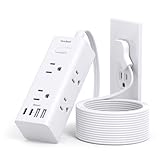
I remember the first time I saw smoke curling out from behind the entertainment center. It wasn’t a dramatic Hollywood fire, just a wispy tendril, but it was enough to make my stomach clench. The culprit? An overloaded, cheap extension cord that had been silently cooking itself for who knows how long. It made me realize that the humble extension cord, something we all use without a second thought, can absolutely be a fire hazard if you’re not careful. I’ve wasted enough money on flimsy cords that melted or sparked to know the real deal. Let’s cut through the marketing fluff and talk plainly about what makes these things dangerous.
The question ‘are extension cords a fire hazard’ isn’t a theoretical one for people like me who live and breathe home improvement and electrical safety. It’s a practical, potentially life-altering concern. We rely on them for everything from holiday lights to powering key tools, but their convenience can mask serious risks.
Why Your Cheap Extension Cord Is a Ticking Time Bomb
Look, let’s be brutally honest: most of the extension cords you see crammed into those giant bins at the big box stores are garbage. They’re made to look good, maybe have a fancy coiled design or a few outlets, but the materials inside are often sub-par. We’re talking thin copper wiring that can’t handle the amperage it claims, cheap plastic insulation that degrades over time, and shoddy connections. I learned this the hard way trying to power a small workshop out of my garage.
I bought a pack of what looked like decent cords, thinking I was saving a buck. Within six months, one started to smell like burnt plastic, and another simply refused to carry power to my modest table saw without getting alarmingly warm.
That’s when I decided enough was enough. The wire gauge, often indicated by an AWG (American Wire Gauge) number, is most important. Lower numbers mean thicker wire, which can handle more current without overheating. A common mistake is grabbing a cord that looks ‘good enough’ without checking the gauge.
If it’s super light and flexible, and the price is suspiciously low, chances are it’s not built for anything more than a lamp or a small fan. Trying to run a power tool, a heater, or even multiple devices off a cord that’s too thin is asking for trouble.
The resistance in the thin wire generates heat, and if that heat builds up enough, it can melt the insulation, leading to short circuits and, yes, fires.
I’ve seen cords advertised as ‘heavy duty’ that were thinner than the wire on my Christmas lights. It’s deceptive marketing, plain and simple. They count on you not knowing the difference between 16-gauge and 12-gauge wire.
For anything that draws a significant amount of power – think power tools, space heaters, hair dryers, or even a string of high-wattage holiday lights – you need a thicker gauge cord. Look for cords rated for outdoor use if you’re using them outside, as they’ll have better weather resistance and often thicker insulation.
Even if you’re just using it indoors, a thicker gauge cord is generally a safer bet and will last longer. It’s not just about the wire itself, but also the quality of the connectors.
Poorly made plugs and receptacles can loosen over time, creating a weak connection that generates heat and sparks. I’ve had to replace plugs on some cheaper cords because the prongs felt loose and wobbly right out of the box. That’s a major red flag. The insulation is another key area.
It needs to be flexible enough to use but tough enough to resist abrasion, kinks, and damage. If the insulation cracks or wears through, exposing the wire, you’ve got a serious hazard on your hands, and that cord needs to go straight into the trash.
Safety standards are there for a reason, and buying certified cords is your first line of defense.
The Real Dangers: Overloading and Misuse
The most common way extension cords become fire hazards isn’t usually a defect in the cord itself, but how we use them. Overloading is the king of extension cord dangers. Think of an extension cord like a pipe for electricity.
If you try to push too much water through a pipe that’s too small, it’s going to build up pressure, get hot, and potentially burst. Same principle with amps. Every cord has a maximum amperage rating (or wattage, which is just volts times amps).
If you plug in devices that, combined, draw more amps than the cord can handle, the wire inside heats up. It’s like leaving your phone charger plugged in but not connected to the phone for hours; it gets warm. (See Also: Can Extension Cords Short Out )
Now imagine that happening constantly under heavy load. The insulation can melt, exposing the wires, causing them to touch, short circuit, and ignite. I learned this lesson when I tried to run my electric chainsaw, a small air compressor, and a shop vac all off the same power strip connected to a single extension cord. It wasn’t a fancy setup, just a bunch of tools in the backyard.
Within ten minutes, the extension cord was too hot to touch. I immediately unplugged everything, heart pounding. The cord itself looked fine on the outside, but I threw it away anyway because I knew it had been pushed way beyond its limits.
That was a wake-up call to check the ratings. Another huge mistake people make is running extension cords under rugs or carpets. This is incredibly dangerous because it hides the cord, preventing you from seeing if it’s getting damaged, kinked, or overheated. Plus, the rug acts like an insulator, trapping heat and making a fire even more likely.
I’ve seen perfectly good cords get frayed and damaged this way, leading to sparks. It’s just asking for disaster. Think about it: a frayed wire sparking under a rug?
Recipe for a house fire.
Improper storage is another issue. Coiling cords too tightly, especially for long periods, can kink the wires inside, creating weak spots that can overheat or break.
I used to just shove all my cords into a bucket, but now I try to coil them loosely. Also, never, ever use indoor extension cords outdoors. They aren’t built to withstand moisture, temperature fluctuations, or the physical wear and tear that comes with outdoor use. This can lead to insulation breakdown and electrical shorts, which are a direct path to fire.
The same goes for using outdoor-rated cords indoors; while generally safer, they can be overkill and sometimes less flexible than their indoor counterparts, which might lead to them being kinked or damaged more easily if not handled with care. The key is matching the cord to the job and understanding its limitations. Don’t just grab the longest or cheapest one.
Check the specifications. If you’re unsure, it’s always better to err on the side of caution and get a higher-rated cord than you think you might need. It’s a small investment for peace of mind. I always try to keep a few different gauges of heavy-duty cords on hand for various projects.
This way, I’m not tempted to ‘make do’ with a cord that’s not up to the task.
Common Extension Cord Mistakes (and How to Avoid Them)
- Using the Wrong Gauge: Always match the cord’s gauge (AWG) to the power needs of your devices. Thicker wires (lower AWG) handle more power.
- Overloading the Cord: Don’t plug in more devices than the cord’s wattage or amperage rating allows. Sum up the power requirements of all connected devices.
- Running Cords Under Rugs/Furniture: This hides damage and traps heat. Always keep cords visible and accessible.
- Using Indoor Cords Outdoors: Indoor cords lack the weatherproofing and durability needed for outdoor conditions, increasing the risk of damage and fire.
- Damaging the Cord: Avoid kinks, cuts, or fraying. Inspect cords regularly for any signs of wear and tear.
What to Look for: Building a Safer Setup
When you’re buying an extension cord, don’t just grab the first one you see. You need to be a bit of a detective. First off, look for the safety certifications.
UL (Underwriters Laboratories), ETL (Intertek), or CSA (Canadian Standards Association) marks are your friends. These mean the product has been tested and meets safety standards. If a cord doesn’t have one of these stamps, put it back down.
Seriously. It’s not worth the risk. Next, you need to understand the wire gauge.
This is important. The gauge is represented by an AWG number. The lower the number, the thicker the wire, and the more power it can safely handle.
For general household use with low-power devices like lamps or fans, a 16-gauge cord might suffice, but I wouldn’t go lower than that. For anything more demanding – power tools, kitchen appliances, or heating devices – you’ll want a 14-gauge or even a 12-gauge cord. (See Also: Can Extension Cords Be Use With Electric Heaters )
A 12-gauge cord is the workhorse; it can handle the most power and is ideal for heavy-duty applications. I’ve found that keeping a couple of 12-gauge cords of varying lengths is a solid investment for any homeowner or DIYer.
They’re more expensive upfront, but they’ll last longer and, more importantly, are significantly safer.
Another thing to consider is the length. While you might be tempted to buy a super long cord to reach that distant outlet, longer cords have more electrical resistance. This means they can get warmer, especially if they are also a thinner gauge.
If you need a long cord, make sure it’s a heavy-gauge one. Also, think about the type of outlets on the cord. Some have just two, while others have three or even six. If you plan on plugging in multiple devices, make sure the cord is designed for it and can handle the combined load.
Avoid cords with damaged or loose-fitting outlets. When I was setting up my home office, I bought a surge protector power strip that had a built-in extension cord.
This was a good move because it combined protection with the ability to plug in multiple things. However, I still made sure the main cord connecting the strip to the wall was a heavy-gauge one.
It’s all about layering safety. Don’t rely on just one feature; build a safe system. Pay attention to the plug itself, too. It should be a solid, three-prong plug (if it’s a grounded device), and the prongs should fit snugly into outlets.
A wobbly plug is a sign of poor manufacturing and a potential hazard. My rule of thumb: if it feels cheap or flimsy, it probably is, and it’s not worth the gamble.
My Go-to Extension Cord Specs for Different Jobs
Over the years, I’ve developed a bit of a system for which cords I keep around the house. It’s not just about having them; it’s about having the right ones. Trying to power a lawn mower with a cord meant for a desk lamp is just asking for an overheat and a potential fire. Here’s a breakdown of what I tend to keep handy, based on real-world use:
| Use Case | Recommended Gauge (AWG) | Length Considerations | Key Features / Verdict |
|---|---|---|---|
| Indoor, Low Power (Lamps, Fans, Chargers) | 16-Gauge | Up to 25 ft: Generally fine. Over 25 ft: Consider 14-gauge if continuous use. |
Lightweight, flexible. Look for UL/ETL listed. Verdict: Basic, but check for damage often. |
| Indoor, Medium Power (Kitchen Appliances, Vacuums, Holiday Lights) | 14-Gauge | Up to 50 ft: Good for most homes. Over 50 ft: Monitor for warmth. |
More solid, handles moderate loads well. Key for most household tasks. Verdict: The everyday workhorse. |
| Outdoor Use / Heavy Duty Power Tools (Saws, Drills, Heaters) | 12-Gauge | Up to 50 ft: Reliable for most jobs. Over 50 ft: Still 12-gauge, but monitor closely. |
Thickest wire, highest amperage rating. Weather-resistant jacket needed for outdoor use. Verdict: A must for serious power. |
| Generator Hookup | 10-Gauge (or as per generator manual) | Short to medium lengths (e.g., 10-25 ft) are best. | Extremely thick, built for high surge loads. Must be rated for generator use. Verdict: Specific purpose, highly important. |
You might notice I haven’t listed anything below 16-gauge. Honestly, anything thinner than that is just not worth the risk in my book. Even for a simple lamp, if the cord is damaged or the socket is faulty, a thicker wire offers a little more protection.
For outdoor use, I always look for cords specifically marked for ‘outdoor use’ or ‘all-weather.’ These have tougher jackets that resist UV rays, moisture, and physical damage.
They’re usually a bit stiffer, but that’s a trade-off for durability. I also find that cords with individual outlet protection, like built-in circuit breakers or surge protection on the strip end, add another layer of safety, though they don’t replace the need for a properly rated cord itself. It’s like wearing a seatbelt and driving a car with airbags – you want multiple layers of protection.
A Personal Tale of Overheating and a Close Call
I’ve been working on a DIY project in the backyard, setting up a small shed to store my tools. This meant running power from the house. I had a fairly long run, so I grabbed what I thought was a decent heavy-duty extension cord. It was probably about 75 feet long, green, and looked pretty substantial.
I plugged in a portable work light and a small radio, figuring that was a pretty light load. I was working away, got engrossed in sanding some wood, and then I noticed a faint, acrid smell. It was that unmistakable smell of melting plastic.
I followed my nose, and it led me straight to the extension cord, which was lying on the grass. It was warm, not just slightly warm, but uncomfortably hot to the touch, and there was a distinct bulge forming in the insulation about halfway down its length. My heart did a little flip-flop. (See Also: Are Outdoor Extension Cords 10 Or 12 Gauge )
This wasn’t just a warm cord; this was a cord on the verge of failing catastrophically. I unplugged everything immediately and tossed the cord into the yard, keeping a safe distance. I realized later that while it might have been rated for ‘heavy-duty’ use, that 75-foot length combined with the continuous load, even if it seemed light to me, was too much for that specific cord.
The resistance over that long a distance was enough to cause it to overheat significantly. It was a stark reminder that ‘heavy-duty’ is relative, and length matters. I ended up buying a much shorter, thicker gauge cord and running it more directly, which solved the heating issue.
It was a close call that could have easily led to a fire if I hadn’t been paying attention or if it had been running under something like a rug. It taught me that understanding the specific ratings and limitations of each cord is not just a suggestion; it’s a safety imperative.
The Final Word on Extension Cord Safety
So, to directly answer the question: are extension cords a fire hazard? Yes, they absolutely can be, and they are far more common culprits than most people realize. It’s not about some mystical electrical gremlin; it’s about physics, material science, and often, user error.
Cheap materials, insufficient wire gauge, overloading, physical damage, and improper use are the primary reasons these seemingly innocuous cords can turn into fire hazards. I’ve seen firsthand what a melted cord looks like, and the smell of burning plastic is something that sticks with you.
It’s a clear sign that something is wrong and that a fire could be imminent. The good news is that with a little knowledge and attention to detail, you can significantly reduce the risk.
Always buy cords with safety certifications like UL or ETL. Understand the difference between wire gauges (AWG) and choose a thicker wire (lower number) for higher-power devices.
Never overload a cord; know the wattage of your devices and the cord’s capacity. Keep cords visible, inspect them regularly for damage, and never run them under rugs or furniture.
For outdoor use, always use cords specifically rated for that purpose. It’s about making informed choices rather than just grabbing the cheapest option. Your safety, and the safety of your home, is worth a few extra dollars for a quality, properly rated extension cord.
Frequently Asked Questions About Extension Cord Safety
Can I Use an Extension Cord Permanently?
No, extension cords are designed for temporary use only. They are not meant to replace permanent wiring in your home. Permanent wiring is installed to strict codes and uses much heavier, protected materials to make sure long-term safety. Using an extension cord as a permanent solution bypasses these safety measures and significantly increases the risk of fire due to wear, damage, and heat buildup.
Are Outdoor Extension Cords Safe to Use Indoors?
Yes, outdoor extension cords are generally safe to use indoors. They are built with tougher insulation and weatherproofing, which can offer extra durability. However, they can sometimes be stiffer and less flexible than indoor cords, which might lead to them being kinked or damaged if not handled carefully. Always make sure any extension cord you use is in good condition.
How Often Should I Inspect My Extension Cords?
You should inspect your extension cords regularly, especially before each use. Look for any signs of damage such as cuts, nicks, fraying, kinking, or exposed wires. Also, check the plug and outlets for cracks or looseness. If you find any damage, the cord should be immediately discarded and replaced. Regular inspection can prevent a minor issue from becoming a major fire hazard.
What Happens If an Extension Cord Overheats?
If an extension cord overheats, the insulation around the wires can melt. This can expose the conductive metal wires, leading to short circuits. These short circuits can create sparks, which can ignite nearby flammable materials like dust, carpet, or curtains, potentially starting a fire. The overheating itself is a direct sign that the cord is being pushed beyond its safe limits and needs to be unplugged and inspected or replaced.
Verdict
So, to wrap things up: are extension cords a fire hazard? Absolutely. But it’s not because they’re inherently evil; it’s because they’re often misused, underestimated, or made with cheap materials. I’ve learned my lesson the hard way, and I hope you can learn from mine. Don’t wait for the smell of burning plastic to realize you’ve got a problem. Invest in quality cords, use them for their intended purpose, and inspect them regularly. It’s a small effort that can prevent a massive disaster.
Next time you’re at the store, take an extra minute to check the gauge, look for that UL sticker, and think about what you’re actually going to plug into it. It’s not just about convenience; it’s about fire safety. And if a cord looks even slightly damaged, toss it. Seriously. They’re not that expensive to replace, and your home is priceless.