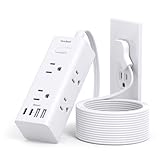
I’ve got a confession: for years, I treated extension cords like glorified glorified power strips. Just plug ’em in and forget ’em, right? Wrong. I learned that the hard way after a dodgy cord I dug out of the garage started smelling like burnt plastic while powering my ancient Christmas lights. It’s a simple question, really: are extension cords safe to use? But the answer is way more complicated than a simple yes or no, and frankly, most people don’t give it enough thought until something goes wrong.
The truth is, when you’re asking ‘are extension cords safe to use,’ you’re really asking about a lot of potential pitfalls that can turn a handy tool into a genuine hazard. We’re talking about fire risks, shock hazards, and just plain old damage to your expensive tools or appliances. It’s not rocket science, but it does require a bit of common sense and a willingness to pay attention.
Don’t Be a Klutz: The Basics of Extension Cord Safety
Look, I’m not going to sit here and pretend extension cords are some kind of mystical technology. At their core, they’re just wires carrying electricity from point A to point B. But that simplicity is exactly why people get sloppy.
The most common mistake? Assuming any old cord will do for any job. I’ve seen people try to run a heavy-duty shop vac off a flimsy indoor cord meant for a table lamp. That’s asking for trouble.
The gauge of the wire inside the cord matters. A thicker gauge (lower AWG number) can handle more amperage, meaning it’s less likely to overheat under load.
You wouldn’t try to jump-start your car with speaker wire, so why would you power a microwave with a cord designed for a nightlight?
Another big one is length. Longer cords inherently have more resistance, which can lead to voltage drop and, again, overheating.
If you need to run a cord 100 feet, you need a cord specifically designed for that distance and the load it will carry. Don’t just grab the longest one you find and hope for the best.
My first real ‘aha!’ moment with extension cords came when I was setting up some outdoor holiday lights. I needed a cord that could reach across the entire front lawn and handle a few strings of lights plus a decorative inflatable. I almost grabbed a standard indoor cord because it was long enough, but then I saw the little label: ‘Max Load: 1800 Watts, Indoor Use Only.’ Indoors.
For decorations. My heart sank.
That could have been a very smoky Christmas.
Condition is most important. Frayed wires, cracked insulation, bent prongs – these aren’t just cosmetic issues. They’re red flags screaming ‘danger.’ I once found an old extension cord in a junk drawer that looked like it had been chewed on by a badger.
The insulation was split in a few places, and the prongs were bent. My instinct was to toss it immediately, but a buddy told me, ‘Nah, just tape it up and it’s good as new!’ I politely told him where he could stick his ‘good as new’ tape job.
That cord went straight into the trash. It’s not worth the risk of a shock or a fire to save a few bucks on a new one.
Always inspect your cords before each use. It takes literally thirty seconds and could save your house.
Here’s a quick rundown of what to look for when you absolutely have to use one: (See Also: Can Extension Cords Short Out )
| Feature | What to Look For | My Verdict |
|---|---|---|
| Gauge (AWG) | Lower number = thicker wire, better for higher loads. 16 AWG for light duty, 14 AWG for medium, 12 AWG for heavy duty. | Always err on the side of thicker. Overkill is better than underkill. |
| Length | As short as possible for the job. | If you need super long, get a specialized cord. |
| Plug Type | 3-prong (grounded) is always safer than 2-prong (ungrounded). | Never use adapters to defeat grounding. |
| Condition | No cuts, fraying, cracks, or bent prongs. | If it looks questionable, it IS questionable. Toss it. |
| Rating | UL, ETL, or CSA listed. Check the wattage/amperage rating. | These listings mean it meets safety standards. Don’t buy unlisted cords. |
Indoor vs. Outdoor: It’s Not Just About Getting Wet
People get this wrong constantly. They see a cord and think, ‘It’s got a plug, it’ll work anywhere.’ That’s a dangerous assumption. An indoor-rated extension cord is not designed for the elements. We’re not just talking about rain, although that’s a big one. Outdoor cords are built to withstand UV radiation from the sun, which can degrade the plastic and make it brittle, and they’re also made to handle a wider range of temperatures. That cord I mentioned that smelled funny? It was an indoor cord I’d left outside all summer, and the sun had basically cooked it. It was stiff, cracked, and frankly, terrifying.
The insulation on outdoor cords is typically tougher and more flexible, even in cold weather. They’re also often brightly colored (like orange or yellow) so you can see them and avoid tripping over them, or accidentally cutting them with a mower. The plugs are usually sturdier too, designed to resist moisture and corrosion. When you’re using power tools outside, or running lights for an event, you absolutely must use a cord labeled for outdoor use.
It’s not just a suggestion; it’s a safety requirement. The wattage rating is also important here. Outdoor tasks often involve power-hungry tools like lawnmowers, trimmers, or pressure washers.
You need a cord that can handle that load without breaking a sweat, or worse, starting a fire.
I learned this lesson vividly when I was helping a buddy set up a sound system for an outdoor wedding reception. We needed to run power from the venue’s generator to the speakers, a good 75 feet away.
I had a heavy-duty indoor cord that was long enough, and my buddy was about to plug it in. I stopped him.
‘Hold on, man. This is for outside.’
He gave me that look, the one that says ‘Are you serious?’ I explained that the sun, the dew, the potential for spilled drinks (you never know at a wedding!) could all wreak havoc on an indoor cord.
He grumbled but grabbed the proper outdoor-rated cord. We ended up running everything for two days straight, no issues. That little bit of foresight saved us from a potential electrical nightmare.
The biggest difference, beyond the obvious weatherproofing, comes down to construction and materials. Outdoor cords use thicker insulation compounds that resist abrasion and extreme temperatures. The jacketing is also more solid to handle being dragged over rough surfaces. Think of it like this: an indoor cord is your comfy living room couch; an outdoor cord is your all-terrain vehicle seat. They serve the same basic function, but one is built for significantly harsher conditions.
Common Mistakes That Can Lead to Disaster
Let’s be blunt: people get lazy, and laziness with electricity is a recipe for disaster. Beyond using the wrong type of cord for the job, there are a few other classic blunders I see all the time. One is overloading. You plug in your space heater, your laptop, and your phone charger into one cord, and you wonder why it gets warm. That cord is only designed to handle a certain amount of electrical current. Exceeding that limit is how you melt insulation and start fires. It’s like trying to push a semi-truck through a car wash – it’s just not built for it.
Another common mistake is running cords under carpets or rugs. Seriously, stop doing that. It’s a major fire hazard. The cord can overheat, and you won’t see it. Plus, walking on it can damage the insulation. If you absolutely must run a cord across a floor, use a cord cover specifically designed for that purpose, or at least make sure the cord is in a high-traffic area where you’re likely to see it and not trip. But honestly, if you need to run a cord that way, you probably need a more permanent solution, like an electrician installing an outlet.
Daisy-chaining, or plugging multiple extension cords together, is another absolute no-no. Each connection point is a potential failure point, and with each additional cord, you increase the resistance and the risk of overheating. It’s like stacking too many books on a shelf – eventually, something’s going to give. Most cords aren’t designed to be used in series like that. If you need more reach, you need a longer cord, not a Frankenstein monster of connected cords.
Then there’s the issue of modification. Cutting off the ground pin, stripping insulation to make it fit somewhere it shouldn’t, or using tape to ‘fix’ damage. Just don’t. These modifications compromise the cord’s safety features and can create exposed wires or improper grounding, both of which are incredibly dangerous. Here’s a quick table of what NOT to do:
| Common Mistake | Why It’s Bad | What To Do Instead |
|---|---|---|
| Overloading | Causes overheating, melting, fire risk. | Use a cord with a sufficient amperage/wattage rating for the device(s). |
| Under Carpets | Fire hazard (can’t see overheating), damage from foot traffic. | Use cord covers, or avoid running cords across floors. |
| Daisy-Chaining | Increases resistance, multiple failure points, overheating. | Use a single, longer cord rated for the distance and load. |
| Modifying Cords | Compromises safety features, creates shock/fire hazards. | Replace damaged or unsuitable cords with new, proper ones. |
| Using Damaged Cords | Exposed wires, compromised insulation, shock risk. | Inspect cords regularly and replace any that show damage. |
When Are Extension Cords Just Plain Overrated?
Okay, let’s get real. Sometimes, the ‘extension cord solution’ is just a lazy fix for a bigger problem. (See Also: Can Extension Cords Be Use With Electric Heaters )
Everyone says, ‘Oh, just get an extension cord!’ but often, that’s not the best or safest way to power something. If you find yourself needing to run an extension cord permanently to a location, it’s a screaming signal that you need a new electrical outlet installed. That’s a job for a qualified electrician, and while it might cost a few hundred bucks, it’s infinitely safer and more convenient than relying on a cord that’s always in the way or degrading over time.
I’ve seen extension cords get pinched in doors, run over by chairs, and generally abused because they were a permanent fixture. That’s not safe.
Another time they’re overrated is when you’re dealing with high-draw appliances. Think refrigerators, electric stoves, or powerful workshop tools. These items often require dedicated circuits for a reason.
Plugging them into an extension cord, even a heavy-duty one, can strain your home’s wiring and the cord itself. Many manufacturers explicitly state in their manuals that you should not use extension cords with their appliances. Ignoring that advice is a gamble you don’t want to take. My neighbor, bless his heart, tried to power his entire summer workshop – welder, air compressor, big saws – off a series of heavy-duty cords from the garage main panel.
It worked… for a while. Then one day, the breaker tripped, and he smelled that familiar burning plastic. The breaker saved him from a fire, but the cords were fried.
He ended up having an electrician run a proper sub-panel out to his workshop. Cost him about $1,200, but he hasn’t had a single electrical issue since.
The same goes for temporary setups that become permanent. That cord you used for temporary outdoor lighting that’s still plugged in six months later?
That’s no longer temporary. It’s a potential hazard. If you need power somewhere consistently, invest in a proper installation.
Extension cords are meant for temporary use. If your usage is anything more than occasional, it’s time to rethink your setup. I’ve seen people use extension cords to power outdoor sheds that are used daily. It seems fine until the insulation cracks from weather, or a critter chews through it, or someone trips over it in the dark.
The cost of an electrician might seem high upfront, but compared to the potential cost of a fire or injury, it’s cheap insurance.
Practical Tips for Using Extension Cords Wisely
So, you need to use an extension cord. What’s the best way to do it without turning your house into a fire hazard? First, buy good quality cords. Don’t go for the cheapest option you find at the dollar store. Look for reputable brands and make sure they are certified by UL, ETL, or CSA. These certifications mean the product has been tested and meets established safety standards. I usually spend a bit more and get cords from brands like Southwire or Leviton. They cost a few extra bucks, but I sleep better at night knowing they’re built to last and meet safety specs.
Second, always match the cord to the job. For light-duty tasks like powering a lamp, a fan, or charging a phone, a 16-gauge cord is usually fine. For medium-duty tasks like power tools or small appliances, you’ll want a 14-gauge cord. For heavy-duty applications like large power tools, air conditioners, or anything that draws a lot of power, use a 12-gauge cord. And remember, the shorter the cord, the less voltage drop, so use the shortest cord that will do the job. If you need to run a cord more than 50 feet, you should probably be looking at a 12-gauge cord regardless of the appliance, just to be safe.
Third, keep them out of harm’s way. Don’t run them under rugs, across high-traffic walkways, or where they can be pinched by doors or furniture. When you’re done using them, unplug them properly by pulling on the plug, not the cord itself, and store them neatly. Coiled up, not kinked. A tidy cord is a less damaged cord. I’ve got a set of heavy-duty Velcro straps I use to keep my extension cords coiled, and it makes a world of difference in storage and preventing tangles and damage.
Finally, if a cord looks damaged in any way – frayed insulation, cracked plastic, bent prongs – throw it away. Don’t try to fix it with tape. Don’t try to make it work. It’s not worth the risk. A new, properly rated extension cord is a small investment in safety. My rule of thumb: if I have to question its safety, it’s not safe enough.
Can I Use an Indoor Extension Cord Outside?
No, absolutely not. Indoor extension cords are not built to withstand the elements like rain, sun, or extreme temperatures. They can become brittle, crack, and expose the wires, creating a serious shock or fire hazard. Always use an extension cord specifically rated for outdoor use when working or setting up anything outside. (See Also: Are Outdoor Extension Cords 10 Or 12 Gauge )
How Do I Know If an Extension Cord Is Safe?
Look for certifications from organizations like UL, ETL, or CSA on the packaging or the cord itself. These indicate the cord has been tested and meets safety standards. Also, inspect the cord for any signs of damage: frayed wires, cracked insulation, or bent prongs. If it looks questionable, it probably is. Make sure the cord’s gauge (thickness) and wattage/amperage rating are appropriate for the device you’re powering.
What Is the Biggest Danger of Extension Cords?
The biggest danger is fire caused by overheating due to overloading or using the wrong type of cord for the job. Other major risks include electric shock from damaged insulation or improper grounding, and tripping hazards. Using extension cords improperly, like running them under carpets or daisy-chaining them, significantly increases these risks.
Myths About Extension Cord Safety Debunked
There are a lot of ridiculous ideas floating around about extension cords. One I hear all the time is, ‘If it fits, it sits.’ Meaning, if the plug goes in, it’s okay.
This is pure bunk. Just because a plug can physically connect doesn’t mean the electrical load is safe.
You could be drawing way more amperage than the cord or the circuit can handle, leading to overheating and potential fire. I saw a guy plug a 1500-watt space heater into a light-duty 18-gauge cord meant for Christmas lights. It got hot to the touch almost immediately. When I pointed it out, he just shrugged and said, ‘It’s working, isn’t it?’
Yeah, it was working until it melted and potentially burned his house down. That’s not an ‘if it fits, it sits’ situation; that’s a ‘you’re an idiot’ situation.
Another myth is that older cords are somehow better because they were made ‘back in the day.’ Poppycock.
While some older items were built like tanks, electrical safety standards have evolved significantly. Modern cords that meet UL or ETL standards are generally safer and more reliable than their ancient counterparts.
If you find an old cord that looks worn, cracked, or otherwise questionable, it’s a hazard, plain and simple. My grandfather had this ancient, thick rubber-coated cord that he swore by.
It looked tough, but the insulation was brittle in places, and the plug was loose. I begged him to get a new one, but he wouldn’t. One day, it sparked and nearly started a fire behind his workbench.
He finally relented and bought a new, proper cord after that little scare. The ‘old is gold’ mentality doesn’t apply to electrical safety.
Then there’s the idea that tape can fix anything. ‘Oh, a little nick in the cord? Just wrap it with electrical tape!’ No. Just no. Electrical tape is not a substitute for proper insulation. It can melt, come loose, and expose live wires. If a cord has any damage to its insulation, it needs to be replaced. Period. Trying to patch it is like putting a band-aid on a broken bone – it’s not addressing the underlying, dangerous problem. I’ve seen extension cords that were ‘repaired’ with duct tape, masking tape, and even chewing gum. It’s baffling and incredibly unsafe. These are not fixes; they are invitations for disaster. Always prioritize replacement over repair for damaged cords.
Final Verdict
So, are extension cords safe to use? The answer is a conditional yes. They are safe when you choose the right cord for the job, inspect it regularly, use it properly, and understand its limitations. If you’re constantly relying on them, or if you’re cutting corners on safety, then no, they are not safe.
My advice is simple: treat extension cords with respect. They’re not indestructible toys. Invest in good quality, certified cords, and if you’re ever in doubt about a cord’s condition or its suitability for a task, err on the side of caution. That means replacing it or calling a professional electrician.
The next time you grab an extension cord, take a moment to check its rating, its condition, and where you’re going to plug it in. It’s a small effort that can prevent a lot of potential headaches, and frankly, far more than just a headache. It’s about keeping your home, your belongings, and yourself safe from electrical hazards. Think about it the next time you’re reaching for that dusty coil in the garage.