I remember staring at my front door, a cheap, flimsy thing that came with the house, and wondering if replacing the lock was going to be a nightmare. Every time I’d looked at those shiny new deadbolts in the hardware store, they all seemed… well, pretty much the same. But then I started digging, and let me tell you, the answer to ‘are all front door locks the same size’ is a resounding ‘hell no’, and that’s the first hurdle you need to clear before you even think about security.
It’s not just about aesthetics. Getting this wrong means you’re either going to have a gaping hole in your door, or a lock that won’t properly secure. Trust me, I’ve been there, staring at a brand-new, expensive lock that simply wouldn’t fit. It’s a frustrating waste of time and money.
The Simple Truth: They’re Not Universal
Let’s cut to the chase: no, are all front door locks the same size? Absolutely not. Anyone who tells you otherwise is either selling you something or hasn’t spent five minutes actually trying to install one.
The most common misconception is that because a lock fits into a door, all locks must fit all doors. This is fundamentally untrue, and it’s where most DIYers stumble. The primary dimensions that dictate fit are the backset and the door thickness.
The backset is the distance from the edge of the door to the center of the hole where the lock cylinder goes. This is typically 2 3/8 inches or 2 3/4 inches for residential doors, but you can find others.
If you get this wrong, the bolt won’t extend far enough into the door frame, or it’ll be so deep it jams. I once bought a lock online that looked perfect, only to find out it had a 3-inch backset. My door’s pre-drilled hole was set for the standard 2 3/4. Cue a trip back to the store and a very sheepish return.
Door thickness is another huge factor. Most interior doors are thinner than exterior doors, and exterior doors themselves can vary. Standard exterior doors are usually 1 3/4 inches thick.
If you try to force a lock designed for a thicker door onto a thinner one, you’ll have exposed threads and an insecure fit. Conversely, if a lock is designed for a standard 1 3/4 inch door and you have a beefier 2-inch solid wood door, the spindle or tailpiece might not be long enough to engage the mechanism properly.
Many modern locks come with adjustable backsets or shims to accommodate the common variations, which is a lifesaver. But this isn’t universal, and you need to check the product specifications carefully.
Don’t just eyeball it; grab a tape measure.
The hole drilled into the edge of the door (the ‘edge bore’) and the large hole drilled through the face of the door (the ‘cross bore’) also need to match the lock you’re buying. While standard cross bore sizes exist (usually 2 1/8 inches), older doors or custom jobs might differ. Again, measure. It’s the simplest way to avoid a headache. The bolt, or latch, that extends from the edge of the door into the frame also has a standard size for its hole, typically 1 inch in diameter. If this hole is too small, you can’t insert the latch plate; too big, and the plate won’t sit flush.
The mechanism itself, the internal workings that actually lock and open, can also affect the overall dimensions and how it fits. While the external escutcheons (the decorative plates around the knobs or handles) might look similar, the internal chassis and bolt assembly are where the real differences lie. Think about smart locks versus traditional deadbolts; smart locks often have larger bodies to house batteries and electronics, which can impact clearance, especially on doors with narrow stiles. (See Also: Are 50 American Locks Door Key Compatible )
Understanding the Key Measurements: Backset, Bore Holes, and Thickness
Let’s get down to brass tacks on what you absolutely need to measure. First, the backset.
As I mentioned, this is the distance from the edge of your door to the center of the large hole drilled through the face of the door. For most residential exterior doors, this is either 2 3/8 inches or 2 3/4 inches. You can check this by removing your existing lock and measuring.
If you have a lock installed, you can often see the two holes on the edge of the door where the bolt goes. Measure from the edge to the center of the larger, round hole.
If you’re replacing a lock, the easiest way to determine your backset is to look at the latch plate on the edge of the door. Most latch plates have two holes, one for the bolt itself and one for the spindle. The backset is the distance from the door’s edge to the center of the hole for the spindle. Alternatively, if your old lock is still installed, you can measure from the edge of the door to the center of the large hole on the face of the door that the lock cylinder passes through.
Next, the door thickness. Standard exterior doors are 1 3/4 inches thick. However, you can find doors that are 1 3/8 inches, 2 inches, or even thicker, especially with solid wood or custom-made doors. If you buy a lock that’s specified for 1 3/4 inch doors and your door is 2 inches thick, the tailpiece that turns the lock mechanism inside might be too short.
This means it won’t engage properly, and the lock will be useless or extremely difficult to operate. Conversely, a lock meant for a thicker door on a thinner door can leave a significant portion of the spindle or tailpiece sticking out on the inside, creating a security risk and an unsightly gap. Always check the lock’s specifications for the range of door thicknesses it can accommodate.
Many higher-end locks offer interchangeable components or adjustable mechanisms to handle different door thicknesses.
The bore holes are the other important measurements. The cross bore is the large hole drilled through the face of the door that the lock body (the part with the knob or handles) passes through.
The standard size for this is 2 1/8 inches in diameter. The edge bore is the hole drilled into the edge of the door for the bolt or latch mechanism to extend through. This is typically 1 inch in diameter.
If these holes are not standard, you may need to enlarge them or purchase a lock that is designed for non-standard dimensions, which are less common and often more expensive. When in doubt, measure everything.
A cheap tape measure is the best investment you can make before buying a new lock. I learned this the hard way after buying a fancy electronic deadbolt that ended up being incompatible with my door’s existing, slightly non-standard bore hole size. It took me hours of careful chiseling and filing to make it fit, and I still wasn’t entirely happy with the result. (See Also: Are Door Locking Actuator Covered By Extended Warranty )
Types of Front Door Locks and Their Size Variations
It’s not just about standard vs. non-standard; different types of front door locks also have their own typical size profiles. A basic knob lock might have a smaller footprint than a heavy-duty deadbolt. Full mortise deadbolts, which are installed within a cutout (mortise) in the door edge and frame, offer a more secure fit and often have more standardized dimensions for the bolt mechanism itself, but the door preparation needs to be precise.
Rim locks, on the other hand, are mounted on the surface of the door, and their size is less about fitting into pre-drilled holes and more about the overall projection from the door. These are less common on modern front doors for security and aesthetic reasons but are sometimes found on older or decorative doors.
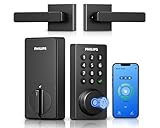
Smart locks are a whole other ballgame. Because they contain electronics, batteries, and often motors, their internal and external dimensions can be considerably larger than traditional locks. While manufacturers aim for compatibility with standard door preparations (2 1/8 inch cross bore and 2 3/4 inch backset are common targets), the protruding keypad, battery compartment, or touchscreen can add bulk. Some smart locks require an additional hole for a deadbolt tailpiece or can accommodate a standard deadbolt, but their overall housing might be deeper or wider than a simple deadbolt.
You need to check the product’s detailed specifications and installation manual to see if it will clear existing hardware or door frame elements. I’ve seen people struggle because a smart lock’s exterior housing bumped against a window frame or the door trim.
Handlesets, which combine a lever or knob with a deadbolt in a single unit, often have specific bolt spreads (the distance between the center of the knob/lever hole and the center of the deadbolt hole). This spread can vary, and it’s important to measure your door’s existing holes to make sure a match. If you’re replacing a handleset, you’ll want to measure this bolt spread before you buy. Buying a handleset with the wrong bolt spread means you’ll either need to drill new holes (which can weaken the door) or return the product. It’s frustrating because visually, many handlesets look similar, but the internal spacing can be a deal-breaker.
When Does ‘same Size’ Actually Apply? Standardizations and Exceptions
Okay, so ‘are all front door locks the same size’ is a no. But there are areas of standardization that make things easier for most people. The most common standard you’ll encounter is the 2 1/8 inch cross bore and the 2 3/8 or 2 3/4 inch backset. Many residential doors are drilled to these common dimensions, which is why you can walk into any hardware store and find a wide selection of locks that will fit without any modification. This standardization is a boon for consumers, as it means you can often replace a lock with a new one of a similar type without needing to be a master carpenter.
However, this standardization is primarily for the holes drilled into the door, not necessarily the locks themselves. A standard deadbolt will fit a standard door preparation, but a high-security deadbolt with a larger bolt mechanism or a specialized locking system might have different internal dimensions that require more clearance. Conversely, some very basic, older locks might have simpler mechanisms that are smaller. The external decorative trim, the escutcheon plates, can also vary significantly in size and shape. You might find a lock that fits the holes perfectly but looks comically small or overly large on your door.
The real exception to standardization comes with older homes, custom doors, or doors made from materials other than standard wood, like metal or fiberglass with unusual internal structures. These can have non-standard hole sizes, different thicknesses, or require specialized mounting hardware. For example, some older Victorian homes might have doors with extra-thick wood, requiring longer bolts and spindles. Modern security doors might have reinforced frames or different internal bracing that affects lock installation. It’s also worth noting that commercial doors often adhere to different, more solid standards than residential doors. So, while there’s a widely adopted standard for residential doors, it’s far from universal, and always, always measure.
How to Measure and What to Look for Before Buying
Before you even think about what brand or style of lock you want, you need to grab a tape measure and your existing door. Here’s the drill: First, determine your backset. Open the door and look at the edge where the bolt extends.
You’ll see a metal plate. Measure from the edge of the door to the center of the bolt hole. If you have a lock installed, measure from the edge of the door to the center of the large hole on the face of the door.
As noted, 2 3/8″ and 2 3/4″ are the most common. If your current lock’s latch plate has two holes, measure to the center of the hole that the bolt itself goes into for the backset, or the center of the spindle hole if it has that. If you’re unsure, look up the dimensions of your existing lock model online, or just measure the distance from the door edge to the center of the cross bore. (See Also: Are Door Supposed To Auto Lock On 2008 Nissan Maxima )
You want the new lock’s backset to match this measurement, or to have an adjustable backset that covers it.
Second, measure your door thickness. Close the door and use your tape measure to find the thickness of the door itself, not including any trim. Again, 1 3/4″ is standard, but check carefully. Make sure the new lock is specified to fit your door thickness. Many locks will state a range, like “fits doors 1 3/8″ to 1 3/4″ thick.” If your door is thicker, you might need a special kit or a different lock model.
Third, check the bore holes. The large hole in the face of the door (cross bore) is usually 2 1/8″. The hole in the edge of the door (edge bore) for the bolt is usually 1″. If these are significantly different, you may need to drill new holes or use a lock designed for non-standard sizes.
Many new locks come with templates for drilling, but if you’re retrofitting, you’re working with what’s already there. My advice? If your holes aren’t standard, try to find a lock that’s advertised as being able to work with slightly oversized or undersized holes, or be prepared to do some minor carpentry to enlarge them properly.
It’s better to have a lock that fits the door than a door that fits the lock. Finally, consider the bolt spread if you’re buying a handleset. Measure the distance between the center of the knob/lever hole and the center of the deadbolt hole. This is important for handlesets, as drilling new holes for a non-matching spread can be a real pain and compromise the door’s integrity.
Here’s a quick comparison chart of common measurements. Remember, these are typical, not absolute rules.
| Measurement | Typical Size | Importance | My Verdict |
|---|---|---|---|
| Backset | 2 3/8″ or 2 3/4″ | Determines bolt extension into the door frame. | Get this right, or the lock won’t engage properly. Key. |
| Door Thickness | 1 3/4″ | Affects spindle/tailpiece length and fit. | Important for secure operation. Check spec sheets! |
| Cross Bore (Face Hole) | 2 1/8″ | Hole for the lock body/knob. | Standard is common, but verify for older doors. |
| Edge Bore (Bolt Hole) | 1″ | Hole for the bolt/latch. | Less common to be non-standard, but measure anyway. |
| Bolt Spread (Handlesets) | Varies (e.g., 5 1/2″, 8″) | Distance between knob/lever and deadbolt centers. | If replacing a handleset, this MUST match or you’ll drill. Painful. |
People Also Ask:
Can You Put Any Lock on Any Front Door?
No, you absolutely cannot put just any lock on any front door. While there are common standards for residential doors (like the 2 1/8″ cross bore and 2 3/8″ or 2 3/4″ backset), doors can vary significantly in thickness, hole placement, and overall construction. Failing to match the lock’s specifications to your door’s measurements will result in an improper fit, poor security, or a lock that simply won’t work. Always measure your door’s specific dimensions before purchasing a new lock.
What Is the Standard Size of a Front Door Lock?
The most common standards for residential front door locks revolve around the bore holes and backset. The cross bore (the large hole through the face of the door for the lock mechanism) is typically 2 1/8 inches in diameter. The backset (the distance from the edge of the door to the center of the bolt hole) is most commonly 2 3/8 inches or 2 3/4 inches. Most new locks are designed to accommodate these standard measurements, making replacement easier.
Do All Deadbolts Fit the Same Size Hole?
No, not all deadbolts fit the same size hole. While many residential deadbolts are designed for standard door preparations (2 1/8″ cross bore and 2 3/8″ or 2 3/4″ backset), there can be variations. Some heavy-duty or high-security deadbolts might have larger mechanisms requiring more clearance. Older homes or custom doors may also have non-standard bore hole sizes. It’s imperative to measure your door’s existing holes and the door’s thickness to make sure compatibility before buying a deadbolt.
What If My Door Has a Non-Standard Hole Size for a Lock?
If your door has non-standard hole sizes for a lock, you have a few options. The most direct approach is to carefully enlarge the existing holes to match the requirements of the lock you want. This often involves using a drill with a hole saw bit for the cross bore and a spade bit for the edge bore, making sure you maintain the correct backset. Alternatively, you can search for locks specifically designed for non-standard dimensions, though these are less common and may be more expensive. In some cases, a lock manufacturer might offer adapter plates or shims, but this is rare.
Verdict
So, to circle back: are all front door locks the same size? No. Not even close. It’s a simple question with a complicated answer that boils down to measuring your door. Don’t be the person who bought the shiny new lock only to find it’s incompatible. Take out that tape measure, check your backset, door thickness, and bore holes. It’s the most basic, yet most important, step in securing your home.
If you’re unsure, err on the side of caution. Look for locks that offer adjustable backsets or explicitly state they fit a range of door thicknesses. If you’re dealing with an older home or a unique door, it might be worth consulting a locksmith. They’ve seen it all and can tell you what will and won’t work, saving you a ton of frustration and potential mistakes. Getting the fit right isn’t just about aesthetics; it’s about making sure your lock actually does its job when you need it most.