I remember a few years back, I was helping my buddy install a new deadbolt on his back door. He was all hyped up, talking about security and all that jazz. I just shrugged and said, ‘Yeah, man, let’s get this done.’ Turns out, understanding whether are door locks tipicaly installed fale safe or fail secure isn’t just some nerdy technical question; it actually matters when you’re thinking about actual safety and accessibility.
It’s easy to just grab a lock and screw it in, but the way it’s designed to behave when things go sideways is a whole different ballgame. We’re not just talking about keeping burglars out anymore. We’re talking about what happens when there’s a fire, or someone needs to get out in a hurry, or even just when you forget your keys and the locksmith is an hour away.
Fail Safe vs. Fail Secure: What the Heck Are We Even Talking About?
Let’s cut to the chase. When we talk about whether are door locks tipicaly installed fale safe or fail secure, we’re really discussing how a lock behaves when the power goes out, or when it’s triggered to open or close without a key or code. Think of it like this: ‘Fail safe’ means it defaults to an opened state when power is lost or it’s triggered. ‘Fail secure’ means it defaults to a locked state. Simple, right? Well, it gets a little more nuanced when you’re dealing with different types of doors and different scenarios.
For instance, on a public building’s exit door, you absolutely want that thing to be fail-safe. If there’s a fire alarm, you don’t want people trapped behind locked doors. That’s just common sense. But on a server room door or a bank vault, fail-secure is probably the goal. You don’t want unauthorized access just because someone flipped a breaker. My first real ‘aha!’ moment with this was at an old community center I volunteered at. They had these massive emergency exit doors, and during a drill, one of them wouldn’t budge. Turns out, the mechanism was wired to be fail-secure, which is just plain wrong for an exit. Took a frantic half-hour to get it pried open.
The common advice often leans towards ‘security above all else,’ which usually means fail-secure. But that’s a corporate mindset. As a homeowner, or someone who’s actually had to deal with a jammed lock in a real emergency, you start to see the flaws in that one-size-fits-all approach. It’s about balancing access, safety, and security. You wouldn’t want your kid’s bedroom door to be fail-secure if they needed to get out in a hurry, would you? The context is everything.
Electronic Locks: The True Battleground for Fail-Safe/secure
Where this whole fail-safe versus fail-secure debate really heats up is with electronic locks. Mechanical locks are pretty straightforward – they either work or they don’t.
But electronic ones have power requirements, and that’s where the design choice becomes most important. Think about those fancy keyless entry systems on your front door.
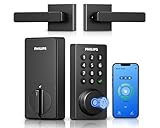
Most of them, if you’re talking about a typical residential smart lock, are designed to be fail-secure. This means if the power goes out, or the battery dies, the deadbolt stays engaged.
Your first thought might be, ‘Great, more security!’ But then you remember that time the power flickered for two seconds, and you were locked out of your own house because your phone died too. Yeah, I’ve been there.
Had to fish out the hidden spare key, which kind of defeats the purpose of a fancy keyless entry, doesn’t it? (See Also: Are There Different Size Holes For Installing Door Locks )
On the flip side, you have systems designed for commercial buildings, like electrified strikes or magnetic locks. These are the ones that are often fail-safe. When the power is cut, the strike releases the bolt, or the magnet disengages. This is perfect for fire exits or high-traffic areas where you need to guarantee egress.
I once saw a situation where a fire alarm went off in an office building, and all the main doors with magnetic locks immediately popped open. It was chaotic, but everyone got out quickly. The risk of someone trying to brute-force their way into an empty office after a power outage seemed to be weighed less than the risk of people being trapped during an actual emergency. It’s a calculated risk, and the design reflects that.
The installation of these electronic locks is also a factor. If an installer doesn’t properly understand the intended fail-safe or fail-secure behavior, they can inadvertently create a vulnerability or a hazard. It’s not just about screwing it in; it’s about wiring it correctly and understanding the system’s logic. A badly installed electronic lock can be worse than no lock at all.
Mechanical Locks: Simpler, but Still Have Their Own Rules
While electronic locks are where the fail-safe/fail-secure discussion gets complex, don’t think mechanical locks are entirely exempt. The principles still apply, just in a less electronically-driven way. For standard deadbolts and doorknobs, the default is almost always fail-secure. They’re designed to stay locked unless you operate the mechanism with a key or a thumbturn. This is generally what you want for home security. I mean, who wants their front door to just open itself when the wind blows too hard?
However, there are exceptions. Think about panic bars on emergency exit doors in public spaces. These are designed to be fail-safe. A push on the bar releases the latch, allowing immediate egress, regardless of any locking mechanism. This is a regulatory requirement in most places for buildings with a certain occupancy. The idea is that in an emergency, egress should be as simple as pushing a bar. The security against unauthorized entry is handled by other means, or it’s considered a secondary concern to life safety.
My first introduction to the ‘mechanical fail-safe’ concept wasn’t in a building, but actually with a piece of industrial machinery. It had a guard that, when opened, would instantly disengage the motor. It was a safety feature, meaning it was fail-safe: if the guard was compromised or opened, the dangerous part stopped. It made me realize that the ‘fail’ state isn’t always about ‘breaking’ the lock; it’s about defaulting to the safest or most accessible state for the intended purpose. For a door, that means opened for exits, and locked for security.
When Is Fail-Safe the Right Call?
You’re probably wondering, ‘Okay, so when should a lock be fail-safe?’ The answer is pretty much anywhere where preventing access during an emergency is a bigger risk than preventing unauthorized entry. This primarily applies to emergency exits, fire escapes, and rooms that need to be immediately accessible in a crisis. Think about hospital patient rooms, especially for those who might be disoriented, or school classrooms. The priority there is getting people out safely and quickly. If the power goes out during a fire, you don’t want a deadbolt standing between someone and safety.
Another angle is accessibility. For individuals with disabilities, a fail-safe mechanism can be a lifesaver. If they use an electronic lock on their front door, and the power dies, they might be stranded outside.
In some situations, a fail-safe electronic lock, or a mechanical lock that can be easily overridden from the outside in an emergency, is the more humane and practical choice. I recall a neighbor who had a stroke and had trouble with fine motor skills. Her smart lock, which was fail-secure, became a nightmare when the battery died. (See Also: Are Sesame Seeds Kosher For Passoveris Pollock Kosher )
She was stuck on her porch for hours until her daughter could get there with a physical key. It was a stark reminder that ‘secure’ can sometimes mean ‘inaccessible’ when you need it most.
So, for public buildings, places of assembly, and any door that serves as a designated emergency exit, fail-safe is often the a must choice. It’s about prioritizing human life and safety over potential security breaches that are usually less immediate. The goal is unobstructed egress when it matters most. It’s not about making it easy for thieves; it’s about making it possible for people to escape danger.
When Is Fail-Secure the Smarter Choice?
Now, let’s talk about when fail-secure is your best friend. This is usually when the primary concern is preventing unauthorized access, plain and simple. Your front door at home? Definitely fail-secure.
You want that thing to stay locked tight, even if the power grid decides to take a nap. Most residential smart locks are designed this way for a reason. They offer the convenience of keyless entry but maintain a strong barrier against unwanted visitors when the power is out. I’ve had my smart lock for about three years now, and the battery has died maybe twice.
Both times, it was during a convenient time of day, and I had a spare key. The peace of mind knowing it defaults to locked is worth the occasional battery swap.
Think about sensitive areas in a business: server rooms, executive offices, areas with confidential documents, or high-value inventory. These locations need solid security. If the power fails, you don’t want those doors popping open. A fail-secure mechanism makes sure that the security perimeter remains intact. It’s a fundamental principle of physical security. The risk of a power outage causing a minor inconvenience (like needing a key) is far less than the risk of a security breach in such areas.
Here’s a little contrarian thought: Some folks argue that all doors should be fail-safe for maximum safety. I disagree. While safety is most important, so is the ability to secure your property and your personal information. If every door in your house was fail-safe, a power outage could mean your front door, your back door, and even your bedroom door all opened themselves. That’s not security; that’s an invitation for trouble. The key is to have the right type of lock for the right door, and for most residential and sensitive commercial applications, that means fail-secure.
Common Mistakes and Practical Tips for Installation
One of the biggest mistakes I see people make when installing locks, especially electronic ones, is not fully understanding the fail-safe versus fail-secure functionality. They assume all keyless locks automatically grant access when power is lost, or they don’t realize their supposed ‘security’ lock is actually designed to pop open. Always, always read the manual. And I don’t mean skim it; I mean actually read it. The specifications will clearly state how the lock behaves under different conditions.
Another common error is improper wiring for electronic locks. If an electrified strike or a magnetic lock is wired incorrectly, it might not disengage when it’s supposed to, or it might engage when it shouldn’t. This can create a dangerous situation on an exit or a security vulnerability on a restricted area. If you’re not comfortable with electrical wiring, hire a professional. It’s not worth the risk. I learned this the hard way trying to wire up a magnetic lock for a shed I wanted to secure. Ended up shorting something out and blowing a fuse for half the garage. Took me an afternoon and a call to a handy neighbor to fix it. (See Also: Are Sliding Door Locks Common )
Here’s a quick table of how I generally approach lock choices for different scenarios. Remember, this is my opinion based on years of fiddling with locks and doors:
| Door Type | Typical Functionality | Why? (My Verdict) |
|---|---|---|
| Front Door (Residential) | Fail-Secure | Need to keep people out. Battery dying is a minor inconvenience compared to a break-in. |
| Back Door/Side Door (Residential) | Fail-Secure | Same as the front door. Security first. |
| Bedroom Door (Residential) | Fail-Secure (Manual Thumbturn) | Privacy and security, but still needs to be manually opened from inside easily. |
| Emergency Exit Door (Commercial/Public) | Fail-Safe | Life safety. No excuse for people to be trapped. Absolutely a must. |
| Server Room/Data Center Door | Fail-Secure | Protecting valuable assets and sensitive information. Security is the absolute priority. |
| Storeroom Door (Low Value Items) | Fail-Secure | Basic security is still good. |
For anyone installing a lock themselves, especially if it’s an electronic system or a commercial-grade lock, consider the long-term implications. What happens if the power goes out? What happens if the battery dies? What happens in a fire? These aren’t abstract questions; they are real-world scenarios that your lock choice needs to address. And remember, a good lock is only as good as its installation. If it’s not installed correctly, it’s basically useless.
People Also Ask: Are Door Locks Tipicaly Installed Fale Safe or Fail Secure?
Are exit doors fail-safe or fail-secure? Exit doors, particularly those in public buildings or commercial spaces, are almost always required to be fail-safe. This means they open automatically when power is lost or when the exit mechanism is triggered (like a panic bar). The primary reason is life safety, making sure people can escape quickly during an emergency like a fire or evacuation. The risk of unauthorized entry during a power outage is secondary to the risk of people being trapped.
What does fail-safe mean for a lock? For a lock, ‘fail-safe’ means it defaults to an opened state when power is removed or when a specific trigger occurs. Think of an electrified strike on a door; when the power is cut, the strike releases the bolt, and the door can be opened. This design prioritizes access and egress, making it suitable for emergency exits and situations where immediate opening is important.
What does fail-secure mean for a lock? ‘Fail-secure’ means a lock defaults to a locked state when power is removed or a fault occurs. For example, a typical residential smart lock that remains locked when its battery dies is fail-secure. This design prioritizes security, making sure the door remains locked and preventing unauthorized entry even in the event of a power failure. This is common for main entry doors and high-security areas.
What is the difference between fail-safe and fail-secure locks? The core difference lies in their default state when power is lost or a fault occurs. A fail-safe lock opens, prioritizing access and egress. A fail-secure lock remains locked, prioritizing security. The choice between the two depends entirely on the intended use of the door and the primary concern: life safety and accessibility (fail-safe) or preventing unauthorized entry (fail-secure).
Final Thoughts
So, when it comes down to it, the question of whether are door locks tipicaly installed fale safe or fail secure doesn’t have a single, simple answer. It’s entirely dependent on the context of the door itself and its purpose. For your home’s main entry points, fail-secure is generally the way to go. You want that extra layer of security, and the occasional dead battery is a small price to pay for peace of mind. But for emergency exits, or any door where immediate egress is most important, fail-safe is not just a good idea; it’s often a legal requirement and a matter of life and death.
Understanding these distinctions before you buy and install a lock can save you a lot of headaches, and in some cases, could even be a matter of safety. Don’t just grab the shiniest new gadget; consider its behavior when things don’t go according to plan. A little bit of research now can prevent a lot of panic later.
Next time you’re looking at a new lock, or even just thinking about your current setup, take a moment. Ask yourself: ‘What happens if the power goes out?’ That simple question can tell you a lot about the real security and safety of your doors.