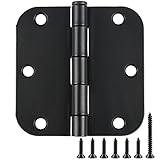
I remember staring at my grandmother’s kitchen cabinets, the chunky brass hinges proudly on display. Back then, they were just… hinges. Functional. Part of the furniture. Fast forward twenty years, and suddenly everyone’s talking about sleek, minimalist kitchens where you can’t see a single screw. This has led to a lot of chatter, and frankly, some confusion, about whether or not are exposed hinges outdated. The truth? It’s a lot more nuanced than a simple yes or no.
I’ve spent my fair share of time wrestling with cabinet doors, installing hardware, and generally just living with these things. And let me tell you, the aesthetic debate is only half the story. There’s a practical side to exposed hinges that often gets lost in the glossy magazine spreads.
The Case for Keeping Exposed Hinges: Why They Aren’t Dead Yet
Let’s be clear: the ‘modern’ look favors concealed hinges. You see it everywhere – frameless cabinets with clean lines, where the hardware is hidden away, almost as if by magic. But here’s the thing: exposed hinges aren’t just some relic of the past. They have a certain charm, a vintage appeal that some people actively seek out. Think of a classic farmhouse kitchen, or a traditional Shaker-style cabinet. Exposed hinges, especially in materials like brushed nickel, oil-rubbed bronze, or even decorative wrought iron, can add a significant character and a focal point that concealed hinges simply can’t replicate.
My first real DIY disaster involved trying to ‘modernize’ a perfectly good antique dresser by ripping off its ornate exposed hinges and slapping on some cheap, concealed ones I bought online. The dresser looked… unfinished. The lines were all wrong, and the drawers didn’t sit quite right without the structural integrity and aesthetic balance the original hinges provided. It was a harsh lesson: sometimes, the old ways are better for a reason.
Exposed hinges can be incredibly solid. The ones on my grandmother’s cabinets have likely seen fifty years of use and are still going strong.
They are often simpler in design, which can translate to greater durability and easier maintenance. If a screw comes loose or a hinge gets stiff, it’s usually a five-minute fix with a screwdriver or a bit of oil, not a complex disassembly or replacement of a specialized mechanism.
When you’re dealing with thicker, solid wood doors, especially on older furniture or custom builds, exposed hinges can offer superior support. They distribute the weight more effectively and are less prone to sagging over time compared to some of the less beefy concealed options. I’ve seen solid oak doors sag after a few years with concealed hinges because the mounting points weren’t strong enough for the weight. The exposed ones, with their larger surface area and more substantial mounting, just handle it better.
Furthermore, the sheer variety of styles available for exposed hinges is staggering. You can find them in almost any finish and design imaginable, from simple strap hinges to elaborate decorative butterfly hinges. This allows for a level of personalization that concealed hinges, by their very nature, don’t offer. They become a design element in themselves, not just a functional component. For those restoring vintage pieces or aiming for a specific period look, exposed hinges are often a must. They are part of the authenticity. So, while they might not be the default choice for every new build, calling them entirely outdated is a disservice to their functional and aesthetic merits.
The Rise of Concealed Hinges: Why the Shift?
The move towards concealed hinges isn’t just about following trends; it’s driven by a desire for a cleaner, more smooth aesthetic. In interior design, the prevailing mood for the last decade or so has leaned heavily towards minimalism. Think about it: frameless cabinets, flat-panel doors, and integrated hardware create a smooth, uncluttered look that many find more sophisticated and calming. Exposed hinges, with their visible screws and metalwork, can break this visual flow. They draw the eye to the joint between the door and the cabinet, which is precisely what modern design often tries to minimize.
One of the biggest selling points of concealed hinges is the adjustability. Most modern concealed hinges, particularly the European-style or ‘cup’ hinges, offer multiple adjustment points.
You can typically adjust them up, down, left, right, and in or out. This is a godsend when you’re installing cabinets.
If a door isn’t hanging perfectly straight, or if you have a slight gap issue between doors, a few turns of a screwdriver can fix it. I’ve spent hours trying to get doors to align perfectly with exposed hinges, only to have them drift slightly over time. (See Also: A Box Without Hinges Key )
With concealed hinges, that precision is built-in and maintained. It makes the final installation look so much more professional, even if you’re a DIYer like me who doesn’t always hit the mark on the first try.
The ‘clean look’ is the primary driver. When a cabinet door is closed, you ideally want to see nothing but the door itself. Concealed hinges achieve this perfectly. They allow the material and finish of the cabinet to be the star of the show. This is particularly important in high-end kitchens and modern living spaces where every detail is scrutinized. It’s about creating a monolithic, integrated look. The hardware becomes invisible, allowing the overall design of the cabinetry to shine without interruption. It’s a subtle but significant difference that contributes to that feeling of polished, intentional design.
Another practical benefit is ease of cleaning. With exposed hinges, you have more nooks and crannies where dust, grease, and grime can accumulate. This is especially true in kitchens. Cleaning around visible hinge mechanisms can be a pain. Concealed hinges, being tucked away inside the cabinet, are much easier to wipe down and keep pristine. This practical consideration, combined with the overwhelming aesthetic preference for sleekness, is why concealed hinges have become the standard in so many new builds and renovations. They offer a blend of contemporary style and user-friendly functionality that’s hard to beat for the average homeowner.
What to Look for: Quality Matters, Regardless of Style
Whether you’re leaning towards exposed or concealed, the quality of the hinge is most important. I once bought a set of ‘heavy-duty’ exposed hinges for a bathroom vanity that felt flimsy from the moment I opened the box. Within six months, they were showing rust spots and the doors were starting to sag. It was a total waste of the $60 I spent. On the flip side, I’ve had a set of basic, no-name concealed hinges on a small utility cabinet that have performed flawlessly for five years with zero adjustment needed. So, don’t just assume ‘exposed’ means ‘better quality’ or ‘concealed’ means ‘flimsy’.
When looking at exposed hinges, pay attention to the material. Solid brass, solid stainless steel, or good quality forged iron are your best bets for durability and resistance to corrosion. Avoid anything that feels too lightweight, or that has a plating that looks uneven or cheap. The mechanism should move smoothly.
For decorative hinges, check the craftsmanship. Are the scrolls sharp? Is the finish consistent?
For concealed hinges, the most common type you’ll encounter are European-style or ‘cup’ hinges. Look for hinges made by reputable brands. Brands like Blum, Hettich, and Salice are industry standards for a reason – their hinges are engineered for precision, durability, and smooth operation. They often come with lifetime warranties, which speaks volumes about their quality and longevity.
Check the weight rating if you have heavy doors; some hinges are designed for lighter applications and might not hold up well if overstressed.
Here’s a quick breakdown of what to prioritize:
| Hinge Type | Key Considerations | My Verdict |
|---|---|---|
| Exposed | Material (solid brass, steel, iron), smooth operation, sturdy mounting screws, decorative finish quality. | Best for vintage, farmhouse, or specific period styles where they add character. Make sure they are substantial and well-made to avoid sagging. |
| Concealed (Cup/European) | Brand reputation (Blum, Hettich), adjustment capabilities, soft-close feature (highly recommended!), weight rating for door size. | The go-to for modern, clean looks. The adjustability is a lifesaver. Soft-close is a must-have for a premium feel and to prevent slamming. |
Don’t shy away from features like soft-close. Whether exposed or concealed, having a soft-close mechanism is a small luxury that makes a big difference. It prevents doors from slamming shut, which is kinder to the cabinet and the hardware itself, and it just feels more refined. For concealed hinges, this is standard on most decent models. For exposed hinges, it’s less common but can be achieved with separate dampers, though it adds complexity.
Common Mistakes and How to Avoid Them
The biggest mistake I see people make, and honestly, one I’ve made myself, is choosing hardware based solely on looks without considering the practicalities. For exposed hinges, people fall in love with a fancy scroll design or an antique finish and forget to check if the hinge is actually strong enough for the door it needs to support. (See Also: Are Integrated Washing Machine Door Hinges Standard )
I once installed some beautiful, ornate black iron hinges on a large pantry door. They looked fantastic, but within a year, the doors were visibly drooping. I ended up having to reinforce the doors and add a third hinge, which kind of ruined the aesthetic I was going for. It taught me that for exposed hinges, especially on larger or heavier doors, you need to prioritize load-bearing capacity and proper mounting hardware over pure aesthetics.
Another common pitfall, particularly with concealed hinges, is buying the cheapest option available. Online marketplaces are flooded with ultra-low-cost hinges that look like the reputable brands but are made with inferior materials and less precise engineering. I bought a bulk pack of cheap concealed hinges for a series of built-in bookshelves once.
They looked fine on the shelf, but within a few months, several of them started to stick, and the adjustment screws wouldn’t hold their position. Trying to fix them became a constant battle, and eventually, I had to replace them all with a better brand. It was a classic case of ‘buy cheap, buy twice,’ and it ended up costing me more in time and frustration than if I’d just bought good hinges from the start.
Always check reviews and stick to known brands for concealed hinges.
For both types, improper installation is a huge source of problems. With exposed hinges, not pre-drilling holes correctly, or using the wrong size screws, can lead to stripped wood or hinges that aren’t flush, causing doors to bind.
With concealed hinges, the precise placement of the cup holes and mounting plates is important. If they are even a millimeter off, the door won’t sit right, and you’ll struggle with alignment and gaps. My advice?
Measure twice, drill once. Use a template if one is available for your specific hinge type, especially for the concealed cup hinges.
And if you’re installing a lot of cabinets, consider investing in a good jig designed for hinge installation. It makes a world of difference in accuracy and speed. Don’t underestimate the importance of the screws too; always use the screws provided with the hinges, or ones of equivalent quality and size, as they are designed to work with the specific hardware.
Exposed Hinges in Real Life: My Experiences
I’ve got a vintage workbench in my garage that I absolutely love. It’s solid wood, probably from the 1950s, and it came with these chunky, cast-iron strap hinges. They’re industrial-looking, a bit rough around the edges, but man, they work. The drawers are heavy, filled with tools, and these hinges have never once complained. They’re simple: four screws per hinge, and they just hold. Cleaning them is easy – a quick wipe-down with a damp cloth gets rid of the sawdust. They add to the character of the piece, making it feel authentic and functional, not just some sterile modern object. I’ve never once thought about replacing them because they do their job perfectly and look the part.
On the flip side, I recently helped a friend renovate her kitchen. She was adamant about having that super clean, handle-less look. We went with high-quality, soft-close concealed hinges on all her cabinets. The difference was night and day from my grandmother’s kitchen.
When the doors are closed, you truly don’t see them. The lines are unbroken, and it feels incredibly sleek. (See Also: Are Hinges Wheeels )
Installing them was a process, though. We spent a whole Saturday just on the doors, meticulously measuring and drilling for the cup holes and the mounting plates. But the payoff was huge.
The doors all aligned perfectly, and the soft-close action gives a satisfying, gentle thud when you close them. It’s a completely different vibe, and for her modern aesthetic, it’s exactly what she wanted.
It’s a lot more involved to get right, but the result is undeniably clean.
I’ve learned that the ‘best’ hinge really depends on the context. For my garage workbench, exposed is king. For my friend’s kitchen, concealed is the only way to go.
There’s no one-size-fits-all answer. I’ve also found that sometimes, a hybrid approach can work.
On some older furniture pieces, I’ve seen decorative exposed hinges used purely for ornamentation on the exterior, with concealed hinges hidden inside to handle the actual door movement. It’s a bit of a cheat, maybe, but it allows you to get the look you want without sacrificing functionality. Ultimately, it comes down to what you’re trying to achieve with your space and your furniture. Don’t let anyone tell you one style is inherently ‘better’ than the other without considering the application.
People Also Ask: Your Questions Answered
Are Exposed Hinges Still in Style?
Yes, they can still be in style, but it’s highly dependent on the overall aesthetic you’re aiming for. Exposed hinges are very much in vogue for vintage, farmhouse, rustic, and traditional design styles. They contribute to the character and authenticity of these looks. For modern, minimalist, or contemporary designs, concealed hinges are almost always preferred to maintain clean lines and an uncluttered appearance. So, while not the default for every new build, they are far from being obsolete in design circles.
What Are the Pros and Cons of Exposed Hinges?
Pros include their decorative potential, adding character and a focal point to furniture or cabinets, ease of adjustment and repair for many types, and often superior strength for heavy doors. They are also typically less expensive than high-end concealed hinges. Cons are that they can detract from a minimalist aesthetic, they can collect more dust and grime due to being exposed, and some decorative styles might not be as solid as well-engineered concealed hinges. They can also make doors more prone to sagging if not properly installed or if the hinge isn’t rated for the door’s weight.
What Is the Main Advantage of Concealed Hinges?
The primary advantage of concealed hinges is their ability to create a clean, smooth, and modern look. When the cabinet doors are closed, the hinges are completely hidden, allowing the cabinetry to present an uninterrupted surface. Additionally, most concealed hinges offer excellent adjustability, making it easier to achieve perfect door alignment and consistent gaps. They also often incorporate soft-close mechanisms for a more refined user experience.
When Should You Use Exposed Hinges Versus Concealed Hinges?
Use exposed hinges when you want to enhance the character of a piece or a room, particularly in styles like farmhouse, vintage, or traditional. They work well on antique furniture, rustic cabinetry, or when you want the hardware itself to be a design element. Use concealed hinges when you desire a clean, modern, minimalist aesthetic where the cabinetry lines are most important. They are standard for contemporary kitchens, vanities, and built-in furniture where an uncluttered look is desired, and the ease of adjustment and maintenance is also a significant factor.
Verdict
So, are exposed hinges outdated? My honest take is no, not entirely. They’ve been around forever because they work, and they have a unique aesthetic value that concealed hinges just can’t replicate. If you’re going for that farmhouse charm or restoring a vintage piece, exposed hinges are often the perfect choice. They add character and can be incredibly durable if you choose quality ones and install them correctly.
However, if your heart is set on that sleek, modern, handle-less look, then concealed hinges are the way to go. They offer that smooth finish and the precision adjustments that are hard to beat in contemporary design. The key is understanding what you’re trying to achieve with your project.
Before you make a decision, think about the overall style you’re aiming for, the weight of your doors, and how much maintenance you’re willing to do. Don’t just follow the trend; choose what truly fits your needs and your vision for the space. The world of hinges is wider than you might think, and the ‘outdated’ label is often too simplistic.