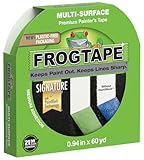
I’ve been there. Staring at a half-painted wall, paintbrush in hand, only to realize the roll of tape I grabbed wasn’t the usual blue stuff. It was that tan, papery masking tape. Panic sets in for a second. Will it bleed? Will it rip the paint off when I pull it? These are the real questions that haunt DIYers. So, let’s cut to the chase: can I use masking tape instead of blue painters tape? The short answer is complicated, and it depends on what you’re trying to achieve.
We’ve all bought the wrong thing at some point, haven’t we? I once spent a frankly embarrassing amount of money on a fancy ‘all-purpose’ tape that promised the moon and delivered a messy, paint-stained crater. It’s those experiences that teach you what’s what. And when it comes to masking tape versus painter’s tape, there’s a world of difference.
Masking Tape vs. Painter’s Tape: What’s the Actual Difference?
Look, the names themselves are a bit of a clue. ‘Masking’ tape, historically, was for masking things off. Think covering up a car window before you spray paint it. It’s designed to stick reasonably well and come off without too much fuss, but it wasn’t built with the delicate dance of wall painting in mind. It’s got a more aggressive adhesive, generally speaking, and that papery texture can soak up paint like a thirsty sponge. That means bleed-through is almost a guarantee if you’re not incredibly careful.
Painter’s tape, on the other hand, is a more refined beast. That signature blue (though it comes in other colors too, like green for delicate surfaces or purple for ultra-sharp lines) is formulated specifically for painting jobs. The adhesive is designed to hold firm enough to create a barrier against paint seepage but gentle enough to peel off cleanly without damaging your freshly painted walls or the underlying surface.
The material itself is often a bit more plastic-y or coated, which helps prevent paint from soaking through. I learned this the hard way on a trim job. I used regular masking tape, and by the time I pulled it off, the crisp white trim looked like it had a fuzzy, painted beard. It was a disaster that took hours to clean up.
The adhesive strength is the big differentiator here. Masking tape often uses a rubber-based adhesive, which is strong and sticky. It’s great for holding things together securely. Painter’s tape, particularly the common blue variety, usually uses an acrylic adhesive that offers a good balance of tackiness and removability. It’s like the difference between a superglue that’s meant to be permanent and a strong double-sided tape that’s designed to be repositioned. For your walls, you want that gentle grip, not something that’s going to wage war on your paint job.
I remember one project in my old apartment where I was painting a feature wall. I ran out of blue tape and, in a moment of ‘can-do’ spirit, grabbed a roll of good old-fashioned tan masking tape.
Big mistake. Not only did it bleed horribly along the edge of the white ceiling, but when I went to pull it off, it took a good chunk of the old paint with it.
So there I was, with a freshly painted feature wall and a jagged, peeling mess where the ceiling met the wall. It looked like a toddler had attacked it with a crayon. Fixing it involved a lot of tedious scraping, priming, and repainting. It probably added an extra three hours to a job that should have taken one.
That was the last time I tried to cut corners on tape.
When ‘maybe’ Is a ‘no’ (and When It’s a ‘risky Yes’)
So, can you use masking tape instead of blue painter’s tape? In a pinch, and with extreme caution, maybe for some very specific, very low-stakes situations. Think about covering up a piece of hardware you don’t want to get paint on while you’re painting a door.
If that hardware is a cheap, metal knob you’re going to replace anyway, and you’re not worried about a little paint bleed that you can just wipe off, then fine. Go ahead. But for anything where you need a clean, sharp line, or you’re working with delicate surfaces or expensive paint, the answer is a resounding no. It’s like trying to use a butter knife to saw through a piece of wood – it’s the wrong tool for the job, and you’re going to end up frustrated and with a mess to clean up.
The other thing to consider is the paint itself and the surface you’re painting on. If you’re painting over a surface that has old, poorly adhered paint, any tape can potentially lift it. But masking tape, with its stronger adhesive, is far more likely to cause issues. If you’re using a very thin, latex-based paint, it’s more prone to bleeding under any imperfect seal. If you’re painting a rough, textured wall, the tape might not adhere perfectly anyway, and masking tape’s less forgiving nature will just exacerbate the problem.
I once tried to salvage a project by using masking tape on some stained trim. The idea was to paint the wall without touching the dark stain. The tape held, but the humidity in the room that day seemed to activate the adhesive in a way I hadn’t anticipated. When I pulled it off, it left a faint sticky residue that looked like a snail had gone for a walk. It wasn’t paint bleed, but it was a different kind of mess. It took Goo Gone and a lot of elbow grease to get rid of. That was a wake-up call. It taught me that even if the tape doesn’t bleed paint, it can leave its own mark.
The common advice you’ll hear is that painter’s tape is always better. And for 95% of painting jobs, I’d agree wholeheartedly.
But what if you’re painting something that’s not a wall? What if you’re doing a craft project? Or covering up something on a piece of furniture you’re about to refinish? In those less common scenarios, masking tape might be an option if you’re willing to be extremely careful. (See Also: Does Painters Tape Rip Paint Off Walls )
You’d need to press it down firmly, maybe even run a bead of latex caulk along the edge to seal it, and then carefully remove it immediately after painting. It’s a lot more work, and the results are still less predictable. You’re basically trying to force a general-purpose tool into a specialized role, and that rarely ends well without a lot of extra effort and potential for failure. For instance, if you’re painting a model airplane and need to mask off a section for a different color, masking tape might be fine.
But if you’re painting a custom car body? Absolutely not.
The stakes are too high.
People Also Ask:
Will masking tape bleed through paint?
Yes, masking tape is significantly more likely to bleed through paint than painter’s tape. Its adhesive is generally stronger and less forgiving, and the paper material can absorb liquid paint, allowing it to seep under the edges and create fuzzy lines. Painter’s tape is specifically designed with a surface and adhesive that minimizes this bleed-through.
Can I use masking tape on delicate surfaces?
Generally, no. Masking tape’s adhesive is often too aggressive for delicate surfaces like freshly painted walls, wallpaper, or certain types of wood finishes. It risks lifting or damaging the underlying surface when removed. Painter’s tape comes in versions specifically designed for delicate surfaces, offering a much gentler hold.
The Real-World Test: My Masking Tape Fiasco
Let me tell you about the time I decided to paint my bathroom vanity. It was a dark wood, and I wanted to go for a crisp white. I thought, ‘How hard can it be?’ I masked off the countertop, the mirror, and the wall with what I thought was perfectly good masking tape.
I used it because it was what I had readily available in the garage, and honestly, I was feeling impatient. The paint went on fine. It looked good.
Then came the moment of truth: peeling off the tape. It was a disaster.
The tape had adhered so strongly that it tore up some of the varnish on the vanity itself in a couple of spots. Worse, the paint had seeped under the edges in about a dozen places, creating a scalloped, unprofessional look that I absolutely hated.
It wasn’t just a little bleed; it was a full-on paint invasion. The lines weren’t just fuzzy; they were gone. I ended up having to carefully scrape away the paint that had bled onto the countertop, which was a nightmare, and then I had to go back and touch up the vanity itself. It took me longer to fix the mess than it would have taken to do the job correctly with the right tape in the first place. I probably spent an extra $40 on touch-up paint and stripper, not to mention the sheer amount of frustration and lost time. That $3 roll of masking tape ended up costing me way more in the long run.
The lesson I learned was brutal but effective: for anything that requires precision and a clean finish, the extra few dollars for proper painter’s tape are absolutely worth it. It’s not just about the adhesive; it’s about the entire construction of the tape. Painter’s tape has a less porous surface, which helps prevent paint from soaking through. Masking tape is like a paper towel; it absorbs.
This is why you get those feathered edges where the paint wicks under. I’ve seen people try to mitigate this by applying a bead of caulk along the edge of the masking tape. That’s a hack, and it can work in a pinch, but it’s an extra step that tells you you’re already using the wrong tool.
I also want to talk about that pervasive myth that ‘any tape will do if you press it down hard enough.’ That’s just not true. While good adhesion is important, the type of adhesion and the material of the tape are most important. (See Also: Does Masking Tape Work The Same As Painters Tape )
Pressing down masking tape harder isn’t going to magically stop it from bleeding or lifting paint. It might even make the problem worse by pressing it into imperfections on the surface.
It’s like trying to seal a leaky boat with more duct tape – eventually, you just need a proper patch. For me, the vanity incident was a clear sign that I needed to respect the tools and materials designed for specific jobs. It’s not about being a snob; it’s about efficiency and achieving a professional-looking result without all the added headaches.
What to Look for in Painter’s Tape (and When Masking Tape Fails Miserably)
When you’re buying tape for painting, you’re looking for specific qualities that masking tape simply doesn’t possess. First and foremost is the clean removal promise. Reputable painter’s tapes will state how long they can be left on a surface before they might become difficult to remove or potentially damage the paint. This can range from a few days to a couple of weeks. Masking tape has no such guarantee; it’s designed to stick, and sometimes it just keeps sticking.
Secondly, consider the surface you’re painting. Most major brands offer different types of painter’s tape. There’s your standard blue tape for general use on walls and trim. Then there’s green tape, often labeled ‘delicate surface,’ which has a much weaker adhesive and is ideal for freshly painted walls (wait at least 24 hours, or longer if possible), wallpaper, or even certain wood finishes that might be sensitive. There’s also purple or yellow tape for ultra-sharp lines, which has a special formulation to prevent paint seepage even on tricky surfaces. Masking tape doesn’t offer this nuance. It’s pretty much one-size-fits-all, and that ‘one size’ is often too aggressive for most painting scenarios.
The material itself matters. Painter’s tape is often made from a specialized paper or even a thin plastic film that is less absorbent than standard masking tape. This significantly reduces the chances of paint bleeding through. I was painting a rented apartment once, and the landlord had just put up this really expensive, textured wallpaper. I was terrified of damaging it. I bought the ‘delicate surface’ green painter’s tape. I was still nervous, but it held perfectly, and when I pulled it off after painting the ceiling, the wallpaper underneath was completely untouched. It was a huge relief. If I had used masking tape, I would have been looking at a hefty bill for wallpaper replacement.
Finally, think about the environment. Are you painting in a humid bathroom? A cold garage? Some tapes perform better in different conditions. While masking tape might stick in the cold, its adhesive can become gummy and prone to leaving residue in heat or humidity. Painter’s tapes are generally formulated to handle a wider range of conditions without compromising their performance or removability. The one time I tried to use masking tape on a hot, sunny day to mask off some window frames, the adhesive got incredibly sticky and gooey, making it a nightmare to apply smoothly. It ended up looking like a melted cheese string when I tried to pull it off, leaving a sticky mess all over the glass.
Common Mistakes When Trying to Substitute Tape
The biggest mistake, hands down, is assuming all tapes are created equal. People grab masking tape because it’s cheaper or they have it on hand, and they just don’t realize the fundamental differences in adhesive, material, and intended use. This leads to the predictable outcomes: bleed-through, ripped paint, and sticky residue. It’s a false economy, plain and simple. You might save a few dollars on the tape, but you’ll spend way more time and money fixing the problems it causes.
Another common error is not testing the tape first. If you absolutely must use masking tape for a less important application, always, always test it on an inconspicuous area first. Paint a small section, let it dry, and then pull the tape off. See how it behaves.
Does it bleed? Does it damage the surface?
This simple step can save you from a much larger disaster. I learned this lesson when I decided to use masking tape on a piece of furniture I was painting.
I tested it on the underside of a drawer, and thankfully, it lifted some of the finish. So, I swapped it out for painter’s tape for the visible parts.
If I hadn’t tested, I would have ruined the whole piece.
People also tend to leave masking tape on for too long. Painter’s tape has guidelines for removal, but masking tape doesn’t. If you leave it on for days, the strong adhesive can cure or bond too strongly to the surface, making removal extremely difficult and damaging. This is especially true if the paint you applied has a lot of solvents or is a type that can react with the tape’s adhesive over time. The advice for masking tape, if you must use it, is to remove it as soon as the paint is dry to the touch, or even sooner if possible.
Finally, there’s the mistake of thinking a thicker application of paint will somehow ‘seal’ the edge and prevent bleed-through. This is wishful thinking. Thicker paint often just means more paint to bleed under the tape, making the problem worse and the lines even fuzzier. It’s like putting a bigger bandage on a wound that needs stitches – it doesn’t address the root problem. The best way to prevent bleed-through is a clean, well-adhered barrier, and that’s what painter’s tape provides.
| Tape Type | Adhesive Strength | Surface Compatibility | Bleed Resistance | Clean Removal | Verdict |
|---|---|---|---|---|---|
| Standard Masking Tape | High | General Purpose (but can damage delicate surfaces) | Poor | Poor (can leave residue, lift paint) | Avoid for most painting. Use only for non-important masking. |
| Standard Blue Painter’s Tape | Medium | Walls, trim, wood, metal (most common surfaces) | Good | Excellent (for recommended duration) | The go-to for most DIY painting. |
| Delicate Surface Green Painter’s Tape | Low | Fresh paint, wallpaper, delicate wood, glass | Fair to Good | Excellent | Best for sensitive or freshly painted surfaces. |
| Ultra-Sharp Line Purple/Yellow Tape | Medium-High | Trim, glass, metal, high-end finishes | Excellent | Excellent | For professional, razor-sharp lines. Worth the extra cost. |
Practical Tips for a Clean Finish (when You Can’t Avoid Compromise)
If you find yourself in a desperate situation where you absolutely must use masking tape for a painting project, and you’ve accepted the risks, here are a few things you can try to minimize the damage. First, make sure the surface you’re taping onto is completely clean and dry. Any dust, grease, or moisture will prevent the tape from adhering properly, leading to more bleed-through. A quick wipe-down with a damp cloth and letting it dry thoroughly can make a surprising difference. (See Also: Does Painters Tape Peel Paint )
Second, apply the tape as smoothly as possible. Try to avoid wrinkles or bubbles, as these create pathways for paint to seep under. Go slowly and press down firmly along the edge with your fingernail or a plastic putty knife. Some people swear by running a thin bead of latex caulk along the edge of the masking tape after it’s applied. Let the caulk dry completely, and then paint. The caulk acts as an extra barrier. When it’s time to remove, you’ll have to carefully score the caulk line with a utility knife to prevent it from pulling up the paint. It’s a hack, but it can work if you’re patient.
Third, and this is important: remove the tape immediately after the paint has dried to the touch. Don’t let it sit overnight or for days. The longer it stays on, the more likely it is to bond too strongly or dry out, making removal a nightmare. As you pull it off, do so slowly and at a 45-degree angle. If you encounter any resistance or see paint starting to lift, stop. You might need to use a utility knife to score the edge of the tape, breaking the seal between the paint and the tape. This is where those sharp lines usually go out the window, but it’s better than ripping off large sections of your new paint job.
If you do end up with some bleed-through or residue, don’t panic. For minor bleeds, a small craft brush and some touch-up paint can often fix it. For residue, Goo Gone or mineral spirits (be careful with solvents on certain finishes) might be needed. But honestly, these are all extra steps that could have been avoided by using the right tape in the first place. It’s like trying to cook a gourmet meal with only a spatula – you might get something edible, but it’s going to be a lot harder and the result won’t be as good.
Faq: Your Masking Tape Questions Answered
Can I use masking tape instead of blue painters tape for trim?
It’s generally not recommended. Masking tape’s adhesive is often too strong for freshly painted trim, and its paper material is prone to bleeding. This can result in fuzzy lines and even damage to your paint job when you remove the tape. Proper painter’s tape is specifically designed to create clean lines on trim without causing damage.
Is masking tape good for protecting floors?
For short-term protection or covering large areas where a perfect seal isn’t required, masking tape can work. However, it’s not ideal for long-term protection or for surfaces that are easily damaged or stained, as its adhesive can leave residue or even lift finishes over time. Heavy-duty floor protection films or dedicated floor protection tapes are usually a better choice.
Will masking tape stick to a painted wall?
Yes, masking tape will stick to a painted wall, often quite aggressively. The issue isn’t whether it will stick, but whether it will unstick cleanly. Its strong adhesive can pull off flakes of paint, especially if the paint is old, poorly adhered, or if the tape is left on for an extended period.
What is the difference between masking tape and painter’s tape in terms of adhesive?
Masking tape typically uses a rubber-based adhesive that is strong and sticky, designed for holding things securely. Painter’s tape, on the other hand, uses an acrylic-based adhesive that is formulated to offer a balance between strong adhesion during painting and clean, easy removal afterward without damaging the painted surface.
Verdict
So, to circle back to that nagging question: can I use masking tape instead of blue painter’s tape? My honest, battle-tested answer is: try not to. The potential for a messy, frustrating outcome is just too high. While it might work in a pinch for a very low-stakes masking job where a perfect line isn’t the goal, for any real painting project where you want clean edges and a professional finish, investing in proper painter’s tape is a must. The time and money saved by avoiding costly touch-ups and rework far outweigh the perceived savings of using the wrong tape.
Think of it like this: you wouldn’t use a screwdriver to hammer a nail, even though both are tools. They have different purposes. Masking tape is for general masking, and painter’s tape is specifically engineered for the delicate art of painting clean lines. Save yourself the headache and grab the right tool for the job. Your walls, your paint, and your sanity will thank you for it.
Next time you’re at the hardware store, grab a roll of good quality blue painter’s tape. It’s a small investment that pays off big time in results. What’s your worst tape mishap story?