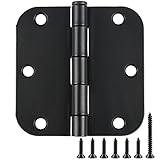
You’re standing there, staring at your front door, feeling a bit uneasy. Maybe you just saw a news report, or maybe you’ve always had that nagging feeling. You’re wondering about security, and your eyes land on the hinges. They look pretty standard, but the question pops into your head: are all exterior hinges security hinges? I’ve been there, trying to figure out what’s just a piece of metal and what’s actually beefing up my home. The truth is, most people don’t give their hinges a second thought until something goes wrong, or until they start asking these very questions.
Let me tell you, I’ve wasted my fair share of cash on things that sounded like they’d make my place Fort Knox, only to find out they were just… hinges. So, let’s cut through the noise and get real about what makes an exterior hinge a security hinge, and what you might be missing.
What Makes a Hinge a ‘security’ Hinge, Anyway?
Look, the term ‘security hinge’ is tossed around a lot, and frankly, it’s a bit of a marketing gimmick for some folks. At its core, a security hinge is designed to resist forced entry.
How does it do that? Usually, it’s a combination of features that make it much harder to pry the door open, even if someone gets past the lock.
The most common feature you’ll find on what’s marketed as a security hinge is a non-removable pin, or a pin that’s designed to keep the door from being lifted off its track even when the door is open. Think about a standard hinge: you can often just lift the pin straight up and out, allowing the door to be removed from the frame. That’s obviously a weak point for security.
A true security hinge will have a feature that prevents this. Some have a ‘security stud’ or a ball bearing in the knuckle of the hinge that sits into a recess in the opposing knuckle. When the door is closed, this stud engages, and even if you manage to knock the pin out, the door can’t be lifted off. Others have a fixed pin or a pin that’s secured in place with a set screw or even welded.
This makes it impossible to remove the pin without damaging the hinge itself. I remember a few years back, I was upgrading some exterior doors and picked up what the box clearly labeled as ‘security hinges.’ They looked beefier, sure, but when I got them home and fiddled with them, I realized the pin was still easily removable.
Total waste of an extra $30. I ended up returning them and finding a set with that little stud feature. It’s those subtle design differences that matter.
So, no, not all exterior hinges are security hinges. Many are just built for function – to swing the door open and closed smoothly. They might be made of decent materials and look nice, but they lack the specific design elements that actively deter forced entry. When you’re shopping, look for those specific security features. Don’t just trust the label. Check for that pin mechanism. It’s the difference between a hinge that holds the door up and one that helps keep the door on.
The Anatomy of a Break-in: Where Hinges Come In
Let’s get blunt. When a burglar wants in, they’re not usually fumbling with your deadbolt for hours. Their go-to methods are often quick and brute-force. Kicking the door in is common, but if the frame is solid and the door itself is sturdy, they might move to prying. (See Also: A Box Without Hinges Key )
This is where those standard, non-security hinges become the weakest link. Imagine someone jamming a crowbar between the door and the frame. If the hinge pins are exposed and removable, they can knock those pins out one by one, and suddenly the door is basically detached from its frame. It’s surprisingly easy and doesn’t require a lot of strength if the hinges are the weak point.
I’ve seen it happen on a friend’s shed – a couple of quick whacks and the door was off its hinges.
This is precisely why the ‘security stud’ or non-removable pin is so important for exterior doors. Even if the door is slightly ajar, or if they can’t get a good angle for a pry bar on the lock side, they can’t just remove the pins from the hinge side.
It forces them to either go through the lock, which takes more time and makes more noise, or to actually break the door or frame – much more difficult and conspicuous. Think of it like this: a standard hinge is like a screw holding two pieces of wood together.
A security hinge is like that screw, but with an extra weld or a special locking mechanism that makes it impossible to back out without destroying the wood around it. It adds a significant layer of difficulty to a common break-in technique.
People often focus all their energy on the lock, and sure, a good deadbolt is vital. But if your hinges can be defeated in seconds, that fancy lock is somewhat undermined. You need to consider the entire system of your door. The frame, the door itself, the lock, and yes, the hinges. They all work together. A reinforced door with a weak hinge system is like wearing a bulletproof vest over a flimsy t-shirt – it’s not going to do you much good when the shrapnel hits. So, when we ask ‘are all exterior hinges security hinges,’ the answer is a resounding ‘no,’ and understanding why that distinction matters is the first step to a more secure home.
What to Look for: Beyond the ‘security’ Label
So, if the label isn’t enough, what should you actually be looking for? First, material. Most decent exterior hinges are made of brass, stainless steel, or heavy-gauge steel with a good coating to prevent rust. Avoid anything that feels flimsy or looks like it’s made of cheap pot metal. The weight of the hinge is a good indicator – heavier usually means more durable. But the real differentiator for security is the pin mechanism. As I mentioned, look for hinges that have a non-removable pin. This can manifest in a few ways:
- Security Studs: These are small protrusions on the hinge knuckles that fit into corresponding holes on the mating knuckle when the door is closed. They prevent the door from being lifted off the frame even if the pin is removed.
- Non-Removable Pin (NRP) Design: Some pins are designed with a sort of cap or a rounded head that prevents them from being fully extracted. You might be able to tap them out a little, but they won’t come completely free.
- Set Screw or Welded Pins: Less common for standard residential use but seen on high-security applications, these pins are mechanically secured.
When you’re at the hardware store or browsing online, don’t just glance at the pictures. Read the product descriptions carefully. Look for terms like ‘non-removable pin,’ ‘security stud,’ or ‘anti-pry.’ If it’s a physical store, pick the hinge up. Try to wiggle the pin. Can you feel it move freely? Can you see a way to tap it out? If it feels like you can, it’s probably not a true security hinge. I once spent nearly an hour in a store, examining every single hinge package, trying to find one that met my ‘is-it-really-secure’ test. It felt a bit obsessive, but honestly, it saved me from buying the wrong thing. You’re looking for that solid, integrated feel.
Another thing to consider is the gauge of the metal. Thicker metal is harder to bend or break. For exterior doors, especially front doors, you want at least a 4.5-inch hinge, and the thicker the gauge (lower the number, e.g., 11-gauge is thicker than 13-gauge), the better. Don’t be afraid to ask store employees, but be prepared to filter their advice – not everyone working in the hardware aisle is a security expert. (See Also: Are Integrated Washing Machine Door Hinges Standard )
| Hinge Feature | Security Level | My Verdict |
|---|---|---|
| Standard Removable Pin | Low | Fine for interior doors, but a security risk on exteriors. Easy to defeat. |
| Security Stud / NRP | High | Excellent. Makes prying the door off hinges extremely difficult. Worth the small extra cost. |
| Decorative Hinges (no specific security features) | Low to Medium | Can look nice, but if they lack security studs or NRP, they offer minimal protection against forced entry. |
| Heavy Gauge Steel / Brass Construction | Medium | Good build quality adds durability, but still needs a security pin for true protection. |
Common Mistakes People Make (and How to Avoid Them)
The biggest mistake, by far, is assuming that any hinge on an exterior door is automatically designed for security. It’s a dangerous assumption. People see a hinge, it holds the door, end of story. They don’t consider the forces involved in a break-in attempt. They’ll spend hundreds, even thousands, on a fancy new door and a top-tier deadbolt, only to have the most basic, easily defeated hinges holding the whole thing in place. It’s like putting designer tires on a car with no brakes. It just doesn’t make sense.
Another common error is focusing solely on aesthetics. You want your front door to look good, I get it.
But sometimes the most ornate hinges are also the least secure. Manufacturers might prioritize the decorative finish or shape over the functional security aspects. So, you end up with a beautiful hinge that’s a breeze for a determined burglar to bypass. My advice?
Find a balance. There are plenty of security hinges available in various finishes – brushed nickel, oil-rubbed bronze, black, you name it. You don’t have to sacrifice looks entirely for function, but function has to come first. I learned this the hard way when I picked a set of wrought iron-style hinges for my back patio door because they looked so rustic and charming.
They lasted about two years before the pin started to rust and seize up, and I realized they offered zero protection against anyone trying to force the door open.
People also sometimes overthink it and buy overly complicated or industrial-grade hinges when they don’t need them. For most residential exterior doors, a good quality hinge with a reliable non-removable pin system is more than sufficient. You don’t need bank vault-level hardware for your front door unless you live in a particularly high-risk area or have specific concerns. The key is understanding the basic security principles: prevent pin removal and make sure solid construction. Don’t get swayed by marketing hype or overly complex features you don’t understand. Stick to the fundamentals, and you’ll be far better off.
Real-World Use and Practical Tips
So, let’s talk about practical application. Where do you really need these beefed-up hinges? Primarily, any door that leads directly from the outside into your home. This means your front door, your back door, and any doors leading into your garage from the outside. Patio doors, especially sliding glass doors, have their own set of security considerations (different types of locks and hardware), but if you have a swinging patio door, the same hinge principles apply. Garage doors are often overlooked, but a door leading from an attached garage into your living space is a common entry point for burglars, so make sure those hinges are solid.
Installation is key. Even the best security hinge won’t do much if it’s not installed correctly into a solid frame. Use long screws – at least 2.5 to 3 inches – that go all the way into the wall studs, not just the door frame. For the hinge leaves attached to the frame, you want those screws to bite deep. Some people even use security screws that require a special bit to remove, adding another layer of difficulty for anyone trying to tamper with the hinges from the outside. I always recommend replacing at least one screw in each hinge on the frame side with a longer security screw. It’s a small step that makes a big difference.
When you’re buying new doors, they often come with hinges. Check them immediately. Don’t assume they’re adequate. If they feel light, have removable pins, or just don’t inspire confidence, budget to replace them with proper security hinges right away. It’s a relatively inexpensive upgrade that pays significant dividends in peace of mind. And remember, maintenance matters. Periodically check your hinges. Make sure they’re not loose, rusted, or showing signs of wear. A little bit of oil can keep them swinging smoothly, and regular checks can alert you to potential problems before they become security vulnerabilities. It’s the same principle as changing your car’s oil – basic maintenance prevents bigger, more expensive issues down the line. (See Also: Are Hinges Wheeels )
The Authority on Hinges? It’s Common Sense, Mostly.
Honestly, finding a single, universally recognized authority that dictates what makes an exterior hinge a ‘security’ hinge can be surprisingly difficult. There isn’t really a governing body that certifies every single hinge as ‘secure’ or not. Building codes focus more on fire ratings and structural integrity rather than specific anti-burglary features of individual hardware components like hinges, unless it’s for a commercial or high-security application. Standards like ANSI/BHMA (Builders Hardware Manufacturers Association) do have grading systems for hinges based on durability and performance (Grade 1, 2, or 3), but this is more about how long they’ll last under normal use and how much weight they can support, not specifically about their resistance to forced entry.
However, manufacturers themselves often provide information. Reputable hardware manufacturers will clearly state if a hinge has ‘non-removable pins’ or ‘security studs.’
You can also look at the specifications for commercial-grade security hardware, which often detail the features that make them resistant to tampering. For instance, many high-security hinges designed for institutional or commercial buildings will explicitly mention features like concealed pins, heavy-duty materials, and specific internal mechanisms to prevent removal. For residential use, you’re basically looking for the same principles applied in a slightly less solid, but still effective, manner. The BHMA A156.7 standard, for example, covers the dimensions and tolerances for hinges, making sure they fit correctly, but the ‘security’ aspect is often a feature added by the manufacturer beyond the basic standard.
My own experience and the advice I’ve gathered from locksmiths and security installers consistently point to those specific pin-retention features as the defining characteristic of a security hinge for residential purposes. The common advice from security professionals is to always opt for non-removable pin hinges on exterior doors. It’s not about a fancy certification; it’s about a practical design element that addresses a common vulnerability. If you’re unsure, the best approach is to physically examine the hinge or thoroughly read the product specifications from a reputable brand. Don’t be afraid to call the manufacturer or a knowledgeable hardware supplier if you have doubts. They usually have technical support that can clarify the security features of their products.
People Also Ask:
Do I Need Security Hinges on All Exterior Doors?
For maximum security, yes, you should consider security hinges on any door that provides direct access from the outside into your home. This includes your front door, back door, and any doors leading from an attached garage into the living space. While less common, basement doors accessible from the exterior also benefit from this upgrade.
Are Security Hinges Expensive?
Security hinges are generally a bit more expensive than standard hinges, but the price difference is usually not significant. You might pay an extra $5 to $15 per hinge, depending on the brand, material, and specific features. Considering the added layer of security they provide, they are a worthwhile investment for peace of mind.
Can I Replace Existing Hinges with Security Hinges?
Yes, absolutely. Replacing existing hinges with security hinges is a straightforward DIY project for most homeowners. You’ll need to remove the old hinge, making sure the door is properly supported, and then install the new security hinge using appropriate screws that anchor securely into the frame and door. Make sure the new hinges match the size and screw pattern of your old ones for an easy swap.
What Is the Difference Between a Security Hinge and a Barrel Hinge?
A security hinge is designed with specific features like non-removable pins or security studs to resist forced entry. A barrel hinge, also known as a pin-tumbler or butt hinge, is a common type of hinge where the pin is typically removable. While functional for many applications, standard barrel hinges are not inherently security hinges unless they incorporate specific security features.
Conclusion
So, to finally put it to rest: are all exterior hinges security hinges? Absolutely not. Most of them are just standard hinges doing a basic job. The ‘security’ aspect comes from deliberate design features meant to thwart break-ins, primarily by making the pin impossible to remove. It’s the difference between a simple screw and a screw with a locking nut – one is easily undone, the other takes serious effort.
Don’t get caught assuming your door is secure just because it has a good lock. Take a good, hard look at those hinges. Are they just holding the door, or are they actively helping to keep it on its frame when someone tries to force it? Investing in a few good security hinges for your main entry points is one of the most cost-effective ways to bolster your home’s defense.
My advice? Go check your exterior doors right now. Seriously. You’ll thank yourself later. It’s a simple upgrade that makes a real difference.