I remember staring at my dorm room walls, plastered with band posters and art prints, a chaotic mosaic of my teenage angst. My solution? Whatever masking tape I could find in the junk drawer. Some held, some peeled, and some took chunks of drywall with them. It’s a question many of us have faced, staring at a blank wall and a roll of blue or green tape: can painters tape hold up posters without wrecking the paint or the poster itself? I’ve learned a thing or two about this over the years, often the hard way.
Let’s cut to the chase: yes, some painters tape can hold up posters, but it’s not a simple yes or no. It depends heavily on the type of tape, the surface you’re sticking it to, and how long you expect it to stay there. My early experiments were… less than scientific, often ending in ripped paper and my landlord’s disapproval.
The Sticky Truth: How Painters Tape Actually Works
So, you’ve got a poster and a roll of tape. What’s actually going on there? At its core, painters tape is designed to create a clean line between two surfaces, usually a wall and whatever you’re painting. It’s got a low-tack adhesive, meaning it’s sticky, but not aggressively sticky. The idea is that it adheres well enough to prevent paint bleed-through but can be removed easily without damaging the underlying paint. This is the magic trick it’s supposed to perform for us poster-hangers too.
The adhesive itself is usually a rubber-based compound. Different brands and types use slightly different formulations, which is why some tapes are ‘delicate surface’ versions (even lower tack) and others are for rougher surfaces (higher tack, but still meant for removal). The paper backing is also designed to tear cleanly, which is a bonus when you’re trying to rip off a strip in a hurry.
When you apply painters tape to a poster and then to a wall, you’re basically creating a temporary bond. The adhesive grips the poster’s surface and then grips the wall’s surface. The success of this bond hinges on several factors. Firstly, the surface energy of both materials. A smooth, clean poster is easier to stick to than a textured, dusty one. Similarly, a smooth, sealed wall is better than a porous, chalky one. Humidity and temperature also play a role; a very cold or very humid environment can affect how well the adhesive grips and how easily it releases.
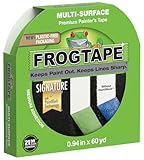
The devil, as always, is in the details of the tape itself. You’ve got your standard blue painters tape, often from brands like FrogTape or 3M Scotch. Then there are green versions, sometimes marketed for rougher surfaces or longer-term applications, and even purple or yellow tapes with specific purposes. For holding up a poster, the goal is to get enough adhesion to keep it up, but not so much that it rips the poster or, worse, the paint off the wall when you eventually take it down. This delicate balance is what makes the choice of tape so important, and why just grabbing any old roll might lead to regret.
Choosing the Right Tape: Not All Blue (or Green) Is Created Equal
This is where most people go wrong. They grab the cheapest roll of blue tape they can find, or the one that’s been sitting in their garage for three years. Big mistake. The world of painters tape is surprisingly diverse, and for holding up posters, you need to be a bit discerning. My personal rule of thumb? If it feels like it could rip a paperback book cover, it’s probably too aggressive for most posters and walls.
For posters, you’re generally looking at the ‘delicate surface’ or ‘interior’ grade tapes. These are typically the blue ones, but always check the packaging. They’re designed for freshly painted walls (as little as 24 hours old, according to some brands) and have a lower tack adhesive. This lower tack is exactly what you want for a poster. It’s sticky enough to hold a lightweight paper item but is less likely to bond too strongly to the poster’s surface or the wall paint.
Here’s a little cheat sheet I’ve put together from years of trial and error: (See Also: Does Painters Tape Rip Paint Off Walls )
| Tape Type | Adhesive Tack | Best For Posters? | My Verdict |
|---|---|---|---|
| Standard Blue Painters Tape (e.g., 3M General Use) | Medium | Sometimes, with caution | Decent for short term on sturdy posters, but riskier. |
| Delicate Surface Blue/Purple Tape (e.g., FrogTape Delicate Surface) | Low | Yes, usually the best bet | My go-to for posters and anything fragile. Less worry about damage. |
| Green/Yellow Exterior/Rough Surface Tape | High | No, avoid at all costs | Too aggressive. Will likely damage posters and paint. Overkill for posters. |
| Masking Tape (Brown Paper) | Medium-High | No, usually too strong | Sticky, yes, but designed for packing. Often rips paper and paint. |
The key differentiator is the adhesive. Manufacturers often talk about ‘clean removal’ for a specific number of days. For posters, we want a tape that offers clean removal indefinitely, if possible. Some of the more premium delicate surface tapes use a special acrylate adhesive that’s less prone to leaving residue and is gentler on surfaces. You might pay a dollar or two more per roll, but trust me, it’s worth it compared to a ripped poster or a wall needing a repaint.
I once bought a giant bulk pack of what I thought was standard blue tape, but it turned out to be a slightly more aggressive formulation. It held my vintage concert posters up for about three months, but when I tried to take one down, it took a significant portion of the poster’s edge with it. That experience solidified my dedication to finding and sticking with the ‘delicate surface’ varieties. It’s not just about the color; it’s about the chemistry.
Common Mistakes People Make When Hanging Posters
Alright, let’s talk about the screw-ups. We’ve all done them, and I’ve probably done more than my fair share. The biggest mistake, as I’ve hinted at, is using the wrong kind of tape. Beyond that, there are other pitfalls that can turn your poster-hanging ambitions into a sticky mess.
Firstly, surface preparation. You can’t just slap tape on a dusty, greasy, or damp wall and expect miracles. Dust particles act like little barriers, preventing the adhesive from making full contact. Grease or oils from fingerprints can also interfere with adhesion and, over time, can break down the adhesive. So, give your wall a quick wipe down in the area where the poster will go. For posters, a gentle dusting with a microfiber cloth on the poster itself is also a good idea. You want clean surfaces for a good, but not too good, bond.
Secondly, the dreaded ‘leaving it up forever’ scenario. Most painters tapes are designed for temporary use – typically a few days to a couple of weeks, depending on the brand and type. Even delicate surface tapes can become very difficult to remove and may leave residue or damage paint if left on for months on end, especially if exposed to sunlight or significant temperature fluctuations. Sunlight, in particular, can degrade the adhesive and the paper backing, making it brittle and prone to tearing.
Another common blunder is applying the tape too aggressively. When you’re putting the poster up, press the tape firmly onto the wall, but don’t go crazy. You want a good seal, but you’re not trying to fuse it to the drywall. Similarly, when you remove the tape, do it slowly and at a shallow angle, pulling away from the wall, not straight out. This minimizes the force on the poster and the paint. If you’ve ever ripped a poster or seen paint bubble up, you likely pulled too fast or too hard.
I had a friend who, bless his heart, decided to use packing tape to hang a mix. He reasoned that ‘more sticky is better.’ Within a week, the tape had yellowed, left a dark residue on the wall, and when he finally peeled it off, it had actually dissolved the ink on the mix in places. That’s an extreme example, but it illustrates the principle: the wrong adhesive can cause damage far beyond just peeling paint. For posters, gentle is usually the best approach.
Real-World Use: My Experience and How to Actually Do It
Let’s get practical. I’ve used painters tape for everything from temporary art installations in my apartment to framing out large prints before I could afford proper framing. The question of can painters tape hold up posters has been answered many times in my life, usually after a few frantic moments of trying to reattach a fallen favorite. (See Also: Does Masking Tape Work The Same As Painters Tape )
My go-to method now is simple, and it works reliably. First, I assess the poster. Is it a thin, glossy magazine page? Or a thick, matte art print? Thicker paper is generally more forgiving. For most standard paper posters – think movie posters, band posters, or art prints on standard paper stock – I opt for the delicate surface blue or purple tape. If the poster is particularly valuable or delicate, I might even double-check the tape’s compatibility with the paper itself by testing on a small, inconspicuous corner of the poster first, though this is rare.
Here’s my step-by-step process:
- Clean the Wall: Lightly wipe the area where the poster will hang with a dry microfiber cloth or a slightly damp cloth (make sure it dries completely before proceeding).
- Prepare the Poster: Gently dust the poster itself with a dry cloth to remove any surface debris.
- Cut the Tape: Tear off strips of delicate surface painters tape. For a standard-sized poster (say, 24×36 inches), I use four strips, one for each corner. If the poster is very large or has a tendency to curl, I might add a strip in the middle of each side. I usually cut the strips about 3-4 inches long.
- Apply Tape to Poster: This is key. Apply the tape to the back of the poster, along the edges. I typically fold about half an inch of the tape onto the poster’s edge, and leave the other half extending off the back. This creates a flap that will adhere to the wall. Make sure the tape lies flat and smooth on the poster.
- Position and Press: Carefully position the poster on the wall. Once you’re happy with the placement, gently but firmly press the exposed tape (the part sticking off the back of the poster) onto the wall. Start from the center of the tape strip and work outwards to make sure good contact and no air bubbles.
For heavier items, or if you want extra security, you can use a second layer of tape on the back of the poster, overlapping the first layer slightly. This gives you more surface area to stick to the wall. Or, you could use a slightly stronger tape like a general-purpose blue tape, but I’d still be very cautious.
I once tried using those little sticky tack putty squares to hang a framed print. They worked for about a week, then the print started to sag. When I took it down, the putty had left grease stains on both the wall and the frame. That’s when I went back to my tried-and-true method with painters tape. It’s not always perfect, but it’s reliable and generally safe for most walls and papers.
When Painters Tape Isn’t Enough: Alternatives and When to Use Them
So, we’ve established that yes, painters tape can hold up posters, but it’s not always the ideal solution, and definitely not for everything. There are times when you need something stronger, something more permanent, or something specifically designed for the job. Understanding these alternatives can save you a lot of headaches (and wall repairs).
For anything heavier than a standard paper poster – think framed prints, canvases, mirrors, or even thick, heavy tapestries – painters tape is likely to fail. In these cases, you’re looking at command strips, nails, screws, or heavy-duty adhesive hooks. Command strips are a popular choice for renters because they offer strong holding power and are generally removable without damaging paint, provided you follow the instructions meticulously. I’ve used them for framed pictures and they’ve held up for years without issue. The key is to buy strips rated for the weight of the item.
If you’re dealing with textured walls, like popcorn ceilings or heavily stuccoed surfaces, even the strongest adhesive tape can have trouble getting a good grip. The uneven surface creates air pockets, and the adhesive can’t make full contact. For these situations, you might need specialized adhesives, or you might just have to accept that nails or screws are the most reliable option, assuming you’re allowed to put holes in the wall. I tried hanging a lightweight corkboard on a textured wall once with a ‘heavy-duty’ poster strip, and it lasted maybe two days before it came crashing down, taking a chunk of the texture with it.
Another consideration is the longevity. If you want a poster to stay up for years without any worry of it falling, or if you’re displaying something truly valuable that you don’t want to risk damaging, then painters tape might not be the best long-term solution. While delicate surface tapes are designed for clean removal, prolonged exposure to sunlight, heat, or even just the passage of time can degrade the adhesive. For permanent or semi-permanent displays, framing with glass or acrylic is the way to go. The frame itself can then be hung using more solid methods. (See Also: Does Painters Tape Peel Paint )
There’s also the aesthetic aspect. Sometimes, even if the tape holds, the look of tape strips on the edge of a poster just isn’t appealing. In those cases, invisible mounting techniques or framing are superior. However, for a quick, temporary, or budget-friendly way to get some art on your walls, good quality painters tape remains a viable option. It’s a balance between convenience, cost, and the risk of damage.
Can Painters Tape Damage Posters?
Yes, painters tape can potentially damage posters, especially if it’s a lower-quality tape, left on for too long, or if the poster is made of very thin or delicate paper. Aggressive adhesives can lift ink, tear the paper, or leave residue. Using low-tack, delicate surface painters tape and removing it carefully can minimize this risk.
Will Painters Tape Leave Residue on My Walls?
Good quality painters tape, especially the delicate surface varieties, is designed to leave minimal to no residue when removed within the recommended timeframe. However, cheaper tapes, tapes left on for extended periods, or tapes exposed to extreme temperatures or sunlight can break down and leave sticky residue behind.
How Long Can Painters Tape Hold Up a Poster?
For standard paper posters and using delicate surface painters tape, it can often hold them up for several weeks to a few months without issue, provided the environment is stable. However, it’s not intended for long-term permanent hanging. Over time, the adhesive can weaken or become difficult to remove cleanly.
Can I Use Painters Tape on Wallpaper?
It’s risky. While delicate surface painters tape is designed for painted walls, wallpaper can be more delicate and porous. The adhesive might pull off the wallpaper’s surface or leave marks. Always test in an inconspicuous area first, and if the wallpaper is old or peeling, it’s best to avoid tape altogether.
Conclusion
So, to circle back to the burning question: can painters tape hold up posters? The answer is a qualified yes. If you choose the right type of tape – the low-tack, delicate surface kind – and apply it carefully to clean surfaces, it’s a perfectly viable and often very safe way to temporarily display your favorite prints without fear of major damage. My years of trial and error have taught me that investing a little more in the right tape saves a lot of heartache (and ruined posters) down the line.
Don’t go grabbing that roll of industrial-strength masking tape your grandpa used for painting the house trim. Stick to the blues and purples designed for sensitive surfaces. And remember, patience is key when you’re ready to take them down. Slow and steady wins the race when it comes to preserving both your posters and your paint job.
If you’re looking for a long-term, permanent solution, painters tape isn’t it. But for making your space look a little more you, on a budget, and without permanent alterations, it’s surprisingly effective. Give it a shot, but do it the smart way, and you’ll be admiring your wall art, not worrying about it falling down.