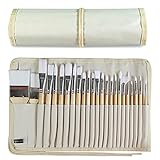
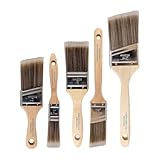
I remember staring at my first set of Army Painter brushes, fresh out of the blister pack. They looked good, felt okay, but the nagging question was there: are Army Painter brushes synthetic? I’d heard all the hype about synthetic fibers being the future, but as someone who’d already flushed a decent chunk of change down the drain on fancy-pants brushes that turned into fluffy messes after a month, I was skeptical. This isn’t just about looking pretty on the shelf; it’s about actually getting paint onto a miniature without driving yourself insane.
Look, we’ve all been there. You spend a fortune, and suddenly your carefully crafted drybrush starts shedding like a husky in July, or your detail brush splays out wider than a politician’s promise. So, the material matters. It dictates how well the brush holds paint, how sharp your lines can be, and frankly, how long the darn thing lasts before it’s relegated to the reject pile. So, let’s cut through the marketing fluff and get down to brass tacks about these popular brushes.
The Real Deal: What Are Army Painter Brushes Made of?
Alright, let’s get this straight upfront: the vast majority of brushes sold under The Army Painter brand, especially their main lines like the ‘Wargamer’ series, are indeed synthetic. This isn’t some dark secret or a gray area; they openly state it. They often use a blend of synthetic fibers, sometimes with specific types of nylon or polyester, engineered to mimic the properties of natural hair brushes. The idea is to give you the performance you need for miniature painting – good paint retention, a fine tip, and decent snap – without the environmental or ethical concerns, and often at a more accessible price point.
I’ve gone through enough of these to have a pretty solid feel for them. When you pick up a standard Army Painter brush, like the ‘Insane Detail’ or the ‘Battlefield Detail’ brush, you can feel that slightly springy, almost plasticky resistance that’s characteristic of good synthetics. They don’t have that buttery softness you might find in a top-tier sable, but for what we do – slinging acrylics on tiny plastic and metal figures – that’s often a good thing. Too soft, and your brush can feel floppy and imprecise, especially when you’re trying to get a clean edge highlight or a tiny dot of light. Synthetics, when done right, offer a bit more backbone. (See Also: Can Acrylic Paint Go In An Air Brush )
The marketing materials often talk about ‘high-quality synthetic fibers’ and ‘advanced brush design.’ While that sounds like typical corporate speak, there’s truth to it. They’re not just grabbing any old plastic fibers. The industry has gotten pretty good at tweaking the diameter, length, and even the microscopic texture of synthetic bristles to control how they absorb and release paint. For example, some synthetic fibers are designed with microscopic scales or pores, similar to natural hair, to increase surface area and hold more pigment. Others are engineered for stiffness and resilience.
So, when you ask, ‘are Army Painter brushes synthetic?’, the answer is a resounding yes for most of their popular ranges. They’ve embraced synthetics because, frankly, they work well for the price and the application. It’s a practical choice that allows them to produce a consistent product across a wide range of brush types and sizes, from the minuscule detail brushes to the larger drybrushes. You’re not getting badger or Kolinsky sable here in their standard lines, and that’s okay, because what they offer is perfectly suited for the job.
Why Synthetics Aren’t the Enemy (and Sometimes Are Better)
Now, I know what some of you old-timers might be thinking. ‘Synthetics? Blasphemy! You need natural hair for real painting!’ I used to be in that camp, or at least I thought I was. I’d saved up for a Kolinsky sable brush back in the day, and yeah, it was beautiful. It held paint like a dream and had an exquisite tip. But here’s the kicker: it cost me a small fortune, and the moment I got a bit careless with cleaning, or it slipped from my fingers onto the desk, I felt a pang of dread. These expensive natural brushes are often delicate. (See Also: Can Acrylic Paints Be Used In An Aqua Brush )
My first real surprise came with a set of Army Painter’s own ‘Monster Detail’ brushes. I was expecting them to be okay, maybe a step up from the absolute cheapest stuff, but I was genuinely impressed. The tip stayed sharp, it didn’t splay out after a few hours of use, and it held enough paint for me to get a few good strokes on a tiny helmet detail before needing a reload. This was after I’d already seen a much more expensive ‘natural hair’ brush I’d bought elsewhere start to fray after just a couple of painting sessions. It made me rethink my whole ‘natural hair is always superior’ dogma.
The truth is, for miniature painting with acrylics, synthetics often have advantages. Acrylic paints, especially the thicker, pigment-rich ones we use for wargaming, can be quite abrasive. Natural hair, particularly softer hairs like sable, can get damaged and frayed over time by this. Synthetic fibers, being more chemically inert and durable, can often stand up to this abuse better. They don’t absorb water in the same way, which means they can be less prone to swelling and losing their shape when soaked for extended periods – a common pitfall when beginners leave their brushes in water too long.
Also, the ‘snap’ or elasticity of a brush is vital for precision. Natural hairs can vary wildly in their elasticity depending on the animal, the part of the pelt it came from, and how it was processed. (See Also: A Brushes Digital Painting )
Synthetics, however, can be engineered for a specific level of ‘snap’. Army Painter seems to have found a sweet spot with their synthetic blends, giving you a brush that springs back into shape reliably, allowing for consistent line work and detail. So, while they might not offer that ultra-luxurious feel of the finest sable, the practical performance for miniature painting is often just as good, if not better in some regards, especially when you factor in durability and cost. The common advice that you must use natural hair for good results is, in my opinion, often outdated or only applies to very specific, high-end art applications.
What to Look for in Synthetic Brushes
When you’re choosing synthetic brushes, whether from Army Painter or any other brand, here’s what I’ve learned to look for:
- Tip Sharpness and Retention: Can it hold a fine point? Does it stay pointed after a few strokes, or does it splay out? This is most important for detail work.
- Snap/Elasticity: Does the brush spring back into shape after you bend it? A brush with good snap is easier to control.
- Paint Loading and Flow: How well does it pick up paint? Does it release it smoothly and consistently onto the model? Some synthetics can be a bit ‘grabby’ and not release paint evenly.
- Durability: How long does it hold its shape and sharpness with regular use and cleaning? This is where good synthetics really shine over cheaper natural brushes.
- Ferrule Quality: Is the metal part holding the bristles securely crimped to the handle? A loose ferrule is a sign of poor construction and will lead to shedding.
Final Verdict
So, to circle back to the burning question: are Army Painter brushes synthetic? Yes, overwhelmingly so, and that’s a good thing for most of us hobbyists. They’ve used advancements in synthetic fiber technology to create brushes that are durable, performant, and wallet-friendly. You can get a solid set of brushes for a fraction of the cost of a comparable natural hair set, and in many cases, they’ll hold up better to the rigors of acrylic painting on miniatures. Don’t let anyone tell you that synthetics are inherently inferior; the quality of the synthetic fiber and the brush’s construction are what truly matter.
My advice? Don’t be afraid to try them. Army Painter offers a wide range, and for the price, you can experiment with different sizes and shapes without breaking the bank. You might just find your new favorite brush. The key is to understand what you’re getting – a practical tool designed for the specific demands of miniature painting, rather than an imitation of fine art brushes that might not be suited for our needs.