I remember the first time I tried to get a clean paint line on a tricky trim. Armed with what I thought was a genius idea, I grabbed the roll of Scotch tape from the junk drawer. ‘It’s sticky, right?’ I mumbled to myself, slapping it down. What followed was a messy, paint-bleeding disaster that cost me more time fixing it than if I’d just bought the right stuff in the first place.
So, can Scotch tape be used as painters tape? Let’s cut to the chase: It’s a gamble, and usually, a losing one. While it might seem like a quick fix, the reality is far less forgiving. I’ve spent years banging my head against the wall with DIY projects, and I’m here to tell you when a shortcut is just a longer road to frustration.
Why That Cheap Roll of Tape Isn’t Your Friend for Painting
Look, I get it. You’re in the middle of a painting project, you’ve run out of proper painter’s tape, and the urge to just grab the nearest roll of clear sticky stuff is strong.
That’s the Scotch tape sitting in your desk drawer, right? It feels like it should work.
It sticks to paper, it sticks to plastic, why wouldn’t it stick to a wall and give you a nice, crisp line? That’s the faulty logic I’ve fallen for more times than I care to admit. The fundamental problem is that standard Scotch tape, or even its slightly more solid cousins like packing tape, are designed for different purposes entirely.
Their adhesive is formulated to be generally sticky and, importantly, to be removable without too much damage to paper. That’s about it. Painter’s tape, on the other hand, is engineered with a much more nuanced adhesive. It needs to adhere strongly enough to create a seal against paint seepage, but also be removable without peeling off the paint you just applied or damaging the surface underneath.
Scotch tape often lacks this important balance. The adhesive is usually too aggressive or too weak, and it tends to dry out or become brittle over time, leading to all sorts of problems. I once tried using it on a wooden picture frame I was painting a bold navy.
I figured it would hold fine. Big mistake. When I pulled it off, it took chunks of the white primer with it, leaving jagged edges that looked like a toddler had attacked it with a crayon.
It was maddening, and the subsequent touch-ups took ages.
The Science (or Lack Thereof) Behind the Stick
The adhesive on regular cellophane tape, like the ubiquitous Scotch brand, is typically an acrylic-based pressure-sensitive adhesive (PSA). Its main goal is to provide a quick tack and good adhesion to smooth surfaces, primarily paper. It’s designed to be relatively low-tack but also to create a fairly permanent bond on those surfaces.
When you try to use it on a wall, especially one that’s been painted, you’re asking it to do something it wasn’t designed for. The ‘stickiness’ you feel might be enough to hold it in place for a bit, but it’s often not strong enough to create a truly airtight seal against the paint. This allows paint to creep underneath.
Conversely, if you’re painting over a delicate surface or a freshly painted wall, that same adhesive might be too aggressive. It can bond too strongly, and when you peel it off, it rips away the underlying paint, leaving you with a mess that’s far worse than a slightly wobbly line. I learned this the hard way when I was trying to paint a stripe on a bedroom wall.
I used clear tape, thinking it would be fine. The paint went on beautifully, but when I pulled the tape, it peeled up the base coat in several long, ugly strips. (See Also: Does Painters Tape Pull Off Paint )
My wife was not pleased, and neither was I.
This isn’t to say all non-painter’s tapes are terrible. There are specialized tapes for specific applications. For instance, some vinyl tapes have a very strong adhesive for sealing boxes or even for outdoor use, but they are absolutely not suitable for painting delicate surfaces.
The key difference lies in the formulation and intended use. Painter’s tape, especially the blue or green varieties from reputable brands, has a low-tack adhesive that’s designed to be removed cleanly from painted surfaces, drywall, glass, and metal.
It’s also formulated to resist drying out too quickly, which is another common failing of standard tapes. The goal is a crisp, clean line without damaging your work. Trying to achieve this with the wrong tool is like trying to hammer a nail with a screwdriver – you might get it in, but it’s going to be ugly, inefficient, and probably cause more problems.
When ‘good Enough’ Isn’t Good Enough: The Paint Bleed Factor
Let’s talk about the most common and infuriating outcome of using the wrong tape: paint bleed. You’ve meticulously cut in around your trim, and you’re ready to roll. You apply your chosen tape, press it down firmly, paint over it, and step back to admire your work. Then, the horror.
Tiny, jagged lines of the underlying color have seeped under the tape, creating a fuzzy, unprofessional edge. This is the kiss of death for a clean paint job. With standard Scotch tape, this is practically guaranteed.
The adhesive isn’t formulated to create a seal. It has micro-gaps, and the paint, especially thinner latex paints, finds its way through these gaps like water through a sieve.
It’s disheartening. You’ll then spend extra time with a tiny brush, meticulously trying to touch up those bleed marks. This often makes the line thicker and less defined than if you had used the correct tape from the start. I’ve seen people try to combat this by applying multiple layers of tape, or by using clear packing tape, hoping the thicker material would somehow block the paint.
It rarely works. The packing tape adhesive is often too strong, leading to paint removal, or it’s too thick and uneven, creating its own set of bleed issues.
I once tried using packing tape to mask off a section of a cabinet I was refinishing. I wanted a clean separation between the stained wood and the painted frame. The tape held, but when I pulled it, it lifted some of the stain right along with it. It was a nightmare to fix, and I ended up having to re-sand and re-stain a whole section.
That was a costly lesson in using the right tool for the job.
What to Look for in Painter’s Tape
When you do decide to buy actual painter’s tape, don’t just grab the cheapest roll. There are differences. For most interior walls and trim, the standard blue painter’s tape is your go-to. It offers a good balance of adhesion and removability. (See Also: Does Painters Tape Rip Paint Off Walls )
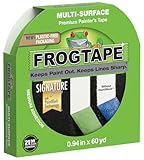
If you’re painting over fresh paint or on delicate surfaces like wallpaper or freshly plastered walls, you’ll want to look for a low-tack tape, often called ‘delicate surface’ tape, which usually comes in a green or purple color. These have even less aggressive adhesives. For exterior projects or jobs where you need a really strong hold that can withstand outdoor elements, there are specific exterior-grade tapes, often yellow or orange. The key is to match the tape to the surface and the paint you’re using.
The manufacturer’s instructions on the tape packaging are usually a good guide. For example, 3M, a major manufacturer, offers a range of tapes with specific recommendations for different applications and substrates.
A Quick Comparison of Tape Types
| Tape Type | Adhesive Strength | Best For | Verdict for Painting? |
|---|---|---|---|
| Standard Scotch Tape (Clear Cellophane) | Low to Medium | Sealing envelopes, light crafts | NO. Prone to paint bleed, can damage surfaces. |
| Packing Tape (Clear or Brown) | Medium to High | Sealing boxes, securing packages | NO. Too aggressive, likely to remove paint, poor seal. |
| Blue Painter’s Tape | Low | General interior painting (walls, trim, doors) | YES. Designed for clean lines and easy removal. |
| Green/Purple Delicate Surface Tape | Very Low | Fresh paint, wallpaper, delicate surfaces | YES. Minimizes risk of surface damage. |
| Yellow/Orange Exterior Tape | Medium to High (Weather Resistant) | Exterior projects, rough surfaces | YES, for specific exterior jobs. Check surface compatibility. |
My Own Dumb Mistake: The Time I Used Duct Tape
Okay, Scotch tape feels amateurish, I admit. But one time, I was in a real bind.
I was helping a buddy paint his garage. We needed to mask off some metal shelving units that were already bolted to the wall.
We had a lot of surface area to cover, and we were running out of painter’s tape. In a moment of pure, unadulterated madness, someone – I won’t name names, but it might have been me after a long day – suggested using duct tape. ‘It’s super sticky, it’ll hold anything!’ the logic went.
Oh, the hubris. We slapped that silvery, fabric-backed monstrosity all over the metal shelves, feeling like we were being incredibly efficient. We painted the walls, let everything dry, and then came the moment of truth.
We started peeling. And peeling. And peeling.
The duct tape adhesive, designed to stick like concrete to almost anything and resist water, decided it liked the metal shelving way too much. It tore off in tiny strips, leaving behind a sticky, gooey residue that was incredibly difficult to remove.
It looked like a silver slime attack. We spent the next three hours with Goo Gone and razor blades trying to clean it all off.
The shelves were scratched, and the entire job took twice as long. It was a vivid, sticky reminder that sometimes the ‘strongest’ tape is the absolute worst for painting.
Common Mistakes When Using Tape for Painting
Beyond just using the wrong kind of tape, there are other pitfalls. One of the biggest is not pressing the tape down firmly enough.
Even with the right painter’s tape, if there are tiny gaps between the tape and the surface, paint will seep through. I always run my fingernail or a plastic putty knife along the edge of the tape to make sure a good seal. Another mistake is leaving the tape on too long. While painter’s tape is designed for clean removal, leaving it on for days after the paint has fully cured can sometimes lead to the adhesive bonding too strongly, or the paint edge becoming brittle and cracking when the tape is removed. (See Also: Does Masking Tape Work The Same As Painters Tape )
The general rule of thumb is to remove painter’s tape while the paint is still slightly tacky or at least within 24 hours of application. If you’re painting a large area, it’s often best to remove the tape immediately after you’ve finished painting that section, before the paint has a chance to fully harden. Also, be mindful of the surface you’re taping.
If you’re taping over a wall that’s poorly prepped, has loose paint, or a slick finish, even painter’s tape might pull some of that off. Always test a small, inconspicuous area first if you’re unsure.
The Honest Truth: Can Scotch Tape Be Used as Painters Tape?
So, to circle back to the core question: can Scotch tape be used as painters tape? In an absolute, desperate, ‘I have no other option and I don’t care about the result’ kind of emergency, technically you could try to use it.
You might get lucky on a very smooth, non-porous surface with a single thin coat of latex paint, provided you’re incredibly careful and willing to do a lot of touch-up work. But the answer for anyone who wants a decent-looking finish? A resounding NO. It’s the wrong tool for the job, plain and simple.
You’re basically setting yourself up for frustration, extra work, and a less-than-professional result. The money you save on a roll of Scotch tape will be dwarfed by the time and effort you’ll spend fixing the inevitable paint bleed and damage. It’s like trying to build a birdhouse with a butter knife.
It’s technically possible to make some indentations, but it’s going to be a messy, inefficient, and ultimately disappointing endeavor. I’ve seen people try to get clever with it, using multiple layers, or applying it very carefully, but the fundamental properties of the adhesive and the tape material are just not suited for the precise demands of creating clean paint lines.
People Also Ask:
Can I Use Regular Tape Instead of Painter’s Tape?
Generally, no. Regular household tape like Scotch tape or packing tape has adhesives not designed for clean removal from painted surfaces. They are prone to leaving residue, lifting paint, or allowing paint to bleed underneath, leading to messy lines and damaged finishes. Painter’s tape is specifically formulated for a balance of adhesion and clean removal.
Will Scotch Tape Ruin My Paint Job?
It very likely will, at least to some degree. Scotch tape’s adhesive is often too strong for fresh or delicate paint, causing it to peel off when the tape is removed. Even on older paint, it can allow paint to seep underneath, creating fuzzy, unprofessional lines that require extensive touch-up work.
What Is the Difference Between Scotch Tape and Painter’s Tape?
The main difference lies in the adhesive. Scotch tape’s adhesive is designed for general sticking power on paper and is often too aggressive or not formulated for clean removal from painted surfaces. Painter’s tape has a low-tack adhesive specifically engineered to adhere well enough to prevent paint bleed but remove cleanly from various surfaces without damaging them.
What Can I Use If I Don’t Have Painter’s Tape?
If you absolutely must substitute, use the lowest tack tape you have that is designed for temporary adhesion. Some masking tapes might work in a pinch, but always test in an inconspicuous area first. However, it’s strongly advised to get actual painter’s tape. Specialty tapes for delicate surfaces (often green or purple) are best for freshly painted walls or wallpaper.
Conclusion
So, if you’re standing there, project stalled, staring at that roll of Scotch tape and wondering if it’s the answer to your masking needs, please, for the love of all things paint-related, step away slowly. You’re much better off making a quick trip to the hardware store for actual painter’s tape than dealing with the headache that trying to substitute will cause.
I’ve learned this lesson through countless hours of scraping, sanding, and re-painting. The time saved by using the right tool from the start is immense, and the quality of the finish is night and day. The question of ‘can Scotch tape be used as painters tape’ really boils down to whether you’re willing to accept a compromised result and a lot of extra work.
My advice? Buy the blue tape. It’s cheap insurance for a professional-looking paint job and your sanity.